



6 Roof Pitch Types Explained (And What They Mean for Your Home)
 14min Read
 Posted 10.16.2026
Six main roof pitch types (flat, low-slope, conventional, moderate, steep, and very steep) determine everything from what roofing materials can be installed to how well the roof sheds water and snow across New Brighton and surrounding Twin Cities communities. Understanding roof pitch types helps homeowners make informed decisions about materials, installation cost, and long-term performance during roof replacement or new construction. Owl Roofing, a GAF and Owens Corning certified roofing contractor, installs complete roofing systems on every common pitch type across New Brighton and surrounding areas. This guide breaks down the six pitch categories with what each means for materials, cost, drainage, and other practical considerations.
- Six pitch categories: From flat to very steep with practical implications.
- Material compatibility: Which roofing materials work at each pitch.
- Minnesota climate: How pitch affects snow shedding and drainage.
Understanding Roof Pitch
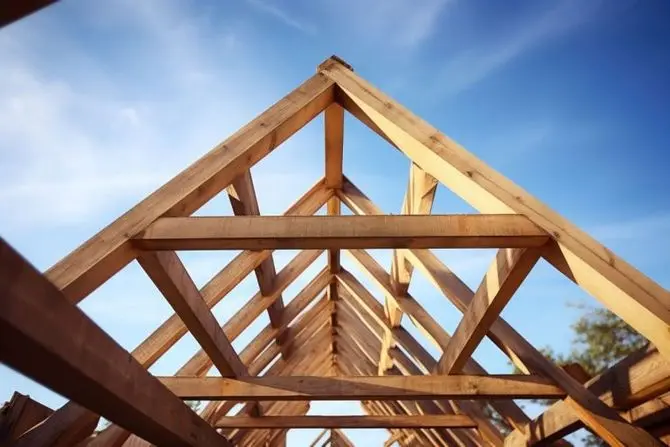
Understanding roof pitch starts with the basic measurement concept and how the pitch affects every aspect of the roof from materials to appearance. Owl Roofing evaluates roof pitch during every New Brighton consultation because pitch determines the specific installation approach and material options available.
What Roof Pitch Is
Roof pitch is the measurement of a roof’s steepness expressed as a ratio of vertical rise to horizontal run, typically written as X/12 where X represents inches of rise per 12 inches of horizontal distance. Owl Roofing measures roof pitch on every New Brighton roofing consultation because the specific pitch determines material compatibility, installation cost, and long-term performance characteristics. Today’s Homeowner notes that a 6/12 pitch means the roof rises 6 inches for every 12 inches of horizontal distance. Pitch is sometimes also expressed as an angle in degrees, with a 6/12 pitch equaling approximately 26.5 degrees and a 12/12 pitch equaling approximately 45 degrees.
- Rise-to-run ratio: Vertical rise per 12 inches horizontal.
- X/12 format: Standard American roofing pitch notation.
- Degree equivalent: 6/12 equals about 26.5 degrees.
- Universal measurement: Applies to all residential and commercial roofs.
How Roof Pitch Is Measured
Roof pitch is measured using a level and tape measure either from inside the attic or on the roof surface, though attic measurement is significantly safer and more accessible for most homeowners. Owl Roofing measures pitch on every New Brighton consultation during roof inspection because accurate pitch measurement is essential for material specification and cost estimation. The measurement process involves placing a level horizontally against a rafter, marking 12 inches from one end, and measuring the vertical distance from the 12-inch mark to the rafter. That vertical measurement in inches is the pitch X/12 number. Contractors also verify pitch using specialized tools and calculators during formal roof evaluation.
- Measurement location: Attic is safer than roof surface.
- Tools needed: Level, tape measure, pencil.
- Process: 12-inch horizontal mark, measure vertical rise.
- Professional verification: Contractors confirm during inspection.
6 Common Roof Pitch Types
Six pitch categories cover the vast majority of New Brighton residential and commercial roofs. Each category has distinct characteristics that affect material choices, installation requirements, and long-term performance.
1. Flat Pitch (0/12 to 2/12)
Flat pitch roofs technically have a slope of less than 2/12, though truly flat 0/12 roofs are rare because even nominal flat roofs need a slight slope for drainage. Owl Roofing installs flat and near-flat roofs on New Brighton commercial buildings and some modern residential designs where the architectural style calls for the minimal slope. Flat pitch roofs require specialized membrane materials like TPO, EPDM, PVC, or modified bitumen because standard asphalt shingles cannot shed water effectively at this slope. Flat roofs also require positive drainage design through internal drains or edge scuppers to prevent water pooling, which is particularly important in Minnesota where snow accumulation creates additional load and drainage challenges.
- Pitch range: 0/12 to 2/12 slope.
- Material required: Membrane systems (TPO, EPDM, PVC).
- Drainage design: Internal drains or edge scuppers.
- Common applications: Commercial buildings and modern residential.
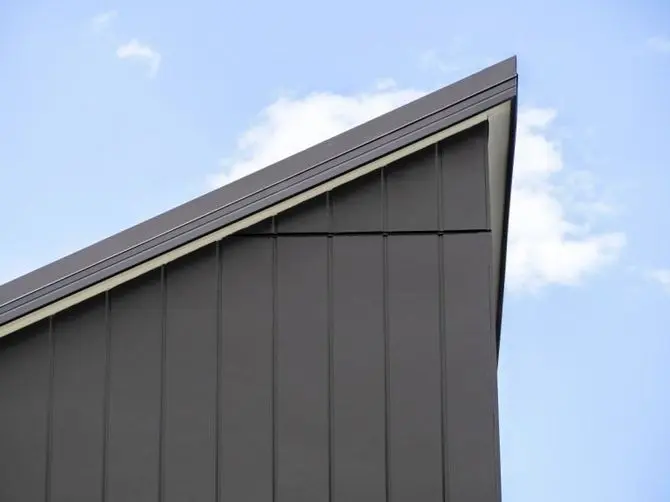
2. Low-Slope Pitch (2/12 to 4/12)
Low-slope pitch roofs have a slope between 2/12 and 4/12, which is enough for basic water drainage but not enough for standard asphalt shingle installation without special detailing. Owl Roofing installs low-slope roofs on New Brighton ranch homes and contemporary designs where the moderate pitch fits the architectural style. Asphalt shingles are only acceptable on low-slope roofs at 2/12 or greater with additional underlayment layers and specific installation techniques per manufacturer specifications. Metal roofing works well at low-slope pitches and often becomes the preferred material choice. The low profile creates less prominent roof appearance from the ground while still providing adequate drainage in typical conditions.
- Pitch range: 2/12 to 4/12 slope.
- Shingle allowed: Only at 2/12 or higher with special detailing.
- Metal advantage: Works well at low-slope pitches.
- Common applications: Ranch and contemporary homes.
3. Conventional Pitch (4/12 to 6/12)
Conventional pitch roofs have a slope between 4/12 and 6/12, which represents the most common residential roof pitch across New Brighton and Twin Cities communities. Owl Roofing installs the majority of asphalt shingle replacements on conventional pitch roofs because the slope provides good water and snow shedding while accommodating almost every residential roofing material. Standard asphalt shingles, architectural shingles, metal roofing, and premium products all work well at conventional pitches without special installation requirements. Conventional pitches also allow safe walking during installation and maintenance, which reduces labor costs compared to steeper pitches. The balance of aesthetic and functional benefits makes conventional pitch the default choice for most residential new construction.
- Pitch range: 4/12 to 6/12 slope.
- Market prevalence: Most common residential pitch.
- Material compatibility: All major residential materials work.
- Safe walking: Reduces installation labor cost.
4. Moderate Slope Pitch (6/12 to 9/12)
Moderate slope pitch roofs have a slope between 6/12 and 9/12, providing excellent water and snow shedding along with more prominent roof appearance from the ground. Owl Roofing installs moderate slope roofs on New Brighton homes where the architectural style emphasizes the roof as a visual feature or where enhanced snow shedding matters. The steeper pitch works well for Minnesota winters because snow slides off more readily rather than accumulating, though ice dam formation still requires proper attic ventilation and insulation. Moderate pitches often support additional attic storage or livable attic space with adequate headroom. Installation labor costs increase somewhat compared to conventional pitch roofs due to the more challenging working conditions.
- Pitch range: 6/12 to 9/12 slope.
- Snow performance: Excellent shedding capability.
- Attic potential: More usable overhead space.
- Installation cost: Slightly higher than conventional pitch.
5. Steep Slope Pitch (9/12 to 12/12)
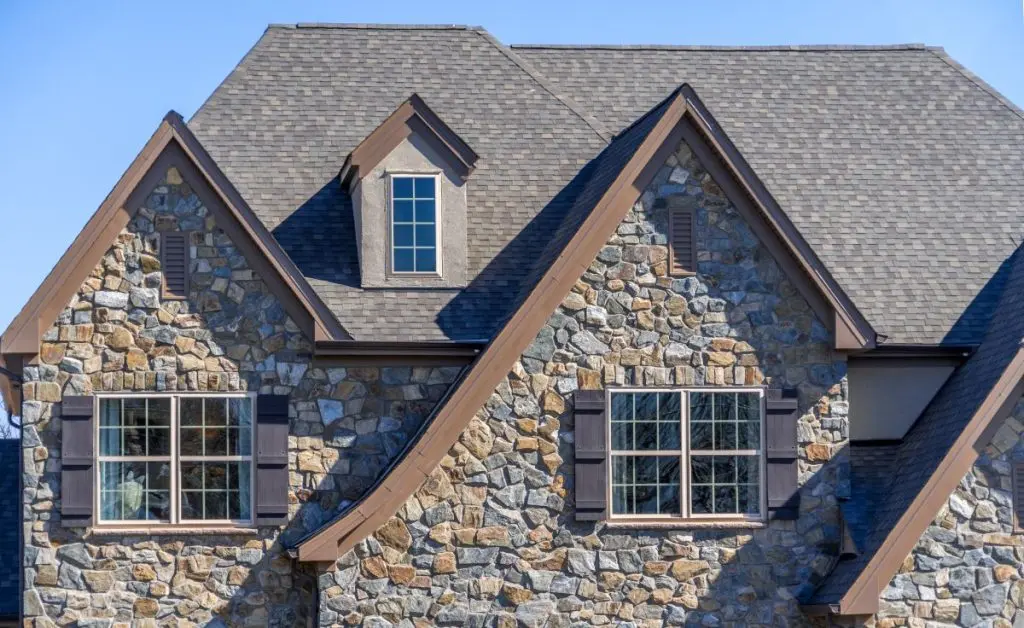
Steep slope pitch roofs have a slope between 9/12 and 12/12 and require additional safety equipment and specialized installation techniques for roofing work. Owl Roofing installs steep slope roofs on New Brighton homes with traditional architectural styles like Colonial, Victorian, Tudor, and steep gable designs where the dramatic roofline is a defining visual feature. Today’s Homeowner notes that many roofers consider roofs with pitches of 7/12 or lower “walkable,” while any steeper than that requires additional precautions. Steep slope pitches shed water and snow extremely well but cost more to install due to safety requirements, roof jacks, scaffolding, and slower work pace. The steep pitch also creates dramatic vaulted or cathedral ceilings inside the home.
- Pitch range: 9/12 to 12/12 slope.
- Safety equipment: Roof jacks and scaffolding required.
- Water and snow shedding: Excellent at steep pitches.
- Installation cost: Significantly higher due to safety needs.
6. Very Steep Pitch (Above 12/12)
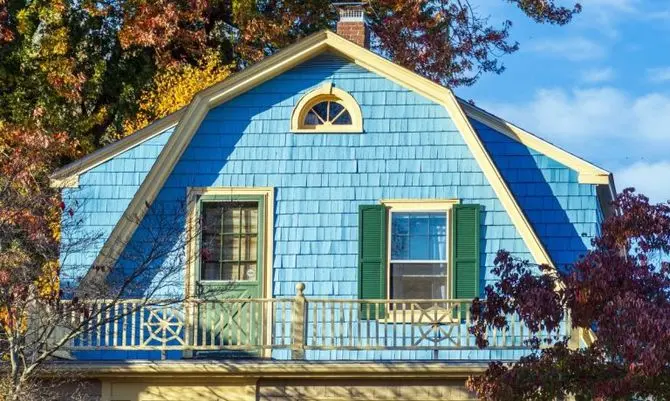
Very steep pitch roofs have a slope greater than 12/12 (over 45 degrees) and represent the steepest category found on residential and specialty structures. Owl Roofing installs very steep pitch roofs on New Brighton homes with A-frame, mansard, Tudor, and church-style designs where the extreme slope is architecturally intended. Very steep pitches require full scaffolding systems, safety harnesses, and specialized installation techniques that significantly increase labor cost compared to less steep roofs. The extreme slope provides exceptional water and snow shedding and creates dramatic interior vaulted spaces, but material and installation costs run substantially higher than conventional pitch roofs. Very steep pitches are relatively rare in modern residential construction outside of specific architectural styles.
- Pitch range: Above 12/12 slope (over 45 degrees).
- Full scaffolding: Required for safe installation.
- Dramatic architecture: A-frame, mansard, Tudor styles.
- Cost premium: Significantly higher than conventional pitch.
What Roof Pitch Means for Your New Brighton Home
Roof pitch affects multiple practical aspects of a New Brighton home beyond just the visual appearance from the street. Owl Roofing walks homeowners through pitch implications during consultations for new construction or major renovation projects.
Water and Snow Drainage
Water and snow drainage performance improves significantly as roof pitch increases from flat to steep. Owl Roofing evaluates drainage requirements during New Brighton roof consultations because Minnesota’s climate produces both heavy rainfall and significant winter snow that both need to shed effectively. Steeper pitches allow snow to slide off naturally, reducing structural load during accumulation events and reducing ice dam formation risk. Flat and low-slope roofs require careful drainage design with adequate slope to internal drains or edge scuppers to prevent pooling. Roof pitch does not fully prevent ice dams in Minnesota, which also depend on attic insulation and ventilation quality regardless of the underlying pitch.
- Steep pitch advantage: Natural snow shedding.
- Flat roof challenge: Requires careful drainage design.
- Ice dam factor: Depends on attic insulation and ventilation.
- MN climate priority: Adequate pitch for reliable drainage.
Material Compatibility
Material compatibility depends heavily on roof pitch because different roofing materials have minimum pitch requirements per manufacturer specifications. Owl Roofing selects appropriate materials during New Brighton consultations based on the specific pitch of the home. Asphalt shingles typically require 2/12 minimum pitch, with additional underlayment required below 4/12. Metal roofing works on nearly any pitch from 1/12 up to very steep, making it a versatile choice for unusual pitch situations. Membrane systems like TPO, EPDM, and PVC are designed specifically for flat and low-slope applications. Slate, tile, and premium materials typically require 4/12 minimum pitch or greater for proper installation and warranty coverage.
- Asphalt shingles: 2/12 minimum, 4/12+ preferred.
- Metal roofing: Works from 1/12 up to very steep.
- Membrane systems: Designed for flat and low-slope.
- Slate and tile: 4/12 minimum typical.
Attic Space and Ceiling Options
Attic space and ceiling options are significantly affected by roof pitch because steeper pitches create more overhead room in the attic. Owl Roofing finds that New Brighton homes with steep pitches often have more usable attic storage or livable attic conversion potential, while low-slope homes have minimal attic space. Vaulted or cathedral ceilings inside the home require adequate pitch to provide the interior height without extending the exterior roof height dramatically. Scissor trusses on steep pitches create the vaulted ceiling effect while maintaining a standard exterior roof profile. Roof pitch decisions during new construction should account for desired interior ceiling configurations as well as exterior appearance.
- Attic overhead: Increases with pitch.
- Livable attic: Steep pitches enable conversion potential.
- Vaulted ceilings: Require adequate pitch for effect.
- Design coordination: Pitch affects both interior and exterior.
Roof Replacement Cost by Pitch in New Brighton
The cost of roof replacement in New Brighton varies significantly by roof pitch because pitch affects labor time, safety requirements, and material specifications. Owl Roofing provides itemized estimates showing how pitch affects the total cost for each specific home.
How Pitch Affects Installation Cost
Pitch affects installation cost through labor time, safety equipment requirements, and material specifications for the specific pitch category. Owl Roofing pricing for typical New Brighton asphalt shingle roof replacement runs $14,000 to $25,000 on conventional pitch roofs, with steeper pitches adding 10 to 30 percent for safety equipment and slower installation. Flat and low-slope roofs require membrane materials that install faster per square foot but require specialized techniques and equipment. Very steep pitches over 12/12 require full scaffolding and safety systems that significantly increase labor cost. The pitch of the roof also affects the total surface area, with steeper pitches having more square feet of roof surface for the same building footprint.
- Conventional pitch: $14,000 to $25,000 typical.
- Steep pitch premium: 10 to 30 percent additional.
- Very steep premium: Full scaffolding significantly increases cost.
- Surface area: Steeper pitches have more square footage.
Owl Roofing in New Brighton
Owl Roofing handles roof installation, replacement, and repair across New Brighton and surrounding Twin Cities communities on every common roof pitch type. The team works with appropriate materials and installation techniques for each pitch category with attention to Minnesota-specific weather performance.
Why Homeowners Choose Owl Roofing for Roof Work
Owl Roofing is a strong choice for roof work in New Brighton because the team installs appropriate materials for every pitch type with manufacturer-certified expertise, provides free pre-installation inspections with no obligation to proceed, uses GAF and Owens Corning products with certified installation on pitched roofs, and offers itemized estimates showing every cost component separately. Owl Roofing installs roofing systems with proper safety equipment for steep pitch installations and specialized techniques for low-slope and flat roof membrane systems. Every installation includes manufacturer warranty registration and written documentation of the exact products installed for future reference during resale or service claims.
- Every pitch type: Materials and techniques for all common pitches.
- GAF and Owens Corning certified: Manufacturer-certified expertise.
- Safety equipment: Proper safety for steep pitch installations.
- Warranty documentation: Full registration on every installation.
Frequently Asked Questions
What Is the Best Roof Pitch for Minnesota Winters?
The best roof pitch for Minnesota winters is typically a conventional or moderate slope between 4/12 and 8/12 because this range provides good snow shedding while accommodating most roofing materials without special detailing. Owl Roofing installs the majority of New Brighton residential replacements in this pitch range. Steeper pitches shed snow more effectively but cost more to install, while lower pitches require careful drainage design.
Can Asphalt Shingles Be Installed on Low-Slope Roofs?
Asphalt shingles can be installed on low-slope roofs at 2/12 or greater with additional underlayment layers and specific installation techniques per manufacturer specifications. Owl Roofing installs asphalt shingles on New Brighton low-slope roofs using code-compliant methods when the pitch is above 2/12. Pitches below 2/12 require membrane systems like TPO, EPDM, or modified bitumen instead of shingles.
Does Steeper Roof Pitch Cost More to Install?
Yes, steeper roof pitch typically costs more to install because of additional safety equipment, slower work pace, and more challenging material handling. Owl Roofing pricing for New Brighton steep pitch installations runs 10 to 30 percent higher than comparable conventional pitch installations. Very steep pitches over 12/12 can cost significantly more due to full scaffolding requirements.
What Roof Pitch Is Considered Walkable?
Roofs with pitches of 7/12 or lower are generally considered walkable by roofing professionals, while any steeper pitch requires additional safety precautions like roof jacks or scaffolding. Owl Roofing uses appropriate safety equipment on every New Brighton installation based on the specific pitch. Homeowners should never attempt to walk on any roof without proper training and safety equipment regardless of pitch.
How Do I Know What My Roof Pitch Is?
You can determine your roof pitch by measuring in the attic using a level and tape measure to find the vertical rise over 12 inches of horizontal distance. Owl Roofing measures pitch during every New Brighton roofing consultation as part of the estimate process, and homeowners typically don’t need to measure pitch themselves before requesting a consultation. Building plans and previous roofing paperwork also often list the specific pitch.
Does Owl Roofing Handle Steep Pitch Roof Installations?
Yes, Owl Roofing handles steep pitch roof installations across New Brighton with proper safety equipment, scaffolding as needed, and specialized installation techniques. The team installs shingles, metal, and other materials on very steep architectural styles with appropriate warranty coverage. Steep pitch installations receive detailed cost estimates that account for the additional labor and equipment requirements.
Get Your Free Roof Consultation Scheduled
Owl Roofing handles roof installation, replacement, and repair across New Brighton and surrounding Twin Cities communities with insurance claim coordination, emergency repair availability, free inspections, financing options, and a maintenance program designed to protect the roof investment for its full service life. Every Owl Roofing consultation includes physical shingle samples viewed in natural light and property-specific recommendations so New Brighton homeowners can evaluate roofing options for their specific pitch with objective information.
Contact Owl Roofing to schedule a free consultation for your New Brighton home and receive a written estimate that breaks down the cost for roofing work at your specific roof pitch.

Recent Articles
Explore The Blog