What Are Ridge Cap Shingles & Why They Matter? (8 Benefits)
 7min Read
 Posted 5.11.2026
Understanding ridge cap shingles is important for homeowners who want a durable and complete roof system. Ridge cap shingles are specially designed shingles installed along the ridges of a roof, where two slopes meet. This area is one of the most exposed parts of the roof, making proper ridge cap protection essential for long term performance.
While standard shingles protect the main sections of the roof, ridge cap shingles provide added protection at the highest points. These cap shingles help seal the roof, improve ventilation, and strengthen the overall roofing system.
Homeowners should understand:
- What ridge cap shingles do: How they protect roof ridges and edges.
- Why they matter: Their impact on roof durability and lifespan.
- How they differ: Why cap shingles are different from standard shingles.

What Are Ridge Cap Shingles?
Ridge cap shingles are specialized shingles designed to cover the ridges of a roof. These ridges are where two roof planes meet, creating a peak that requires additional protection. Standard shingles are not designed to bend over these ridges, which is why ridge cap shingles are used.
Ridge cap shingles are thicker and more flexible than standard shingles, allowing them to fit securely over the ridge cap area without cracking.
How Ridge Cap Shingles Work
Ridge cap shingles are installed after the main shingles are placed on the roof. They form a protective barrier along the ridge cap and help seal the roof from moisture and wind.
- Seal protection: Prevents water from entering through the ridges.
- Wind resistance: Helps keep shingles in place during storms.
- Roof coverage: Completes the roofing system at the highest points.
Ridge Cap Shingles vs Standard Shingles
Standard shingles are designed for flat sections of the roof, while ridge cap shingles are designed specifically for ridges and peaks.
- Flexibility: Ridge cap shingles bend over ridges without damage.
- Thickness: Cap shingles are often thicker for added durability.
- Purpose built: Designed specifically for ridge cap applications.
8 Benefits of Ridge Cap Shingles
Ridge cap shingles provide several benefits that improve the performance and durability of your roof. These benefits are especially important for homes exposed to strong weather conditions.
1. Stronger Protection at Roof Ridges
The ridges of a roof are one of the most vulnerable areas. Ridge cap shingles provide added protection where it matters most.
- Water resistance: Helps prevent leaks along the ridge cap.
- Weather protection: Shields against rain, snow, and ice.
- Structural support: Reinforces the roof at critical points.
2. Improved Wind Resistance
Wind often impacts the highest points of a roof first. Ridge cap shingles help secure the roof against strong winds.
- Secure fastening: Keeps cap shingles in place.
- Reduced blow offs: Minimizes shingle loss.
- Stronger seal: Protects ridge cap areas.
3. Better Roof Ventilation
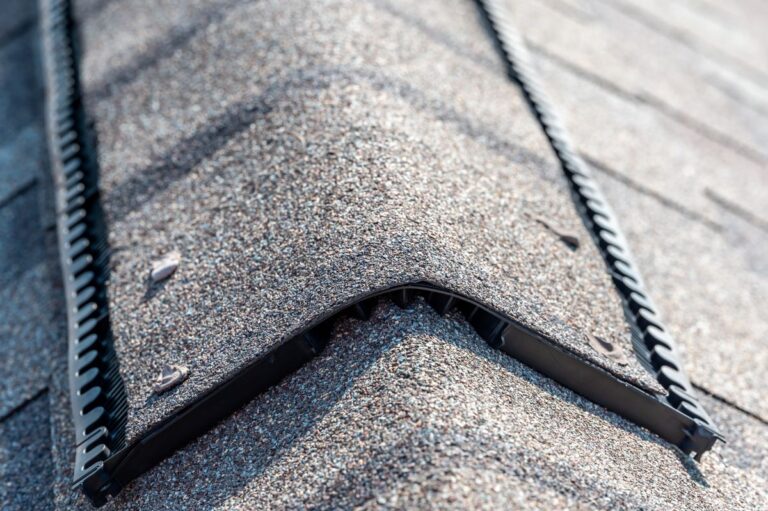
Ridge cap shingles are often used with ridge vents, allowing proper airflow through the roof system.
- Airflow support: Allows heat to escape through ridges.
- Moisture control: Reduces condensation buildup.
- Energy efficiency: Improves attic ventilation.
4. Longer Roof Lifespan
By protecting the most exposed areas of the roof, ridge cap shingles help extend the life of the entire roofing system.
- Reduced wear: Protects shingles at the ridge cap.
- Durability: Withstands repeated weather exposure.
- System longevity: Supports long term performance.
5. Clean and Finished Appearance
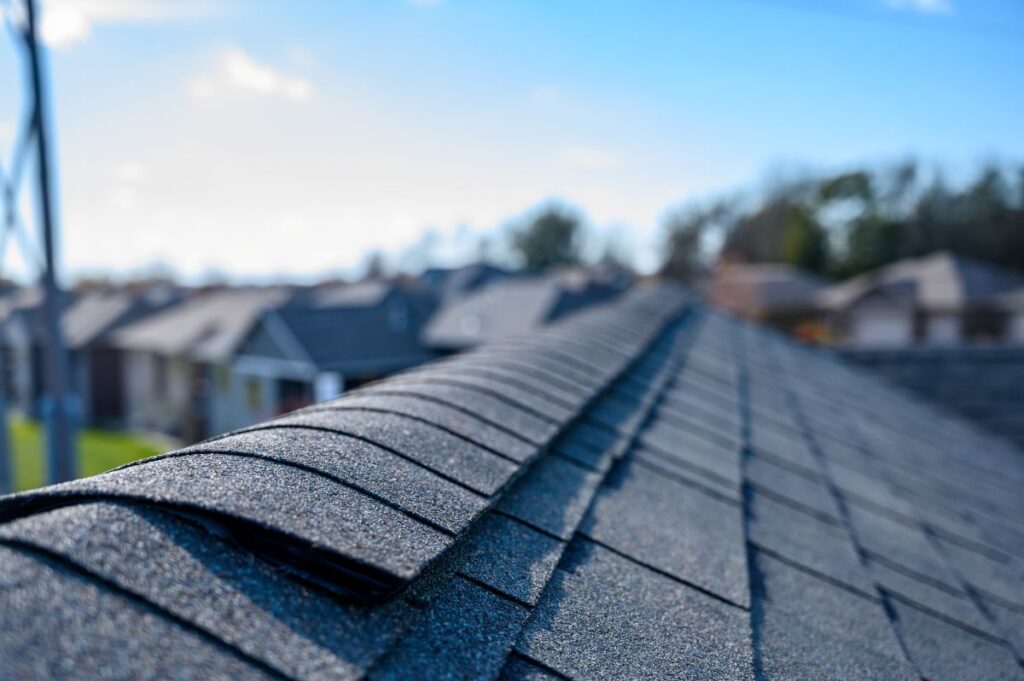
Ridge cap shingles give the roof a polished and complete look by covering the ridges.
- Consistent design: Matches the dimension and color of shingles.
- Defined ridges: Creates a clean roofline.
- Curb appeal: Improves the overall appearance of the home.
6. Compatibility With Ridge Products
Ridge cap shingles are designed to work with modern ridge products such as ventilation systems and advanced roofing materials.
- System integration: Works with ridge vents and accessories.
- Flexible installation: Fits different roofing systems.
- Performance support: Enhances overall roof function.
7. Reduced Maintenance Needs
Using proper ridge cap shingles helps reduce long term maintenance and repair needs.
- Fewer repairs: Less likely to develop leaks.
- Durable materials: Built to handle weather exposure.
- Reliable performance: Maintains protection over time.
8. Added Protection for Complex Roof Designs
Homes with multiple ridges or roof features benefit from properly installed ridge cap shingles.
- Multiple ridges: Provides coverage across all roof peaks.
- Consistent protection: Ensures all ridges are sealed.
- Improved stability: Supports complex roof structures.
Why Ridge Cap Shingles Matter in the Twin Cities
Homes in the Twin Cities experience weather conditions that can impact roof performance throughout the year. From heavy snow to strong winds, roofing systems must handle constant environmental stress.
Ridge cap shingles play a key role in protecting roofs in this region, especially at the most exposed points.
Weather Challenges in Minnesota
The local climate creates conditions that require durable roofing materials.
- Heavy snow: Adds weight to roofs and ridges.
- Ice buildup: Can form along ridge cap areas.
- Wind exposure: Affects shingles at the highest points.
How Ridge Cap Shingles Perform
Ridge cap shingles are designed to handle these conditions and protect the roof over time.
- Moisture protection: Prevents water from entering ridge areas.
- Wind resistance: Secures shingles during storms.
- Long term durability: Handles repeated seasonal stress.
Installation and Maintenance of Ridge Cap Shingles
Proper installation of ridge cap shingles is essential for ensuring performance. A roofing company must install cap shingles correctly to protect the roof and maintain durability.
Installation Considerations
Ridge cap shingles must be installed carefully along the ridges to ensure proper sealing and alignment.
- Correct placement: Aligns with roof ridges and peaks.
- Secure fastening: Prevents movement over time.
- Vent integration: Allows proper airflow through the roof.
Maintenance Tips
Regular inspections help keep ridge cap shingles in good condition.
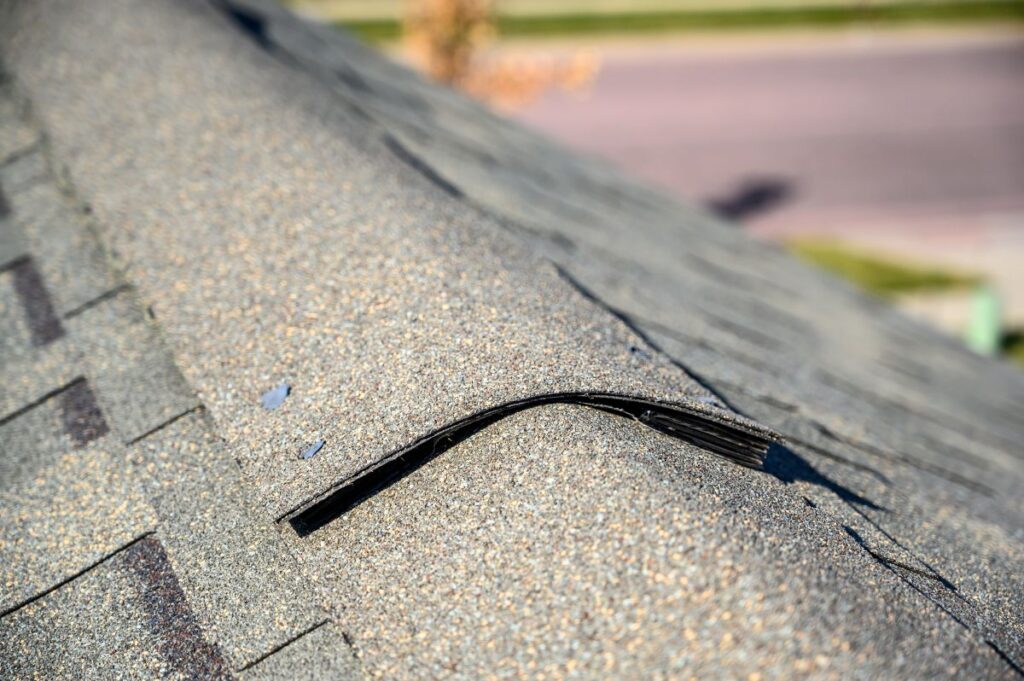
- Check after storms: Look for loose cap shingles.
- Inspect ridges: Ensure proper alignment and coverage.
- Address damage early: Prevents larger issues.
Ridge Cap Shingles FAQs
Q: Are ridge cap shingles necessary for every roof?
A: Ridge cap shingles are necessary for most roofs because they protect the ridges where two roof sections meet. Without ridge cap shingles, these areas are more vulnerable to leaks and wind damage.
Q: What is the difference between ridge cap shingles and hip shingles?
A: Ridge cap shingles hip applications refer to using cap shingles on both ridges and hip lines of a roof. These areas require similar protection, and ridge cap shingles are designed to cover both effectively.
Q: Can standard shingles be used instead of ridge cap shingles?
A: Standard shingles are not designed for ridges and may crack when bent. Ridge cap shingles are specifically made to handle the angle and provide proper protection.
Q: Do ridge cap shingles affect roof ventilation?
A: Ridge cap shingles work with ventilation systems to improve airflow. When installed with ridge vents, they allow proper ventilation without exposing the roof to moisture.
Complete Your Roof With Proper Ridge Cap Protection
Ridge cap shingles are a critical part of any roofing system, providing protection, durability, and a finished appearance. By covering the ridges and reinforcing the most exposed areas, these cap shingles help ensure long term roof performance.
At Owl Roofing, we provide residential roofing services, roof repair, and new roof installation for homeowners looking to improve their roofing systems. Our team installs high quality ridge cap shingles and ensures every part of the roof is built for durability.
If you are planning a new roof or want to upgrade your ridge cap shingles, contact Owl Roofing today to schedule a free inspection. Our team can evaluate your roof and recommend the best materials for long term protection.

Recent Articles
Explore The Blog