Ask almost any roofer how long a roof replacement takes and you’ll get the same answer: one to three days. That’s true. It’s also kind of useless on its own.
The Answer Everyone Gives — and Why It’s Incomplete
One to three days is how long a crew is physically on your roof. It tells you nothing about when you can actually schedule your project, what happens in the weeks before the crew shows up, or how long after that final nail you’ll be waiting on paperwork.
Here’s the number most homeowners actually need: from signing a contract to having a finished, permitted roof, plan for 1–3 weeks under normal conditions. The installation itself — tear-off through cleanup — happens in a single day for most Twin Cities homes. The time around that day is where the variation lives.
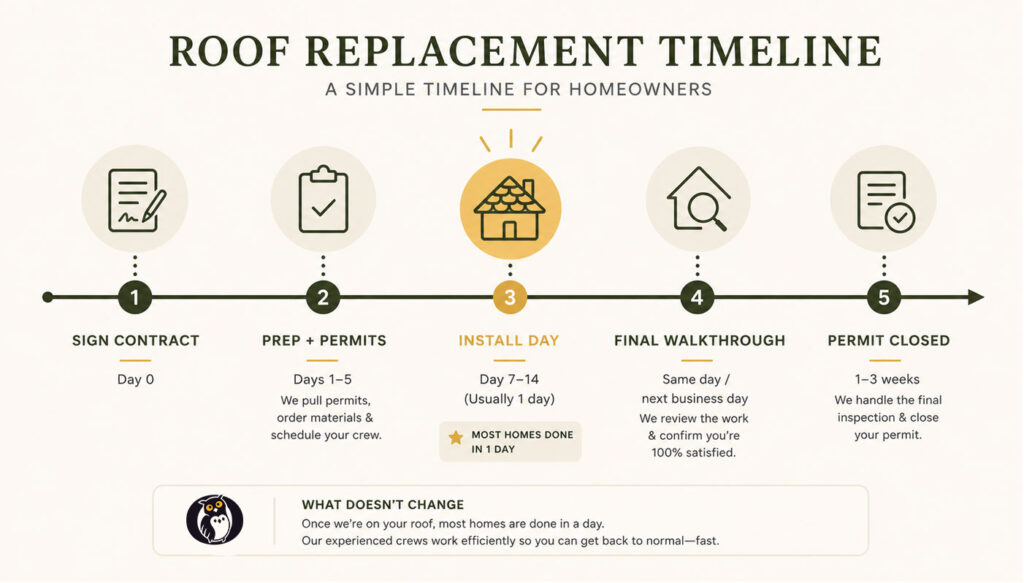
At Owl Roofing, here’s what our typical timeline looks like:
Day 0: You sign the contract
Days 1–5: We pull your permit, order materials, and schedule your crew
Days 7–14: Install day (usually one full day for most homes)
Day of or next business day: Final walkthrough and cleanup confirmation
Within a few weeks: Permit inspection closes (handled by us)
Storm season — particularly after a major hail event — can extend the pre-installation window. After a large storm hits the Twin Cities, everyone in the affected neighborhoods starts calling at the same time. Material lead times stretch, crew availability compresses. We’ll be straight with you: post-storm, the 1–2 week window can become 2–4 weeks depending on demand.
What doesn’t change: once we’re on your roof, most homes are done in a day.
The difference between a roofer who takes three days and a roofer who takes one isn’t rushing — it’s crew size, organization, and experience. A trained crew of six can do what a crew of two does in three days, in one.
The Full Roof Replacement Timeline, Phase by Phase
Phase 1: Before You Sign — 0 to 2 Weeks
Most homeowners spend anywhere from a few days to two weeks in the evaluation phase before signing anything. This includes:
Getting 1–3 estimates from local contractors
Reviewing your insurance claim (if storm-related)
Selecting your shingle product and color
Reviewing the scope of work
What you can do to speed this up: Have your insurance paperwork ready if it’s a claim, know your HOA requirements before you start getting quotes, and don’t let color selection drag. The shingle samples look different on a 3-inch card than at scale on a 2,000-square-foot roofline — ask for large samples or check your neighborhood for similar homes with that color already installed.
Phase 2: Contract to Install Day — 1 to 2 Weeks (Normal Conditions)
Once you’ve signed, here’s what’s happening before anyone touches your roof:
Permit pull (2–5 business days). Most Minnesota municipalities — including every city in the Twin Cities metro — require a building permit for a full roof replacement. We handle this, but permit offices have their own timelines. Some pull same-day. Some take a week. We factor this in when we schedule your install date.
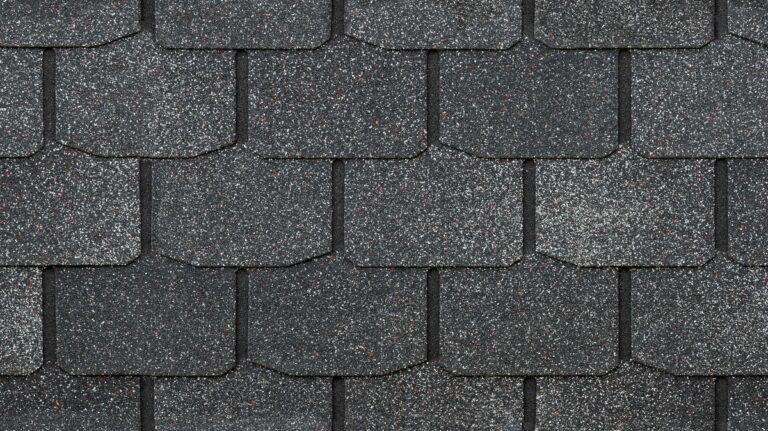
Material order and delivery (1–5 business days). For standard GAF Timberline HDZ® shingles in common colors like Charcoal or Weathered Wood, materials are typically in our hands within a day or two. Regional specialty colors or less common products can take longer. We don’t start a job without all materials staged — partial installs waiting on a material delivery are messy for everyone.
Crew scheduling. We run a set crew schedule. Your install date is confirmed once permit and materials are confirmed. We don’t give you a date and then move it.
Post-storm caveat: After a major hail event in the metro — the kind that activates hundreds of claims in a week — this phase extends. Material distributors run low on high-demand colors. Permit offices log backlogs. Our crew schedule fills. We’ll tell you your actual window honestly, not what you want to hear.
Phase 3: Install Day — 1 Day for Most Twin Cities Homes
This is the part everyone asks about. Here’s what one day looks like at Owl Roofing:
Early morning (7–8 AM): Crew arrives. They stage materials, protect your landscaping and vehicles with tarps, and set up the dumpster or trailer for tear-off debris. This is also when they do a final check of the decking before stripping begins.
Morning (8–11 AM): Tear-off. The old roofing system — shingles, underlayment, and any existing drip edge — is stripped back to the roof deck. For a standard single-layer asphalt shingle roof on a 2,000–3,000 sq ft home, tear-off takes 2–4 hours for a full crew.
Midday: Deck inspection. Once the deck is exposed, we inspect every sheet of plywood or OSB for rot, soft spots, and structural compromise. This is the moment where surprises happen — and the only time in the whole process where the timeline can genuinely shift. If we find rotted decking, we replace it before proceeding. We’ll call you, show you photos, and tell you the added cost and time before we do anything.
Midday–Afternoon: New system installation. Working from the eave up:
Drip edge installation (eave edges first)
Ice and water shield — minimum 24″ past the interior wall line on all eave edges; valleys fully covered
Synthetic underlayment across the field
Drip edge on rake edges (over the underlayment)
Starter strip at eaves and rakes
Shingles — installed to manufacturer specs, nailed per the pattern required for warranty validity
Step flashing at all wall intersections; new pipe boots at penetrations
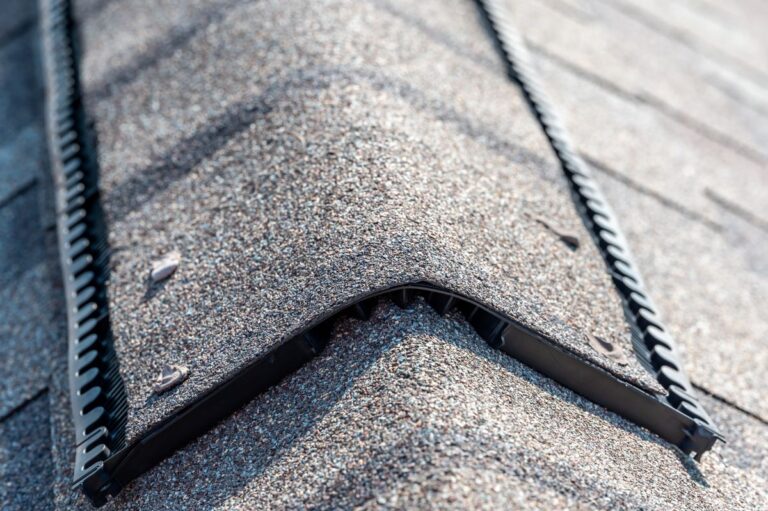
Ridge cap installation
Late afternoon: Cleanup. We run a magnetic roller across the property to catch nails in the lawn and driveway. All tear-off debris is removed. Gutters are blown clear. Your property should look better than it did when we arrived.
End of day: Final walkthrough with you or your representative. We don’t leave without confirming you’re satisfied with the job.
Total time on-site: 6–10 hours for most Twin Cities homes.
Phase 4: After Install — Permit Inspection Closure
In most Twin Cities municipalities, the permit we pulled requires a final inspection — either a drive-by from a city inspector or a submitted photo package. We handle this. You don’t need to be present. This typically closes within 1–3 weeks after installation.
Why it matters: An open permit on a sold home can complicate a real estate transaction. We close every permit we pull. If you’re selling your home and had roof work done with another contractor that left a permit open, we can help you navigate that.
What Makes Some Roof Replacements Take Longer
Roof Size
Most homes in the Twin Cities metro fall in the 1,500–3,500 square foot range for roof surface area (not the same as living area — add complexity for multiple levels and slopes). Standard crew, standard conditions:
Roof Size
Typical Install Time
Under 1,500 sq ft
Half day to one full day
1,500–2,500 sq ft
One full day
2,500–3,500 sq ft
One long day to one and a half days
3,500+ sq ft or very complex
One and a half to two days
Even large homes are typically done in a day at Owl Roofing. We size our crew to the job, not the other way around.
Roof Complexity
Complexity adds time — not because it’s harder conceptually, but because each hip, valley, dormer, skylight, and wall transition requires precision flashing work that can’t be rushed without creating a future leak point. A simple gable roof gets done faster than a hip roof with three dormers and a chimney, even if both are the same square footage.
What adds time:
Multiple roof planes / hips
Steep pitch (above 8:12 requires specialized equipment and slower movement)
Dormers and skylights (each one is a flashing project)
Chimneys (step flashing and counter-flashing)
Multiple layers of old shingles (adds tear-off time and disposal weight)
Decking Condition
The one true wildcard. We don’t know what’s under your shingles until the old system is off. Rot from ice dams, chronic leaks, or inadequate ventilation can affect sections of the plywood or OSB deck. We price decking replacement separately — typically per sheet — and we’ll never replace more than what’s actually damaged.
In Minnesota, ice dam damage is the most common source of unexpected decking rot. If you’ve had visible interior water staining from ice dams in past winters, flag that before your install date. It helps us prepare.
Material Type
Most Twin Cities homes use asphalt architectural shingles — the fastest-installing residential roofing material available. If you’re doing something different, adjust your timeline expectations:
Material
Typical Install Time
Asphalt shingles (architectural)
1–2 days
Metal standing seam
3–5 days
Metal stone-coated steel
2–4 days
Cedar shake
3–5 days
Synthetic slate
3–6 days
Clay or concrete tile
7–14 days
Owl Roofing specializes in asphalt shingle replacement. For metal, tile, or specialty materials, we’ll tell you upfront if that’s outside our scope.
Weather in Minnesota
Roofing requires dry conditions. We don’t install shingles in active rain, on wet decking, or in temperatures below 40°F without specific cold-weather protocols — and even then, we’re careful. Asphalt shingles need warmth to activate the adhesive strip and begin sealing properly.
What this means practically:
Minnesota’s prime roofing window runs roughly May through October. Late fall installs are possible but require monitoring. Winter installs can be done when temperatures cooperate, but scheduling is less predictable.
If rain hits your install day: We watch the forecast closely. If rain is probable, we reschedule before mobilizing — you don’t want a crew pulling shingles off your deck during an unexpected downpour. If weather moves in after tear-off has begun, we tarp the exposed deck and protect it until conditions clear.
Storm Season Demand
This one is specific to Minnesota and other active hail markets and worth calling out directly.
When a significant hail event moves through the Twin Cities — the kind that generates 500+ insurance claims in a week — roofing contractors experience a demand surge that compresses every part of the timeline. Material distributors run low on popular shingle colors. Permit offices log backlogs. Crews are booked solid.
At Owl Roofing, we don’t take on more work than we can execute well. We’ll give you an honest wait time, and we’ll be straight if the timeline has shifted due to storm demand in your area.
A word on storm chasers: After major hail events, you’ll see out-of-state contractors working your neighborhood with aggressive door-to-door tactics. They’re chasing storm activity and will move on when the work dries up. If they’re not licensed in Minnesota, you have no recourse if the work fails. Ask for a MN contractor license number before signing anything. Ours is BC809662.
Day-of: What to Expect as a Homeowner
The night before:
Move all vehicles out of the driveway and away from the home
Take fragile items off walls and shelves — the vibration from nail guns is significant
Relocate pets to an interior room or off-site; the noise and crew activity will stress most dogs
Make sure there’s clear access to the area around the house for the crew and the disposal unit
During the day:
You don’t need to be home, but we’ll need a way to reach you if we find unexpected decking damage
Expect consistent noise from 7 AM through mid-to-late afternoon
We’ll knock before we do anything that requires your decision or approval
End of day:
We walk the property with you
We document the completed installation
We leave a completion packet with your warranty information and permit reference number
How to Avoid Timeline Problems Before They Start
1. Don’t schedule hard commitments around your roof install date until you have a confirmed, permitted install slot. The calendar-worthy date is the day you get the permit confirmation, not the day you sign the contract.
2. Flag known issues upfront. If you know there’s a section of your roof that’s been leaking, or you’ve had ice dam damage, tell us at estimate time. It lets us plan for possible decking repairs rather than being surprised mid-job.
3. Choose your shingle color before signing. Color indecision after signing is one of the most common reasons material orders are delayed. We can walk you through the options during the estimate — don’t leave that decision open.
4. Have your insurance adjuster’s report in hand before you sign. If this is an insurance claim, we need to know the scope the adjuster approved before we write a final contract. Surprises on that front push everything.
5. Verify your contractor is actually licensed. In Minnesota, roofing contractors must hold a valid Residential Building Contractor license issued by the Minnesota Department of Labor and Industry. You can verify any license at the DLI website. Unlicensed contractors can’t pull permits, which means no permit, no inspection, and no documentation if you sell your home.
A Note on Speed vs. Quality
Fast doesn’t mean sloppy. A well-organized crew of experienced installers working a full day on a 2,500 square foot home is not cutting corners — they’re efficient. The installation steps don’t change based on how fast the crew moves. Ice and water shield still gets run to spec. Starter strip still gets installed. Nailing pattern still has to meet manufacturer requirements for warranty validity.
What does indicate corner-cutting: a suspiciously low quote, a crew that can’t answer questions about their installation process, a contractor who tells you permits aren’t necessary. Those are the red flags — not a crew that gets your roof done by 5 PM.
If you’re trying to figure out whether your roof needs replacement and what the process actually looks like, start with a free inspection. We’ll assess your roof, tell you honestly what we find, and give you a realistic timeline for your specific home — not a generic estimate that sounds good until it doesn’t.
We serve the entire Twin Cities metro. MN Lic. #BC809662.
How long does it take to replace a roof? Installation — tear-off through cleanup — takes one full day for most homes. The full process from contract to permitted roof is 1–3 weeks: roughly 1–2 weeks for permitting and materials, one day on the roof, and a few weeks for permit inspection to close.
Can a roof be replaced in one day? Yes. Most residential asphalt shingle roofs in the Twin Cities are done in a single day. A well-organized crew handles tear-off, deck inspection, ice and water shield, underlayment, shingles, flashing, and cleanup in 6–10 hours. One day is standard, not rushed.
How long from signing to install day? At Owl Roofing: 7–14 days under normal conditions (permitting + materials + scheduling). Post-storm surge can push this to 2–4 weeks depending on demand.
Does hail or storm damage affect the timeline? Yes. After a major hail event, material demand spikes, permit offices log backlogs, and contractor schedules fill fast. We give honest timelines post-storm rather than promising dates we can’t keep.
What can delay a roof replacement? Rain or temperatures below 40°F, unexpected decking rot found at tear-off, permit office processing time, specialty material lead times, and post-storm demand surges. Most are manageable with clear communication and realistic scheduling.
Do I need to be home during installation? You don’t need to be there all day, but be reachable. If we find unexpected decking damage at tear-off, we need your approval before proceeding. We walk the property at the end of the day — plan to be home for that if possible.
How long does replacement take in cold Minnesota winters? Above 40°F and dry conditions: roofs can be replaced year-round in Minnesota. Below 40°F, special protocols apply and adhesive strips won’t seal until warmer weather. We monitor forecasts and communicate before mobilizing.
What about large homes? We size our crew to the job. Most large Twin Cities homes are done in one day. Roofs above 3,500 sq ft or with significant complexity may run into a second day — we tell you upfront.
Owl Roofing is a Twin Cities residential roofing company specializing in storm damage and premium roof replacements. Headquartered in Shoreview, MN. MN Lic. #BC809662. Free estimate →
Tim Brown, an owner of Owl Roofing, has been serving in the roofing industry for 10+ years, improving processes, is a keynote speaker at RoofCon, and the best-selling author of 'How to Become a Hometown Hero' a practical guide to home services and roofing marketing.



 17min Read
 Posted 5.02.2026