
Conical Roof (Style, Cost & When It Makes Sense)
 14min Read
 Posted 10.21.2026
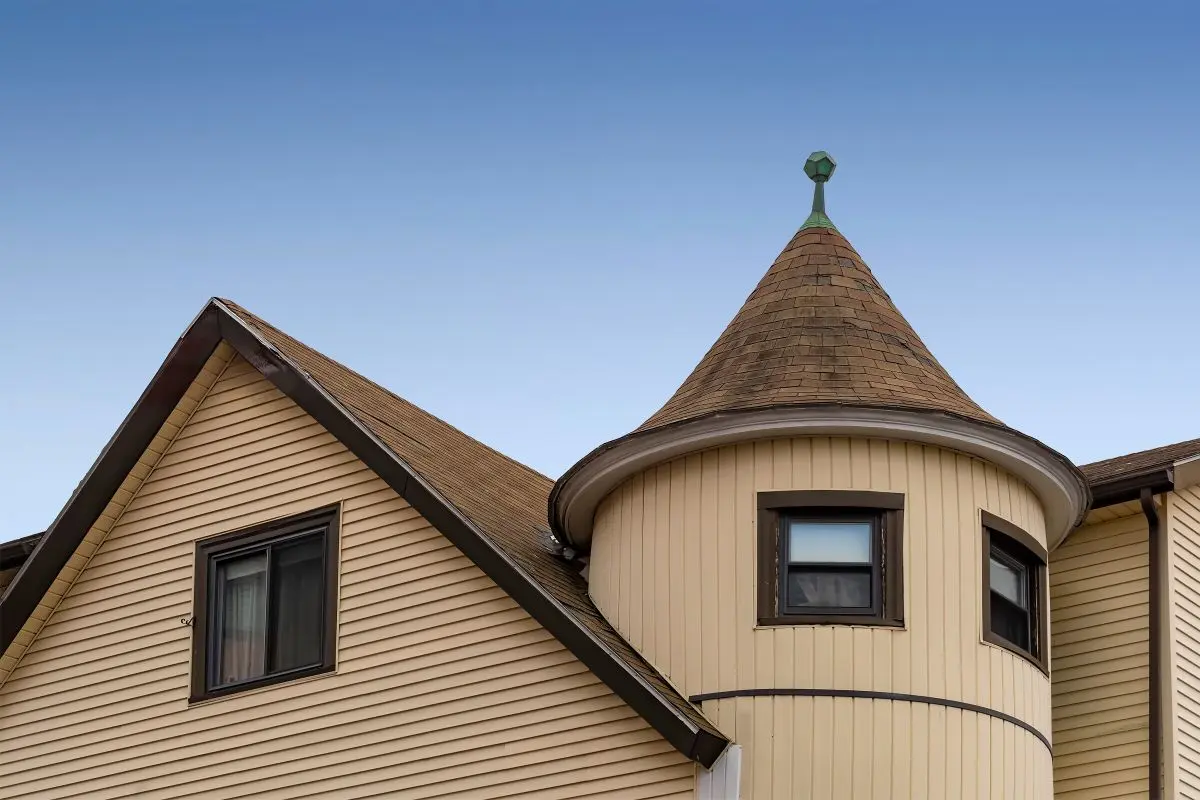
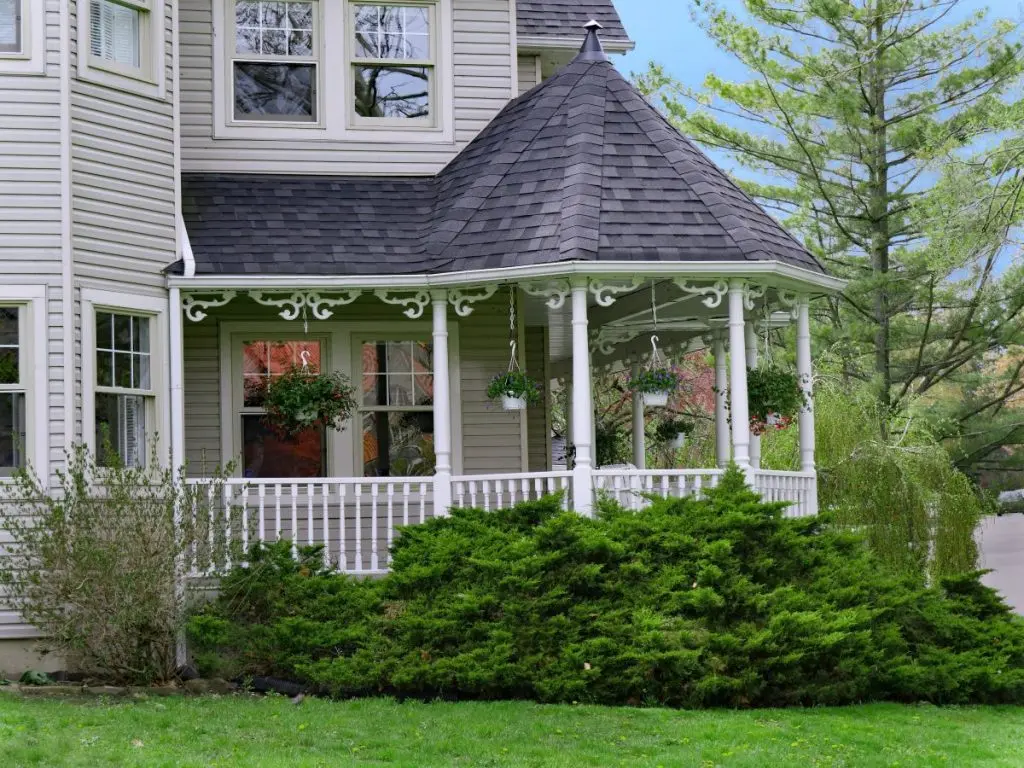
A conical roof is a cone-shaped roof design that is circular at its base and terminates in a point at the peak, most commonly found on residential turrets and towers attached to Victorian, Queen Anne, and Chateauesque style homes across Roseville and surrounding Twin Cities communities. The distinctive cone shape creates immediate architectural interest and evokes historic castle and European design traditions that still appeal to homeowners seeking distinctive curb appeal. Owl Roofing installs asphalt shingles, metal roofing, and specialty materials on conical roof structures across Roseville and surrounding areas as a GAF and Owens Corning certified roofing contractor. This guide breaks down what a conical roof is, where it’s commonly used, real cost information, and when this distinctive design makes sense for a specific home.
- Distinctive design: Cone-shaped roof rising to a single point.
- Common applications: Victorian turrets, gazebos, and custom architecture.
- Real cost data: Installation and replacement pricing for conical roofs.
Understanding Conical Roof Style
Understanding conical roof style starts with the distinctive geometric shape and the specific architectural contexts where the design has historically been used. Owl Roofing works with conical roof sections on Roseville homes during roof replacement projects on Victorian-era homes and other properties with turret features.
What a Conical Roof Is
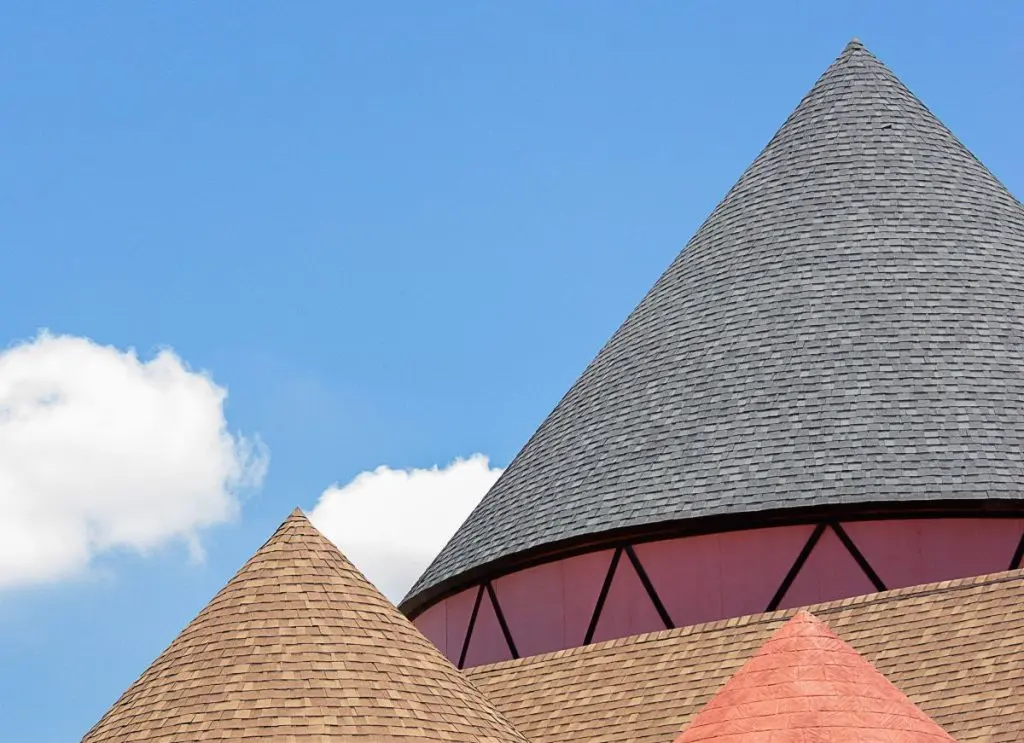
A conical roof is a cone-shaped roof that is circular at its base and rises to a single point at the peak, distinguishing it from pyramidal roofs (which have flat triangular faces) and dome roofs (which have curved surfaces). Owl Roofing finds conical roofs distinctive on Roseville homes because the geometry creates a smooth curved surface that requires specific installation techniques and material choices. The height-to-diameter ratio varies significantly between different conical roof applications, with some being tall and steep (like church spires) and others being shorter and wider (like typical residential turret caps). Materials commonly used on conical roofs include asphalt shingles cut to fit the tapered geometry, standing seam metal in triangular panels, slate, and cedar shingles.
- Cone geometry: Circular base rising to single point.
- Curved surface: Requires specific installation techniques.
- Height variations: Tall spires or shorter turret caps.
- Common materials: Shingles, metal, slate, cedar.
History of the Conical Roof Design
The history of conical roof design traces back centuries to medieval European castle architecture where conical caps topped defensive towers and turrets. Owl Roofing notes that the design became particularly popular during the American Victorian era, with turrets and conical caps appearing on Queen Anne homes across the United States. Bob Vila notes that the Queen Anne architectural style enjoyed its heyday between 1880 and 1910, with turrets among the defining features of the style. The design also appears in Chateauesque architecture influenced by French Renaissance castles, in various church and religious architecture, and in specific modern architectural interpretations. Contemporary residential applications typically evoke this historic character rather than serving purely functional purposes.
- Medieval origins: European castle turrets and defensive towers.
- American Victorian era: Queen Anne heyday 1880 to 1910.
- Chateauesque influence: French Renaissance castle inspiration.
- Modern applications: Typically historic evocation.
5 Common Applications of Conical Roofs
Five main applications cover the majority of conical roof installations Owl Roofing encounters across Roseville and surrounding areas. Each application has specific characteristics that affect the installation approach and material selection.
1. Victorian and Queen Anne Turrets
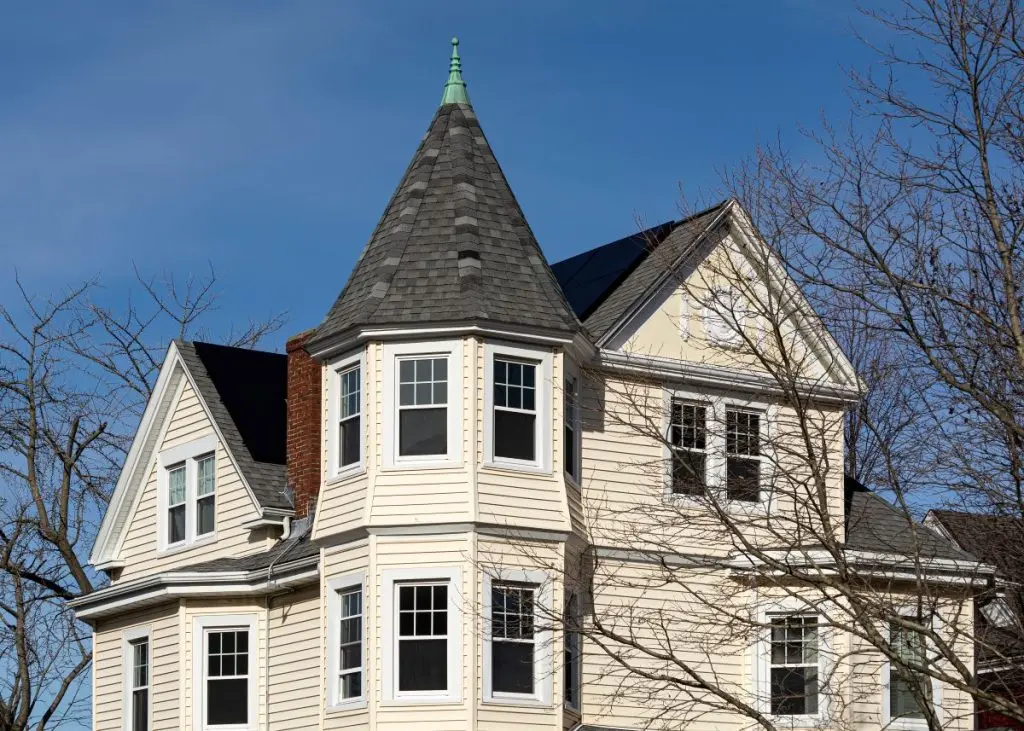
Victorian and Queen Anne turrets are the most common residential application of conical roofs across Roseville and surrounding Twin Cities communities. Owl Roofing installs shingles and metal roofing on Victorian turret conical caps during roof replacement projects on Roseville’s historic homes. The turret typically projects from a corner of the home and rises above the main roofline, with the conical cap providing the finishing touch that defines the Queen Anne aesthetic. Original turret roofs on historic Roseville homes were often clad in slate or cedar shingles, while replacement installations frequently use modern architectural shingles or standing seam metal to achieve durability with authentic appearance.
- Historic context: Queen Anne era 1880 to 1910.
- Placement: Typically projects from home corners.
- Original materials: Slate or cedar shingles common.
- Replacement options: Modern shingles or standing seam metal.
2. Chateauesque and Romantic Revival Homes
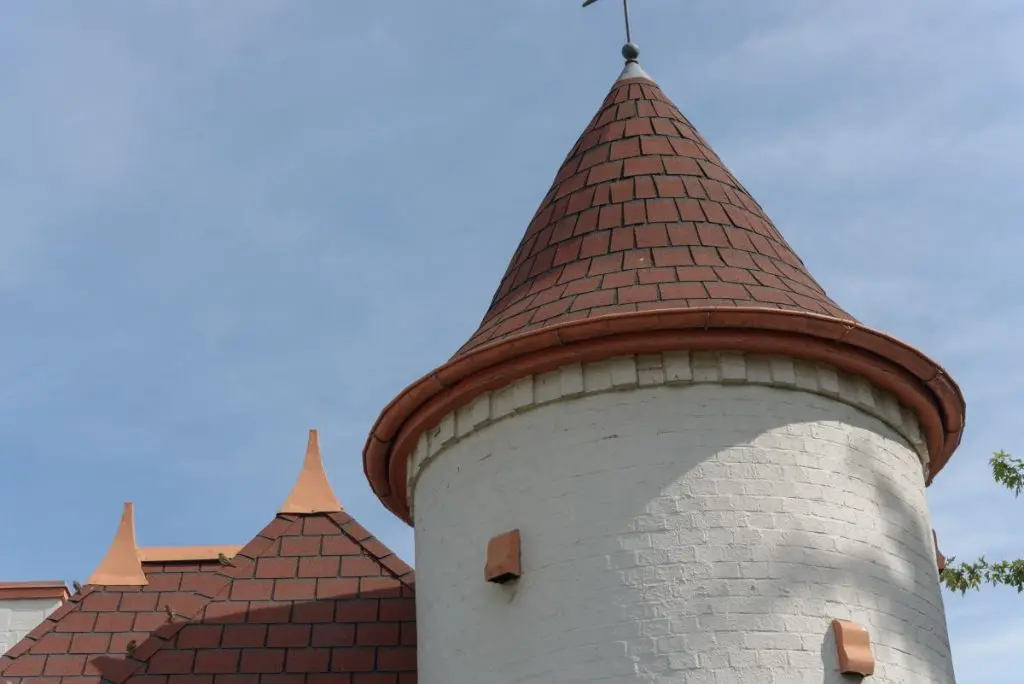
Chateauesque and Romantic Revival homes occasionally feature conical roofs on prominent towers designed to evoke French Renaissance castle architecture. Owl Roofing installs roofing on the occasional Chateauesque home across Roseville where the architectural style calls for dramatic conical elements. These installations typically use slate, tile, or standing seam metal to match the historic French tradition rather than standard asphalt shingles. Chateauesque conical roofs are typically steeper and more prominent than Queen Anne turret caps, making them a significant visual element of the home’s overall composition. The architectural style is relatively rare in Minnesota residential neighborhoods but does appear on some historic mansion properties.
- French Renaissance inspiration: Castle-influenced design.
- Historic materials: Slate, tile, standing seam metal.
- Prominent placement: Steeper and more visible than turrets.
- Minnesota rarity: Primarily on historic mansion properties.
3. Gazebos and Outdoor Structures
Gazebos and outdoor structures represent one of the most common non-residential applications of conical roofs across Roseville. Owl Roofing works with conical roof gazebos on residential properties where homeowners want traditional outdoor gathering spaces with architectural character. Gazebo conical roofs typically use cedar shingles for a natural traditional appearance or asphalt shingles for lower cost and longer service life. The smaller scale of gazebo roofs makes them more approachable installations than full residential turret work, though the curved geometry still requires specific installation techniques. Backyard gazebos, garden pavilions, and outdoor entertainment structures often use conical roof designs for the classic aesthetic.
- Common outdoor use: Backyard gathering structures.
- Material options: Cedar or asphalt shingles typical.
- Smaller scale: More approachable than full turret installations.
- Traditional aesthetic: Classic gazebo character.
4. Modern Custom Architecture
Modern custom architecture occasionally incorporates conical roofs as distinctive design statements on architect-designed homes across Roseville. Owl Roofing works with modern conical roof installations where the architect has specified the design as a signature element of the home’s composition. Contemporary conical roofs typically use standing seam metal, premium composite materials, or specialty shingles that give the traditional shape a modern update. Interior treatment of the conical space often creates dramatic ceiling features like circular rooms with vaulted ceilings or reading nooks with unique overhead architecture. Modern applications frequently combine conical elements with other unusual roof forms to create distinctive architectural statements.
- Architect-designed: Signature element of custom homes.
- Modern materials: Standing seam metal or premium composites.
- Interior effects: Circular rooms with vaulted ceilings.
- Design statement: Distinctive architectural expression.
5. Grain Silos and Utility Structures
Grain silos and utility structures represent a common non-residential application of conical roofs across Roseville’s rural and industrial areas. Owl Roofing occasionally works with conical roof structures on rural properties, though most silo work is handled by specialty agricultural contractors. Silo conical roofs are typically constructed from galvanized steel panels formed into the cone shape at the factory, then delivered and installed on top of the silo body. The utility function differs significantly from residential decorative applications, though the cone geometry serves the same purpose of shedding water and directing runoff away from the structure. Older wooden or metal silos on Roseville properties may occasionally need roof replacement or repair.
- Rural applications: Grain storage and agricultural buildings.
- Steel construction: Factory-formed galvanized panels typical.
- Utility function: Water shedding rather than aesthetic.
- Specialty work: Most silo work handled by agricultural contractors.
Pros and Cons of Conical Roofs
Conical roofs offer both distinct advantages and specific challenges that homeowners considering the design should weigh carefully. Owl Roofing walks Roseville homeowners through the considerations during consultations for turret roof replacements or new conical roof installations.
Pros of Conical Roofs
Conical roofs offer several advantages including distinctive architectural character that stands out from typical roof designs, excellent water and snow shedding due to the steep geometry and single vertical point, dramatic interior spaces with vaulted ceilings in circular rooms, and historic authenticity for Victorian-era homes where turret restoration matters. Owl Roofing finds that Roseville homes with conical turret elements often appraise higher than comparable homes without them because the architectural distinction adds curb appeal and historic character. The steep cone geometry also sheds Minnesota snow effectively, though the transition between the conical section and the main roof requires careful flashing detail to prevent ice dam issues at those junctions.
- Distinctive architecture: Stands out from typical designs.
- Excellent shedding: Steep cone sheds water and snow.
- Interior drama: Vaulted circular room ceilings.
- Historic authenticity: Essential for Queen Anne restoration.
Cons of Conical Roofs
Conical roofs also have specific disadvantages including significantly higher installation cost than standard roof sections, specialized installation labor requirements that limit contractor options, complex flashing details at the transition between the cone and main roof, and material waste from cutting shingles or panels to fit the tapered geometry. Owl Roofing prices Roseville conical roof work at higher rates than standard roof sections because the specialized labor and material handling requirements are significant. Repair work on conical sections also costs more than comparable repairs on flat or standard-pitch roof sections due to the same complexity factors. Homeowners considering adding a new conical element to an existing home should expect substantial cost premiums over conventional roof additions.
- Higher installation cost: Specialized labor increases price.
- Complex flashing: Cone-to-main-roof transitions vulnerable.
- Material waste: Cutting for tapered geometry.
- Repair premium: Similar cost increases for repair work.
Conical Roof Cost in Roseville
The cost of conical roof work in Roseville depends heavily on the size of the conical section, material choice, and whether the work is new installation or replacement of existing roofing. Owl Roofing provides itemized estimates showing the specific cost components for conical roof projects.
Total Conical Roof Installation Pricing
Total conical roof installation pricing for residential turret sections in Roseville typically runs $3,000 to $10,000 for shingle replacement on a standard Queen Anne turret cap, and $6,000 to $18,000 for standing seam metal or premium slate installations on the same turret size. Owl Roofing pricing reflects the specialized labor required for the curved geometry, with per-square-foot costs typically 40 to 100 percent higher than standard roof sections. Full home roof replacements that include conical turret sections typically add 20 to 40 percent to the base project cost compared to homes without turret features. New construction conical roof work is handled by the framing contractor and general contractor rather than by roofing contractors, with Owl Roofing installing the roofing materials once the framed structure is completed.
- Turret shingle replacement: $3,000 to $10,000 typical.
- Turret metal or slate: $6,000 to $18,000 typical.
- Per-square-foot premium: 40 to 100 percent higher than standard.
- Full home with turret: 20 to 40 percent project cost increase.
When a Conical Roof Makes Sense for Your Home
Whether a conical roof makes sense for a specific Roseville home depends on architectural style, historic context, budget, and specific design goals. Owl Roofing works with homeowners on turret roof replacements and new conical element installations across a range of applications.
When to Choose Conical Roof Design
Choose conical roof design when the home is a historic Victorian or Queen Anne property with an existing turret that needs restoration or replacement, when new construction is planned with authentic historic architectural intent, when the property includes a gazebo or outdoor structure where the traditional aesthetic matters, or when a modern architect has specified the design as a signature element. Owl Roofing installs shingles and metal on Roseville conical roof structures during scheduled replacement projects or as part of full home roof replacements that include turret sections. The distinctive appearance and architectural character justify the cost premium for homeowners who value the specific aesthetic.
- Historic restoration: Essential for authentic Queen Anne homes.
- New authentic construction: Historic architectural intent.
- Outdoor gazebo structures: Traditional aesthetic value.
- Architect-specified modern design: Signature element.
When Another Design Works Better
Another roof design works better when the home is contemporary or traditional style without existing conical elements and adding one would look out of place, when budget constraints make the specialized labor costs prohibitive, when the homeowner prefers simpler architecture without the maintenance complexity, or when the specific neighborhood context favors more conventional roof designs. Owl Roofing helps Roseville homeowners evaluate whether conical elements fit the specific home during roofing consultations. Adding new conical elements to homes without historic context typically produces unsatisfying results that don’t justify the significant cost premium.
- Contemporary or traditional homes: Without existing turret elements.
- Budget constraints: Specialized labor cost limitations.
- Simple architecture preference: Less maintenance complexity.
- Neighborhood context: Standard designs may fit better.
Owl Roofing in Roseville
Owl Roofing handles roofing installation, replacement, and repair on conical roof structures across Roseville and surrounding Twin Cities communities. The team installs asphalt shingles, standing seam metal, and specialty materials on existing conical roof structures during roof replacement projects.
Why Homeowners Choose Owl Roofing for Conical Roof Work
Owl Roofing is a strong choice for conical roof work in Roseville because the team installs specialty materials on complex roof geometries with manufacturer-certified expertise, provides free pre-installation inspections with no obligation to proceed, uses GAF and Owens Corning products with certified installation techniques appropriate for curved surfaces, and offers itemized estimates showing every cost component separately. Owl Roofing installs proper underlayment, ice and water shield, and specialty flashing at cone-to-main-roof transitions to prevent leaks that inadequate conical installations commonly develop. Every installation includes manufacturer warranty registration and written documentation of the exact products installed for future reference during resale or service claims.
- Complex geometry expertise: Specialty materials on curved surfaces.
- GAF and Owens Corning certified: Manufacturer-certified expertise.
- Ice and water shield: At all cone transitions.
- Written warranty documentation: Registered on every installation.
Frequently Asked Questions
How Long Does a Conical Roof Last?
A conical roof lasts as long as the roofing material installed on it, with standard asphalt shingle turret roofs in Roseville typically lasting 20 to 25 years and metal or slate installations lasting 40 to 60 years or more. Owl Roofing installs materials appropriate to the specific application, with the underlying conical framing structure typically lasting the full life of the home when properly built and maintained. Regular inspection at cone-to-main-roof transitions helps identify potential problems early.
Can Asphalt Shingles Be Installed on a Conical Roof?
Yes, asphalt shingles can be installed on conical roofs with specialized cutting techniques that accommodate the tapered geometry. Owl Roofing installs asphalt shingles on Roseville turret roofs during standard roof replacement projects using cut-to-fit techniques that maintain proper coverage and appearance. Architectural shingles typically work better than three-tab shingles on conical roofs because the layered profile hides cut lines more effectively.
Do Conical Roofs Leak More Than Regular Roofs?
Conical roofs do not inherently leak more than regular roofs when properly installed, but the transition between the cone section and the main roof is more vulnerable to leaks than standard roof intersections. Owl Roofing installs ice and water shield and specialty flashing at all Roseville conical roof transitions to prevent water infiltration at these vulnerable points. Regular inspection at these transitions helps identify potential problems before they cause interior damage.
How Much More Does a Conical Roof Cost Than a Regular Roof?
A conical roof typically costs 40 to 100 percent more per square foot than a regular roof section due to specialized labor, complex material handling, and material waste from cutting for the tapered geometry. Owl Roofing pricing for Roseville turret sections reflects these premium costs. Full home roof replacements with turret sections typically cost 20 to 40 percent more than comparable homes without conical elements.
Can I Add a Conical Roof to My Existing Home?
Adding a conical roof to an existing home requires significant structural work that goes beyond typical roofing scope, and should be evaluated by an architect or general contractor rather than a roofing contractor alone. Owl Roofing can install the roofing materials once the new conical structure is completed by the framing contractor, but the structural work itself is outside standard roofing scope. Adding turret elements to homes without historic context often produces disappointing aesthetic results.
Does Owl Roofing Repair Conical Roof Sections?
Yes, Owl Roofing repairs conical roof sections on Roseville homes with damaged or leaking turret roofs. Repair work typically addresses damaged shingles, worn flashing at cone transitions, or ice dam damage at vulnerable transition points. Owl Roofing provides free inspections of conical roof sections during roofing consultations to identify repair needs before they become larger problems.
Get Your Free Roof Consultation Scheduled
Owl Roofing handles roofing installation, replacement, and repair on conical roof structures across Roseville and surrounding Twin Cities communities with insurance claim coordination, emergency repair availability, free inspections, financing options, and a maintenance program designed to protect the roof investment for its full service life. Every Owl Roofing consultation includes physical shingle samples viewed in natural light and property-specific recommendations so Roseville homeowners can evaluate roofing options for conical sections with objective information.
Contact Owl Roofing to schedule a free consultation for your Roseville home and receive a written estimate that breaks down the cost for roofing work on your conical roof section.

Recent Articles
Explore The Blog