



Golf Ball-Sized Hail Hits Faribault, MN (April 13, 2026) What To Do
 11min Read
 Posted 4.13.2026
Updated: Monday, April 13, 2026 — 4:00 PM CDT
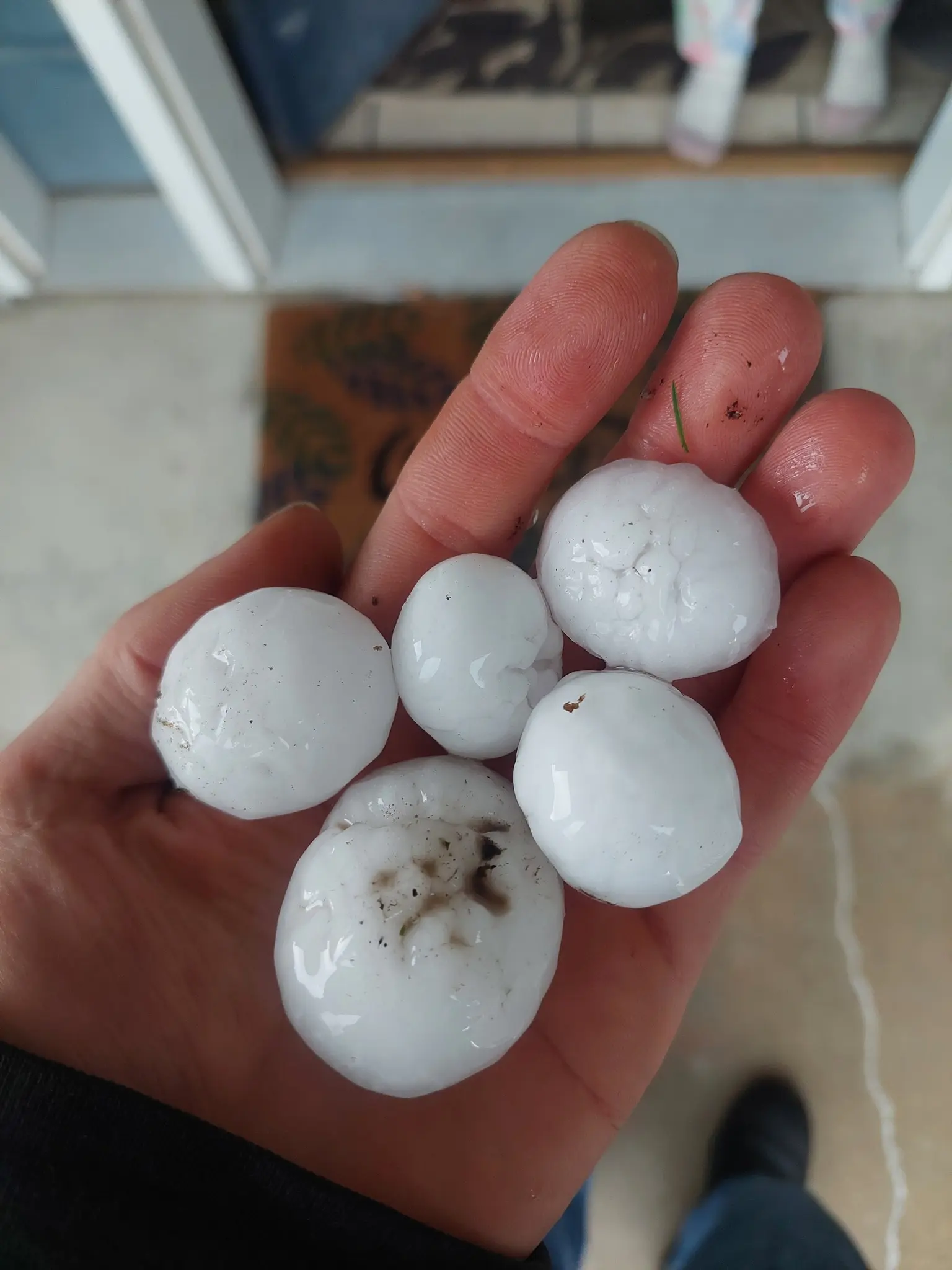
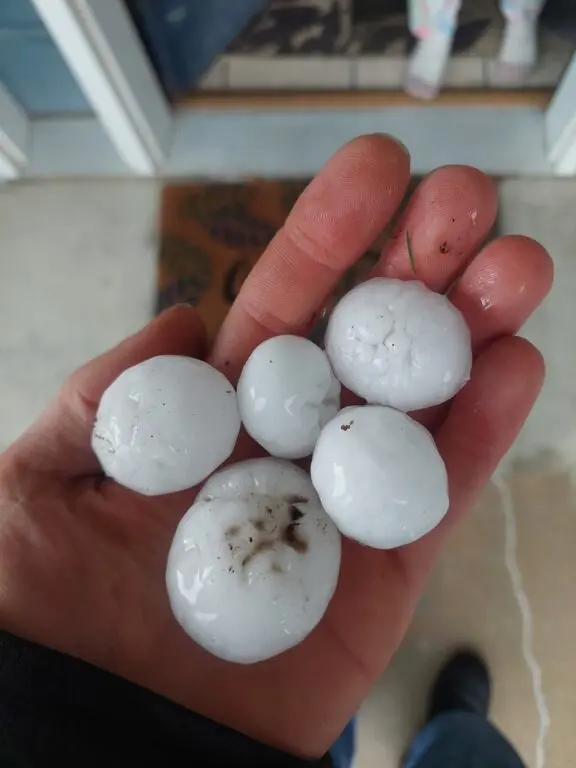
Golf ball-sized hail has been reported near Faribault, Minnesota this afternoon as a severe thunderstorm moved through Rice County. The National Weather Service issued a Severe Thunderstorm Warning for Rice County at approximately 3:11 PM CDT, in effect until 4:00 PM CDT, citing 60 mph wind gusts and large hail. Fox 9 storm chasers confirmed golf ball-sized hail on the ground near Faribault.
This is the third significant hail event to hit the Faribault area since 2022 — following the April 2022 storm and the catastrophic August 2023 event that produced baseball-sized hail and caused an estimated $1.8 billion in regional damage. Today’s storm is part of a broader south-central Minnesota severe weather outbreak, with the Storm Prediction Center warning of tornadoes (EF2–EF5 possible), damaging winds, and very large hail through Monday evening.
What Faribault Homeowners Should Do Right Now
If you’re in Faribault or Rice County, here’s the order of operations once the storm passes:
- Stay inside until the warning expires. The severe thunderstorm warning for Rice County runs through at least 4:00 PM CDT. Additional waves of storms are possible through Monday evening.
- Document immediately once it’s safe. Walk your property and take timestamped photos and video of anything that looks damaged — roof surface (from ground level), gutters, downspouts, siding, vehicles, and any outdoor equipment. Granule accumulation in your gutters and downspouts is one of the most reliable early indicators of shingle damage even before you can see it from the ground.
- Don’t get on your roof. Wet roofs after storms are extremely dangerous. A licensed contractor with proper safety equipment should do the on-roof inspection.
- Contact your insurance company to open a claim. Do this within 24–48 hours of the storm. Minnesota law generally gives homeowners one year from the date of loss to file, but opening the claim quickly establishes your timeline and protects you if the damage is worse than it initially appears.
- Schedule a free professional inspection. Golf ball-sized hail causes deep shingle bruising, micro-fractures, and granule loss that isn’t visible from the street. A photo-documented inspection from a certified contractor is what you’ll need to submit to your adjuster.
What Golf Ball-Sized Hail Actually Does to Your Roof
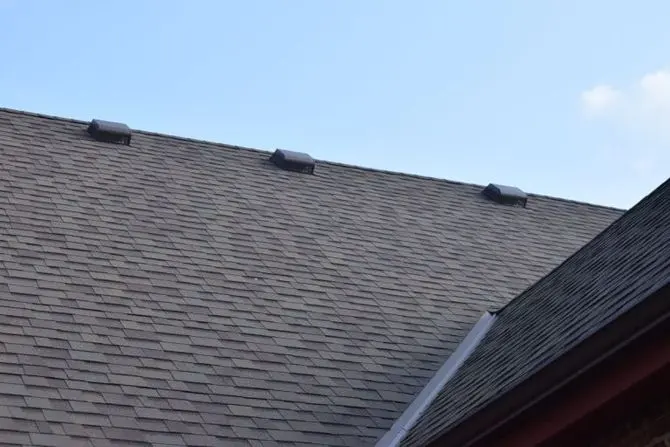
Golf ball hail — roughly 1.75 inches in diameter — hits asphalt shingles with enough force to fracture the fiberglass mat beneath the granule surface. From the street, your roof may look completely fine. Up close, you’ll find:
- Granule loss: Dark, bald spots on shingles where the protective granule layer has been knocked away. Exposed asphalt degrades significantly faster under UV exposure.
- Bruising: Soft spots in the shingle where the mat beneath is cracked or fractured. These don’t seal properly and become entry points for moisture.
- Dented metal: Check gutters, downspouts, flashing, and any metal trim. Denting is the clearest visual indicator of hail impact and strengthens an insurance claim.
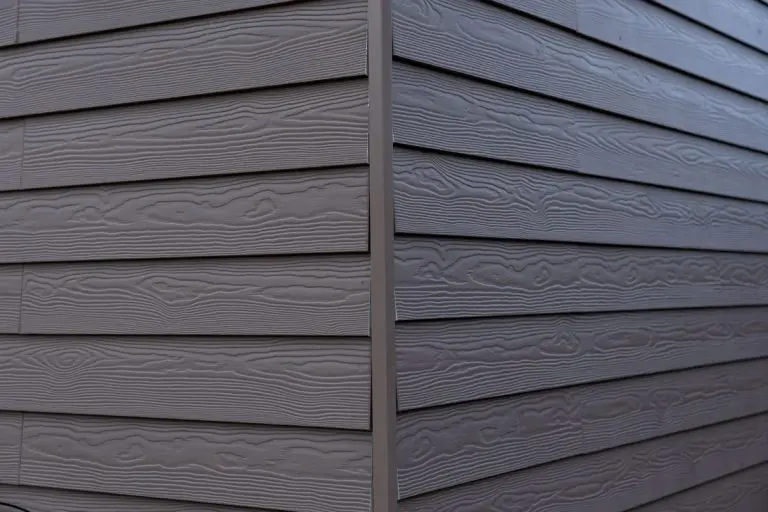
- Siding damage: Vinyl and fiber cement siding crack or dent under golf ball hail. Check all exterior-facing walls, especially north and west exposures.
Damage from today’s storm may not cause an immediate leak. But compromised shingles deteriorate far faster than undamaged ones — a roof that should last another 10 years may fail in 3–5 if the damage goes unaddressed.
This Is Your Third Strike — Is It Time for a Full Replacement?
Faribault homes that have been through April 2022, August 2023, and now April 2026 have three rounds of cumulative impact on their shingles. Even if previous storms didn’t trigger a full replacement, compounding hail damage across multiple events degrades shingles significantly faster than a single event would. If your roof is more than 10 years old and has been through all three storms, a full replacement is worth evaluating — particularly if today’s event is insurance-eligible.
Owl Roofing is scheduling free storm damage inspections in Faribault and Rice County. We provide photo documentation, written damage reports, and full insurance claim support at no extra cost. Call 651-409-8469 or visit owlroofing.com to schedule.
Watch Out for Storm Chasers
Within 24–48 hours of a major hail event in a community like Faribault, door-to-door roofing crews from out of state arrive in force. They offer quick inspections and low bids, then disappear before the warranty ever matters. Before signing anything with any contractor — including Owl — verify their MN DLI residential roofing license at dli.mn.gov and request a current certificate of insurance. It takes 60 seconds and protects you completely.
How to Navigate Your Insurance Claim After the April 13 Storm
If your Faribault home was in the path of today’s storm, here’s how the insurance claim process works step-by-step — and where homeowners typically lose money by not knowing the process:
- Open your claim promptly. Call your insurer within 24–48 hours of the storm to establish your date of loss. Minnesota law generally gives you one year from the event date to file, but early filing establishes a clear record and gets an adjuster scheduled faster.
- Get a certified contractor to inspect first. Before your insurer’s adjuster arrives, have a contractor document the full scope of damage. This report is your baseline. If the adjuster’s estimate is lower, your contractor can use your documentation to file supplements — which is how legitimate underpaid claims get corrected.
- Be present for the adjuster inspection. Walk the roof with the adjuster if possible, or have your contractor present on your behalf. Adjusters working dozens of claims post-storm often miss secondary damage (gutters, flashing, vents, siding). Your contractor can point it out in real time.
- Review the scope of loss carefully. When your insurer issues the initial estimate, compare it line-by-line with your contractor’s scope. Missing items — especially decking replacement, ice-and-water shield, starter strips, and ridge cap — are common. Your contractor can file a supplemental claim for anything omitted.
- Understand recoverable depreciation. Most policies issue an initial payment for actual cash value (ACV), holding back depreciation. Once the work is complete, you can claim the recoverable depreciation — sometimes thousands of dollars — as a final payment. Don’t skip this step.
- Final payment and close. After work completion, your contractor submits a certificate of completion and you request the final depreciation release from your insurer. Your only out-of-pocket cost should be your deductible.
What Your Homeowner’s Insurance Covers in Faribault
After a major hail event like April 13, 2026, here’s what a standard HO-3 homeowner’s policy typically covers in Minnesota:
- Roof replacement: Yes — if the storm caused sudden, direct physical damage. The insurer pays replacement cost value (RCV) minus your deductible, with depreciation held initially and released after completion.
- Gutters and downspouts: Yes — if hail damaged them. Often missed in initial adjuster estimates.
- Siding damage: Yes — if hail cracked, dented, or otherwise damaged siding panels. On older homes, matching replacement siding is sometimes not available, which can trigger a broader siding claim.
- Window screens, skylights, and AC units: Often covered. Hail dents aluminum fins on AC condensers, reducing efficiency — this is a separate covered item.
- Interior water damage: If hail compromised your roof and water entered the home, resulting interior damage is typically covered.
- Detached garage, fence, shed: Yes, under Other Structures coverage (typically 10% of dwelling coverage).
Note: Wear and tear, pre-existing damage, and damage from maintenance failures are not covered. That’s why timing and documentation matter — your contractor’s timestamped report ties the damage to today’s specific storm event.
Is Class 4 Impact-Resistant Roofing Worth It After This Storm?
If you’re replacing your Faribault roof after the April 13 storm, this is the right moment to evaluate Class 4 impact-resistant shingles. Here’s why the math often works:
- Performance: Class 4 shingles are rated to withstand 2-inch steel ball drop tests that simulate large hail. Standard shingles fail at smaller impact sizes. Given that Faribault has seen 2–3 inch hail in 2023 and 2026, the performance difference is not theoretical.
- Insurance premium discounts: Most Minnesota insurers discount premiums 15–30% for Class 4 roofs — typically $200–$500 per year. Over a 25-year shingle lifespan, that’s $5,000–$12,500 in cumulative savings.
- Upfront cost premium: Class 4 shingles typically add $1,500–$3,000 to a full replacement over standard architectural shingles. The insurance savings recover that premium in 4–8 years.
- Better resale position: A Class 4 roof is a documentable upgrade that buyers and their inspectors notice — particularly relevant in a market with Faribault’s storm history.
Ask your contractor specifically about Class 4 options when requesting your estimate. Not all contractors stock Class 4 products — GAF-certified installers like Owl Roofing have access to the full product line.
Frequently Asked Questions
Is golf ball-sized hail enough to file an insurance claim in Faribault?
Yes. Golf ball-sized hail (approximately 1.75 inches) consistently causes insurable damage to asphalt shingles, gutters, siding, and other exterior surfaces. After today’s April 13, 2026 storm in Rice County, virtually any home in the path of documented hail has a legitimate claim worth filing. A free inspection from a certified contractor will document the damage before you commit to anything.
How long do I have to file a hail damage claim in Minnesota?
Minnesota homeowners generally have one year from the date of the storm event to file a claim. For the April 13, 2026 storm, your deadline is April 2027. However, filing quickly is strongly recommended — documentation is strongest in the days immediately following the event, and adjuster schedules fill fast after major regional storms.
What does hail damage look like on a roof?
From the ground, hail damage is often invisible. On the roof surface, look for: dark bald spots where granules have been knocked away, soft spots or bruising in the shingle body where the fiberglass mat is fractured, and round impact marks (not random scuffing) concentrated on flat shingle surfaces. Dented gutters, downspouts, and metal flashing are the clearest visible indicators from ground level.
Should I get on my roof to check for hail damage myself?
No — especially immediately after a storm. Wet roofs are extremely dangerous, and amateur inspections miss the nuanced damage patterns that matter for insurance claims. A certified contractor with safety equipment and insurer-accepted documentation practices is the right tool here. Most offer free inspections.
What is a supplement claim and why does it matter?
A supplement claim is filed when your contractor’s scope of work exceeds what the insurance adjuster initially approved. This is common — adjusters working quickly after major storms frequently miss secondary damage items like decking replacement, ice-and-water shield, starter strips, and ridge cap. Your contractor submits documentation of the missed items and requests a revised settlement. Legitimate supplement claims are paid routinely.
Does Owl Roofing serve Faribault after the April 13 storm?
Yes. Owl Roofing is scheduling free storm damage inspections in Faribault and throughout Rice County starting immediately. We provide timestamped photo documentation, written damage reports, and full insurance claim support including adjuster attendance. Call 651-409-8469 or schedule at owlroofing.com.

Recent Articles
Explore The Blog