



Full Roof Replacement Guide 2026: Cost, Steps & Timeline
 15min Read
 Posted 6.10.2026
A full roof replacement is one of the largest home improvement investments most homeowners will ever make, with installed costs ranging from $11,000 to $25,000 in 2026 for a typical Minnesota single-family home. Understanding what you are paying for, how the process unfolds, and how long the work actually takes can save thousands of dollars and reduce the stress of an unfamiliar project. This guide walks through every stage of a roof replacement from initial inspection through final cleanup, what each step costs, and what homeowners across Maplewood and surrounding areas should expect from start to finish. As a provider of expert roofing solutions, Owl Roofing is committed to delivering durable, high-quality results. Choosing a reputable roofing contractor is essential to ensure your full roof replacement is handled professionally and efficiently.
- 2026 installed cost: Real per-square-foot pricing and total project ranges for Twin Cities homes—costs and processes can vary among roofing companies.
- Step-by-step process: What happens during tear-off, installation, and cleanup.
- Realistic timeline: How long each stage takes from contract signing to final walkthrough.

What Is a Full Roof Replacement?
A full roof replacement is the complete removal of an existing roof down to the wood decking and installation of an entirely new roofing system including underlayment, flashing, shingles, and accessories. This process ensures your new roof is built for durability and long-term protection. The work goes well beyond simple repair or patching and gives the home a fresh starting point with a new manufacturer warranty period, updated wind, fire, and impact ratings, and an expected lifespan that maximizes your investment.
What Does a Full Roof Replacement Include?
A full roof replacement includes tear-off of the old shingles and underlayment, decking inspection and repair, installation of ice and water shield, installation of synthetic underlayment, new flashing at all penetrations, new starter strip, new architectural shingles, new ridge cap, new attic ventilation if needed, and final cleanup with a magnetic nail sweep. The scope distinguishes a true full replacement from a layover, which simply adds new shingles on top of the existing roof and skips the most important parts of the inspection process. Layovers are still legal in many jurisdictions but void most manufacturer enhanced warranties and prevent assessment of underlying decking condition. For homeowners across Maplewood and surrounding areas, Owl Roofing recommends full tear-off in nearly every case because the warranty access, decking visibility, and ventilation upgrade opportunities all matter for long-term performance.
- Complete tear-off: Removes all existing roofing materials down to the wood deck.
- Decking inspection: Identifies rot, damage, or structural issues before new roof goes on.
- Full system installation: Underlayment, flashing, shingles, and ridge cap all replaced.
- Warranty access: Full systems qualify for enhanced manufacturer warranty tiers.
How Is a Full Roof Replacement Different From Roof Repair?
A full roof replacement covers the entire roof surface with new materials, while a roof repair addresses isolated damage on an otherwise sound roof. Minor repairs or a temporary fix may be appropriate for newer roofs with limited damage, but these are often not a long-term solution for older roofs. Repairs make sense when damage is confined to a small area, the surrounding shingles are under 10 years old, and the rest of the roof has remaining service life. However, repairs on older roofs are typically temporary and may not be cost-effective compared to replacement. Most roofs have a lifespan of 20 to 25 years; if repairs are frequent and the roof is nearing this age, a full roof replacement is a cost-effective, long-term solution that prevents ongoing issues and offers better protection and value. Replacement makes sense when the roof is past 20 years old, shows widespread granule loss or curling, has been damaged across multiple slopes, or has reached the point where repair costs are accumulating year over year. Insurance claims after major hail or wind events frequently result in full replacements because adjusters recognize that partial repairs cannot achieve a uniform finished appearance with the matching shingle colors and aging. Owl Roofing provides free inspections that document the actual condition of the roof so homeowners can make the right call based on real data.
- Localized damage: Small leaks or isolated shingle damage favor minor repairs.
- Widespread aging: Granule loss, curling, or 20+ year roofs favor replacement as a long-term solution.
- Insurance claims: Major storm damage often justifies full replacement.
- Cost accumulation: Multiple repairs per year usually signal it is time for a cost-effective replacement rather than a temporary fix.
5 Steps in a Full Roof Replacement
A typical full roof replacement follows a predictable five-step sequence from initial inspection through final cleanup. Before starting, homeowners should consider key factors such as cost, the age of the existing roof, material choice, and specific roofing characteristics like size and location. Understanding each step helps homeowners know what to expect and what questions to ask their contractor during the process.
1. Initial Inspection and Estimate
The full roof replacement process begins with an on-site inspection where a roofing professional measures the roof, evaluates current condition, identifies any structural concerns, and documents the scope of work needed. The inspection typically takes 30 to 60 minutes and includes interior attic checks for moisture, ventilation, and decking condition along with exterior assessment of shingles, flashing, ridge vents, and gutters. Owl Roofing provides written estimates with line-item pricing for materials, labor, accessories, disposal, and any decking allowance after the inspection is complete. Homeowners across Maplewood and surrounding areas typically receive their estimate within 24 to 48 hours so they have time to review the details and ask questions before signing. The inspection is always free with no obligation to proceed.
- Roof measurement: Aerial measurement tools and on-site verification for accurate sizing.
- Attic inspection: Checks moisture, ventilation, and decking integrity from below.
- Written estimate: Line-item breakdown of materials, labor, and disposal costs.
- No obligation: Free inspection with no pressure to schedule.
2. Contract Signing and Material Selection
Once the estimate is approved, homeowners sign a contract that locks in pricing, scope, timeline, warranty registration, and payment terms before any material ordering happens. Color selection and product tier decisions happen during this stage, with Owl Roofing providing physical shingle samples that homeowners can view on the actual roof in natural light before committing. Insurance claim documentation, financing applications, and permit pulls also occur at this stage when applicable. Most projects are scheduled within two to six weeks of contract signing depending on the season and crew availability, with spring and fall being the busiest periods across Maplewood and surrounding areas. The contract should clearly state the warranty tier being registered, the specific products being installed, and any decking allowance for issues discovered during tear-off.
- Locked pricing: Final cost confirmed before material ordering begins.
- Color selection: Physical samples viewed on the actual roof in natural light.
- Permit pulls: Required permits handled by the contractor in most jurisdictions.
- Scheduling: Typically two to six weeks between contract and installation start.
3. Tear-Off and Decking Inspection
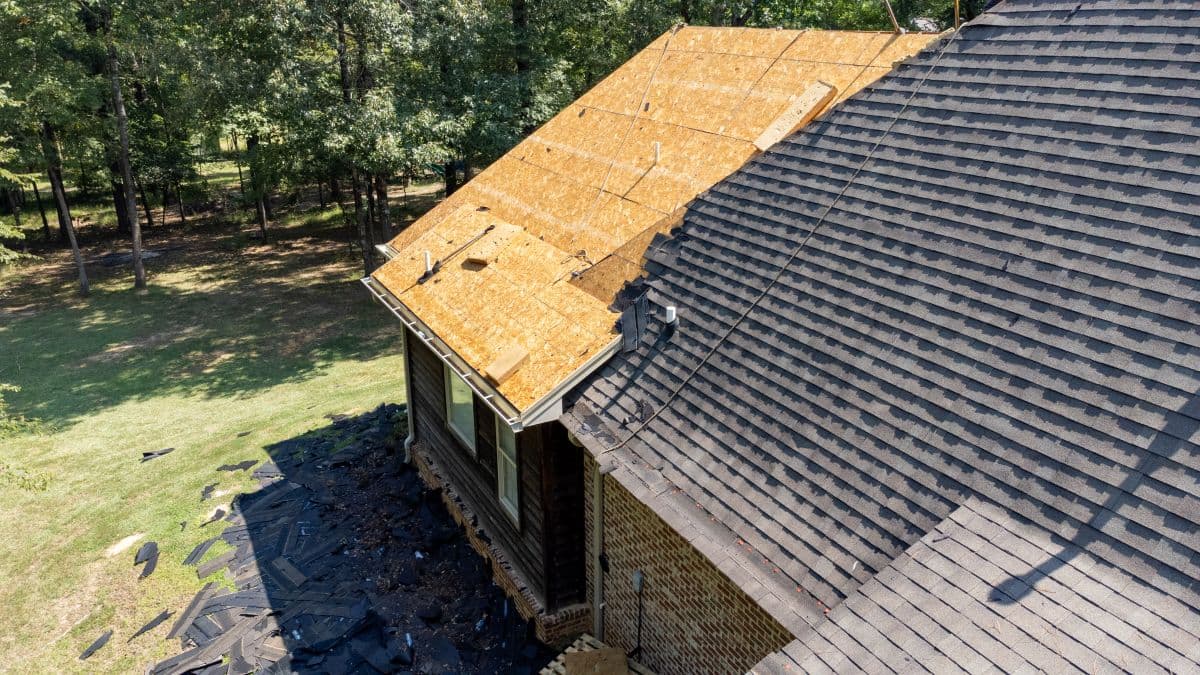
On the first day of installation, the crew arrives early in the morning, sets up safety equipment and ground protection, and begins tearing off the existing roof down to the wood decking. The tear-off phase is the loudest and messiest part of the work and typically takes two to four hours for a standard 2,000 square foot home. After the old roof is removed, the crew inspects the exposed decking for rot, damage, or other issues that need repair before new materials go on. According to OSHA, falls are the leading cause of work-related deaths among residential construction workers, which is why professional crews follow strict safety protocols throughout tear-off and installation. Any decking replacement is documented with photos and billed at the per-sheet rate specified in the contract.
- Early start: Crews typically begin between 7 AM and 8 AM.
- Loud phase: Tear-off generates the most impact noise of any installation stage.
- Decking exposure: First opportunity to inspect wood deck condition in years.
- Documentation: Any decking damage is photographed before replacement.
4. New Roof System Installation
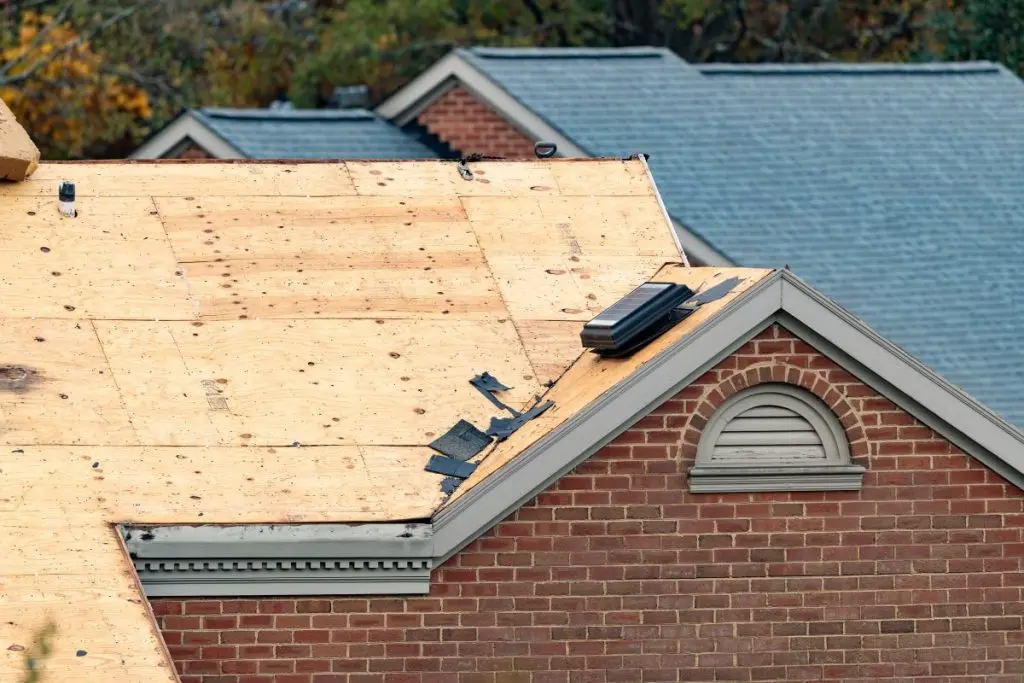
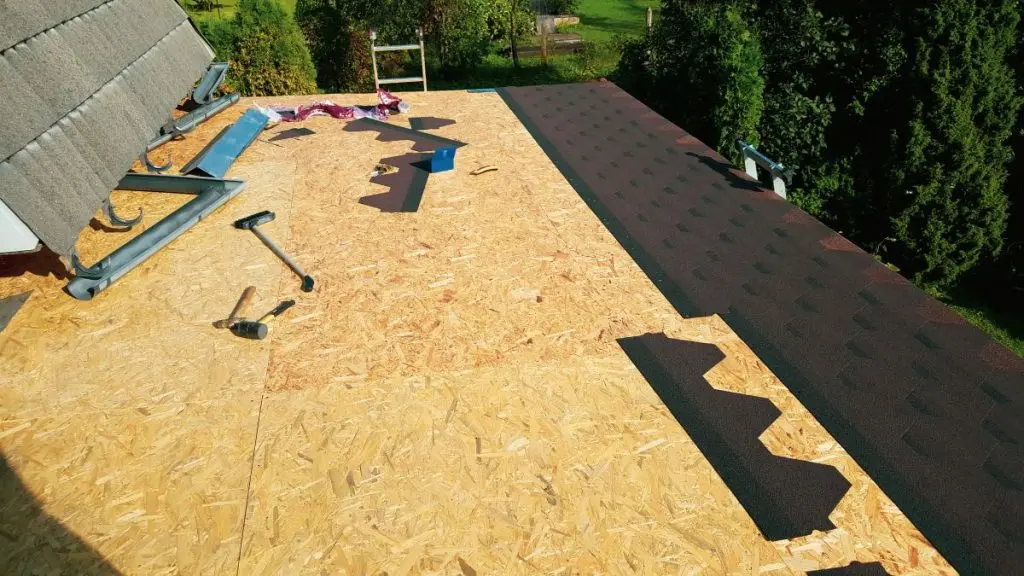
After tear-off and decking repair, the crew installs the full new roof system starting from the bottom of the roof and working upward. Ice and water shield goes down first along the eaves and in valleys, followed by synthetic underlayment across the entire roof deck, then drip edge along all eaves and rakes, new flashing at chimneys and roof penetrations, starter strip along the eaves, and finally the new architectural shingles installed in a staggered pattern from the bottom up. Ridge cap shingles finish the work at the peaks, and any ridge vents or attic ventilation upgrades are installed at this stage. Installation of the new system typically takes the longest portion of the work, usually four to eight hours depending on roof size and complexity. The asphalt shingle industry has settled around architectural shingles as the standard, and the Remodeling Magazine 2024 Cost vs. Value Report shows that a typical asphalt shingle roof replacement returns 61.1 percent of its cost at resale, making it one of the strongest exterior improvements for resale recovery.
- Layered installation: Ice barrier, underlayment, flashing, shingles, ridge cap in sequence.
- Ventilation upgrades: Ridge vents or new exhaust components installed at this stage.
- Manufacturer specs: Each layer installed per the warranty registration requirements.
- Mid-day work: Installation phase is steady and methodical rather than chaotic.
5. Cleanup and Final Walkthrough
The final stage of a full roof replacement is comprehensive cleanup followed by a walkthrough with the homeowner to confirm the work meets expectations. Crews use magnetic sweepers to collect any nails or metal debris from driveways, walkways, and lawns, then haul all old roofing materials to the dumpster for disposal. The project lead walks the perimeter of the home with the homeowner, points out the new ridge vents and flashing, explains warranty registration timing, and answers any final questions. Most homeowners across Maplewood and surrounding areas appreciate doing the walkthrough same-day so the work is fresh and any concerns can be addressed immediately. Owl Roofing also provides written documentation of the work completed, warranty registration confirmation within 60 days, and contact information for any future warranty or maintenance needs.
- Magnetic sweep: All nails and metal debris collected from ground areas.
- Dumpster removal: Old roofing materials hauled away during cleanup.
- Same-day walkthrough: Final inspection completed while details are fresh.
- Warranty registration: Documentation completed within 60 days of installation.
How Much Does a Full Roof Replacement Cost in 2026?
As of 2026, the national average roof replacement cost ranges from $5,800 to over $47,000, with a typical average around $9,500. Labor costs typically account for 40 to 60 percent of the overall cost of a roof replacement, and removal costs can range from $1 to $5 per square foot depending on the material. In the Twin Cities metro, a full roof replacement generally costs $7.50 to $12.50 per square foot installed, putting a standard 2,000 square foot home in the $15,000 to $25,000 range. Roof replacement costs, overall cost, and total cost are influenced by factors such as roof complexity, roof size (with larger roofs incurring higher expenses), the age of the home (as an old house may require more extensive repairs), and geographic location, which affects labor, materials, and building regulations. Pricing also depends on material tier, accessory selections, and the condition of the underlying decking discovered during tear-off.
What Are the Cost Ranges by Material?
Different shingle products carry meaningfully different installed costs, and the right material depends on budget, length of homeownership, and storm exposure. Royal Sovereign 3-tab shingles typically install at $5.50 to $7.50 per square foot for budget-conscious projects. Timberline HDZ architectural shingles install at $7.50 to $10.50 per square foot for the most common mid-tier replacement. Timberline UHDZ and AS II Class 4 impact-rated shingles install at $9.50 to $12.50 per square foot for homeowners who want maximum hail resistance. Designer shingles like Camelot II or Glenwood install at $11.00 to $15.00 per square foot for premium aesthetics. Metal roofing runs significantly higher at $14.00 to $22.00 per square foot installed.
Compared to other roofing companies, Owl Roofing specializes in comprehensive roof replacement repairs, offering full roof replacement repairs that include complete tear-offs, high-quality installations, and repairs with quick turnaround times and superior craftsmanship.
- 3-tab Royal Sovereign: $5.50 to $7.50 per square foot installed.
- Architectural Timberline HDZ: $7.50 to $10.50 per square foot installed.
- Class 4 impact-rated: $9.50 to $12.50 per square foot installed.
- Designer shingles: $11.00 to $15.00 per square foot installed.
What Other Factors Affect the Final Price?
Several factors beyond material choice affect the final price of a full roof replacement, and understanding them helps homeowners budget accurately. It’s important to consider the full scope of your roofing project and ensure you receive a fair price for the work. Roof complexity drives labor cost most significantly, with cut-up roofs containing valleys, dormers, skylights, and multiple pitches costing more than simple gable roofs. Steeper roofs require additional safety equipment and slower work, which adds 10 to 25 percent to labor cost. Existing layer count matters because tear-off of two or more layers costs more than removing a single layer. Decking damage discovered after tear-off adds $2 to $4 per square foot for affected areas, which is why a written estimate should always include a per-sheet decking allowance. Permit fees vary by municipality across Maplewood and surrounding areas but typically run $100 to $400 per project.
- Roof complexity: Cut-up roofs cost more than simple gables.
- Pitch: Steeper roofs add 10 to 25 percent to labor cost.
- Decking repair: Damaged wood adds $2 to $4 per square foot.
- Permit fees: Local fees typically range from $100 to $400.
How Long Does a Full Roof Replacement Take?
A full roof replacement timeline runs from initial inspection through final walkthrough and typically spans two to six weeks total, with the actual installation completed in one to three days. Understanding the full timeline helps homeowners plan around the work and set realistic expectations.
What Is the Full Timeline From Contract to Completion?
The complete timeline for a full roof replacement starts with the free inspection, then moves through estimate delivery (24 to 48 hours), contract signing and color selection (same day to one week), material ordering and scheduling (1 to 4 weeks depending on season), installation (1 to 3 days), and final cleanup and walkthrough (same day as installation completion). Spring and fall are the busiest installation seasons across Maplewood and surrounding areas, with summer offering faster scheduling and winter being possible but limited by temperature. Insurance claim projects add an additional 2 to 4 weeks for adjuster inspections, claim approval, and supplemental documentation. Owl Roofing provides a specific schedule estimate during contract review so homeowners know exactly what to expect.
- Inspection to estimate: 24 to 48 hours from on-site visit to written estimate.
- Contract to installation: 1 to 4 weeks depending on season and crew availability.
- Installation duration: 1 to 3 days from tear-off to final cleanup.
- Insurance claims: Add 2 to 4 weeks for adjuster and claim processing.
Frequently Asked Questions
How Often Should a Roof Be Replaced?
Architectural asphalt shingle roofs typically need replacement every 25 to 30 years in Minnesota with proper installation and adequate attic ventilation. 3-tab shingles need replacement every 15 to 20 years under the same conditions. Storm damage, poor ventilation, or inadequate flashing can shorten the achievable lifespan significantly.
Can a Full Roof Replacement Be Done in Winter?
Yes, a full roof replacement can be done in winter, though most contractors prefer temperatures above 40 degrees Fahrenheit for optimal shingle sealing. Cold-weather installations use modified adhesives and may require hand-sealing tabs that would otherwise activate from solar heat. Owl Roofing schedules winter work when conditions allow and recommends spring or fall when timing is flexible.
Do I Need a Permit for a Full Roof Replacement?
Yes, most Twin Cities municipalities require a building permit for any full roof replacement, with fees typically ranging from $100 to $400 depending on the city. Permit pulls are handled by the contractor as part of the project scope. Permits ensure inspection compliance and protect both the homeowner and the insurance position.
Will My Homeowners Insurance Cover a Full Roof Replacement?
Homeowners insurance covers a full roof replacement when the existing roof has sustained covered damage from storms, hail, or other insured events. Wear-and-tear replacement of an aging roof is not covered under standard policies. Owl Roofing specializes in insurance claims and handles adjuster coordination, supplemental documentation, and claim approval as a standard part of storm damage projects.
Should I Get Multiple Estimates Before Choosing a Contractor?
Yes, getting two to three estimates is a reasonable practice for a major investment like a full roof replacement, though the lowest bid is rarely the best choice. Differences between estimates often reflect material quality, warranty access, crew experience, and company overhead rather than markup. Verify that each estimate includes the same scope, materials, and warranty tier before comparing prices.
What Should I Do to Prepare for the Installation?
Preparation for a full roof replacement includes moving vehicles away from the driveway, covering attic contents to protect from dust, removing fragile items from upper shelves, and securing pets in a quiet area of the home. Vibration from nailing can shake loose wall hangings and dislodge items on shelves, so a basic walk-through of the upper floors before installation day is worth the effort. Owl Roofing provides a preparation checklist during the pre-installation walkthrough.
Why Owl Roofing Is the Right Choice for Your Full Roof Replacement
A full roof replacement is a significant investment that deserves a contractor who delivers quality installation, clear communication, and long-term warranty protection. Owl Roofing combines GAF and Owens Corning certified installation expertise with insurance claims specialization, emergency repair availability, fast turnaround, free inspections, financing options, and a maintenance program designed to protect the roof investment for its full service life across Maplewood and surrounding areas. Every full roof replacement comes with the appropriate manufacturer warranty package plus Owl Roofing’s own workmanship guarantee for complete coverage from material defects through installation quality.
Ready to start planning your full roof replacement? Reach out to Owl Roofing today to schedule a free inspection.

Recent Articles
Explore The Blog