What Are Roof Eaves? 4 Types, Benefits & Common Issues
 5min Read
 Posted 5.06.2026
Understanding roof eaves is important for homeowners who want to protect their roof structure and improve overall home performance. Roof eaves extend beyond the exterior walls and help direct water away from the home while supporting ventilation and protecting siding.
Although roof eaves may seem like a simple design feature, they play a major role in preventing moisture damage and improving the durability of residential roofing systems.
Homeowners should understand:
- What roof eaves are: Where they are located and how they function.
- Types of eaves: Common design variations used on homes.
- Maintenance needs: How to prevent common problems over time.
What Are Roof Eaves and How Do They Work?
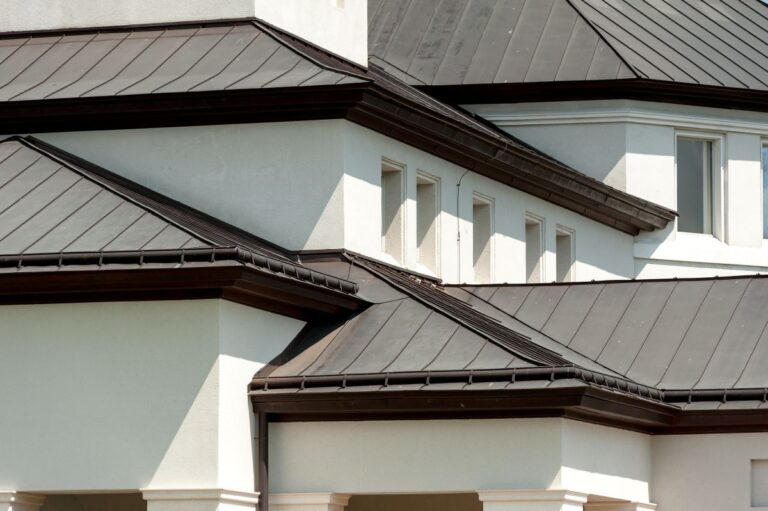
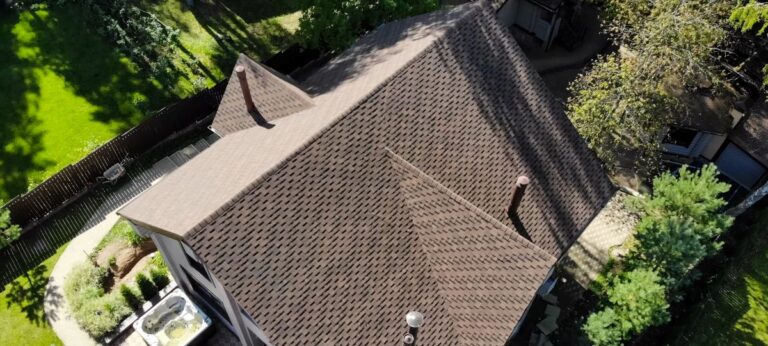
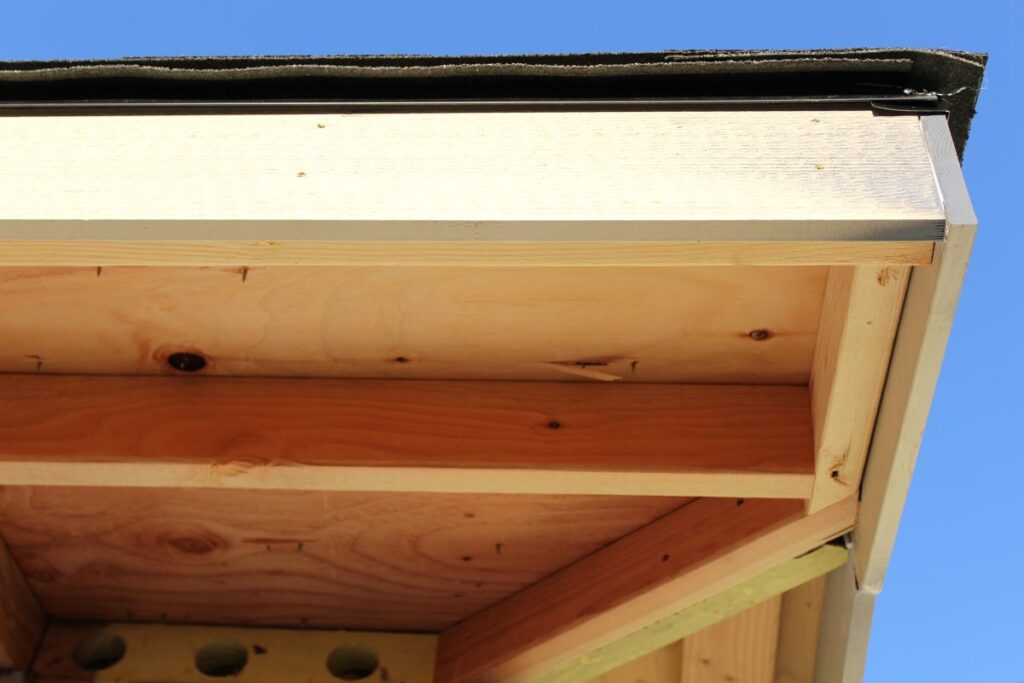
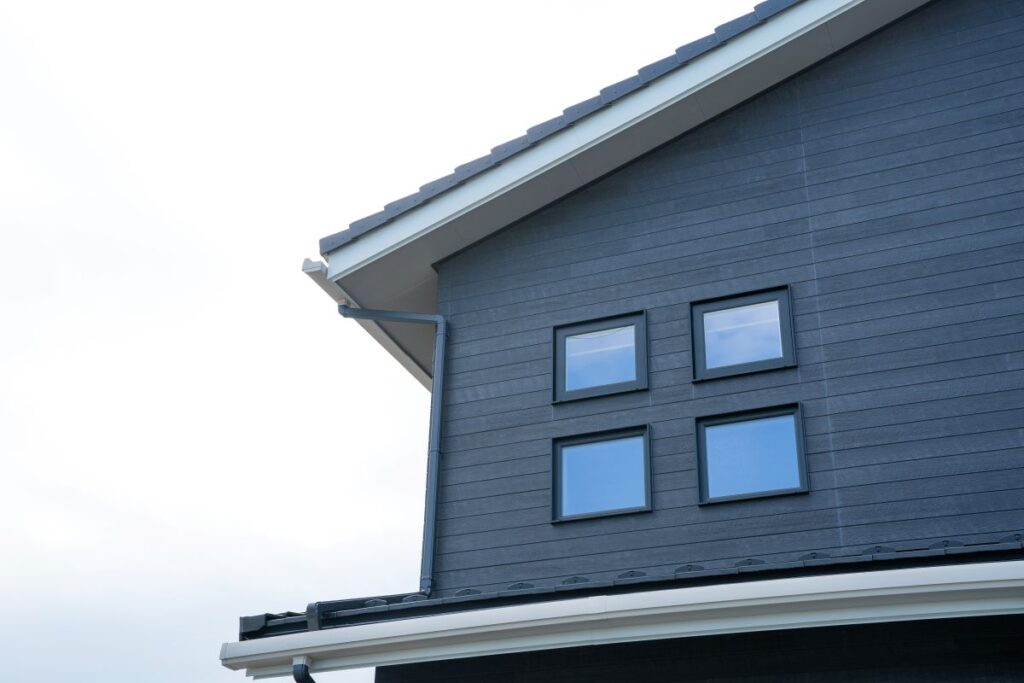
Roof eaves are the edges of a roof that extend past the exterior walls of a home. This overhang helps protect the structure by directing rainwater away from the siding and foundation.
Eaves also house important components such as soffits and fascia, which work together to support ventilation and protect the roofline.
Key Components of Roof Eaves
Roof eaves include several parts that contribute to their overall function. Each component plays a role in protecting the home and maintaining airflow.
- Soffit: The underside of the eave that allows ventilation.
- Fascia: The vertical board that supports gutters.
- Overhang: The extension of the roof beyond the wall.
Why Roof Eaves Are Important
Roof eaves provide protection and support for the entire roofing system. Without proper eaves, homes are more exposed to water damage and structural wear.
- Water control: Directs rainwater away from the home.
- Ventilation support: Helps regulate attic airflow.
- Exterior protection: Shields siding and windows from weather.
4 Types of Roof Eaves
Different types of roof eaves are used depending on home design, climate, and ventilation needs. Each type offers specific advantages.
1. Open Eaves
Open eaves expose the underside of the roof structure, including rafters. This style is often used in certain architectural designs.
- Exposed rafters: Visible structural elements.
- Ventilation potential: Allows airflow when designed properly.
- Design style: Common in rustic or custom homes.
2. Closed Eaves
Closed eaves are finished with soffits that cover the underside of the roof overhang. This is one of the most common styles in residential roofing.
- Finished appearance: Clean and enclosed look.
- Pest protection: Reduces entry points for insects and animals.
- Ventilation control: Works with soffit vents.
3. Boxed Eaves
Boxed eaves are enclosed with a horizontal soffit and vertical fascia, creating a box-like structure. This style is commonly used for modern homes.
- Structured design: Fully enclosed for protection.
- Improved durability: Reduces exposure to weather.
- Consistent appearance: Clean architectural lines.
4. Abbreviated Eaves
Abbreviated eaves have minimal overhang and are often used in contemporary home designs.
- Short overhang: Limited extension beyond the wall.
- Modern style: Common in newer construction.
- Lower material use: Reduced construction materials.

Benefits of Roof Eaves for Homeowners
Roof eaves provide several advantages that improve both the performance and durability of a home. Properly designed eaves help prevent damage and extend the life of roofing systems.
Water Protection and Drainage
One of the main benefits of roof eaves is their ability to control water runoff and protect the home’s exterior.
- Rainwater direction: Moves water away from siding and foundation.
- Reduced erosion: Helps protect landscaping and soil.
- Foundation protection: Limits water pooling near the home.
Improved Ventilation
Eaves play a key role in supporting attic ventilation when combined with soffits.
- Airflow regulation: Helps maintain consistent attic temperatures.
- Moisture control: Reduces condensation buildup.
- Energy efficiency: Supports better insulation performance.
Extended Roof Lifespan
Properly functioning roof eaves help reduce stress on roofing materials and prevent damage over time.
- Reduced exposure: Protects roof edges from weather.
- Material longevity: Helps shingles last longer.
- Structural support: Maintains roof stability.
Common Issues With Roof Eaves
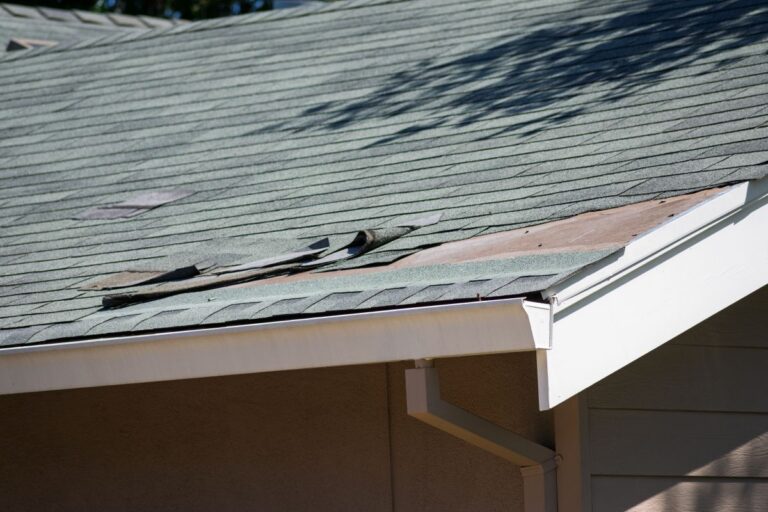
While roof eaves provide important benefits, they can develop problems over time if not properly maintained. Identifying these issues early helps prevent more serious damage.
Water Damage and Rot
Moisture exposure is one of the most common issues affecting roof eaves.
- Rotting wood: Caused by prolonged water exposure.
- Peeling paint: Indicates moisture problems.
- Structural weakening: Damaged eaves may lose strength.
Pest and Animal Intrusion
Eaves can become entry points for pests if gaps or damage are present.
- Insect activity: Bees and wasps may nest in eaves.
- Rodent entry: Small openings allow animals inside.
- Damage risk: Pests can worsen structural issues.
Ventilation Problems
Improper ventilation can lead to moisture buildup and reduced roof performance.
- Blocked soffits: Prevent proper airflow.
- Condensation: Leads to mold and mildew.
- Reduced efficiency: Affects insulation performance.
Maintenance Tips for Roof Eaves
Regular maintenance helps keep roof eaves in good condition and prevents costly repairs. Simple upkeep can extend the life of roofing components.
Routine Inspections
Checking roof eaves regularly helps identify potential issues early.
- Visual checks: Look for cracks, rot, or damage.
- Soffit condition: Ensure vents are clear and functional.
- Gutter alignment: Confirm proper drainage.
Cleaning and Upkeep
Keeping eaves clean helps prevent moisture buildup and damage.
- Remove debris: Clear leaves and dirt from gutters.
- Clean soffits: Prevent blockages in ventilation areas.
- Check drainage: Ensure water flows away from the home.
Repair and Replacement
Damaged eaves should be repaired or replaced to maintain roof performance.
- Minor repairs: Fix small cracks or gaps early.
- Replace damaged sections: Prevent further deterioration.
- Upgrade materials: Consider more durable options.
Protect Your Home With Proper Roof Eave Maintenance
Roof eaves play an essential role in protecting your home from water damage, improving ventilation, and supporting your roofing system. Understanding roof eaves helps homeowners recognize their importance and maintain them properly over time.
At Owl Roofing, we provide roofing services, roof repair, and exterior services to help homeowners maintain all parts of their residential roofing system, including eaves, soffits, and fascia. Our team focuses on identifying issues early and providing reliable solutions that support long term durability.
If you have questions about your roof eaves or need help with a roofing project, contact Owl Roofing today to schedule a free inspection. Our team can evaluate your roofline and recommend the best approach for protecting your home.

Recent Articles
Explore The Blog