




Single Ply Roofing: Types, Benefits & Cost Guide
 15min Read
 Posted 10.09.2026
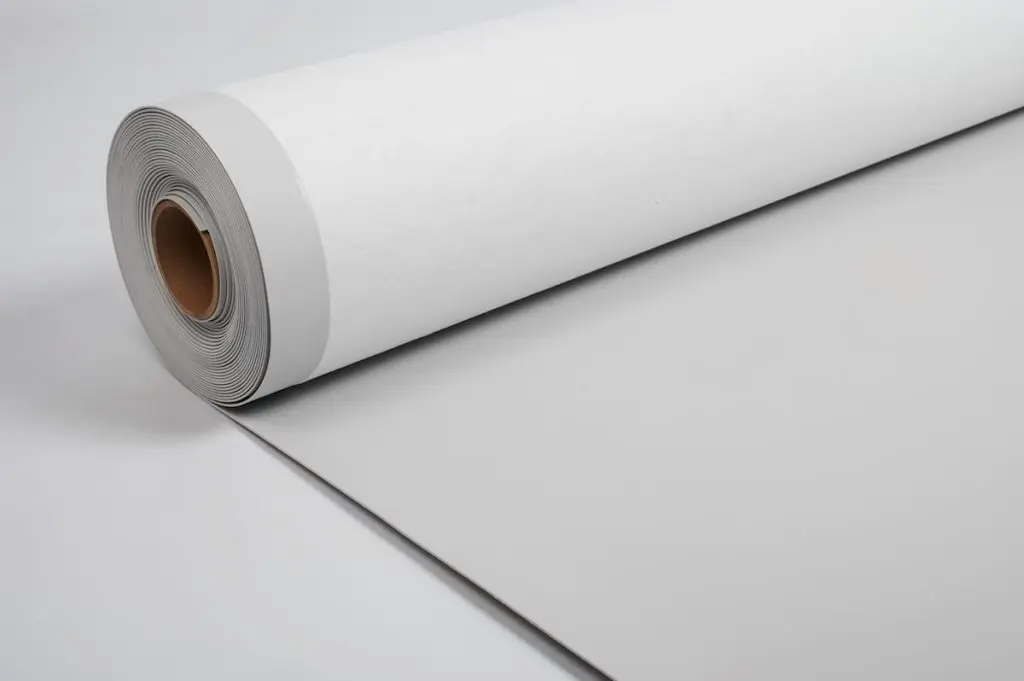
Single ply roofing is a category of flexible membrane roofing systems installed in one layer over insulation to protect flat and low-slope commercial buildings, dominating the low-slope commercial market across Minneapolis and surrounding Twin Cities communities. The three main types (TPO, EPDM, and PVC) each offer distinct performance characteristics, cost profiles, and best-fit applications for facility managers and commercial property owners making roof decisions. Owl Roofing, a GAF and Owens Corning certified roofing contractor, installs single ply roofing and commercial roof systems across Minneapolis and surrounding areas. This guide breaks down the three main types with cost data, key benefits, and guidance on which membrane fits different commercial building applications.
- Three main types: TPO, EPDM, and PVC single ply membranes compared.
- Real cost data: Per-square-foot installed pricing for each system.
- Best-fit applications: Which membrane works for different facility types.
Understanding Single Ply Roofing Systems
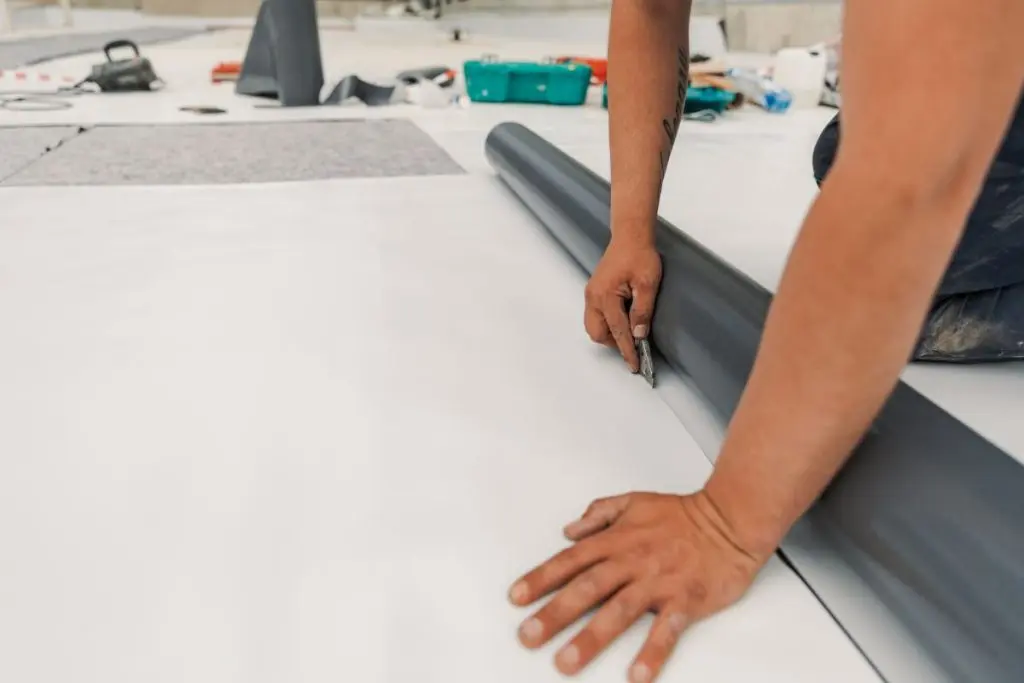
Understanding single ply roofing systems starts with the basic construction concept and the two main chemistry categories that define membrane performance. Owl Roofing works with facility managers across Minneapolis and surrounding areas on single ply installations that fit specific building requirements.
What Single Ply Roofing Is
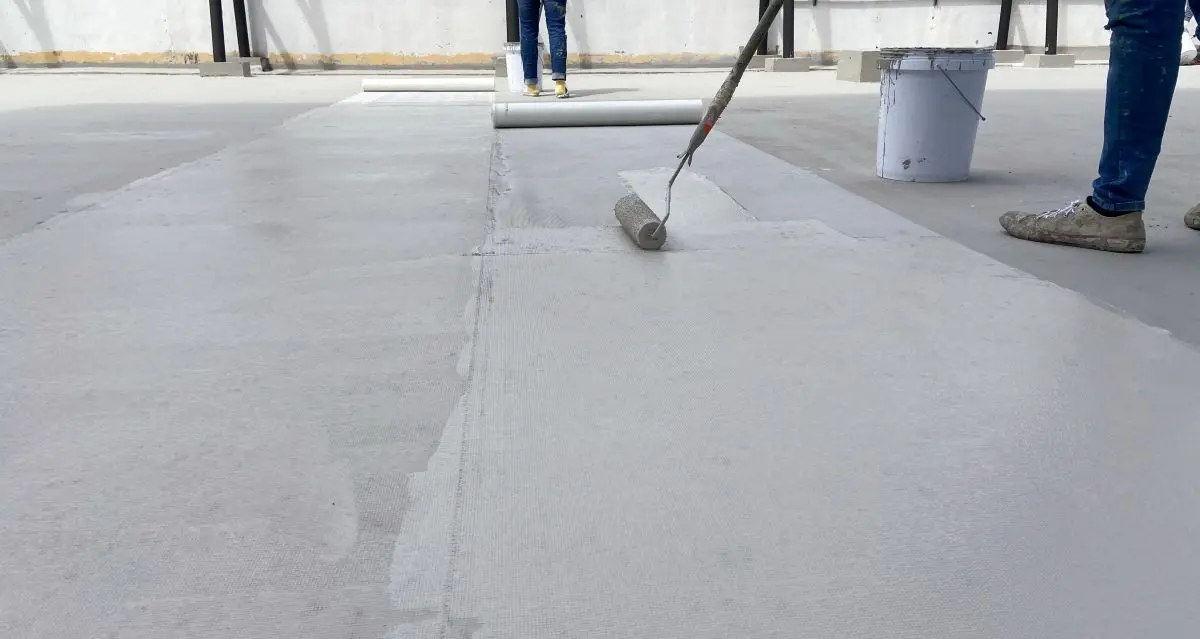
Single ply roofing is a category of flexible sheet membrane installed in one layer, used primarily on flat and low-slope commercial roofs. The Single Ply Roofing Industry (SPRI) notes that single-ply roofing in North America traces its origins to the early 1960s with the first EPDM rubber roofs and that single-ply now makes up the vast majority of the low-slope commercial roofing market in North America. Owl Roofing installs single ply membranes on Minneapolis commercial buildings ranging from warehouses and retail centers to office buildings, manufacturing facilities, and multifamily properties. The single-layer design provides waterproofing protection without the multiple layers of traditional built-up roofing (BUR) systems that required decades to install.
- Single membrane layer: Waterproofs low-slope commercial roofs.
- 1960s origins: Started with EPDM rubber roofs in North America.
- Market dominance: Majority of low-slope commercial roofing today.
- Building applications: Warehouses, retail, office, manufacturing, multifamily.
Thermoplastics vs Thermosets
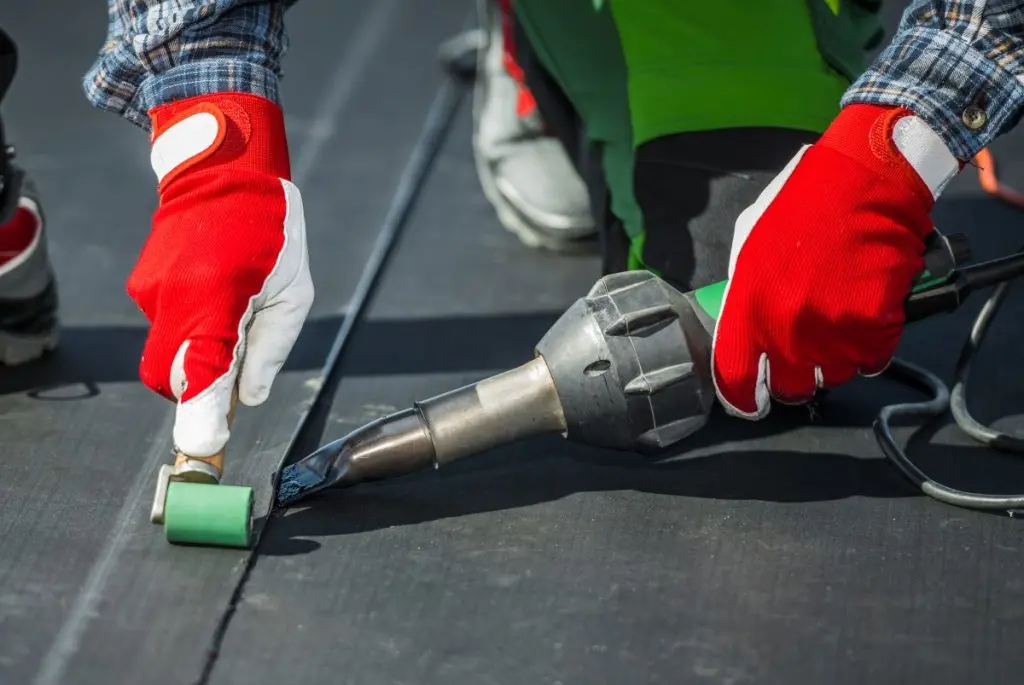
Single ply roofing membranes divide into two main chemistry categories: thermoplastics and thermosets. Owl Roofing installs both categories on Minneapolis facilities based on the specific building requirements and long-term performance goals. Thermoplastic membranes include TPO and PVC, which are seamed using hot-air welders that melt the plastic and pressure-join sheets into a monolithic watertight surface. Thermoset membranes are typically EPDM rubber, which are seamed using pressure-sensitive tapes or adhesives to join sheets together. The chemistry difference significantly affects installation methods, seam performance, and long-term durability characteristics of the finished roof.
- Thermoplastics: TPO and PVC with heat-welded seams.
- Thermosets: EPDM with adhesive or tape seams.
- Welded advantage: Monolithic membrane on thermoplastics.
- Chemistry effect: Determines installation and seam performance.
3 Types of Single Ply Roofing Membranes
Three main single ply membrane types cover the vast majority of Minneapolis commercial installations. Owl Roofing installs each type based on specific facility requirements, budget considerations, and long-term performance priorities.
1. TPO (Thermoplastic Polyolefin)
TPO is a thermoplastic polyolefin membrane and the fastest-growing segment of the commercial roofing industry, currently comprising more than 50 percent of the low-slope commercial market. Owl Roofing installs TPO on Minneapolis commercial buildings where energy efficiency, cost balance, and installation speed matter most. Most light-colored TPO membranes are ENERGY STAR qualified and Cool Roof Rating Council (CRRC) certified, meaning they reflect sunlight and reduce building cooling costs during summer. TPO typically installs at $4 to $9 per square foot depending on membrane thickness, attachment method, and roof complexity. Membrane thicknesses of 45, 60, 80, and 90 mil affect both cost and warranty duration, with thicker membranes carrying longer warranties.
- Market share: More than 50 percent of commercial low-slope.
- Energy performance: ENERGY STAR and CRRC certified white membrane.
- Cost range: $4 to $9 per square foot installed.
- Thickness options: 45, 60, 80, or 90 mil affects warranty and cost.
2. EPDM (Ethylene Propylene Diene Monomer)
EPDM is a synthetic rubber thermoset membrane with more than 50 years of proven commercial roofing history. Owl Roofing installs EPDM on Minneapolis commercial buildings where cold-weather performance and cost predictability matter most because EPDM excels in Minnesota’s climate. SPRI notes that in northern climates especially, black EPDM membranes absorb solar energy leading to reductions in heating costs during winter months and helping melt snow and ice on the roof. EPDM typically installs at $4 to $9 per square foot depending on membrane thickness and attachment method, making it competitive with TPO on initial cost. Standard black EPDM is the most common color choice for Minneapolis facilities, with white EPDM available where cooling performance matters more than heating.
- Cold climate advantage: Black EPDM absorbs solar energy in winter.
- Snow melting: Helps clear snow and ice accumulation.
- Cost range: $4 to $9 per square foot installed.
- Track record: 60+ years of commercial roofing history.
3. PVC (Polyvinyl Chloride)
PVC is a thermoplastic polyvinyl chloride membrane and is considered the premium single ply option for facilities with specific chemical or fire resistance requirements. Owl Roofing installs PVC on Minneapolis commercial buildings where the higher upfront cost is justified by superior resistance to grease, oils, chemicals, and industrial pollutants that degrade TPO or EPDM over time. PVC typically installs at $6 to $12 per square foot depending on membrane thickness and features, making it the highest-cost single ply option. Most PVC membranes are ENERGY STAR qualified and CRRC certified, offering the reflectivity benefits of light-colored TPO. Facilities like restaurants, food processing plants, manufacturing operations, and buildings with rooftop grease exhaust benefit most from PVC’s chemical resistance.
- Chemical resistance: Superior to TPO and EPDM.
- Cost range: $6 to $12 per square foot installed.
- Best applications: Restaurants, food processing, manufacturing.
- Energy performance: ENERGY STAR qualified with white membrane.
Key Benefits of Single Ply Roofing for Minneapolis Facilities
Single ply roofing offers several distinct benefits that have made it the dominant commercial roofing category. Owl Roofing walks facility managers through each benefit during consultation to identify which matter most for the specific Minneapolis building.
Energy Efficiency and Cool Roof Performance
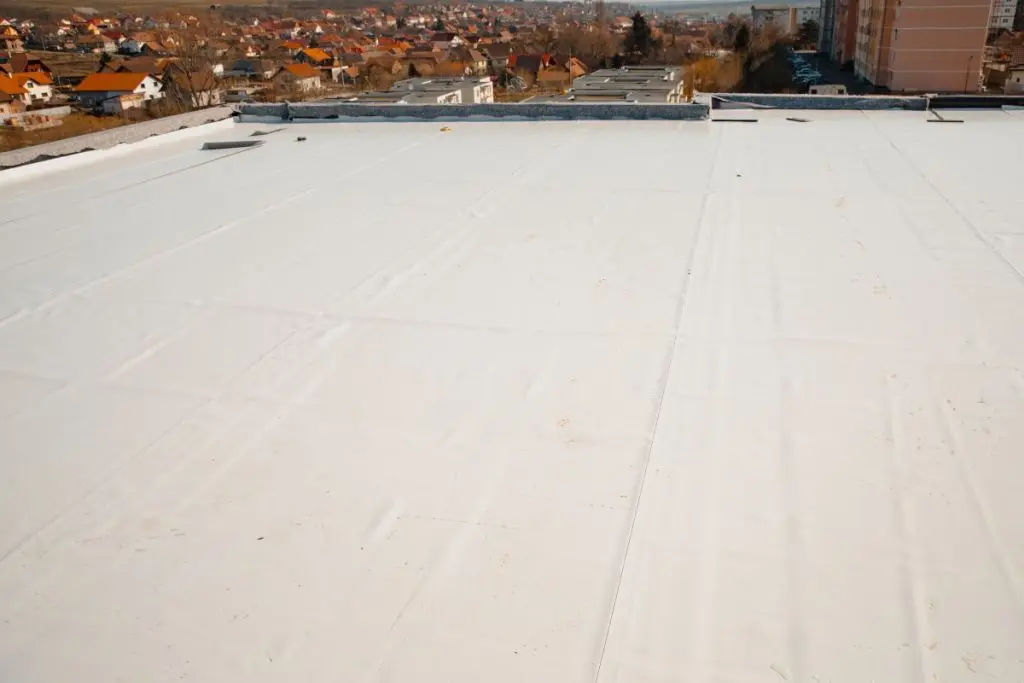
Energy efficiency and cool roof performance are among the strongest benefits of single ply roofing for Minneapolis facilities, particularly TPO and white PVC membranes that reflect solar heat rather than absorbing it. Owl Roofing installs cool roof single ply membranes on Minneapolis commercial buildings where cooling costs represent a significant operating expense. The reflectivity reduces HVAC load during summer, extending equipment life and reducing utility bills. Some Minneapolis facilities also qualify for utility rebates when installing cool roof systems, which can offset a portion of the installation cost. Black EPDM offers the opposite benefit in Minneapolis’s climate, absorbing solar heat to reduce winter heating loads.
- Cool roof reflectivity: White TPO and PVC reduce summer HVAC load.
- Winter benefit: Black EPDM absorbs heat for heating cost reduction.
- Utility rebates: Some Minneapolis rebates for cool roof installations.
- Equipment life: Reduced HVAC load extends equipment service.
Lightweight Installation
Lightweight installation is a significant benefit of single ply roofing compared to built-up (BUR) systems that require multiple layers of asphalt and felt. Owl Roofing installs single ply on Minneapolis commercial buildings where structural weight considerations matter, particularly on retrofit installations where the existing roof structure has specific load limitations. The lightweight construction also allows faster installation than BUR, reducing labor costs and minimizing business disruption during installation. Single ply membranes weigh only a fraction of comparable BUR or modified bitumen systems, making them suitable for a wider range of building structures.
- Weight advantage: Fraction of BUR or modified bitumen weight.
- Retrofit friendly: Fits buildings with structural load limitations.
- Fast installation: Reduces labor cost and business disruption.
- Structural flexibility: Works on wider range of buildings.
Long Service Life
Long service life is a key benefit of single ply roofing systems when properly specified, installed, and maintained. Owl Roofing installs single ply membranes on Minneapolis commercial buildings with typical service lives of 20 to 30 years for standard installations and 30 years or more for premium systems with thick membranes and proper detailing. Warranty coverage varies by manufacturer, membrane type, and installation method, with premium TPO warranties reaching 25 to 35 years and PVC KEE membranes carrying comparable coverage. Membrane thickness is often the most important factor in achieving the upper end of service life, with 80 mil products typically lasting significantly longer than 45 mil products.
- Standard service life: 20 to 30 years typical.
- Premium warranties: 25 to 35 years on thick TPO and PVC KEE.
- Thickness impact: 80 mil products last longer than 45 mil.
- Maintenance role: Regular inspection extends service life.
Chemical and UV Resistance
Chemical and UV resistance are important benefits of single ply roofing for specific facility types across Minneapolis. Owl Roofing installs single ply membranes with resistance characteristics matching the specific facility exposure. Modern single ply membranes provide strong UV resistance that prevents the material degradation common in older roof systems, extending service life even in exposed rooftop conditions. Chemical resistance varies by membrane type, with PVC offering the strongest resistance to greases, oils, and industrial chemicals commonly found on restaurant, food processing, and manufacturing rooftops. TPO offers moderate chemical resistance suitable for most commercial applications.
- UV protection: Modern membranes resist degradation from sunlight.
- PVC chemical performance: Best for grease and industrial exposure.
- TPO chemical resistance: Moderate, suitable for most facilities.
- EPDM ozone resistance: Excellent for weather and ozone exposure.
Single Ply Roofing Cost in Minneapolis
The cost of single ply roofing in Minneapolis depends on membrane type, thickness, attachment method, roof size, and specific site conditions. Owl Roofing provides itemized commercial roofing estimates showing each cost component separately for Minneapolis facilities.
Cost per Square Foot by Membrane Type
Single ply roofing installed cost in Minneapolis typically runs $4 to $9 per square foot for TPO, $4 to $9 per square foot for EPDM, and $6 to $12 per square foot for PVC depending on membrane thickness, attachment method, and roof complexity. Owl Roofing pricing for a typical 20,000 square foot commercial roof runs $80,000 to $180,000 for TPO or EPDM installations and $120,000 to $240,000 for PVC installations. Premium installations with thicker membranes, additional insulation, or complex flashing details reach the upper end of these ranges. Membrane thickness drives more of the cost difference than the material name in most cases.
- TPO installed cost: $4 to $9 per square foot.
- EPDM installed cost: $4 to $9 per square foot.
- PVC installed cost: $6 to $12 per square foot.
- 20,000 sq ft example: $80,000 to $240,000 depending on system.
Factors That Affect Total Installation Cost
Factors that affect total single ply installation cost include roof size, membrane thickness, attachment method, existing roof condition, insulation requirements, and roof complexity. Owl Roofing evaluates each factor during Minneapolis commercial roofing consultations to provide accurate pricing before contract signing. Larger roofs typically achieve better per-square-foot pricing due to installation efficiency, while smaller roofs may see higher per-square-foot rates due to setup costs. Mechanically fastened installations typically cost less than fully adhered systems, though adhered systems perform better in high-wind areas. Tear-off and disposal of existing roofing adds significant cost to replacement projects compared to installation over existing structures.
- Roof size: Larger roofs achieve better per-square-foot pricing.
- Attachment method: Mechanically fastened costs less than adhered.
- Tear-off costs: Existing roof removal adds significant expense.
- Insulation upgrades: Improve energy performance but add cost.
Which Single Ply Roofing Works Best for Minneapolis Buildings
The best single ply roofing type for a Minneapolis commercial building depends on facility use, energy priorities, budget, and specific building conditions. Owl Roofing walks facility managers through the selection process during free consultations.
TPO for Energy Efficiency
TPO works best for Minneapolis facilities prioritizing summer cooling efficiency and moderate initial cost. Owl Roofing recommends TPO for warehouses, distribution centers, retail buildings, office buildings, and schools where the white reflective membrane reduces summer HVAC load significantly. TPO’s balance of cost, performance, and market availability makes it the default choice for most Minneapolis commercial buildings without specific chemical or cold-weather requirements. The 50-plus percent commercial market share reflects TPO’s fit across a wide range of building applications.
- Facility types: Warehouses, retail, office, schools.
- Energy priority: Summer cooling efficiency.
- Cost balance: Mid-range with strong performance.
- Market default: Dominant choice for typical commercial buildings.
EPDM for Northern Climate Performance
EPDM works best for Minneapolis facilities in cold climates where the black membrane’s solar absorption reduces winter heating loads and helps clear snow and ice from the roof. Owl Roofing recommends EPDM for buildings where heating costs exceed cooling costs, for large warehouses in colder locations, and for facilities where cold-weather membrane flexibility matters during winter installation or maintenance. EPDM also offers straightforward installation, easy repairability, and a strong track record of long-term performance in Minnesota’s climate.
- Northern climate: Solar absorption reduces winter heating.
- Snow melting: Helps clear accumulation faster.
- Heat-priority buildings: Better for heating-dominant facilities.
- Cold installation: Better winter installation flexibility.
PVC for Chemical Resistance
PVC works best for Minneapolis facilities with specific chemical, grease, or fire exposure that would degrade TPO or EPDM over time. Owl Roofing recommends PVC for restaurants, food processing plants, manufacturing facilities with rooftop chemical exhaust, and buildings requiring the highest fire-resistance ratings. The higher upfront cost is justified by significantly longer service life in these specific applications where other membranes would require more frequent replacement. Facilities without chemical exposure typically do not benefit enough from PVC’s premium features to justify the additional cost.
- Chemical exposure: Restaurants and food processing.
- Fire resistance: Highest ratings among single ply.
- Longer service life: In chemical-exposed applications.
- Cost justification: Only for specific exposure conditions.
Owl Roofing in Minneapolis
Owl Roofing handles single ply roofing installation, replacement, and maintenance across Minneapolis and surrounding Twin Cities communities. The team works with all three main single ply membrane types with attention to Minnesota-specific climate performance and manufacturer warranty compliance.
Why Facility Managers Choose Owl Roofing for Single Ply Roofing
Owl Roofing is a strong choice for single ply roofing in Minneapolis because the team installs all three major membrane types with manufacturer-certified expertise, provides free pre-installation inspections with no obligation to proceed, matches membrane selection to specific facility requirements rather than pushing one product for every building, and offers itemized commercial estimates showing every cost component separately. Owl Roofing installs single ply with proper attachment method, seam welding, and flashing details designed to preserve manufacturer warranty coverage. Every installation includes manufacturer warranty registration and written documentation of the exact products installed for future reference during property transactions or maintenance decisions.
- Every membrane type: TPO, EPDM, and PVC with manufacturer expertise.
- Free pre-installation inspections: Written estimates with no obligation.
- Facility-specific matching: Right membrane for the specific building.
- Warranty documentation: Full registration and written records.
Frequently Asked Questions
How Long Does Single Ply Roofing Last?
Single ply roofing typically lasts 20 to 30 years on Minneapolis commercial buildings when properly installed and maintained, with premium systems and thicker membranes reaching the upper end of the range or beyond. Owl Roofing installs single ply with warranty coverage that reflects the expected service life, typically 20 to 35 years depending on membrane type and thickness selected.
What Is the Difference Between TPO and EPDM?
TPO is a thermoplastic membrane with heat-welded seams and white reflective surface, while EPDM is a thermoset rubber membrane with adhesive-sealed seams and typically black color. Owl Roofing installs both types on Minneapolis facilities, with TPO better for cooling-priority buildings and EPDM better for heating-priority buildings where the black membrane helps in winter.
Which Single Ply Roofing Is Best for Minnesota Climate?
EPDM often performs best for Minnesota climate on heating-priority commercial buildings because the black membrane absorbs solar heat during winter and helps melt snow, while TPO works well for cooling-priority buildings. Owl Roofing recommends the specific membrane based on each Minneapolis facility’s heating and cooling load profile during consultation.
Can Single Ply Roofing Be Installed Over an Existing Roof?
Single ply roofing can often be installed over an existing roof depending on the current roof condition, structural capacity, and local code requirements. Owl Roofing evaluates existing roofs on Minneapolis facilities during consultation to determine whether recover installation is appropriate or full tear-off is required. Recover installations save significant cost when structurally viable.
How Are Single Ply Roofing Seams Sealed?
Single ply roofing seams are sealed using different methods depending on membrane type: TPO and PVC use hot-air welding that melts the plastic and pressure-joins sheets into monolithic surfaces, while EPDM uses pressure-sensitive tape or adhesive to bond sheets together. Owl Roofing uses manufacturer-approved seaming methods on every Minneapolis installation to ensure warranty coverage and long-term performance.
Does Owl Roofing Handle Emergency Commercial Roof Repairs?
Yes, Owl Roofing handles emergency commercial roof repairs across Minneapolis for facility managers dealing with active leaks, storm damage, or unexpected roof issues. The team provides prompt response for emergency situations with temporary weatherproofing followed by permanent repair or replacement recommendations. Emergency service is available for all major single ply membrane types.
Get Your Free Commercial Roofing Consultation Scheduled
Owl Roofing handles single ply roofing installation, replacement, and maintenance across Minneapolis and surrounding Twin Cities communities with insurance claim coordination, emergency repair availability, free inspections, financing options, and maintenance programs designed to protect the commercial roof investment for its full service life. Every Owl Roofing consultation includes physical membrane samples, energy performance data, and facility-specific recommendations so Minneapolis facility managers can evaluate single ply roofing options with objective information for their specific building.
Contact Owl Roofing to schedule a free consultation for your Minneapolis commercial building and receive a written estimate that breaks down the cost for single ply roofing installation.

Recent Articles
Explore The Blog