


Storm Door vs. Security Door: What’s the Difference?
 9min Read
 Posted 2.13.2026
Storm doors and security doors look fairly similar enough at a quick glance that many homeowners simply assume they’re interchangeable, but they’re actually engineered to solve truly different problems with substantially different construction standards, hardware, and materials behind them entirely. Here’s a thorough breakdown of exactly what separates these two door types, construction-wise and cost-wise, and which one your particular home and situation actually needs.
What a Storm Door Is Actually Designed For
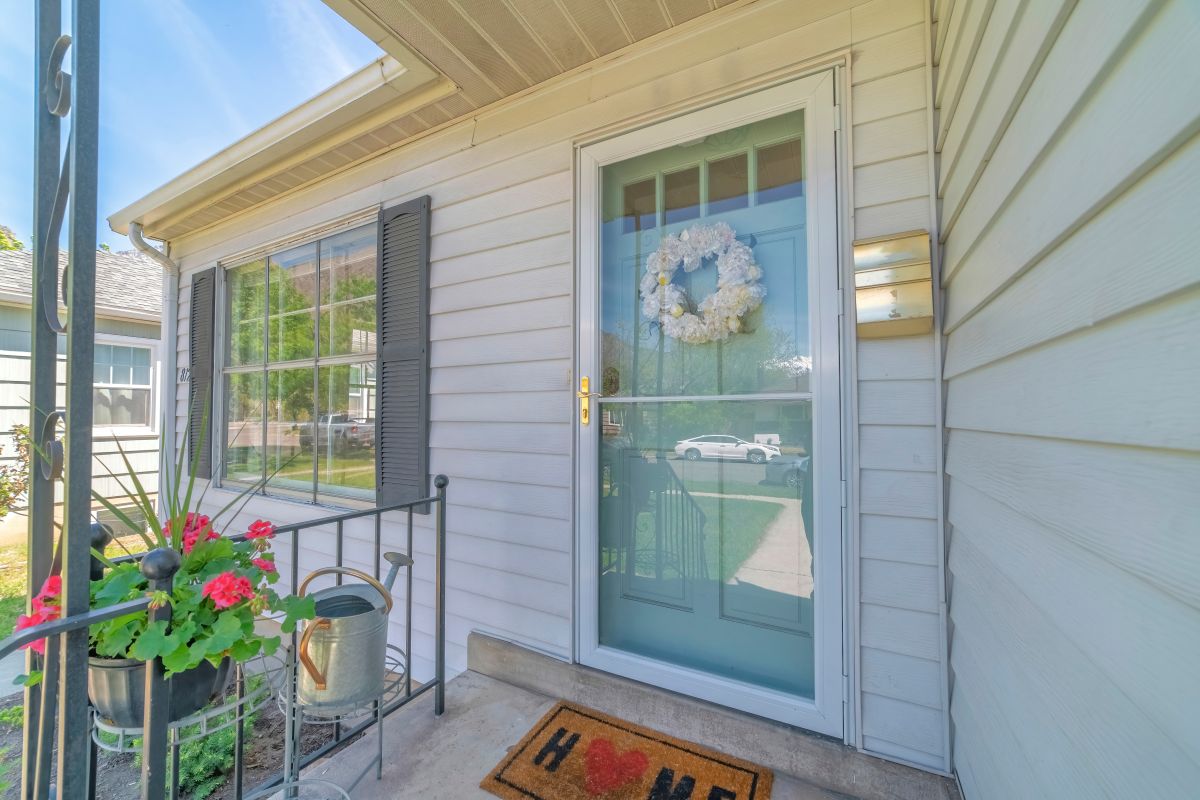
Storm doors are primarily designed to protect your primary entry door from Minnesota’s harsh weather, including wind, rain, and snow, while also providing ventilation options and some additional energy efficiency benefit through the air gap created between the storm door and the entry door behind it. Storm doors typically feature lightweight aluminum or fiberglass frames with large glass panels, sometimes interchangeable with screen inserts for seasonal ventilation, prioritizing light transmission and weather protection over security hardening.
What a Security Door Is Actually Designed For
Security doors, sometimes called security storm doors when they combine both functions, are specifically engineered with heavy-gauge steel construction, reinforced frames, and robust multi-point locking hardware designed to resist forced entry attempts far beyond what a standard storm door’s lighter construction can withstand. Many security doors also incorporate steel mesh or bars integrated into the design, sometimes combined with decorative elements to avoid looking overly institutional, prioritizing forced-entry resistance as the primary design consideration above weather protection or light transmission.
Construction and Material Differences
Standard storm doors typically use thinner aluminum extrusions and standard glass or screen inserts held in place with lightweight clips or simple latching mechanisms, construction choices that prioritize affordability and ease of operation over resistance to deliberate forced entry. Security doors use substantially heavier steel framing, often with welded instead of simply fastened joints, along with reinforced hinges and strike plates specifically designed to resist prying, kicking, and other forced entry techniques that would easily defeat a standard storm door’s lighter construction.
Cost Comparison Between the Two Door Types
Standard aluminum storm doors typically cost $150 to $500 installed, reflecting their lighter construction and simpler hardware requirements for a typical residential application. Security doors typically cost $400 to $1,200 installed, reflecting the substantially heavier steel construction and more robust locking hardware required to deliver genuine forced-entry resistance beyond what a standard storm door provides.
When a Standard Storm Door Makes Sense
A standard storm door makes genuine sense for homeowners primarily concerned with weather protection, energy efficiency, and ventilation flexibility, without a specific heightened security concern driving the decision. For most Twin Cities homes in typical residential neighborhoods, a quality standard storm door paired with a properly secured primary entry door and good deadbolt hardware provides adequate practical protection for the vast majority of households.
When a Security Door Makes Sense
A security door makes more sense for homeowners with specific heightened security concerns, whether due to the home’s location, a documented history of attempted break-ins in the neighborhood, or simply a personal priority on maximizing forced-entry resistance beyond what standard construction provides. Security doors are also sometimes chosen for rental properties or homes left vacant for extended periods, where the additional deterrent and physical resistance value justifies the higher upfront cost compared to a standard storm door.
Common Mistakes When Choosing Between These Door Types
A common mistake is assuming any storm door provides real security benefit, when standard construction is simply not designed or tested for forced-entry resistance despite looking visually similar to a more robust security door option. Another is choosing a security door purely based on appearance without confirming the specific construction details and hardware quality that actually deliver the forced-entry resistance the homeowner is seeking. A third is not considering how either door type’s ventilation and light transmission characteristics will affect daily practical use of the entryway.
Choosing a Qualified Contractor for Either Door Type
Ask prospective contractors to clearly explain the specific construction and hardware differences between storm door and security door options they’re offering, request documentation of any security rating or forced-entry resistance testing for security door products, and ask about ventilation and screen options if seasonal airflow matters for your household’s typical use.
Financing Options for Entry Door Upgrades
Many Twin Cities door contractors offer financing options for both storm door and security door installations, especially useful when bundling this upgrade with a broader entry door or exterior renovation project.
Making the Right Decision for Your Home
Most Twin Cities homeowners are well served by a quality standard storm door that provides weather protection and energy efficiency benefits without the added cost of security-focused construction they don’t actually need. Homeowners with specific heightened security priorities should seriously consider a dedicated security door, understanding that this choice involves a real tradeoff between maximum forced-entry resistance and the lighter, more ventilation-friendly design of a standard storm door option.
Combining Storm Door Benefits With Security Features
Some manufacturers offer hybrid products combining a storm door’s weather protection and ventilation features with substantially upgraded security hardware and heavier construction than a standard storm door, without reaching the full security door category’s maximum forced-entry resistance level. These hybrid options can offer a reasonable middle ground for homeowners wanting somewhat better security than standard construction provides without committing to the full cost and more institutional appearance of a dedicated security door product.
Glass and Visibility Considerations for Each Type
Storm doors typically feature large glass panels designed to maximize natural light into the entryway and allow a clear view of visitors before opening the primary entry door, a genuine convenience feature that many homeowners specifically value for everyday practical use. Security doors, while some models incorporate glass panels as well, more commonly feature steel mesh, decorative metalwork, or smaller glass sections specifically to limit the structural vulnerability that a large glass panel would otherwise introduce into an otherwise robust, forced-entry-resistant design.
Locking Hardware and Access Control Differences
Standard storm doors typically rely on a simple latch or basic lock mechanism, since the door’s primary function is weather protection and not access control, with the actual security responsibility resting on the primary entry door and its own deadbolt hardware behind it. Security doors feature robust, often multi-point locking systems specifically engineered to resist manipulation and forced entry attempts independently, providing a genuine additional layer of access control beyond what the primary entry door alone delivers for homeowners prioritizing this extra security layer.
Installation Considerations for Each Door Type
Storm door installation is generally straightforward, often completable within a few hours by an experienced installer given the door’s lighter weight and simpler attachment to the existing entry door frame. Security door installation requires more careful attention to frame reinforcement and proper anchoring given the door’s substantially heavier weight and the structural demands of its robust locking hardware, meaning homeowners should specifically confirm a contractor’s experience with security door installation instead of assuming standard storm door installation expertise automatically transfers to this more specialized product category requiring different structural considerations and tools entirely.
Maintenance Requirements Comparison
Storm doors require relatively minimal maintenance beyond occasional cleaning and periodic check of weatherstripping and latch hardware, reflecting their simpler overall construction and lighter-duty intended use for the typical Minnesota household. Security doors, given their more complex locking mechanisms and heavier steel construction, may benefit from periodic lubrication of hinges and locks along with inspection for any rust or corrosion developing on the steel components, especially important for maintaining the door’s actual forced-entry resistance performance over its full service life, since a locking mechanism that’s stiff or corroded from neglect provides far less real-world protection than its original factory specifications would otherwise suggest to an unsuspecting homeowner who hasn’t checked it recently.
Insurance Discount Considerations for Security Doors
Some homeowner’s insurance providers offer modest premium discounts for documented security upgrades, including certified security doors meeting specific industry forced-entry resistance standards, making it worth checking with your insurance provider about potential savings before finalizing a security door purchase decision. This discount, when available, won’t typically offset the full cost difference between a standard storm door and a security door, but it’s a worthwhile factor to include in your overall cost-benefit evaluation of this upgrade, and it’s a simple phone call that costs nothing to make before committing to either door type.
Get a Free Entry Door Estimate from Owl Roofing
Deciding between a storm door and a security door for your home? Request a free estimate or contact our team to discuss which option fits your entryway, and ask about financing options.
Frequently Asked Questions
Do storm doors provide meaningful security benefits?
Generally no, standard storm doors are designed primarily for weather protection, not forced-entry resistance.
How much more do security doors cost than storm doors?
Security doors typically cost $400 to $1,200 compared to standard storm doors’ $150 to $500 range.
What makes security doors more resistant to forced entry?
Heavier steel construction, welded joints, and reinforced hinges and strike plates provide genuine forced-entry resistance.
Can I get both weather protection and security in one door?
Yes, some hybrid products combine storm door features with upgraded security hardware as a middle-ground option.
Do contractors offer financing for storm or security door installation?
Many contractors offer financing options for both storm door and security door installations.
