


Best Roofing Material for Cold Climates Like Minnesota
 13min Read
 Posted 10.11.2025
Best Roofing Material for Cold Climates Like Minnesota
Here’s a fun fact that won’t feel fun when it’s your roof: 73% of roof damage in cold climates comes from the freeze-thaw cycle. That’s water sneaking into tiny cracks, freezing, expanding, and slowly tearing your roof apart from the inside out. And if you’ve lived through a Minnesota January—where the average temp hovers around 7°F and we get dumped on with over 60 inches of snow annually—you know our roofs take an absolute beating.
So let’s talk about what actually works up here. Not the roofing materials that look great in a Texas suburb, but the ones that’ll keep your home dry, warm, and standing strong when the polar vortex decides to visit. Because choosing the best roofing material for cold climates isn’t just a nice-to-have—it’s the difference between a cozy winter and a very expensive spring.
Why Your Roof Choice Matters More in Minnesota
Your roof isn’t just the hat on your house. It’s your home’s first line of defense against everything Minnesota throws at it—blizzards, ice storms, that weird freezing rain that makes everyone drive 15 mph on 35W. The National Roofing Contractors Association (NRCA) points out that the right roofing material can boost your home’s energy efficiency, slash heating costs, and prevent the kind of structural damage that turns a small problem into a five-figure headache.
Here’s the thing: a roof that’s “good enough” in a milder climate can fail spectacularly in ours. The Insurance Institute for Business & Home Safety (IBHS) notes that roofs not built for winter conditions are sitting ducks for leaks and ice dams—and ice dams don’t just look ugly. They can force water underneath your shingles and into your home, damaging ceilings, walls, insulation, and anything else in the way.
When you pick the right material for our climate, you’re not just buying shingles or metal panels. You’re buying fewer emergency repair calls. Fewer buckets in the living room. And a whole lot more peace of mind when you hear freezing rain hitting the windows at 2 a.m.
The Freeze-Thaw Cycle: Your Roof’s Worst Enemy
Let’s get into the science for a second—don’t worry, we’ll keep it simple. The freeze-thaw cycle is exactly what it sounds like: water gets into small cracks and gaps in your roofing material, freezes when the temperature drops, expands (because that’s what frozen water does), and puts pressure on those cracks. When it warms up, the ice melts, the water seeps deeper, and the whole cycle repeats. Over and over. All winter long.
According to the IBHS, this cycle is responsible for over 73% of roof damage in cold climates. That’s not a typo. Nearly three-quarters of the damage your roof might suffer this winter comes down to this one process.
The feature: Roofing materials that resist freeze-thaw damage.
The advantage: They don’t crack, warp, or deteriorate as quickly as materials that can’t handle the stress.
The benefit to you: A roof that lasts longer, needs fewer repairs, and doesn’t surprise you with a leak right when you’ve got family coming for the holidays.
This is why material choice matters so much in Minnesota. You need something that can take the punishment and keep going, year after year.
Your Main Options: Asphalt, Metal, and Synthetic Slate
When it comes to Minnesota roofing materials, three options rise to the top: asphalt shingles, metal roofing, and synthetic slate. Each has its strengths, and the best choice depends on your budget, your home’s style, and how long you plan to stay put.
Asphalt Shingles: The Reliable Workhorse
Asphalt shingles are the most popular roofing material in the United States, and for good reason. The NRCA notes they’re affordable, widely available, and relatively easy to install. For Minnesota homeowners, that means lower upfront costs and plenty of local contractors who know how to work with them.
The feature: Cost-effective materials with proven durability.
The advantage: You get solid performance without blowing your budget, and repairs are straightforward if something does go wrong.
The benefit to you: More money left over for other home projects (or, let’s be honest, a nice dinner out after dealing with contractor quotes all week).
The downside? Asphalt shingles can suffer from granule loss during freeze-thaw cycles. Those little granules on the surface protect the shingle from UV rays and weather damage—when they start coming off, the shingle’s lifespan shortens. High-quality architectural shingles hold up better than basic three-tab options, so if you go this route, don’t skimp on materials.
Metal Roofing: The Snow-Shedding Champion
If you’ve ever watched snow slide off a metal roof in one satisfying avalanche, you know why this material is gaining popularity in Minnesota. Metal roofs excel at shedding snow and ice, which means less weight on your roof structure and fewer opportunities for ice dams to form.
According to a 2023 NRCA study, metal roofing can last upwards of 50 years with proper installation and maintenance. That’s potentially two or three times longer than a standard asphalt roof.
The feature: Durable metal panels designed for snow shedding and longevity.
The advantage: You’re not replacing your roof every 15-20 years, and snow doesn’t pile up creating structural stress or ice dams.
The benefit to you: A roof that might literally outlast your mortgage. Plus, metal roofing is excellent for energy efficiency—it reflects heat in summer and can be installed over proper insulation for winter warmth.
The catch? Metal roofing costs more upfront—sometimes significantly more. But when you factor in the lifespan and reduced maintenance, the math often works out in its favor, especially if you’re planning to stay in your home long-term.
Synthetic Slate: The Best of Both Worlds
Natural slate is gorgeous. It’s also incredibly heavy and incredibly expensive. Synthetic slate gives you that sophisticated, classic look without requiring your roof structure to support a small mountain.
Synthetic slate is made from engineered polymers or rubber composites designed to mimic the appearance of real stone. It offers excellent freeze-thaw resistance because it’s specifically manufactured to flex slightly with temperature changes rather than cracking.
The feature: Lightweight, durable material that looks like natural slate.
The advantage: You get the aesthetic appeal without the structural concerns or the natural stone price tag, plus better cold-weather performance.
The benefit to you: A beautiful roof that handles Minnesota winters like a pro and adds serious curb appeal to your home.
Synthetic slate is less common than asphalt or metal, so you’ll want a contractor who has experience installing it properly. But for homeowners who want that timeless look with modern performance, it’s worth a serious look.
Head-to-Head: How These Materials Stack Up in Winter
Let’s break this down practically. If you’re sitting at your kitchen table trying to figure out what to put on your roof, here’s how each material performs when the snow flies:
- Asphalt shingles: Good freeze-thaw resistance with quality materials, moderate lifespan (15-25 years typically), lowest upfront cost. Best for homeowners who want reliable performance without a major investment, or who might move in the next decade or so.
- Metal roofing: Excellent freeze-thaw resistance, superior snow shedding, longest lifespan (40-70 years depending on material). Higher upfront cost but often the best long-term value. Best for homeowners who are staying put and want a “set it and forget it” roof.
- Synthetic slate: Excellent freeze-thaw resistance, beautiful appearance, good lifespan (40-50 years). Mid-to-high cost range. Best for homeowners who prioritize aesthetics and want top-tier performance.
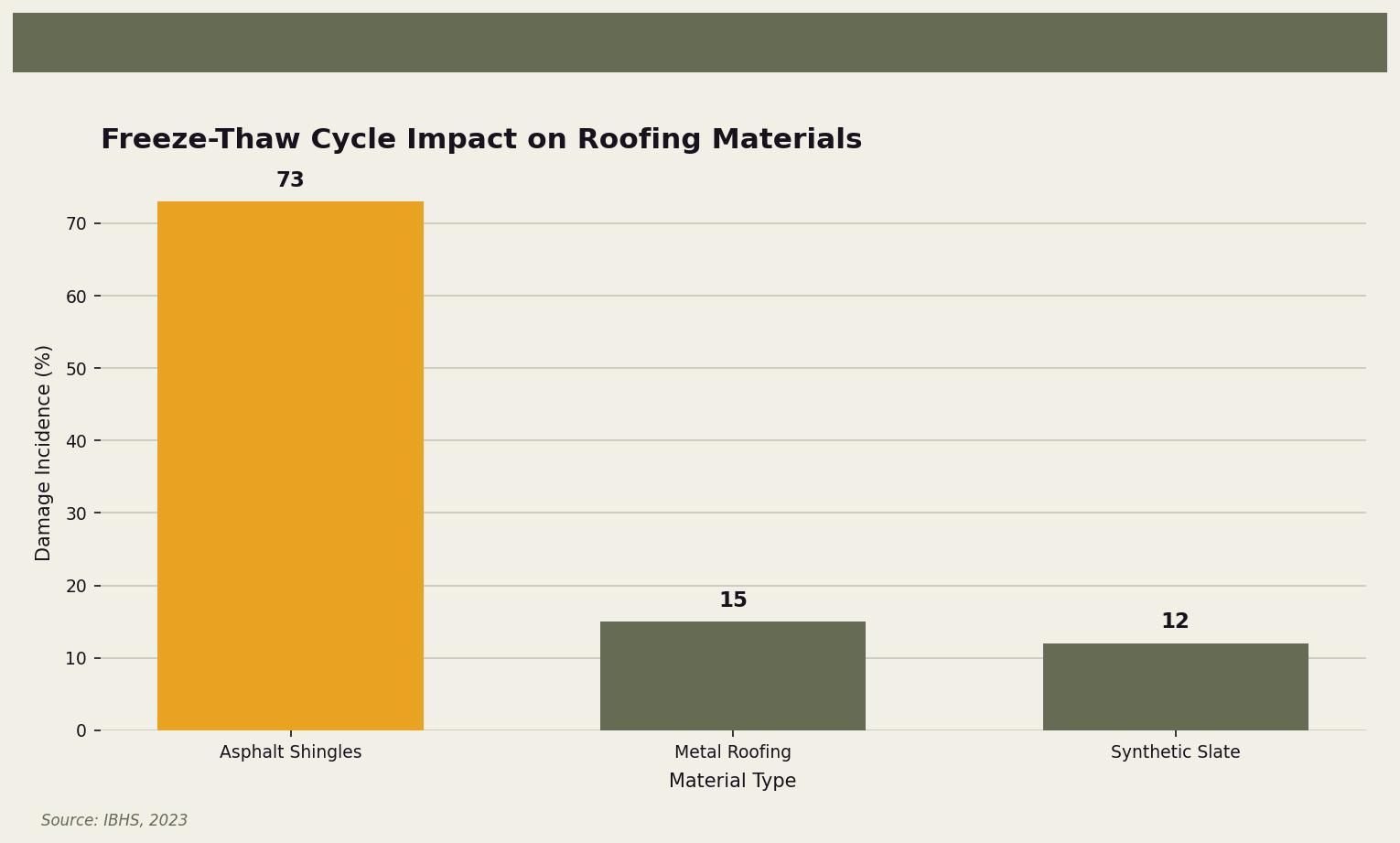
The IBHS data shows that metal roofing and synthetic slate have dramatically lower damage incidence from freeze-thaw cycles compared to asphalt—15% and 12% respectively, versus 73% for asphalt. That doesn’t mean asphalt is bad; it means if you choose asphalt, invest in quality materials and stay on top of maintenance.
Don’t Forget What’s Underneath: Insulation and Ventilation
Here’s a secret that separates okay roofs from great ones in Minnesota: it’s not just about the material on top. Proper attic insulation and ventilation can make or break your roof’s performance in winter.
Ice dams form when heat from your living space escapes into the attic, warms the roof deck, and melts snow from underneath. That melted water runs down to the cold eaves (the overhang part of your roof), refreezes, and creates a dam that traps more water behind it. Eventually, that water backs up under your shingles and into your home.
The feature: Proper attic insulation keeps heat in your living space, not in your attic.
The advantage: Your roof stays cold (which sounds bad but is actually good), snow melts evenly from the sun instead of from underneath, and ice dams don’t form.
The benefit to you: The IBHS reports that proper insulation can save homeowners up to 20% on energy bills. You’re warmer, your bills are lower, and your roof isn’t fighting a losing battle against physics.
Adequate ventilation works hand-in-hand with insulation. It helps regulate attic temperature and moisture levels, preventing condensation that can rot your roof deck from the inside. When you’re upgrading your roof, don’t overlook what’s happening in the attic—it might be the most important investment you make.
What Makes Minnesota Different (Besides the Cold)
According to the U.S. Census Bureau, the Twin Cities area gets over 60 inches of snowfall annually. That’s not just cold—that’s a lot of weight on your roof, a lot of moisture trying to find its way in, and a lot of opportunities for things to go wrong.
Local building codes in Minnesota reflect these realities. They emphasize materials and installation methods that can handle heavy snow loads and resist ice damage. This isn’t the place to cut corners or use materials designed for milder climates.
Metal roofing is increasingly popular in our region specifically because of its snow-shedding abilities. When snow slides off instead of piling up, you’re reducing stress on your roof structure and minimizing ice dam risk. Asphalt shingles remain a favorite because they’ve been tested and proven in our climate for decades—when installed correctly with proper underlayment and ventilation.
Whatever material you choose, make sure your contractor understands Minnesota’s specific challenges. A roofer who learned their trade in Arizona might be a great installer, but they won’t automatically know the tricks that keep roofs healthy through our winters.
Your Action Plan: Getting Winter-Ready
Ready to make sure your roof can handle whatever Minnesota throws at it? Here’s what to do:
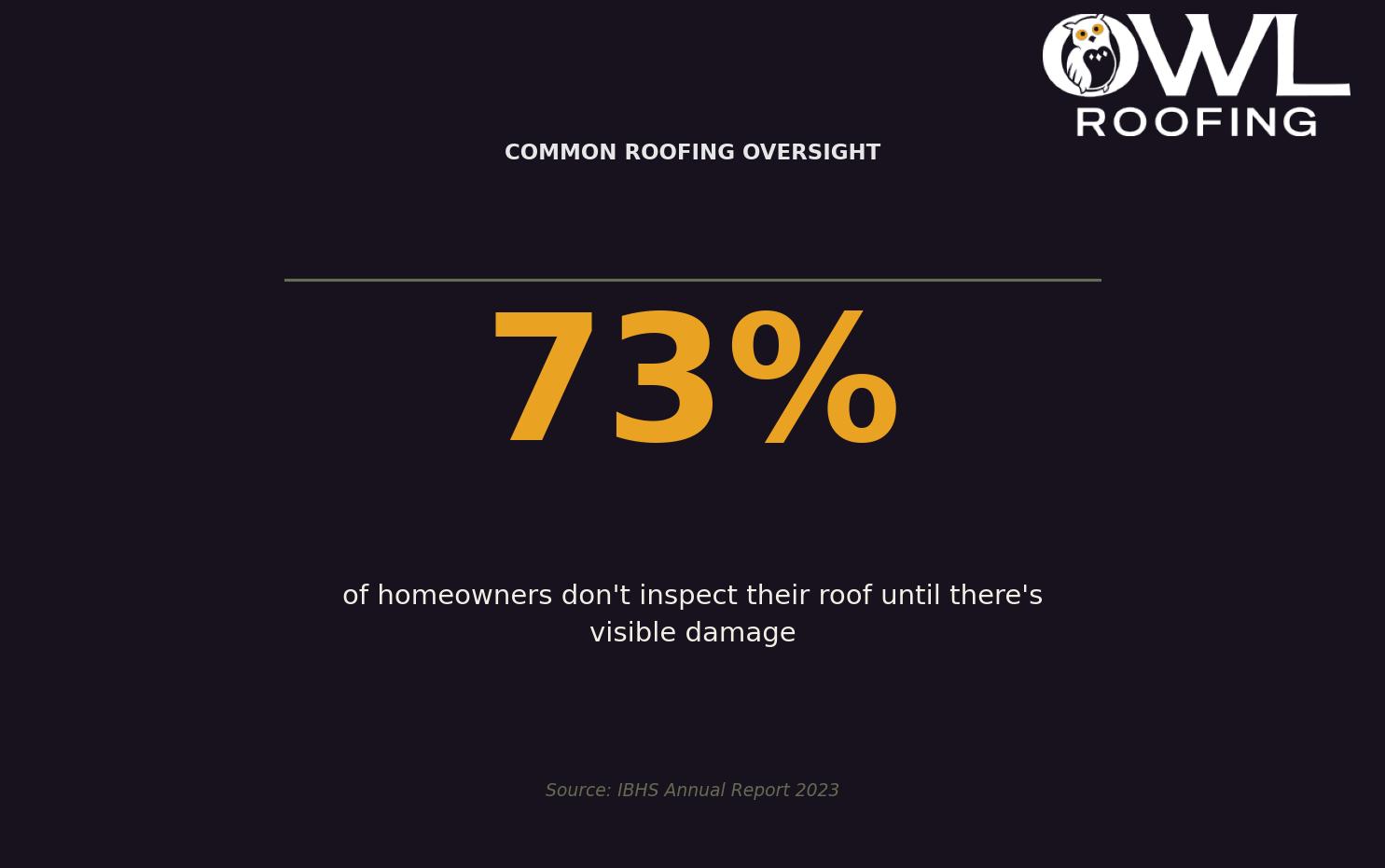
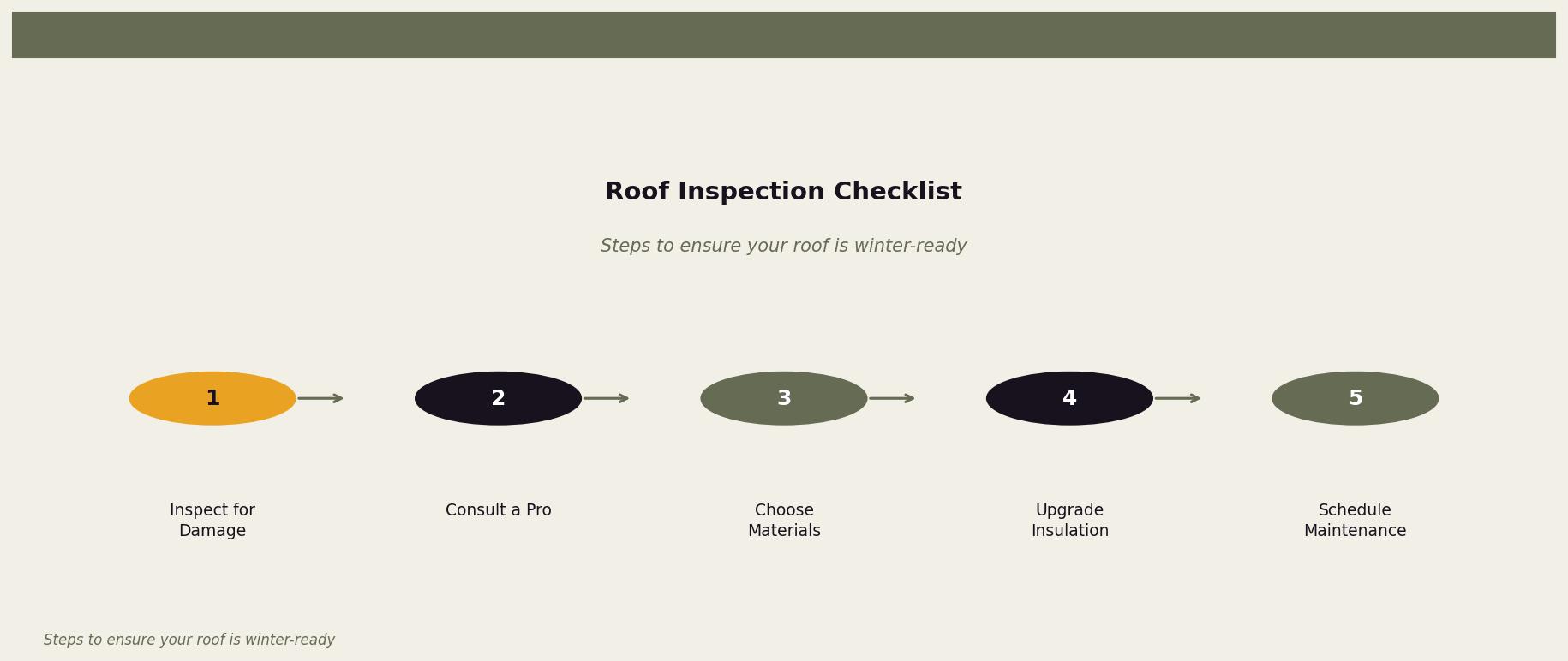
- Get an inspection. A professional can spot vulnerabilities to freeze-thaw damage, missing or damaged shingles, ventilation problems, and early signs of ice dam issues. The IBHS found that 73% of homeowners don’t inspect their roof until there’s visible damage—don’t be part of that statistic.
- Consult local experts. Talk to roofing contractors who work in the Twin Cities and understand our climate. They can recommend materials that make sense for your specific home and budget.
- Consider the whole system. A new roof plus improved attic insulation and ventilation will outperform a new roof alone. Think of it as a package deal for winter protection.
- Plan for maintenance. The NRCA advises regular maintenance and timely repairs to maximize any roof’s lifespan. A small repair now beats a major replacement later.
- Don’t wait for emergency mode. The best time to address roof concerns is before winter hits—not when you’re dealing with an active leak and contractors are slammed.
Bottom Line: Protect Your Home Before the Snow Flies
Minnesota winters aren’t going anywhere. But with the right roofing material—whether that’s quality asphalt shingles, durable metal, or elegant synthetic slate—you can face them with confidence instead of anxiety. Each option brings its own advantages, and the best choice depends on your home, your budget, and how long you plan to stay.
The key is making an informed decision now, before the first snowflake falls. A roof that’s ready for winter means a home that stays warm, dry, and damage-free. And that’s worth more than any material spec sheet can capture.
Need a Hand? We’re Right Here in the Neighborhood
At Owl Roofing, we’ve seen every type of roof damage Minnesota winters can dish out—and we’ve helped our neighbors fix it, prevent it, and stop worrying about it. We’re a family-owned company based right here in Shoreview, serving homeowners across the Twin Cities. Tim, Bea, Noah, and Anya—real people, not a franchise, not storm chasers passing through. We’ve got 15+ years of combined experience, and we actually live here. We know what works in this climate because we deal with the same winters you do.
If you’re wondering whether your roof is ready for another Minnesota winter, give us a call at 651-977-6027 or visit owlroofing.com/. We’ll take a look, tell you exactly what we see, and help you figure out the best path forward—no pressure, no corporate runaround. Just honest advice from your neighbors.
Protect Your Nest.
📍 Owl Roofing Serves the Entire Twin Cities Metro
Andover · Anoka · Apple Valley · Arden Hills · Big Lake · Blaine · Bloomington · Brooklyn Center · Brooklyn Park · Burnsville · Champlin · Chanhassen · Chaska · Columbia Heights · Coon Rapids · Cottage Grove · Crystal · deephaven · Delano · Eagan · East Bethel · Eden Prairie · Excelsior · Farmington · Forest Lake · Fridley · Golden Valley · Ham Lake · Hastings · Hopkins · Hugo · Inver Grove Heights · Lake Elmo · Lakeville · Lino Lakes · Mahtomedi · Maplewood · Mendota Heights · Minneapolis · Minnetrista · Mound · Mounds View · New Brighton · New Hope · North Oaks · North St. Paul · Oak Grove · Oakdale · Plymouth · Prior Lake · Ramsey · Richfield · Robbinsdale · Rosemount · Roseville · Saint Paul · Savage · Shakopee · Shoreview · South St. Paul · St. Louis Park · St. Michael · St. Paul · Stillwater · Vadnais Heights · Victoria · Waconia · wayzata · West St. Paul · White Bear Lake · woodbury
Licensed Minnesota roofing contractor · Free inspections · 10-year workmanship warranty · Get a free estimate →
