


Soffit and Fascia Repair Minneapolis What Homeowners Should Know
 12min Read
 Posted 2.17.2026
Soffit and Fascia Repair Minneapolis: What Homeowners Should Know
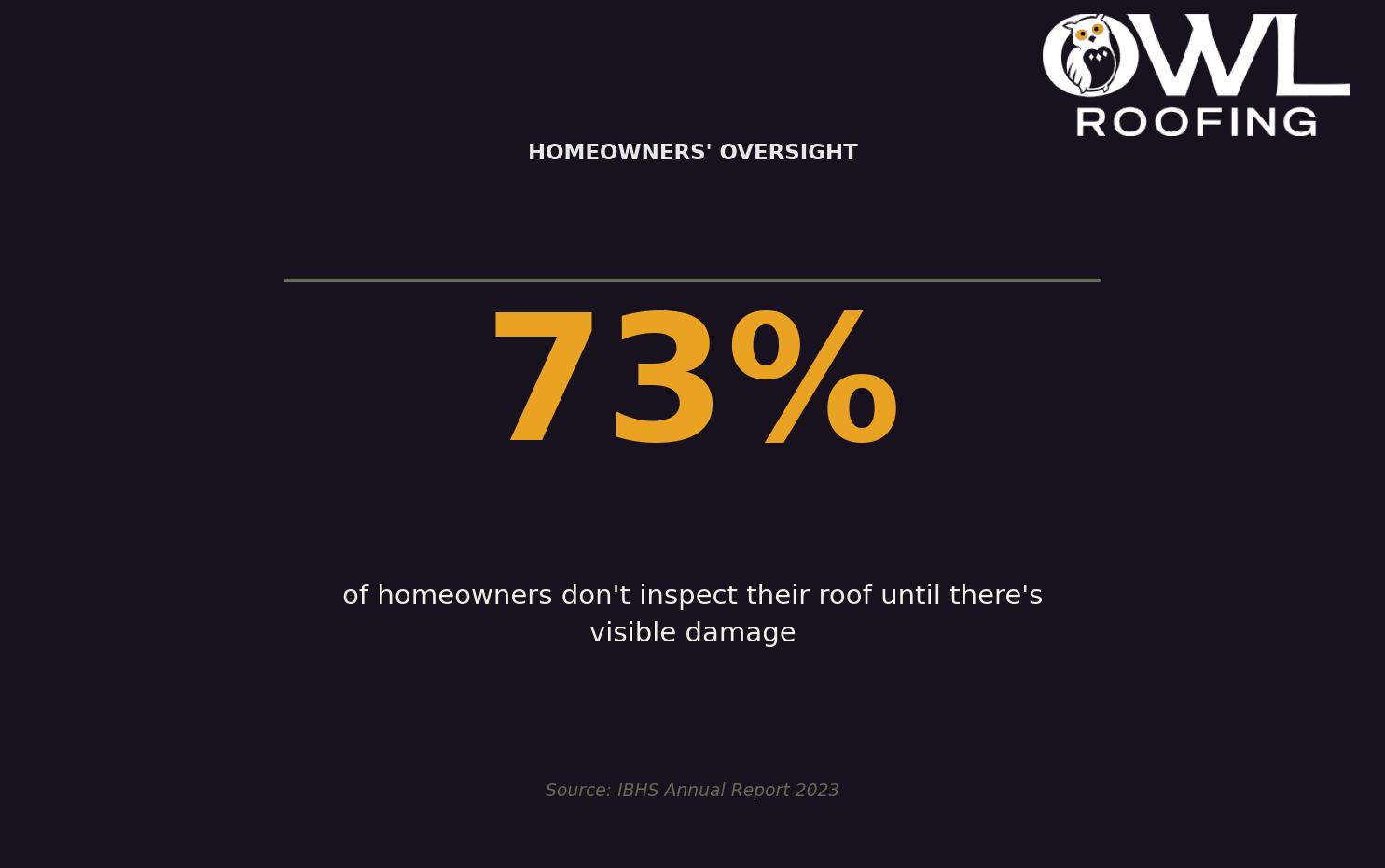
That peeling strip under your roofline? It’s not just ugly—it’s an open invitation for water, pests, and rot to move into your home. According to the Insurance Institute for Business & Home Safety (IBHS), 73% of homeowners never inspect their roof until damage is already visible. By then, what started as a cracked fascia board has become a $5,000 problem.
Here’s the good news: soffit and fascia repair in Minneapolis doesn’t have to be complicated or budget-busting. When you catch issues early and work with someone who actually knows Twin Cities weather, you can protect your home, save money, and skip the headaches. Let’s break down exactly what you’re dealing with—and what to do about it.
The Problem: Why Minneapolis Homes Take a Beating
If you’ve lived through a Minnesota winter (or ten), you know our homes work overtime. We’re talking -20°F in January, 90°F in July, and everything in between. That constant expansion and contraction does a number on your home’s exterior—especially the parts you don’t think about much, like soffits and fascias.
These aren’t just decorative trim pieces. They’re your home’s first line of defense against moisture, critters, and energy loss. When they fail, the problems cascade fast:
- Water sneaks in. Damaged fascia lets moisture reach your roof decking and rafters. In Minnesota’s freeze-thaw cycle, that moisture becomes ice, which expands, which causes more damage. Rinse and repeat—literally.
- Pests find a home. Squirrels, birds, wasps, and even raccoons love a nice rotted soffit. It’s basically a welcome mat with a neon sign.
- Energy bills climb. Your soffits provide crucial attic ventilation. When they’re damaged or blocked, your attic can’t breathe properly. That means ice dams in winter and a sweltering attic in summer—both of which cost you money.
- Structural damage follows. Left unchecked, wood rot spreads from fascia to rafters to roof decking. What could’ve been a simple repair becomes a major reconstruction project.
Local data from the Minnesota Department of Commerce shows that Twin Cities homes average 2-3 roof-related insurance claims per year—many of which could’ve been prevented with basic soffit and fascia maintenance. That’s not a scare tactic. That’s just math.
What Exactly Are Soffits and Fascias?
Before we go further, let’s make sure we’re speaking the same language. These terms get tossed around a lot, but not everyone knows what they actually mean.
Soffits: The Underside of Your Overhang
Look up at your roof’s overhang from the outside. See that horizontal surface connecting your exterior wall to the edge of your roof? That’s your soffit. It’s usually ventilated (you’ll notice small perforations or vents) to allow air circulation into your attic.
Proper soffit ventilation is critical. It lets fresh air enter your attic while hot, moist air escapes through ridge vents at the top. Without this airflow, you get moisture buildup, mold growth, and those nasty ice dams that Minnesota homeowners know all too well.
Fascias: The Vertical Edge
The fascia is the vertical board that caps the end of your roof rafters. It’s what your gutters attach to. When you’re standing in your yard looking at your house, the fascia is that long horizontal band running along the roofline.
Fascias take a lot of abuse. They’re exposed to rain, snow, ice, and sun—plus all the water that flows through your gutters (and occasionally overflows). When gutters clog or pull away, the fascia boards behind them often pay the price.
Common Problems We See in the Twin Cities
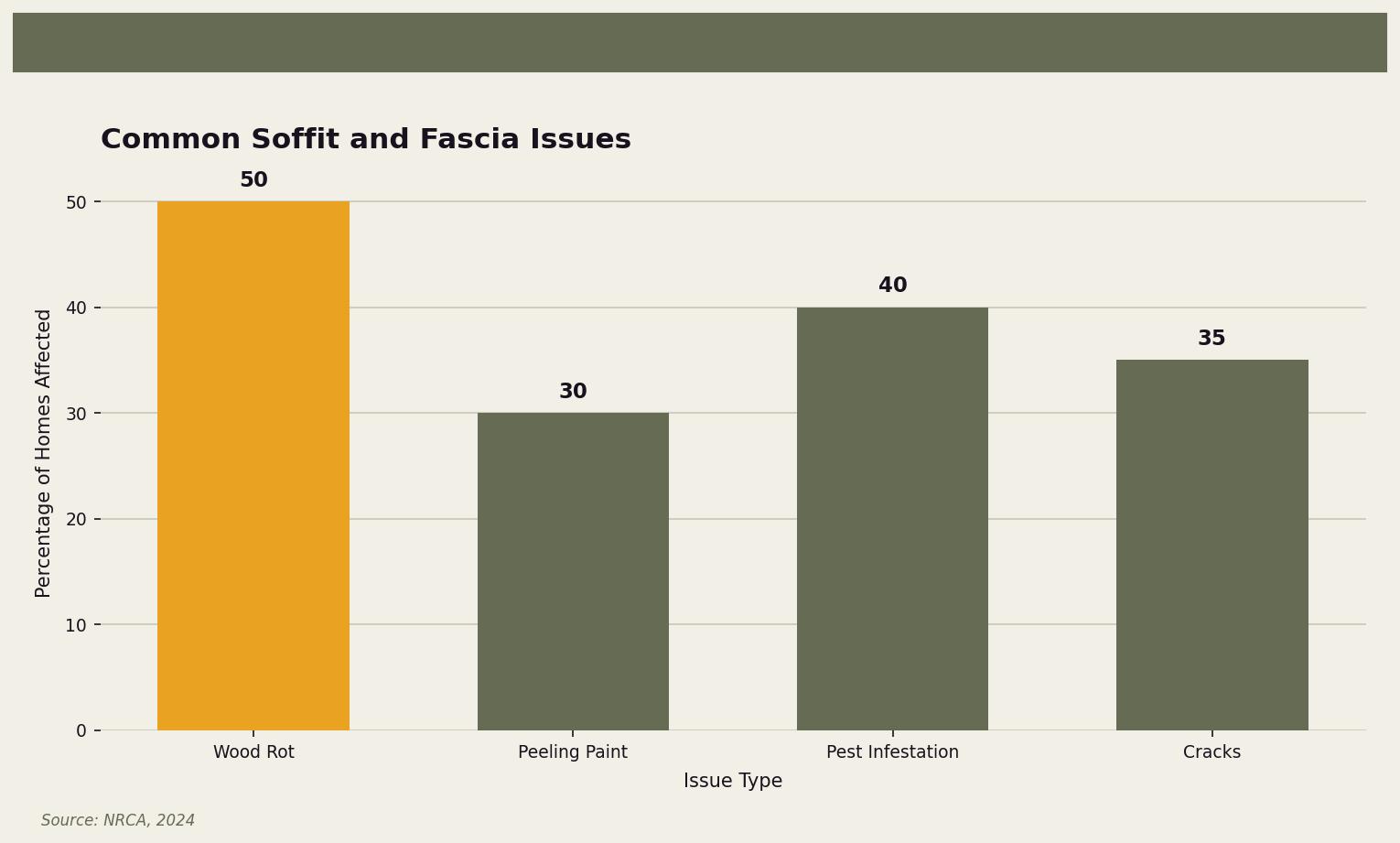
According to the National Roofing Contractors Association (NRCA), certain soffit and fascia issues show up more frequently in regions with extreme weather. Sound familiar? Here’s what Minneapolis homeowners typically run into:
Wood Rot
This is the big one. NRCA data shows wood rot affects roughly 50% of homes with aging soffits and fascias in climates like ours. Minnesota’s freeze-thaw cycles are brutal on wood. Moisture gets into small cracks, freezes, expands, and creates bigger cracks. More moisture gets in. The cycle continues until the wood is soft, spongy, and basically useless.
You can often spot wood rot by pressing on the fascia board with your thumb. If it gives at all, you’ve got rot. Sometimes the damage is hidden behind paint that looks fine from the ground—another reason hands-on inspection matters.
Peeling and Flaking Paint
Peeling paint affects about 30% of homes and is often an early warning sign. Paint doesn’t just peel for no reason. Usually, it means moisture is getting behind the surface, or the wood underneath is starting to deteriorate. If you catch it early, a good scraping, priming, and repainting can buy you several more years. Ignore it, and you’ll be replacing boards instead.
Pest Infestation
About 40% of homes with damaged soffits and fascias end up with uninvited guests. Carpenter bees bore holes in exposed wood. Squirrels and raccoons exploit any gap larger than a couple inches. Birds nest in soffit vents. Wasps build colonies in protected corners.
Beyond the obvious creepiness factor, pests cause real damage. Carpenter ants and termites can destroy structural wood. Animal urine and droppings create health hazards and horrible smells. And once pests are established, getting them out is expensive and disruptive.
Cracks and Gaps
Roughly 35% of homes show visible cracking in their soffit and fascia materials. Sometimes it’s thermal expansion doing its thing. Sometimes it’s age. Sometimes it’s poor installation from the start. Whatever the cause, cracks let water in—and in Minnesota, water that gets in during fall becomes ice that destroys things during winter.
Repair vs. Replacement: How to Decide
Not every soffit and fascia issue requires a full replacement. Here’s how to think about it:
When Repair Makes Sense
If the damage is limited and the underlying structure is sound, repair is usually your best bet. This includes:
- Peeling or flaking paint on otherwise solid wood
- Small cracks that haven’t allowed moisture penetration
- Minor pest damage that can be patched and sealed
- Isolated sections of damage (one or two boards, not entire runs)
The National Association of Realtors (NAR) estimates that regular maintenance can prevent nearly 30% of all roof-related problems. A few hundred dollars in repairs now can save thousands later. That’s not a sales pitch—it’s just how buildings work.
When Replacement Is the Right Call
Sometimes repair is just throwing money at a losing battle. Consider replacement when you’re dealing with:
- Widespread wood rot (more than 20-30% of the total run)
- Persistent moisture problems that keep coming back
- Structural damage to the rafters or roof decking behind the fascia
- Severe pest damage that has compromised the wood’s integrity
- Materials that have simply reached the end of their useful life
Here’s something worth knowing: according to a 2023 IBHS report, homes with updated soffits and fascias are 40% less likely to suffer moisture-induced damage. New materials—especially aluminum and vinyl—stand up to Minnesota weather far better than the wood siding that came on many older Twin Cities homes.
Material Options for Replacement
If you’re replacing, you’ve got choices:
- Wood: Traditional look, requires ongoing maintenance (painting, sealing), most vulnerable to rot and pests. Can be a good choice if you’re committed to upkeep and want to match historic homes.
- Vinyl: Affordable, low-maintenance, won’t rot or attract pests. Can fade over time and doesn’t hold up as well to extreme temperature swings.
- Aluminum: Durable, weather-resistant, handles Minnesota temperatures well. More expensive than vinyl but lasts longer and looks better over time.
- Fiber cement: Extremely durable, fire-resistant, holds paint well. Heavier and more expensive to install, but built to last decades.
Each material has tradeoffs. The right choice depends on your budget, your home’s style, and how much maintenance you want to deal with going forward.
Your Action Plan: What to Do Next
Ready to get ahead of this before it becomes a bigger problem? Here’s your game plan:
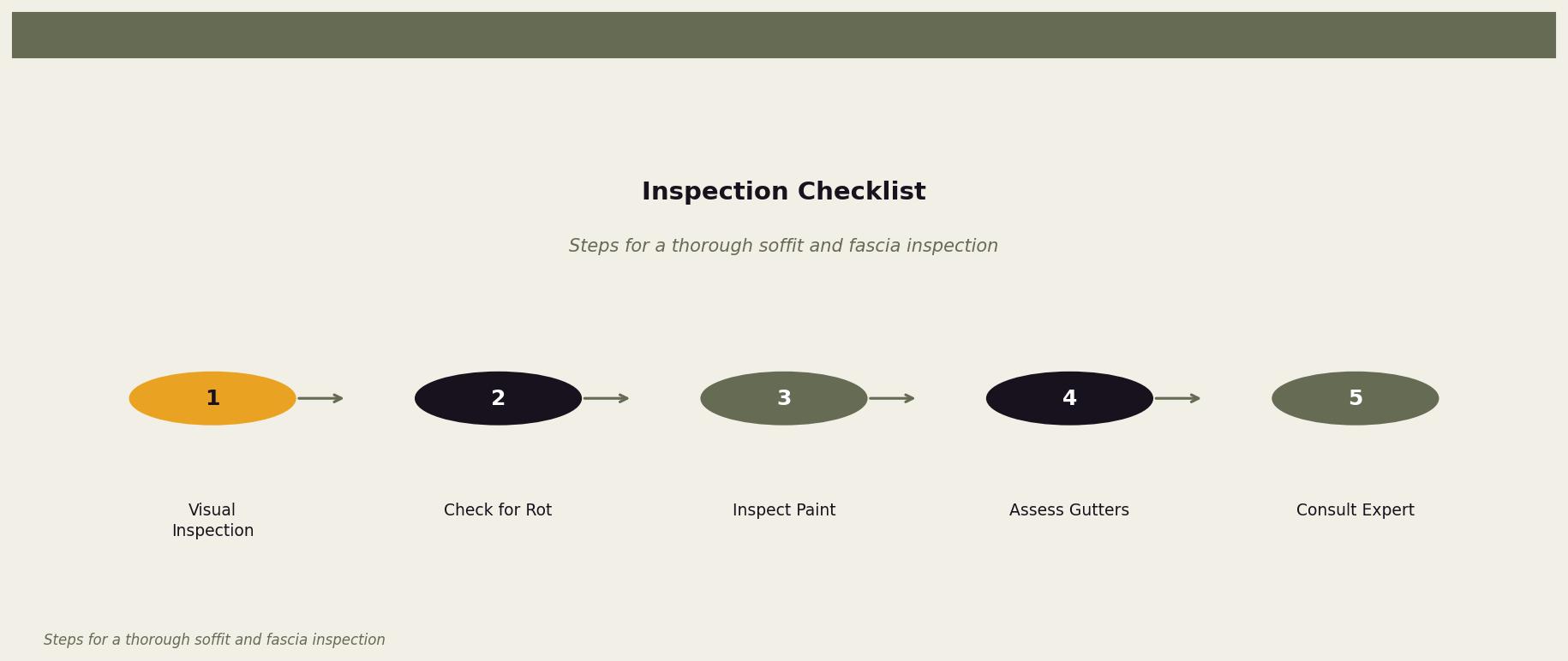
Step 1: Do a Visual Inspection
Grab a pair of binoculars if you have them—or just walk your property’s perimeter and look up. You’re checking for:
- Discoloration or staining (signs of moisture)
- Visible cracks, holes, or gaps
- Sagging sections
- Peeling or bubbling paint
- Pest activity (nests, droppings, entry holes)
Step 2: Check for Rot
If you can safely reach your fascia boards (a sturdy ladder and a spotter help), press firmly with your thumb or a screwdriver. Solid wood won’t give. Rotted wood will feel soft or spongy. Pay special attention to areas near gutter downspouts and corners where water tends to collect.
Step 3: Inspect Your Gutters
Clogged or damaged gutters are one of the biggest causes of fascia damage. If water is overflowing or pooling instead of draining properly, your fascia is taking the hit. Clean gutters twice a year—spring and fall—and make sure they’re properly attached.
Step 4: Look at Your Paint
Paint isn’t just cosmetic. It’s a protective barrier. If it’s peeling, bubbling, or cracking, moisture is getting in. Addressing paint issues early (scrape, prime, repaint) can extend the life of your soffits and fascias significantly.
Step 5: Consult an Expert
Some damage is obvious. Some isn’t. If you’re unsure what you’re looking at—or if you know there’s a problem but aren’t sure how bad it is—get a professional assessment. A good contractor will tell you honestly whether you need repair, replacement, or just maintenance.
Protecting Your Minneapolis Home for the Long Haul
Soffits and fascias aren’t glamorous. Nobody brags about them at dinner parties. But they’re doing critical work every single day—keeping water out, letting your attic breathe, and making sure pests stay outside where they belong.
In a climate as demanding as Minneapolis, staying on top of these components isn’t optional—it’s just smart homeownership. A little attention now prevents a lot of expense and hassle later. The best time to deal with soffit and fascia issues is before they become emergencies.
Ready to Get Your Soffits and Fascias Checked?
If you’re in the Twin Cities and something in this article hit a little close to home, we’d be happy to take a look. Owl Roofing is based right here in Shoreview—we’re your neighbors, not some franchise crew passing through after a storm. Tim and Bea, Noah and Anya—we’ve spent 15+ years working on Twin Cities homes, and we’ve seen every kind of soffit and fascia damage Minnesota weather can dish out.
We’ll come out, inspect what’s going on, and tell you straight what needs attention and what can wait. No pressure, no pushy sales tactics—just honest advice from people who actually live here and care about doing the job right.
Give us a call at 651-977-6027 or visit owlroofing.com/ to schedule a free inspection. We serve Shoreview, Minneapolis, St. Paul, and all surrounding Twin Cities communities.
Protect Your Nest.
📍 Owl Roofing Serves the Entire Twin Cities Metro
Andover · Anoka · Apple Valley · Arden Hills · Big Lake · Blaine · Bloomington · Brooklyn Center · Brooklyn Park · Burnsville · Champlin · Chanhassen · Chaska · Columbia Heights · Coon Rapids · Cottage Grove · Crystal · deephaven · Delano · Eagan · East Bethel · Eden Prairie · Excelsior · Farmington · Forest Lake · Fridley · Golden Valley · Ham Lake · Hastings · Hopkins · Hugo · Inver Grove Heights · Lake Elmo · Lakeville · Lino Lakes · Mahtomedi · Maplewood · Mendota Heights · Minneapolis · Minnetrista · Mound · Mounds View · New Brighton · New Hope · North Oaks · North St. Paul · Oak Grove · Oakdale · Plymouth · Prior Lake · Ramsey · Richfield · Robbinsdale · Rosemount · Roseville · Saint Paul · Savage · Shakopee · Shoreview · South St. Paul · St. Louis Park · St. Michael · St. Paul · Stillwater · Vadnais Heights · Victoria · Waconia · wayzata · West St. Paul · White Bear Lake · woodbury
Licensed Minnesota roofing contractor · Free inspections · 10-year workmanship warranty · Get a free estimate →
