What Are Impact Resistant Shingles? 5 Reasons to Upgrade Now
 6min Read
 Posted 5.08.2026
Understanding impact resistant shingles is important for homeowners looking to protect their roof from storm damage and extend the lifespan of their roofing system. These shingles are specifically designed to withstand impacts from hail and debris, making them a strong option for homes in areas that experience severe weather.
Compared to standard asphalt shingles, impact resistant shingles are built with reinforced materials that improve durability and reduce the risk of damage. For homeowners planning a roofing project or considering a roof replacement, these shingles are often worth evaluating.
Homeowners should understand:
- What impact resistant shingles are: How they differ from standard roofing materials.
- Performance benefits: Why they are designed for durability.
- When to upgrade: Situations where they provide the most value.

What Are Impact Resistant Shingles?
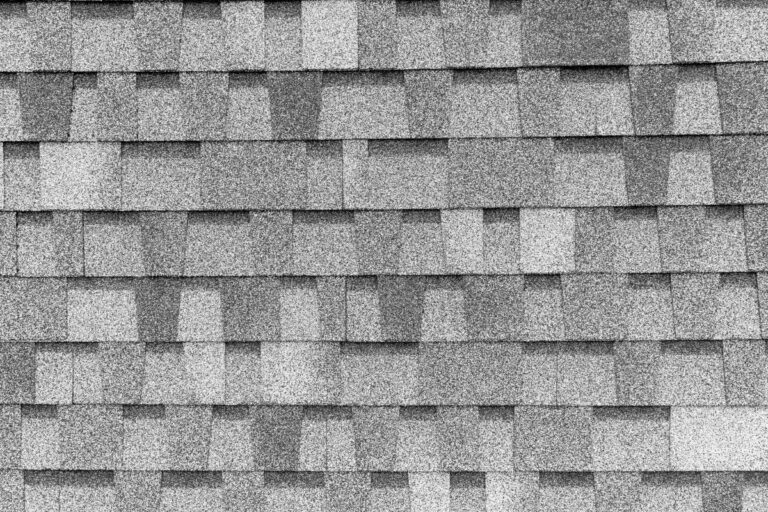
Impact resistant shingles are asphalt shingles engineered with additional reinforcement to help resist damage from hail and debris. These shingles are typically tested and rated based on their ability to withstand impact without cracking or breaking.
They are commonly rated using a Class 4 impact rating, which is the highest level of resistance available for asphalt shingles.
How Impact Resistance Works
Impact resistant shingles are designed with materials that absorb or deflect impact energy, reducing the chance of damage.
- Reinforced layers: Additional materials increase strength.
- Flexible construction: Helps shingles bend instead of crack.
- Impact testing: Class 4 shingles are tested for durability.
What Is a Class 4 Rating?
A Class 4 rating indicates that shingles have passed a standardized impact test designed to simulate hail.
- Steel ball test: Shingles are tested using a falling steel ball.
- No cracking requirement: Must resist visible cracking.
- Highest rating: Class 4 offers the best impact protection.
5 Reasons to Upgrade to Impact Resistant Shingles
Upgrading to impact resistant shingles can provide several long term benefits for homeowners. These advantages are especially important in areas where weather conditions can cause frequent roof damage.
1. Improved Storm Protection
Impact resistant shingles are designed to handle hail and debris more effectively than standard shingles.
- Hail resistance: Reduces damage from hail impacts.
- Wind durability: Helps shingles stay in place during storms.
- Reduced repairs: Fewer storm related issues over time.
2. Longer Roof Lifespan
Because they are more durable, impact resistant shingles can last longer than traditional roofing materials.
- Material strength: Reinforced construction extends lifespan.
- Less wear: Reduced damage over time.
- Better performance: Maintains protection longer.
3. Potential Insurance Benefits
Some insurance providers offer discounts for homes with impact resistant roofing materials.
- Lower premiums: Discounts may apply in some cases.
- Reduced claims: Stronger roofs lead to fewer claims.
- Added value: Improves long term cost efficiency.
4. Better Long Term Value
While impact resistant shingles may cost more upfront, they can provide savings over time.
- Fewer repairs: Reduced maintenance costs.
- Extended lifespan: Delays need for roof replacement.
- Improved durability: Stronger protection against weather.
5. Increased Home Protection
A stronger roof helps protect the entire home structure from weather related damage.
- Water prevention: Reduces risk of leaks.
- Structural protection: Protects underlying materials.
- Peace of mind: Reliable performance during storms.
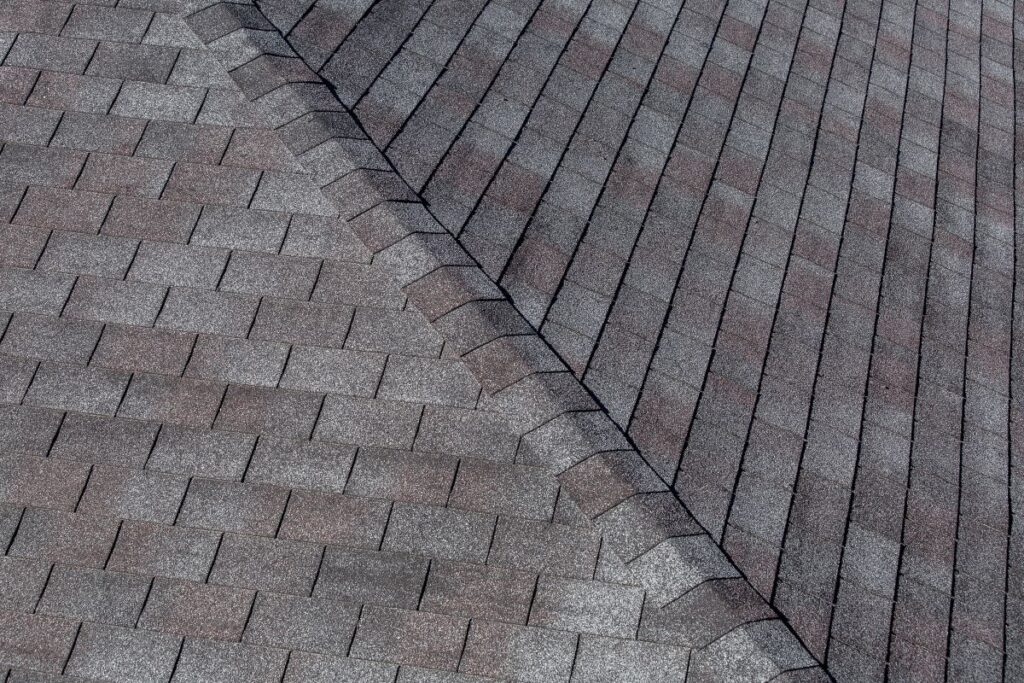
Why Impact Resistant Shingles Matter in Minnesota
Minnesota weather can be especially challenging for roofing systems. Homes in this region experience a combination of hail, strong winds, heavy snow, and temperature fluctuations throughout the year.
These conditions make durable roofing materials an important consideration for homeowners.
Common Weather Challenges
Roofing systems in Minnesota must handle a variety of environmental conditions.
- Hail storms: Can cause significant roof damage.
- Freeze thaw cycles: Expand and contract roofing materials.
- Heavy snow: Adds weight and stress to roofs.
How Impact Resistant Shingles Perform
Impact resistant shingles are designed to perform well under these conditions.
- Hail resistance: Helps prevent cracking and granule loss.
- Durability in cold weather: Maintains flexibility in lower temperatures.
- Long term reliability: Handles repeated weather exposure.
Installation and Cost Considerations
Impact resistant shingles typically cost more than standard asphalt shingles, but the added durability can make them a practical investment.
Homeowners should consider both upfront costs and long term value when planning a roofing project.
Cost Differences
The cost of impact resistant shingles depends on material and installation factors.
- Higher upfront cost: More expensive than standard shingles.
- Material quality: Reinforced construction increases price.
- Long term savings: Reduced repairs may offset cost.
Installation Process
Installation is similar to standard asphalt shingles but may require experienced contractors.
- Professional installation: Ensures proper performance.
- Material handling: Reinforced shingles require careful placement.
- Quality checks: Ensures durability and reliability.
FAQs About Impact Resistant Shingles
Q: Are impact resistant shingles worth it in Minnesota?
A: Impact resistant shingles are often worth it in Minnesota because hail and storm damage are common. Homeowners benefit from fewer repairs and improved durability, especially in areas that experience frequent severe weather.
Q: Do impact resistant shingles help reduce insurance costs?
A: Some insurance providers in Minnesota offer discounts for impact resistant shingles. Coverage and savings vary by provider, but installing these shingles may reduce long term insurance costs.
Q: How long do impact resistant shingles last compared to standard shingles?
A: Impact resistant shingles often last longer than standard asphalt shingles due to their reinforced construction. While lifespan varies, they generally experience less damage over time, which helps extend roof performance.
Q: Can impact resistant shingles prevent all roof damage?
A: Impact resistant shingles reduce the risk of damage but do not eliminate it completely. Severe storms can still cause damage, but these shingles provide stronger protection compared to standard roofing materials.
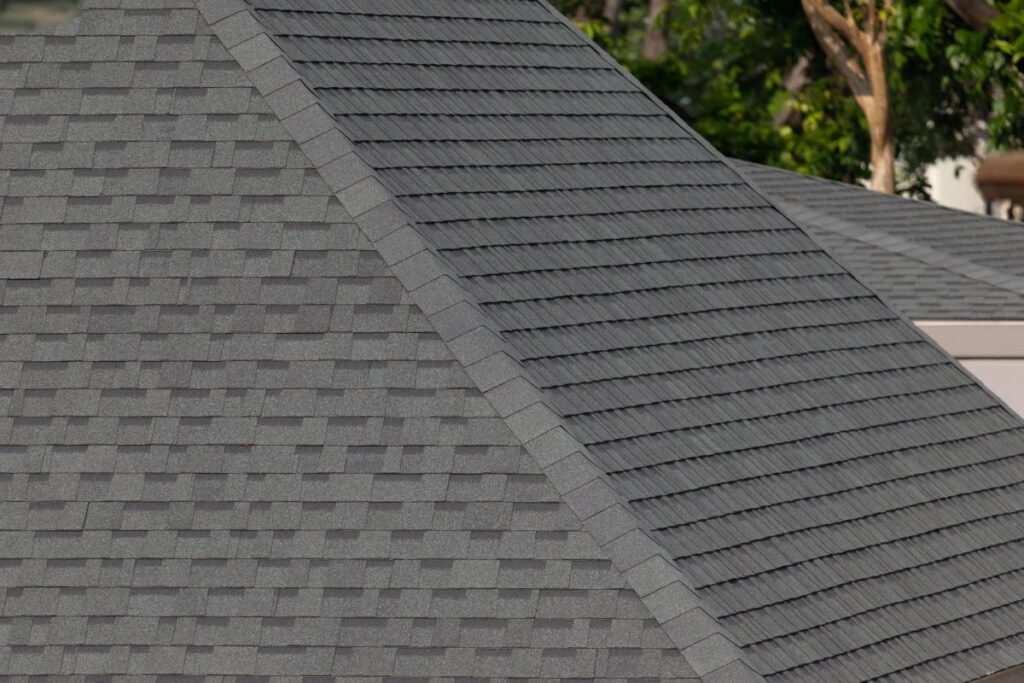
Upgrade Your Roof With Durable Materials
Impact resistant shingles provide an added layer of protection for homes exposed to harsh weather conditions. Understanding how these shingles work and their benefits helps homeowners make informed decisions about roofing materials.
At Owl Roofing, we provide residential roofing services, roof replacement, and roofing project guidance for homeowners looking to upgrade their roofing materials. Our team helps evaluate whether impact resistant shingles are the right fit based on your home and local conditions.
If you are considering upgrading to impact resistant shingles or planning a roofing project, contact Owl Roofing today to schedule a free inspection. Our team can help you choose durable materials designed to protect your home long term.

Recent Articles
Explore The Blog