


Can You Walk on a Roof Safely Tips and Risks
 12min Read
 Posted 12.17.2025
Can You Walk on a Roof Safely? Tips and Risks for Twin Cities Homeowners
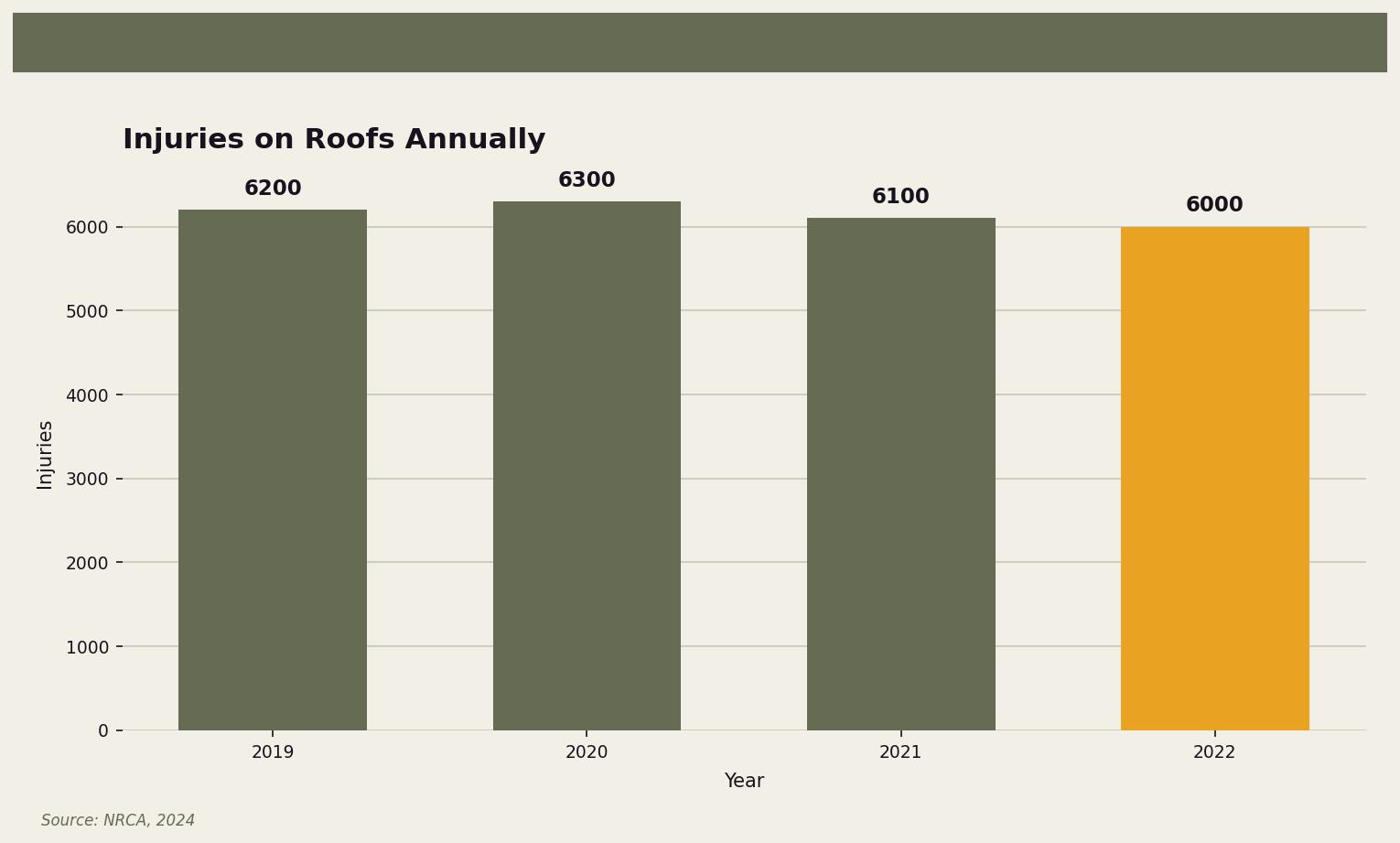
Every year, more than 6,000 Americans end up injured after walking on their roofs. And here in the Twin Cities? Our freeze-thaw cycles, ice-covered shingles, and steep pitches make that number hit a little closer to home. Before you grab that ladder to check on a suspicious leak or clear some debris, let’s talk about what you’re really getting into—and how to do it without ending up in the ER.
Why Roof Safety Isn’t Optional (It’s Survival)
Look, we get it. You’re a capable homeowner. You’ve hung ceiling fans, fixed garbage disposals, maybe even replaced a toilet or two. But roofs are different. They’re not just high—they’re unpredictable. And in Minnesota, they’re actively trying to kill you for about six months of the year.
The National Roofing Contractors Association (NRCA) tracks those 6,000+ annual roof injuries, and they range from broken bones to far worse. But here’s what really gets homeowners into trouble: it’s rarely the dramatic stuff. It’s a wet leaf you didn’t see. A frost patch hiding in the shadow. A shingle that looked solid but wasn’t.
The Insurance Institute for Business & Home Safety (IBHS) adds another layer to consider—improper handling during a DIY roof inspection can lead to structural damage, void your warranties, and actually create new leaks. That quick peek at a problem spot? It can turn into a much bigger headache if you crack shingles, shift flashing, or punch through weakened decking.
Understanding how to walk on a roof safely isn’t about being paranoid. It’s about being smart. And sometimes, being smart means knowing when to stay on the ground.
Before You Climb: Assessing What You’re Dealing With
Start From the Ground (Seriously)
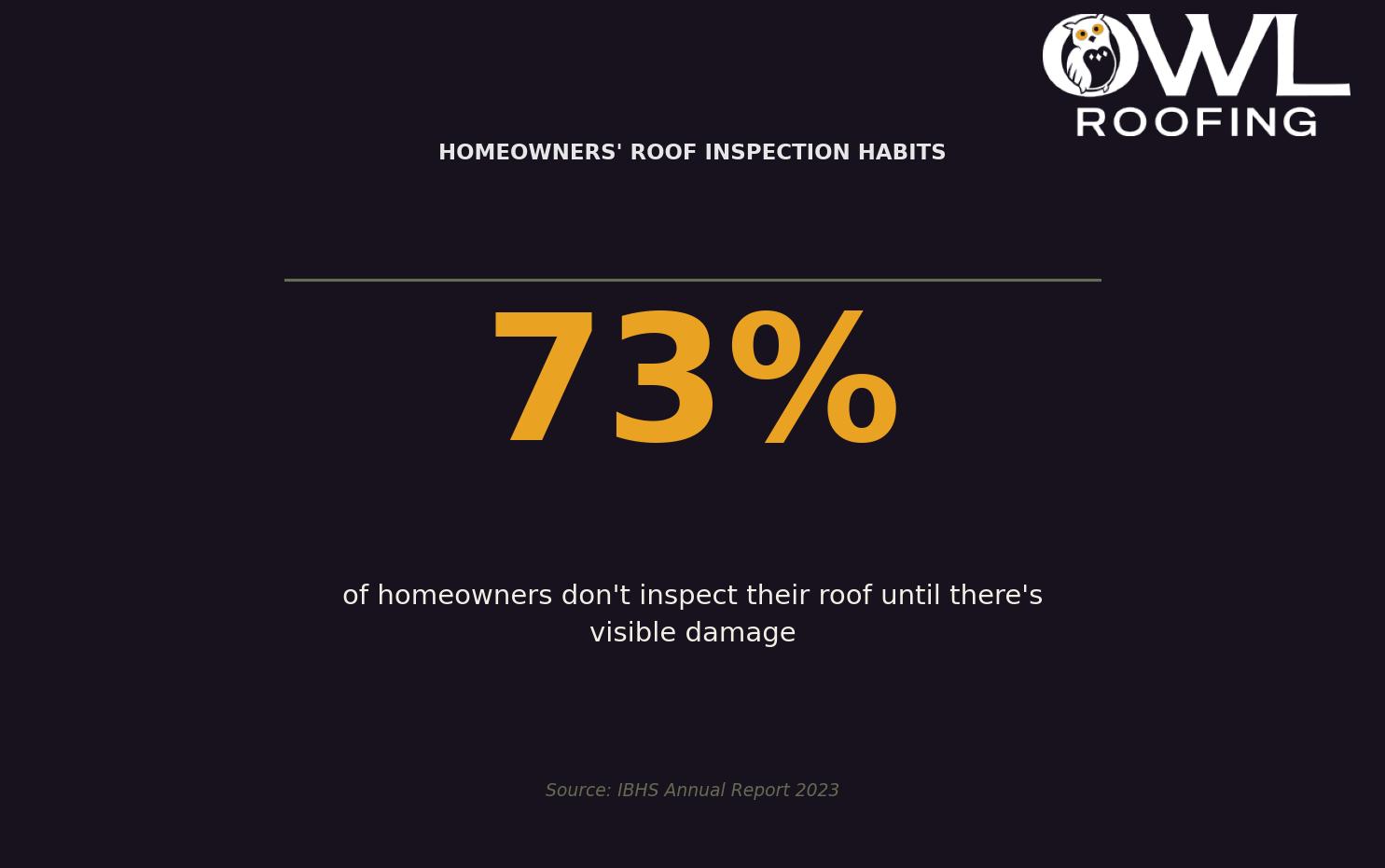
Here’s a stat that might surprise you: according to the IBHS, 73% of homeowners don’t inspect their roof until there’s visible damage. By that point, a small issue has usually become a big, expensive one.
But here’s the good news—you can catch a lot of problems without ever leaving the ground. Grab some binoculars and walk the perimeter of your home. Look for:
- Missing or curling shingles — These are obvious red flags and also danger zones if you do climb up
- Sagging areas — This could indicate water damage or structural issues underneath. Do NOT walk on sagging sections.
- Dark streaks or algae growth — Slippery when wet (and sometimes when dry)
- Debris accumulation — Leaves and branches hide moisture and mask damage
- Damaged flashing — Check around chimneys, vents, and skylights
If you spot significant damage from the ground, that’s your sign to call a professional. No amount of careful footwork will help if you’re stepping onto a compromised roof.
Check the Weather—Then Check It Again
Minnesota weather changes faster than you can climb a ladder. What starts as a clear morning can turn into freezing drizzle by lunch. Before any roof access, look at:
- Rain in the last 24-48 hours — Roofs stay slippery longer than you’d think
- Temperature — Below 40°F and shingles get brittle; add moisture and they’re ice rinks
- Wind — Anything over 15-20 mph can throw off your balance
- Upcoming weather — Don’t start something you can’t finish before conditions change
The Occupational Safety and Health Administration (OSHA) doesn’t mince words on this: wet, icy, or windy conditions make roof work exponentially more dangerous. If the forecast looks iffy, wait.
The Gear That Actually Matters
Footwear: Your Most Important Safety Equipment
Forget those old tennis shoes or work boots with worn treads. What you put on your feet can literally save your life. OSHA recommends footwear with soft, rubber soles that provide maximum traction without damaging roofing materials.
Here’s what to look for:
- Soft rubber soles — They grip better than hard soles and won’t crack shingles
- Good ankle support — You’re walking on an uneven, angled surface
- Fresh treads — If the tread is worn smooth, the shoes are done
- Snug fit — Loose shoes are clumsy shoes
Some roofers swear by specific brands designed for roof work, but quality hiking shoes or even newer running shoes with aggressive tread patterns can work well. The key is traction and stability.
Safety Gear: Don’t Skip This Part
For any roof with significant pitch—and most Twin Cities homes have steeper roofs to shed snow—the NRCA advises using a harness and safety gear. Yes, it feels like overkill. No, it isn’t.
At minimum, consider:
- A roof harness system — Available at hardware stores, often rentable
- A sturdy ladder with stabilizer — The ladder is where many accidents actually happen
- A spotter — Someone on the ground watching and ready to help
- A helmet — Your head is worth protecting
- Gloves — For grip and to protect your hands from hot shingles or sharp edges
Professional roofers use this equipment every day because they know the statistics. You should too.
Different Roofs, Different Risks
Asphalt Shingles: Common but Tricky
Asphalt shingles cover most homes in the Twin Cities, and they present a unique set of challenges. When they’re in good condition and dry, they offer reasonable traction. But:
- Granule loss makes older shingles slippery (those granules in your gutters are a warning sign)
- Heat softens them — walk on hot shingles and you’ll leave footprints and damage
- Cold makes them brittle — step wrong and they crack
- Algae and moss create slick spots even when the rest looks dry
Walk on asphalt shingles in moderate temperatures (50-70°F is ideal), step gently, and never drag your feet.
Metal Roofs: Durable but Slick
Metal roofs are growing in popularity for their longevity and energy efficiency, but they’re a different beast to walk on. According to the National Association of Realtors (NAR), metal roofs can also be noisy and amplify sounds, which might not seem like a safety issue—until you realize that unexpected noises can startle you and throw off your balance.
The bigger concern: metal is slippery. Period. Even when it looks dry, morning dew or humidity can create an invisible slick layer. Add frost, and you might as well be walking on a hockey rink tilted at a 30-degree angle.
If you must walk on a metal roof:
- Wait for it to be completely dry and warm to the touch
- Step on the flat sections near the structural supports (usually the raised seams)
- Move slowly and deliberately
- Consider specialized footwear with rubber designed for metal surfaces
Flat Roofs vs. Steep Slopes
Flat roofs—common on some modern homes, garages, and additions—are generally easier to navigate. But they come with their own hazards:
- Ponding water that hides surface damage
- Softer membrane materials that puncture more easily
- Edge risks — without a slope to orient you, it’s easier to misjudge where the edge is
Sloped roofs, the Minnesota standard, present obvious fall risks. The steeper the pitch, the more critical your safety gear becomes. The NRCA is clear on this: use a harness on any steep or high roof. Falls happen fast, and there’s no grabbing onto a shingle to save yourself.
Minnesota’s Special Challenges
Let’s talk about what makes Twin Cities roofs particularly treacherous. It’s not just one thing—it’s the combination.
The Freeze-Thaw Cycle
This is Minnesota’s signature move, and it’s brutal on roofs. Water seeps into tiny cracks, freezes, expands, and cracks them wider. Repeat that cycle dozens of times per winter, and you get:
- Cracked and warped shingles that look solid but break under weight
- Lifted flashing around vents and chimneys
- Compromised underlayment that you can’t see from above
- Ice dams that back up water under shingles and into your home
The IBHS specifically recommends scheduling roof inspections in the fall to prepare for winter’s harsh conditions. That way, any repairs or reinforcements are in place before the first snowfall—and before you’d ever consider climbing up there.
Snow and Ice Accumulation
A cubic foot of wet snow weighs about 20 pounds. A 1,500 square foot roof can hold tens of thousands of pounds of snow after a good storm. That weight stresses the structure, and the ice underneath can hide damage and create incredibly slippery surfaces.
Our advice: don’t walk on a snow-covered or icy roof. Just don’t. If you need snow removed, use a roof rake from the ground or hire someone with proper equipment and insurance.
Your Action Plan for Safe Roof Access
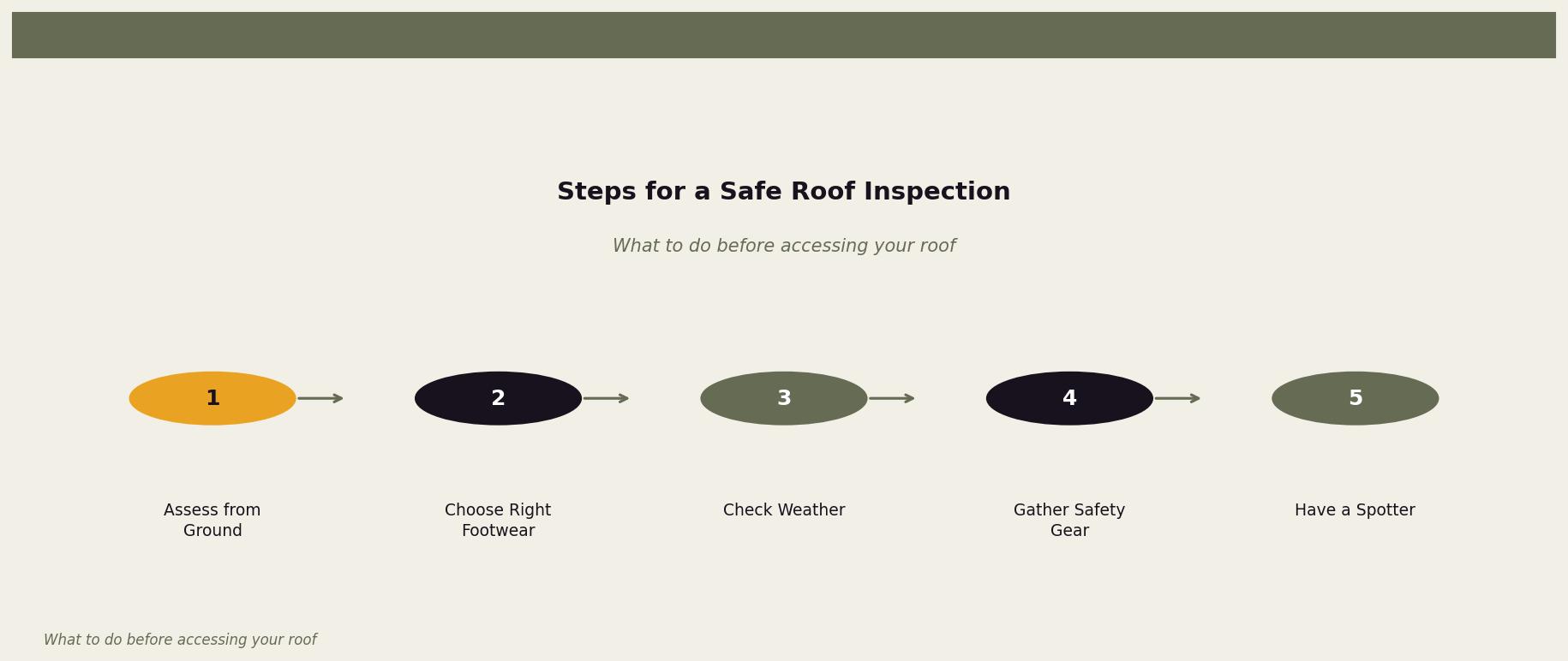
If, after all this, you’ve decided you need to get up there, here’s how to do it with minimum risk:
Before You Climb
- Do your ground inspection first — Know what you’re walking into
- Check (and recheck) the weather — Dry, moderate conditions only
- Gather your safety gear — Proper shoes, harness if needed, gloves, helmet
- Set up your ladder correctly — Extend it 3 feet above the roofline, use a stabilizer, set it at the right angle (1 foot out for every 4 feet up)
- Get a spotter — Someone who can call for help if needed
- Tell someone your plan — How long you’ll be up there and when to check on you
While You’re Up There
- Move slowly and deliberately — No rushing, no distractions
- Keep three points of contact when possible
- Step on the lower portion of shingles (closer to the overlap) where they’re best supported
- Stay away from skylights, vents, and soft spots
- Work in sections so you’re never far from your ladder
- Know your limits — If something feels wrong, get down
When to Stay on the Ground
Honestly? Most of the time. A professional inspection costs far less than an ER visit or a damaged roof. Consider calling in an expert if:
- Your roof is steep (8:12 pitch or higher)
- Your roof is more than 15 years old
- You’ve spotted significant damage from the ground
- You’re not comfortable with heights
- You don’t have proper safety gear
- The weather isn’t perfect
The NAR notes that professional inspections are often more thorough and can identify issues that might be missed by an untrained eye. There’s no shame in knowing your limits—that’s actually wisdom.
Protect Your Nest—And Yourself
Walking on your roof safely comes down to preparation, respect for the risks, and honest self-assessment. Sometimes the safest thing you can do is make the call instead of the climb.
At Owl Roofing, we’ve been on more Twin Cities roofs than we can count—every pitch, every material, every type of damage Minnesota weather can dish out. We’re based right here in Shoreview and serve neighbors throughout the Twin Cities. When you call us, you get Tim, Bea, Noah, or Anya—not a call center, not a storm chaser passing through. If you’re dealing with a roof concern and you’d rather have someone experienced handle the heights, give us a call at 651-977-6027 or visit owlroofing.com/. We’ll take an honest look, tell you exactly what we find, and help you figure out the right next step. Because your safety matters as much as your roof. Protect Your Nest.
📍 Owl Roofing Serves the Entire Twin Cities Metro
Andover · Anoka · Apple Valley · Arden Hills · Big Lake · Blaine · Bloomington · Brooklyn Center · Brooklyn Park · Burnsville · Champlin · Chanhassen · Chaska · Columbia Heights · Coon Rapids · Cottage Grove · Crystal · deephaven · Delano · Eagan · East Bethel · Eden Prairie · Excelsior · Farmington · Forest Lake · Fridley · Golden Valley · Ham Lake · Hastings · Hopkins · Hugo · Inver Grove Heights · Lake Elmo · Lakeville · Lino Lakes · Mahtomedi · Maplewood · Mendota Heights · Minneapolis · Minnetrista · Mound · Mounds View · New Brighton · New Hope · North Oaks · North St. Paul · Oak Grove · Oakdale · Plymouth · Prior Lake · Ramsey · Richfield · Robbinsdale · Rosemount · Roseville · Saint Paul · Savage · Shakopee · Shoreview · South St. Paul · St. Louis Park · St. Michael · St. Paul · Stillwater · Vadnais Heights · Victoria · Waconia · wayzata · West St. Paul · White Bear Lake · woodbury
Licensed Minnesota roofing contractor · Free inspections · 10-year workmanship warranty · Get a free estimate →
