



Fascia Board: What It Is, Why It Matters, and When to Replace It
 17min Read
 Posted 2.28.2026
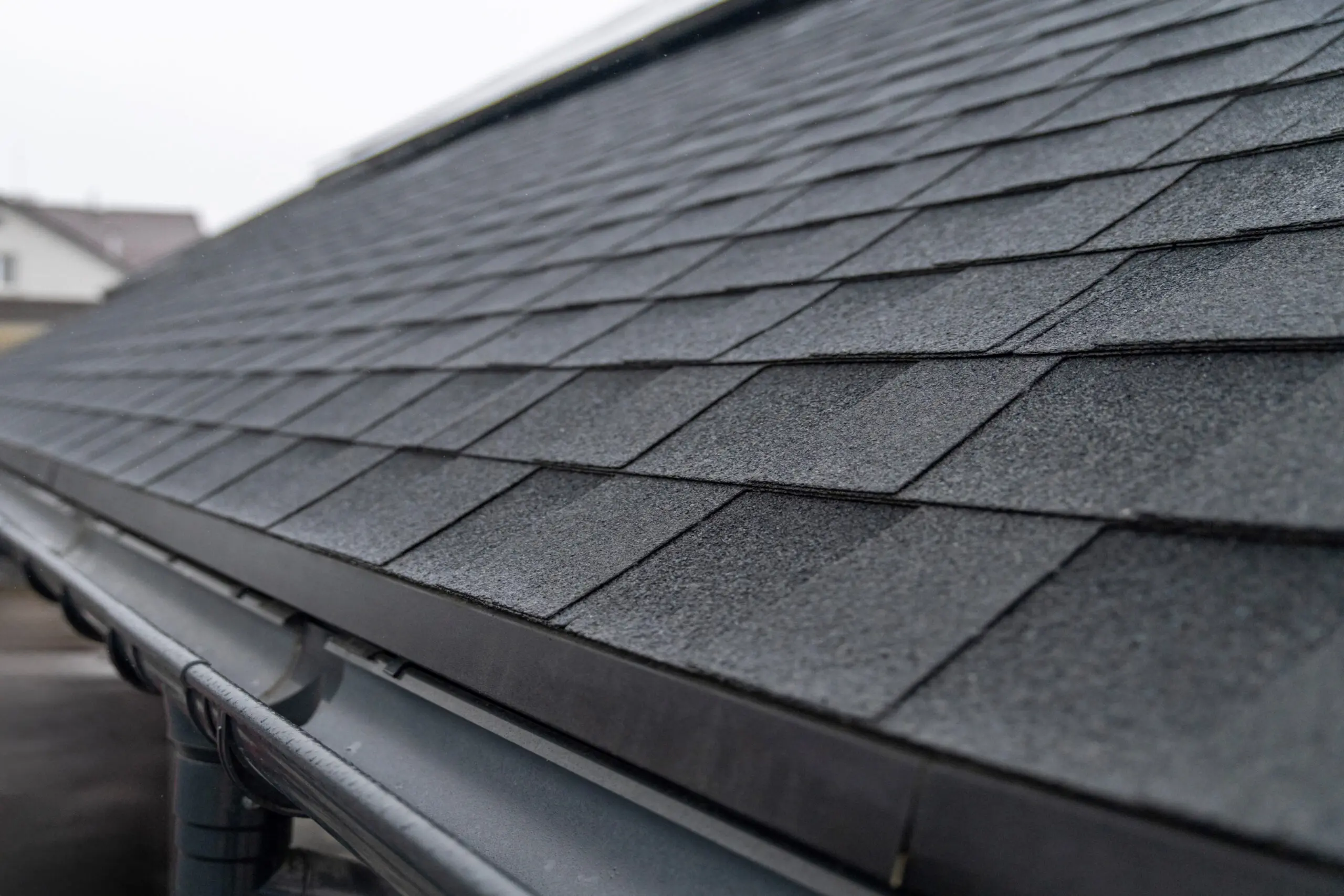
If you’ve ever stood in your driveway and wondered what that long board running along the edge of your roof actually is — that’s the fascia board. It doesn’t get talked about much, but it’s quietly doing some heavy lifting: it’s what holds your gutters up, seals the gap between your roof and your walls, and gives the whole roofline a clean, finished look.
When it fails — and it does fail, especially in Minnesota winters — it can take your gutters with it, invite water into your attic, and cause the kind of damage that turns a $400 fix into a $4,000 headache. Here’s everything you need to know.
Quick Answer
- What it is: A horizontal board running along the roofline, behind the gutters
- What it does: Holds gutters in place, seals the roof edge, protects rafter ends from moisture
- Most common material: Wood (traditional), PVC/vinyl (best for Minnesota winters)
- Lifespan: 10–25 years depending on material and maintenance
- Replacement cost: $6–$25 per linear foot installed; $1,000–$3,500 for most homes
- Red flag: Sagging gutters, peeling paint on the roofline, soft or spongy wood when pressed
1. What Is a Fascia Board — and Exactly Where Is It?
The fascia board (pronounced fay-sha) is the long, vertical-facing board that runs horizontally along the very edge of your roof. It’s mounted directly to the ends of the rafters or roof trusses — those structural members that extend beyond the walls of your house to form the overhang.
From the street, it’s the board you can see just behind the gutters. The gutters are actually bolted or nailed directly into it.
House Wall
Shingles
Rafter Tails (Roof Framing)
FASCIA BOARD
Soffit
Drip Edge
Gutter
Gutter bolts
into fascia
Soffit vents
allow airflow
FASCIA BOARD
Behind the gutter.
Facing the street.
Roofing Underlayment
Notice how the gutter mounts directly to the fascia? That’s why fascia health is so closely tied to gutter performance. A rotting fascia board can’t hold gutter spikes securely — and sagging gutters are often the first sign that the fascia behind them is in trouble.
2. What Does a Fascia Board Actually Do?
The fascia board is doing four things simultaneously, and all four matter:
- Gutter mounting surface. Your gutters are fastened directly to it. No fascia, no gutters — or at least, no gutters that stay where they’re supposed to be.
- Weatherproofing seal. It closes the gap at the roof edge, keeping rain, wind, and cold air from getting behind the siding and into the eave cavity.
- Pest barrier. Without it, the space behind the roof overhang is an open door for squirrels, birds, and wasps. Roofline pest issues often start with compromised fascia.
- Aesthetic finish. It’s the “frame” of your roofline — the clean edge that ties the roof and exterior walls together visually. Damaged or rotting fascia makes an otherwise well-kept home look neglected.
Source: IICRC (Institute of Inspection Cleaning and Restoration Certification)
3. Fascia Board Materials: A Straight-Up Comparison
This is where most guides get vague. Here’s a no-nonsense breakdown of every material, including how each holds up in Minnesota’s freeze-thaw climate:
Fascia Board Materials: Estimated Lifespan
0 yrs
15 yrs
30 yrs
10–15 yrs
Wood
$1–3/ft
20–30 yrs
Aluminum
$8–20/ft
20–30 yrs
Vinyl / PVC
$3–8/ft
25–30 yrs
Composite
$10–25/ft
30+ yrs
Fiber Cement
$6–20/ft
| Material | Lifespan | Cost (installed) | Maintenance | MN Winter Rating | Best For |
|---|---|---|---|---|---|
| Wood | 10–15 years | $7–$15/ft | High — paint/seal every 2–3 yrs | Fair | Historic homes, tight budgets |
| Aluminum | 20–30 years | $14–$30/ft | Low — won’t rot, rarely needs painting | Good | High-moisture zones, low-maintenance |
| Vinyl / PVC | 20–30 years | $9–$18/ft | Very low — wipe clean, no painting | Good | Value-conscious homeowners, most MN homes |
| Composite | 25–30 years | $16–$35/ft | Low — resists rot and insects | Excellent | Premium homes, wooded/shaded lots |
| Fiber Cement | 30+ years | $12–$28/ft | Low — paint every 10–15 yrs | Excellent | Long-term value, matches fiber cement siding |
Cost ranges reflect installed pricing (material + labor). Sources: HomeAdvisor, Angi 2026 Cost Data.
4. How to Tell If Your Fascia Needs Replacing
Most fascia damage starts small and invisible. By the time you can see it clearly from the driveway, it’s usually past the “minor repair” stage. Here’s what to look for — and how urgently to act:
Fascia Damage Severity Guide
MONITOR
No immediate action needed • Minor paint peeling
• Small hairline cracks
• Slight discoloration
• Superficial staining
Inspect again next season
REPAIR
Address within 1–2 months • Soft spots when pressed
• Small areas of rot (<12″)
• Gutter pulling slightly
• Visible gaps at joints
Before next heavy rain or winter
REPLACE NOW
Don’t delay — damage is spreading • Rot extends along run
• Gutters pulling away
• Sagging / bowing visible
• Pest entry visible
Water may already be in attic
One quick field test: take a flathead screwdriver and press it firmly against the fascia in a few spots, especially near downspouts and corners. Healthy wood is hard and firm. If the screwdriver sinks in even a little, there’s rot underneath. That board needs to come off.
5. Fascia Boards and Minnesota Winters: The Ice Dam Connection
Here’s something most generic fascia guides skip entirely: in Minnesota, your fascia is on the front lines of ice dam damage — and it’s the first thing to suffer.
Ice dams form when heat from inside the house warms the roof deck, melting snow that then refreezes at the cold eaves. That ice backs up under shingles and eventually migrates to the roofline — where the fascia sits. The repeated freeze-thaw cycle:
How Ice Dams Attack Your Fascia (Minnesota)
Snow accumulation
Warm attic melts snow from below
Ice Dam
Water backs up
under shingles
Fascia
takes the
Cold eave =
ice refreezes here
↑ Heat escaping
through roof deck
(poor insulation)
The Freeze-Thaw Cycle
1. Snow melts on warm roof
2. Water runs to cold eave
3. Refreezes into ice dam
4. Backs up under shingles
5. Soaks into fascia board
6. Freeze-thaw splits wood
7. Rot sets in
- Forces water under the bottom edge of the fascia
- Repeatedly expands and contracts any exposed wood grain, accelerating splitting and rot
- Saturates the rafter tails behind the fascia, spreading structural damage inward
The good news: this is mostly preventable. Proper attic insulation and ventilation reduce ice dam formation. And if you’re replacing fascia anyway, upgrading to PVC or composite eliminates this rot-entry point entirely.
Source: Insurance Information Institute
6. What Does Fascia Board Replacement Cost?
The short answer: most Twin Cities homeowners pay between $1,000 and $3,500 for a full fascia replacement, depending on the size of their home and the material chosen. Here’s how that breaks down:
| Home Type | Approx. Linear Feet | Wood (installed) | PVC / Vinyl (installed) | Composite (installed) |
|---|---|---|---|---|
| Small ranch (1,200 sq ft) | ~130 ft | $910–$1,950 | $1,170–$2,340 | $2,080–$4,550 |
| Mid-size home (1,800 sq ft) | ~175 ft | $1,225–$2,625 | $1,575–$3,150 | $2,800–$6,125 |
| Two-story (2,400 sq ft) | ~200 ft | $1,400–$3,000 | $1,800–$3,600 | $3,200–$7,000 |
Estimates include material and labor. Actual costs vary by contractor, material grade, and existing damage to rafter ends. Sources: HomeAdvisor, Angi.
Source: HomeAdvisor Cost Survey
A few things that can push your cost higher:
- Rotted rafter ends. If the damage has spread to the structural framing behind the fascia, those need repair too. This adds cost but is non-negotiable for a proper fix.
- Two-story homes. More scaffolding or lift equipment = higher labor costs.
- Replacing soffit at the same time. Often makes sense to bundle these since the scaffolding is already up. Can add $1,000–$3,000 but saves money vs. two separate jobs.
7. Fascia vs. Soffit: What’s the Difference?
People mix these up constantly. Here’s the simplest way to think about it:
| Fascia Board | Soffit | |
|---|---|---|
| Where it is | Vertical face of the roofline (front-facing) | Horizontal underside of the overhang (bottom-facing) |
| What you see | The board behind/above the gutter | Looking up at your overhang from the driveway |
| Primary job | Hold gutters, seal roof edge | Cover rafter undersides, allow attic ventilation |
| Vented? | No | Usually yes — soffit vents are critical for airflow |
| Replaced together? | Usually yes — saves labor cost and ensures matching appearance | |
8. DIY or Call a Roofer? Here’s an Honest Answer
Some homeowners are handy enough to replace a section of fascia themselves — it’s not the most complex roofing job. But there are real reasons most people (and most roofers) recommend hiring out:
| Situation | DIY? | Why |
|---|---|---|
| Single small damaged section, one-story home | Maybe | Manageable with ladder, basic carpentry skills, and time |
| Full perimeter replacement | Hire out | Requires scaffolding, precise cuts, gutter reattachment |
| Any two-story work | Hire out | Ladder work at height significantly increases fall risk |
| Rot has spread to rafter ends | Hire out | Structural repair requires a roofer or carpenter to assess |
| Replacing with PVC or composite | Caution | These materials require specific fasteners and expansion gaps |
The biggest risk with DIY fascia replacement isn’t the carpentry — it’s missing the damage behind the board. Rot travels fast in wet wood, and what looks like a localized problem from outside is often more extensive once the board comes off. A roofer who does this regularly will spot it; a first-time DIYer might cover it back up.
9. Fascia Board Maintenance: How to Make It Last
If your fascia is currently in good shape, here’s how to keep it that way:
- Clean your gutters at least twice a year (spring and fall). Clogged gutters overflow onto the fascia and cause premature rot more than almost anything else.
- Inspect the roofline each spring after the freeze-thaw season. Look for peeling paint, soft spots, or gutters pulling away from the board.
- Repaint or reseal wood fascia every 2–3 years. Keep the end grain especially well sealed — that’s where moisture enters fastest.
- Fix gutter slope issues promptly. Gutters that hold standing water or overflow at the back will rot your fascia from the top down.
- Ensure good attic ventilation. Reducing ice dam formation is the single biggest thing you can do to extend fascia life in Minnesota.
Source: Purdue University Extension — Home Maintenance Guide
Not Sure What Shape Your Fascia Is In?
Owl Roofing offers free roofline inspections for Minneapolis and Twin Cities homeowners. We’ll check your fascia, soffit, and gutters and give you a straight answer — no pressure, no upsell.
Frequently Asked Questions
Owl Roofing serves Minneapolis, St. Paul, Shoreview, White Bear Lake, and throughout the Twin Cities metro. Questions about your roofline? Get in touch — we’re happy to take a look.
📍 Owl Roofing Serves the Entire Twin Cities Metro
Andover · Anoka · Apple Valley · Arden Hills · Big Lake · Blaine · Bloomington · Brooklyn Center · Brooklyn Park · Burnsville · Champlin · Chanhassen · Chaska · Columbia Heights · Coon Rapids · Cottage Grove · Crystal · deephaven · Delano · Eagan · East Bethel · Eden Prairie · Excelsior · Farmington · Forest Lake · Fridley · Golden Valley · Ham Lake · Hastings · Hopkins · Hugo · Inver Grove Heights · Lake Elmo · Lakeville · Lino Lakes · Mahtomedi · Maplewood · Mendota Heights · Minneapolis · Minnetrista · Mound · Mounds View · New Brighton · New Hope · North Oaks · North St. Paul · Oak Grove · Oakdale · Plymouth · Prior Lake · Ramsey · Richfield · Robbinsdale · Rosemount · Roseville · Saint Paul · Savage · Shakopee · Shoreview · South St. Paul · St. Louis Park · St. Michael · St. Paul · Stillwater · Vadnais Heights · Victoria · Waconia · wayzata · West St. Paul · White Bear Lake · woodbury
Licensed Minnesota roofing contractor · Free inspections · 10-year workmanship warranty · Get a free estimate →

Recent Articles
Explore The Blog