
Fiberglass Windows: 6 Pros, Cons & How They Compare to Vinyl
 11min Read
 Posted 11.13.2026
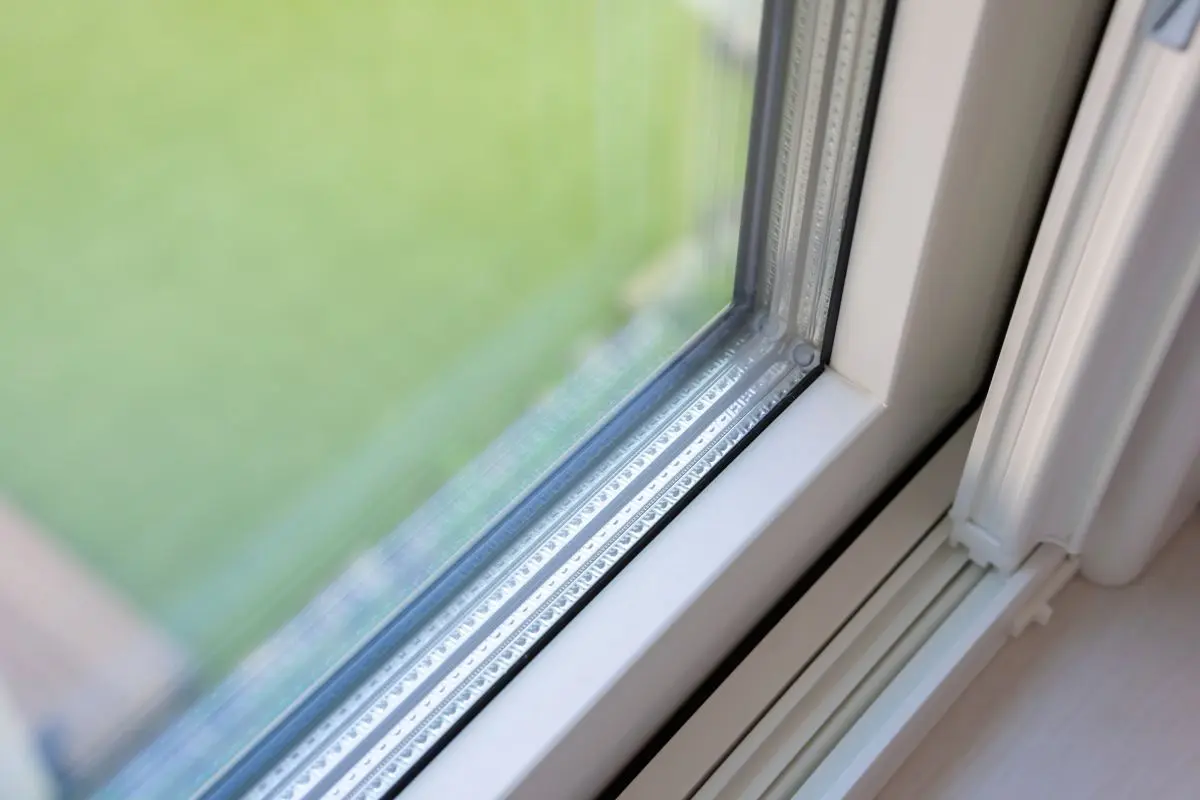
Fiberglass windows are window frames manufactured from pultruded fiberglass with glass fiber reinforcement embedded in resin, offering exceptional durability, superior energy efficiency, and long service life for homes across Maple Grove and surrounding Twin Cities communities. The material has gained significant market share since the early 2000s as homeowners weigh its performance advantages against higher upfront cost compared to vinyl alternatives. Owl Roofing installs windows including fiberglass across Maple Grove and surrounding areas. This guide covers 6 pros of fiberglass windows, the key cons, and how they compare to vinyl windows across cost, performance, and lifespan.
- 6 key advantages: Why fiberglass is a premium option.
- Cost premium analysis: When the higher price makes sense.
- Vinyl comparison: How the two materials actually differ.
Understanding Fiberglass Windows
Understanding fiberglass windows starts with recognizing how the material differs from vinyl, wood, and aluminum alternatives commonly available for Maple Grove homes.
What Fiberglass Windows Are
Fiberglass windows are frame systems made from pultruded fiberglass, which is manufactured by pulling glass fiber strands through a resin bath and then through a heated die that cures the material into rigid structural shapes. The resulting frames are strong, dimensionally stable across temperature extremes, and resistant to warping, cracking, and UV degradation. Fiberglass was originally invented for insulation applications, which gives it inherent thermal performance advantages when used in window frames.
- Pultruded manufacturing: Glass fibers in resin matrix.
- Rigid structural shapes: Strong frame systems.
- Original insulation material: Thermal performance advantage.
How Fiberglass Windows Are Made
Fiberglass windows are made through the pultrusion process where continuous glass fiber strands are saturated with liquid resin and pulled through a heated die that cures the resin and forms the fiber-reinforced plastic into precise frame profiles. The finished frames are then assembled with glass panels, hardware, and weatherstripping to create complete window units. The manufacturing process is more complex and energy-intensive than vinyl window production, which contributes to the higher cost of fiberglass windows.
- Pultrusion process: Continuous fiber manufacturing.
- Heated die curing: Creates precise profiles.
- More complex than vinyl: Higher production cost.
6 Pros of Fiberglass Windows
Six specific advantages make fiberglass windows an attractive premium option for Maple Grove homeowners willing to pay more upfront for better long-term performance.
1. Exceptional Energy Efficiency
Exceptional energy efficiency is the primary advantage that justifies fiberglass windows’ premium pricing in Minnesota’s climate. This Old House notes that fiberglass windows are more energy efficient since they have an average U-factor rating of 0.20 compared to vinyl’s 0.30, with lower ratings meaning better energy efficiency. The dimensional stability of fiberglass also helps maintain weatherseal integrity across Minnesota’s extreme temperature swings, further supporting energy performance throughout the service life.
- U-factor around 0.20: Compared to vinyl’s 0.30.
- Minnesota climate advantage: Long heating season.
- Weatherseal stability: Maintains performance over time.
2. Longer Lifespan
Longer lifespan means fiberglass windows typically last 30 to 50 years in Maple Grove homes compared to 20 to 30 years for vinyl windows. The extended service life changes the economics significantly over long-term ownership because fiberglass windows may not need replacement during the current owner’s tenure while vinyl windows often require replacement during the same period. The longer lifespan also reduces lifetime material consumption and installation disruption.
- 30 to 50 year typical lifespan: Longer than vinyl.
- Changes long-term economics: No mid-ownership replacement.
- Reduced lifecycle disruption: Fewer installations.
3. Dimensional Stability
Dimensional stability is particularly valuable in Minnesota’s climate where windows face temperature swings from below zero in winter to above 90 degrees in summer. Fiberglass expands and contracts roughly the same amount as glass (unlike vinyl which expands up to seven times more than glass), which maintains tight weatherseals across temperature cycles. The stability prevents the gradual seal degradation that affects less stable frame materials.
- Minimal expansion/contraction: Matches glass movement.
- Minnesota temperature range: Below zero to 90+ degrees.
- Weatherseal preservation: Reduces drafts over time.
4. Superior Durability
Superior durability means fiberglass windows resist warping, cracking, denting, and fading better than vinyl alternatives. The fiber-reinforced construction holds up against hail damage, extreme weather events, and the general wear that affects windows over decades of service. Maple Grove homes with significant weather exposure (west-facing walls, high storm exposure, or hail-prone locations) benefit most from the durability advantage.
- Resists warping and cracking: Better than vinyl.
- Hail damage resistance: Minnesota storm relevance.
- UV stability: Minimal fading over service life.
5. Can Be Painted
Can be painted is a flexibility advantage that fiberglass offers which vinyl cannot match. Fiberglass windows can be factory-finished or painted on-site in any color, allowing homeowners to match specific exterior design schemes or update colors during exterior refreshes. Vinyl windows cannot be reliably painted because the paint doesn’t adhere well and tends to peel over time. The paintability means fiberglass windows can be refinished rather than replaced when color preferences change.
- Any paint color possible: Design flexibility.
- Vinyl cannot be painted: Material limitation.
- Refinish rather than replace: Updates during ownership.
6. Strong Return on Investment
Strong return on investment reflects fiberglass windows’ combination of energy savings, durability, and resale value impact. Fiberglass windows typically deliver up to 85 percent return on investment at resale compared to roughly 70 percent for vinyl windows, according to industry data. The combination of lower energy costs during ownership and better resale recovery often justifies the premium cost over the full ownership period, particularly for Maple Grove homeowners planning long-term residence.
- Up to 85 percent ROI: At home resale.
- Energy savings during ownership: Lower utility bills.
- Long-term value capture: Better than vinyl.
Cons of Fiberglass Windows
Fiberglass windows have specific disadvantages that Maple Grove homeowners should weigh when deciding between material options.
Higher Initial Cost
Higher initial cost is the primary drawback of fiberglass windows, with per-window pricing typically running 15 to 25 percent above comparable vinyl windows. On a whole-house replacement with 10 to 15 windows, this translates to a $1,500 to $5,000 premium that must be justified by energy savings and extended lifespan calculations. Short-term ownership plans typically favor vinyl’s lower upfront cost over fiberglass’s long-term advantages.
- 15 to 25 percent premium: Over vinyl pricing.
- $1,500 to $5,000 total premium: On typical whole-home project.
- Short-term ownership consideration: May not pay back.
Professional Installation Required
Professional installation is required for fiberglass windows because the rigid material demands precise measurement, careful handling, and proper reinforcement during installation. Unlike vinyl windows which some experienced homeowners can install themselves, fiberglass windows need professional expertise to meet manufacturer warranty requirements. Owl Roofing performs all fiberglass window installations in Maple Grove with factory-certified techniques that preserve warranty coverage.
- Rigid material demands: Precise installation.
- DIY not recommended: Warranty requirements.
- Factory-certified techniques: Preserve coverage.
Fiberglass vs Vinyl Windows Compared
Fiberglass and vinyl are the two most popular replacement window materials in Maple Grove today, and understanding how they compare across key factors helps homeowners make informed decisions.
Cost Comparison
Cost comparison shows fiberglass windows averaging around $651 per window installed compared to $558 per window for vinyl, based on industry survey data. For a typical Maple Grove home with 10 windows, fiberglass installations run approximately $6,500 compared to $5,600 for comparable vinyl. The gap widens for premium brands and custom sizes, with high-end fiberglass windows reaching $2,500 per window while even premium vinyl rarely exceeds $1,500 per window.
- Average fiberglass: Around $651 per window.
- Average vinyl: Around $558 per window.
- 10-window Maple Grove home: $6,500 vs $5,600 total.
Performance Comparison
Performance comparison favors fiberglass across most measurable categories including energy efficiency, dimensional stability, lifespan, and durability. Vinyl matches or exceeds fiberglass only in cost, availability (more brands and products available), and installation flexibility. The performance gap matters more in extreme climates like Minnesota’s where temperature cycling and weather exposure stress windows more than in moderate climates.
- Fiberglass wins performance: Across most categories.
- Vinyl wins cost and availability: Market advantages.
- Minnesota climate relevance: Performance gap matters.
When Each Makes Sense
Fiberglass makes sense when the homeowner plans long-term ownership (10+ years), prioritizes maximum energy efficiency, has budget for the premium cost, or values the paintability and design flexibility. Vinyl makes more sense when budget is the primary constraint, when short-term ownership limits the energy savings payback period, or when the specific vinyl product selected meets the homeowner’s performance requirements adequately.
- Choose fiberglass: Long-term ownership and energy priority.
- Choose vinyl: Budget constraint or short ownership.
- Both can perform well: Depends on specific product.
Fiberglass Windows Cost in Maple Grove
The cost of fiberglass windows in Maple Grove depends on window type, brand, home size, and installation complexity.
Pricing by Window Type
Pricing by window type for fiberglass installations in Maple Grove typically runs $500 to $2,500 per window, with sliding and single-hung windows at the lower end, casement and double-hung in the middle, and picture windows and specialty shapes at the higher end. Whole-home fiberglass window replacements for Maple Grove homes typically run $10,000 to $50,000 depending on home size, number of windows, and specific products selected. Owl Roofing provides itemized estimates showing per-window pricing by type and location for Maple Grove projects.
- Per window range: $500 to $2,500.
- Whole-home range: $10,000 to $50,000.
- Factors: Home size, window count, product selection.
Owl Roofing in Maple Grove
Owl Roofing installs replacement windows across Maple Grove and surrounding Twin Cities communities, with fiberglass installations handled by factory-certified installers who meet manufacturer warranty requirements.
Why Homeowners Choose Owl Roofing for Window Installation
Owl Roofing is a strong choice for fiberglass window installation in Maple Grove because the team provides free pre-installation consultations with no obligation, offers itemized estimates showing specific per-window costs and comparison between material options, uses manufacturer-approved installation techniques that preserve warranty coverage, and handles all project coordination from measurement through completion. Every installation includes manufacturer warranty registration and written documentation of installed products for future reference.
- Free consultations: No obligation to proceed.
- Material comparison estimates: Fiberglass vs vinyl pricing.
- Factory-certified installation: Preserves warranty.
- Written warranty records: For every project.
Frequently Asked Questions
Are Fiberglass Windows Worth the Extra Cost in Minnesota?
Fiberglass windows are typically worth the extra cost in Minnesota’s climate for homeowners planning long-term residence because the energy efficiency advantage generates meaningful utility savings over Minnesota’s long heating season. Owl Roofing finds that most Maple Grove homeowners with 10+ year ownership plans recover the fiberglass premium through energy savings and extended service life. Short-term ownership plans often favor vinyl’s lower upfront cost.
How Long Do Fiberglass Windows Last?
Fiberglass windows typically last 30 to 50 years in Maple Grove homes with proper installation and reasonable maintenance. The extended lifespan compared to vinyl’s 20 to 30 year typical service life changes the long-term economics significantly, especially for homeowners planning to remain in the home 15+ years.
Can Fiberglass Windows Be Repaired or Just Replaced?
Fiberglass windows can be repaired for most common issues including hardware replacement, weatherstripping replacement, and glass seal failures. The frames themselves rarely need repair because fiberglass resists the warping and cracking that commonly affects vinyl frames. Owl Roofing handles both repair and full replacement work for fiberglass windows in Maple Grove.
Do Fiberglass Windows Expand and Contract Like Vinyl?
Fiberglass windows expand and contract significantly less than vinyl, with fiberglass’s expansion rate roughly matching that of glass. This dimensional stability maintains weatherseals and prevents the gradual degradation that affects vinyl windows over years of Minnesota temperature cycling. The stability also allows for narrower frame profiles that maximize glass area.
How Does Fiberglass Compare to Wood Windows?
Fiberglass windows match wood’s aesthetic appeal and insulation performance while requiring far less maintenance than wood. Wood windows need periodic painting, sealing, and vigilance against rot while fiberglass windows need only basic cleaning. Fiberglass is also typically less expensive than quality wood windows while offering comparable or better durability in Minnesota’s climate.
Does Owl Roofing Install Fiberglass Windows in Maple Grove?
Yes, Owl Roofing installs fiberglass windows across Maple Grove and surrounding Twin Cities communities. The team handles single-window replacements, whole-home replacement projects, and specialty window installations with factory-certified techniques. Every installation includes free pre-installation consultation, itemized written estimate, and manufacturer warranty registration documentation.
Get Your Free Window Consultation Scheduled
Owl Roofing handles window replacement including fiberglass, vinyl, and other material options across Maple Grove and surrounding Twin Cities communities with free consultations, itemized estimates comparing material options, factory-certified installation, and manufacturer warranty registration. Every consultation includes material comparison with specific pricing so Maple Grove homeowners can make informed decisions about which window material fits their home and priorities.
Contact Owl Roofing to schedule a free window consultation for your Maple Grove home and receive a written estimate that breaks down the cost for fiberglass or alternative window materials.

Recent Articles
Explore The Blog