
Window Condensation in Winter in Maplewood, MN: Causes & Fixes
 6min Read
 Posted 10.28.2026
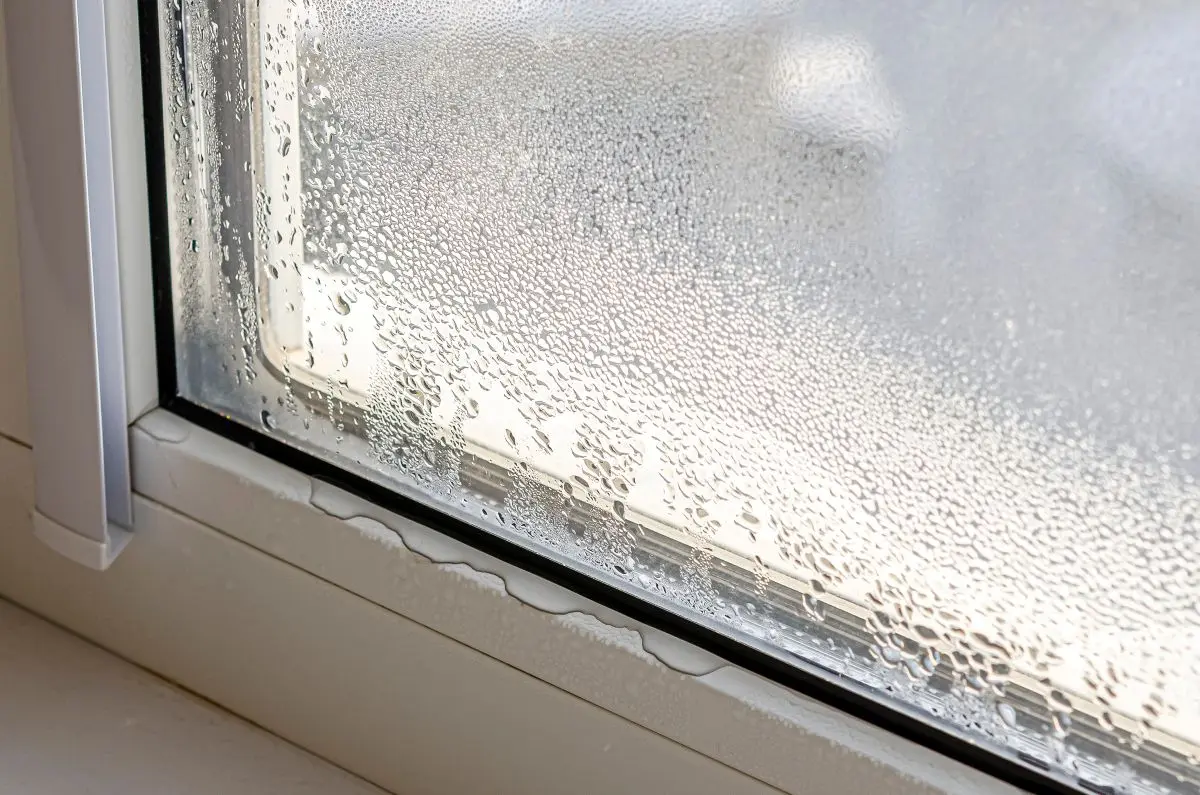
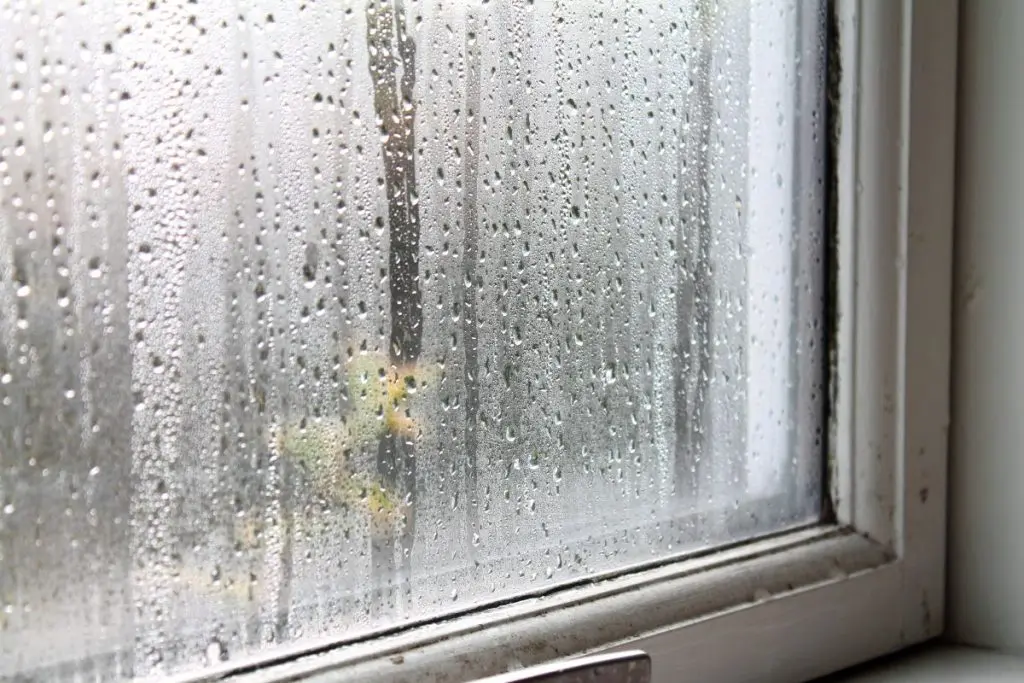
Window condensation in winter in Maplewood MN forms when warm, humid indoor air meets cold window glass and moisture condenses into visible water droplets. Owl Roofing installs and replaces windows across Maplewood and surrounding Twin Cities communities for homeowners whose winter condensation signals a bigger problem than just humidity. Most winter condensation is a humidity issue rather than a window issue, though persistent moisture can indicate failed seals, poor ventilation, or windows at the end of their useful life. This FAQ answers the most common questions Maplewood homeowners have about winter window condensation.
Understanding Winter Window Condensation in Maplewood
Q: Why Do Windows Get Condensation in Winter in Maplewood?
A: Windows get condensation in winter in Maplewood because warm indoor air meets cold window glass, cooling below the dew point and condensing water vapor into visible droplets. Owl Roofing sees this frequently in Maplewood homes where indoor humidity exceeds 40 to 50 percent during heating season. The colder the outside temperature, the more likely condensation forms on interior window surfaces.
Q: Is Winter Window Condensation Normal or a Problem?
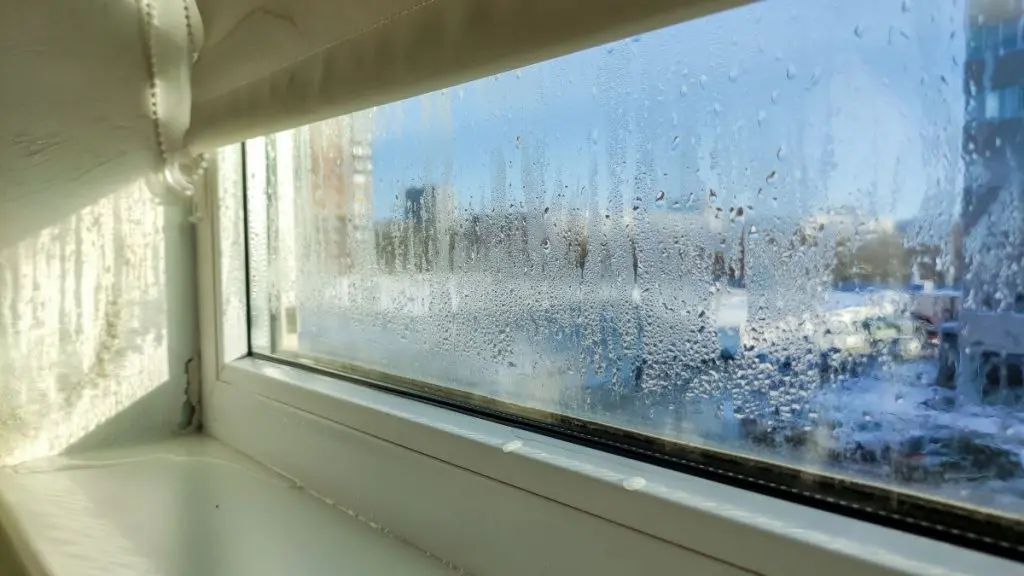
A: Some winter window condensation on Maplewood windows is normal, but persistent or heavy condensation indicates indoor humidity is too high and needs to be reduced. Owl Roofing considers occasional light morning condensation acceptable, while water pooling on sills, frost patterns, or condensation lasting all day signals a humidity problem that can damage window frames and finishes if left untreated.
Q: What Indoor Humidity Level Prevents Window Condensation in Maplewood?
A: Indoor humidity between 30 and 40 percent typically prevents window condensation in Maplewood during winter months. The EPA recommends keeping indoor humidity below 60 percent and ideally between 30 and 50 percent for overall home health. Owl Roofing finds Maplewood homes with humidity above 50 percent commonly experience persistent winter condensation.
Fixes for Interior Window Condensation in Maplewood
Q: How Can I Reduce Window Condensation in My Maplewood Home?
A: You can reduce window condensation in your Maplewood home by lowering indoor humidity through better ventilation, running exhaust fans during and after showers and cooking, reducing humidifier settings, and moving houseplants away from windows. Owl Roofing recommends measuring indoor humidity with a hygrometer (available for $10 to $20) to track improvement as fixes are implemented.
Q: Does Opening Windows Help Reduce Condensation in Maplewood Winters?
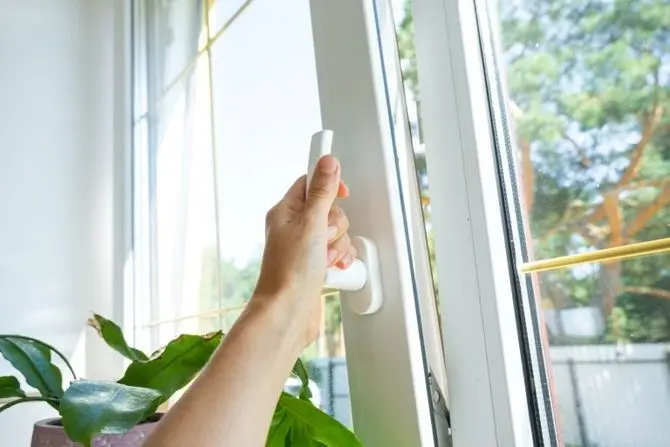
A: Yes, briefly opening windows in Maplewood homes during winter helps reduce indoor humidity by exchanging humid indoor air with dry outdoor air. Family Handyman recommends cracking open at least one window on each floor for short periods to reduce humidity. Owl Roofing notes that heat loss from brief ventilation is minimal.
Q: Do Exhaust Fans Help With Window Condensation in Maplewood?
A: Yes, bathroom and kitchen exhaust fans significantly reduce Maplewood window condensation by removing moisture at the source before it disperses through the home. Owl Roofing recommends running bathroom fans during every shower and for 20 to 30 minutes afterward, and running kitchen range hoods during and after cooking. Properly vented dryers also matter, since leaky dryer vents add significant moisture indoors.
Q: Does Cranking Up the Heat Help With Winter Window Condensation?
A: Yes, cranking up the heat in Maplewood homes during winter warms window glass and reduces condensation because warmer glass takes longer to reach the dew point of interior air. Owl Roofing suggests raising thermostat settings a few degrees during periods of heavy condensation to test the effect. Combined with reduced humidity, warmer indoor temperatures help minimize condensation on cold winter days.
When Window Condensation Signals a Bigger Problem
Q: Is Condensation Between Window Panes Normal in Maplewood?
A: No, condensation between the panes of double or triple-pane windows in Maplewood is not normal and indicates the window seal has failed. Owl Roofing evaluates failed seal windows during Maplewood inspections because failed insulated glass units lose their insulating value and cannot be repaired effectively. Window replacement is the standard fix for failed seals.
Q: What Does Condensation on the Exterior of Maplewood Windows Mean?
A: Exterior condensation on Maplewood windows generally means the windows are working correctly, since it indicates the outer surface is cold enough for dew to form (like grass on a cool morning). Owl Roofing notes that exterior condensation typically appears in spring and fall rather than deep winter. It’s cosmetic and does not indicate a window problem or need for replacement.
Q: When Should I Worry About Winter Window Condensation in Maplewood?
A: Worry about winter window condensation in Maplewood when moisture damages window frames, causes peeling paint, promotes mold growth, or appears between window panes. Owl Roofing recommends scheduling a Maplewood window inspection when condensation persists despite humidity control efforts, when frames show water damage, or when mold appears on trim or drywall near windows.
When to Replace Windows in Maplewood
Q: How Much Does Window Replacement Cost in Maplewood, MN?
A: Window replacement in Maplewood typically costs $350 to $2,500 per window installed depending on window type, with double-hung windows averaging $400 to $1,200, casement windows $500 to $1,400, and picture windows $500 to $2,500. Owl Roofing whole-home window replacement in Maplewood typically runs $8,000 to $40,000, with the average Maplewood project landing around $18,000 for 10 to 12 windows.
Q: What Windows Work Best for Maplewood Winter Climate?
A: Double-pane or triple-pane windows with low-e coatings and argon gas fills work best for Maplewood winter climate because they keep interior glass surfaces warmer and reduce condensation risk. Owl Roofing installs ENERGY STAR certified windows appropriate for Minnesota’s cold climate zone with U-factors of 0.27 or lower, which meaningfully reduce winter condensation compared to older single or dual-pane windows.
Q: How Quickly Can Owl Roofing Replace Windows in Maplewood?
A: Owl Roofing typically schedules Maplewood window replacements within 4 to 8 weeks of contract signing depending on window selection and manufacturer lead times. Installation itself takes 1 to 3 days for a typical whole-home replacement. Owl Roofing schedules Maplewood window replacements year-round and installs windows through winter using cold-weather techniques that preserve manufacturer warranty coverage.
Scheduling Your Free Window Consultation in Maplewood
Owl Roofing handles window replacement across Maplewood and surrounding Twin Cities communities with free property inspections, physical window samples, itemized written estimates, and installation techniques that address the humidity and drainage issues behind winter condensation. Every window consultation includes an evaluation of existing seal condition, glass performance, and frame integrity so Maplewood homeowners understand whether condensation reflects a humidity problem or a window replacement need. Contact Owl Roofing to schedule a free window consultation for your Maplewood home.

Recent Articles
Explore The Blog