GAF Roof Replacement Cost MN: Materials & Labor Guide
 17min Read
 Posted 6.17.2026
The GAF roof replacement cost MN homeowners pay in 2026 typically runs $13,000 to $25,000 for a complete installation, with the total split between materials, labor, tear-off, and the accessories needed to support the manufacturer warranty. The average roof replacement cost in the Twin Cities area generally falls within this range, making it important for homeowners to understand the typical expenses involved. Knowing what each part of the estimate actually pays for is the difference between feeling confident in your investment and feeling like you are guessing. This guide walks through every line item homeowners across White Bear Lake and surrounding areas should expect to see on a GAF roof replacement estimate, what each one does for the finished roof, and how to compare two bids that look similar on the surface.
- Materials breakdown: What shingles, underlayment, ice barrier, and accessories cost on a typical home.
- Selecting the best roofing materials: How to choose the most durable and cost-effective options for Minnesota’s climate.
- Labor and installation: Why labor is the largest single line and what affects the price.
- Choosing a qualified roofing contractor: The importance of hiring a licensed and experienced roofing contractor for proper installation and warranty protection.
- Bid comparison: How to tell when a low estimate is actually a worse value.
What Are You Paying For on a GAF Roof Estimate?
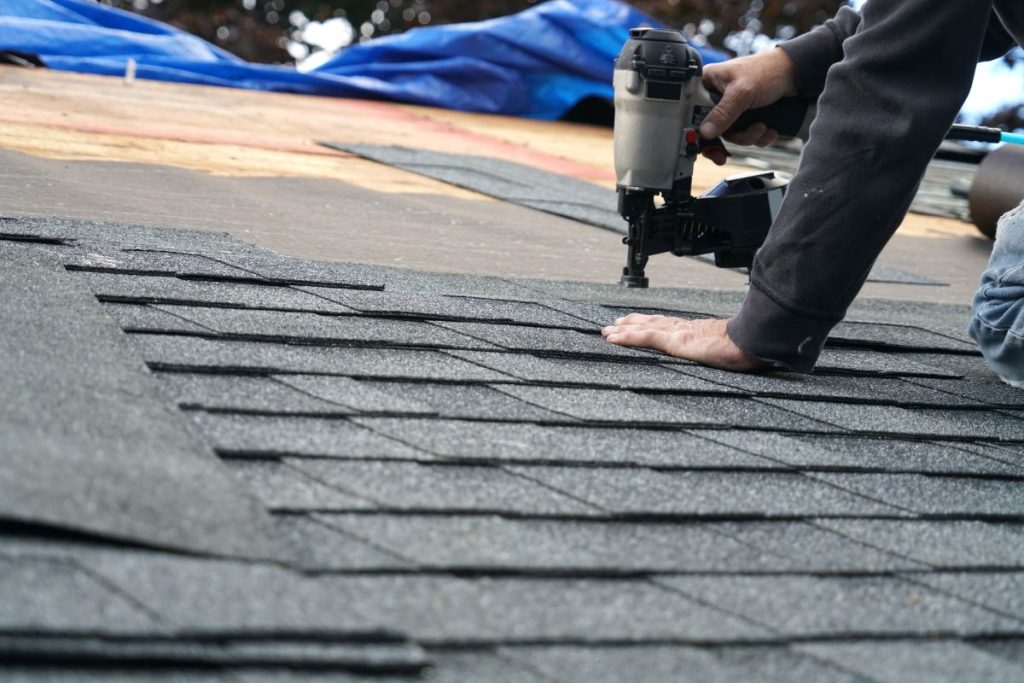
A GAF roof estimate covers four main categories of cost: materials, labor, tear-off and disposal, and permits with miscellaneous fees. Materials typically account for about 40 percent of the total cost, labor for about 50 percent, and tear-off, disposal, and permits for the remaining 10 percent. The exact percentages shift based on shingle tier, roof complexity, and the condition of the existing roof discovered during tear-off.
Why Are GAF Roof Replacement Costs Higher in Minnesota?
GAF roof replacement costs run higher in Minnesota than in many other states because the climate drives stricter code requirements and a shorter installation season. Local building codes, which vary by city, directly affect roof replacement procedures, including permit requirements and construction methods. Minnesota code requires ice and water shield protection at every eave to prevent ice dam damage, which adds material cost that warm-weather states do not face. In Minnesota, permits are required for all roof replacements, with fees ranging from $100 to $1,400 depending on the city. The outdoor construction season runs roughly seven months, which concentrates demand and pushes installation pricing higher during peak months from June through September. Costs in the Twin Cities area tend to be higher due to increased labor rates compared to rural areas. Additionally, the total cost for roofing projects in Minnesota is roughly 6% higher than the national average due to regional multipliers and specific weather-related installation requirements. Cold-weather expertise also matters because Minnesota homes face freeze-thaw cycles, heavy snow loads, and severe summer hailstorms that test every part of the roof system. Homeowners across White Bear Lake and surrounding areas typically pay about 10 percent above the national average for a comparable GAF installation.
- Ice barrier code: Required at every eave under Minnesota state code.
- Short season: Concentrates demand and pushes peak pricing higher.
- Climate stress: Freeze-thaw and storm exposure demands quality installation.
- Regional premium: Roughly 10 percent above the national average.
How Long Will Your GAF Roof Last?
A properly installed GAF Timberline HDZ architectural shingle roof typically lasts 25 to 30 years in Minnesota with adequate attic ventilation, proper maintenance, and no major storm damage. Warranty options are an important consideration, as GAF offers warranties ranging from 25 years to a lifetime limited warranty, typically covering manufacturing defects. Roofs with longer warranties tend to be more expensive due to the additional protection they offer. Some warranties are prorated, meaning coverage decreases over time and more maintenance costs shift to the homeowner as the roof ages, while non-prorated warranties cover all replacement and repair costs during the warranty period for more comprehensive protection. Most Owl Roofing customers plan their replacement around the 25-year mark for architectural shingles.
- Timberline HDZ: 25 to 30 years in Minnesota with proper installation.
- Royal Sovereign 3-tab: 15 to 20 years under the same conditions.
- Designer shingles: 30 to 40 years with quality maintenance.
- Resale value: Approximately 61 percent ROI at resale.
6 Material Line Items on Your GAF Roof Estimate
Six material categories make up the materials side of a GAF roof estimate, each playing a specific role in the finished system. Selecting the right roofing materials and shingle types is crucial for ensuring durability, performance, and suitability for your specific needs and climate. Knowing what each line item does helps homeowners across White Bear Lake and surrounding areas understand what they are paying for rather than treating the materials cost as one lump number. When planning your GAF roof replacement, be sure to compare prices and obtain multiple quotes from different contractors to ensure you get the best value and make an informed decision.
1. GAF Shingles
Shingles are the most visible and largest single material line item, with the GAF product choice driving most of the variation between budget and premium roofs. GAF asphalt shingles are a popular choice among many homeowners for their durability and value. Asphalt shingles are the most popular roofing material in the United States due to their affordability and ease of installation. Royal Sovereign 3-tab shingles run at the budget end, Timberline HDZ architectural shingles are the most common mid-tier choice, Timberline UHDZ and AS II Class 4 impact-rated shingles sit at the premium end of the standard lineup, and designer products like Camelot II represent the top tier. The shingle line item covers the field shingles that cover the main roof surface, with ridge cap and starter shingles itemized separately. Most Minnesota homeowners choose Timberline HDZ because it offers the strongest balance of cost, lifetime warranty coverage, and 130 mph wind protection.
- Royal Sovereign: Budget 3-tab option with 25-year warranty.
- Timberline HDZ: Mid-tier architectural with lifetime warranty.
- Timberline UHDZ and AS II: Premium dimensional and impact-rated.
- Designer shingles: Top-tier slate and shake aesthetics.
2. Ice and Water Shield
Ice and water shield is a self-adhering waterproof membrane installed along every eave to prevent water damage from ice dams, which form when melting snow refreezes at the cold edge of the roof. Minnesota code requires ice barrier coverage extending from the eave to at least 24 inches inside the exterior wall line, which is one of the most important code requirements specific to cold-climate states. Quality installations across White Bear Lake and surrounding areas extend coverage well beyond the minimum, with ice and water shield also installed in all valleys, around chimneys, and at skylights for extra protection. The material is a significant cost item but pays for itself many times over in prevented water damage to insulation, ceilings, and wall cavities.
- Code requirement: 24 inches inside the exterior wall line at every eave.
- Standard practice: Extra coverage in valleys and at penetrations.
- Purpose: Prevents ice dam water damage to the interior.
- Long-term value: Protects against costly interior repairs.
3. Synthetic Underlayment
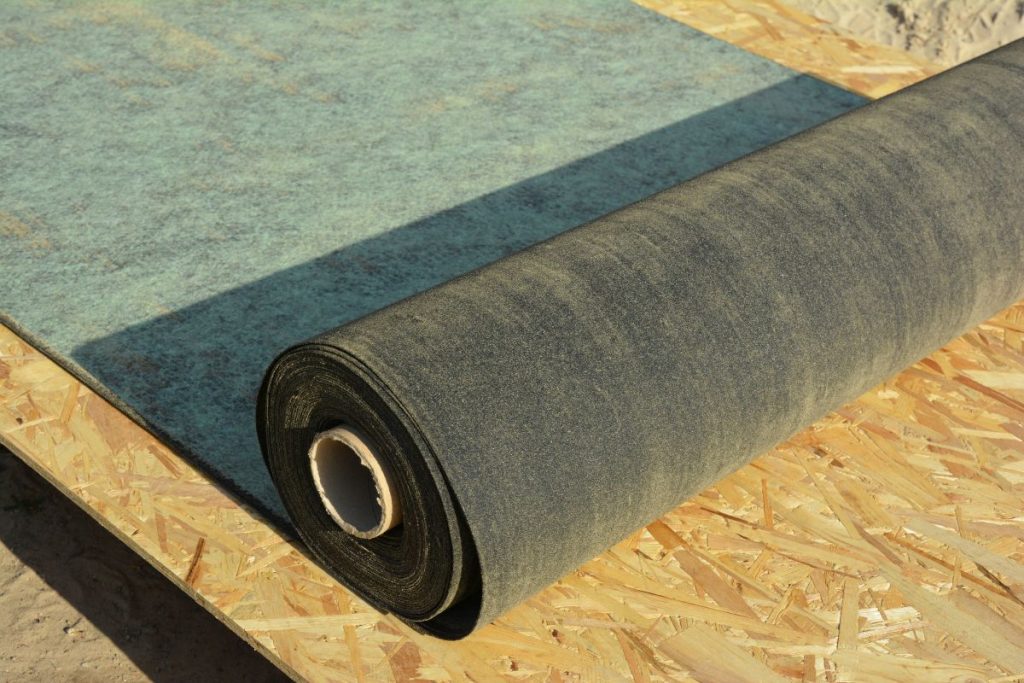
Synthetic underlayment covers the entire roof deck above the ice and water shield and serves as a secondary water barrier beneath the shingles. The product replaces traditional 15-pound felt with a lightweight, tear-resistant synthetic material that performs better in wind exposure during installation and lasts longer if shingles are damaged later. Synthetic has largely replaced felt on professional installations because the performance advantages are significant for both the crew and the long-term roof. Most GAF enhanced warranties require an approved underlayment as part of the qualifying accessory package, with GAF’s own FeltBuster or Tiger Paw products typically used to support warranty registration. Owl Roofing uses synthetic underlayment on every installation.
- Full deck coverage: Protects the entire roof deck beneath shingles.
- Synthetic advantages: Lighter, stronger, and longer-lasting than felt.
- Warranty support: Required for enhanced warranty registration.
- Secondary barrier: Backup water protection if shingles are damaged.
4. Flashing at Penetrations and Intersections
Flashing protects every place water could enter the roof system, including valleys, sidewalls, chimneys, plumbing vents, and skylights. Drip edge installs along every eave and rake to direct water off the roof and away from the fascia. Step flashing protects every wall-to-roof intersection, valley flashing protects every roof valley, and chimney flashing requires careful fitting around brick or stone. Most professional reroofing jobs replace all flashing rather than reusing existing material because warranty registration typically requires new flashing throughout the system, and old flashing is often a hidden cause of leaks on aging roofs. The cost is modest compared to the leak prevention it provides.
- Drip edge: Along every eave and rake to direct water off the roof.
- Step flashing: At every wall-to-roof intersection.
- Valley flashing: At every roof valley to channel water safely.
- Chimney flashing: Custom fit around the chimney base.
5. Starter Strip and Ridge Cap Shingles
Starter strip and ridge cap shingles finish the edges and peaks of the roof and are specifically designed for those locations rather than being cut from field shingles. Starter strip installs along the eaves and rakes to provide proper alignment and sealing on the first course of shingles. Ridge cap shingles bend over the peaks where two slopes meet, with products designed for that bend rather than cracking like a field shingle would. Generic 3-tab shingles cut into cap pieces do not qualify for GAF warranty registration, which is one of the most common reasons homeowners are surprised by warranty issues later. Owl Roofing uses GAF Pro-Start starter strip and matching TimberTex or Seal-A-Ridge cap shingles on every installation across White Bear Lake and surrounding areas to ensure full warranty coverage.
- Pro-Start starter strip: GAF-approved product for warranty registration.
- TimberTex ridge cap: Designed for proper bending over ridges.
- Warranty compliance: Required for enhanced warranty registration.
- Long-term sealing: Proper alignment on the most exposed roof edges.
6. Attic Ventilation Components
Attic ventilation components include ridge vents, soffit vents, and any other intake or exhaust system needed to meet Minnesota code requirements for balanced airflow through the attic. Proper ventilation extends shingle life by keeping the deck temperature stable, prevents moisture buildup that causes rot and mold, and reduces the risk of ice dams in winter. Most Minnesota homes need a ridge vent installed during reroofing to upgrade or replace older box vents and to support modern code requirements for balanced ventilation. Owl Roofing evaluates existing ventilation during every estimate to determine what upgrades are needed, with the cost ranging from minimal updates to a full ventilation overhaul depending on the existing system.
- Ridge vents: Continuous exhaust along the roof peak.
- Soffit intake: Often existing but may need updates.
- Balanced system: Code requires intake and exhaust working together.
- Shingle protection: Proper ventilation extends shingle lifespan.
What Does Labor Cover on a GAF Roof Estimate?
Labor on a GAF roof estimate covers crew time for tear-off, decking inspection, underlayment installation, shingle installation, flashing work, ridge cap installation, ventilation installation, and final cleanup. Roofing projects can be labor intensive, especially when dealing with steep roofs or complex slopes, which increases installation difficulty and time. Labor costs are the largest single line on most estimates because they pay for the skilled crew that turns piles of material into a finished, watertight roof system. Labor costs for roofing can vary widely, with average rates ranging from $4 to $8 per square foot depending on the complexity of the roofing project and local market conditions.
Why Is Labor the Largest Cost on a Roof Estimate?
Labor is the largest cost on a roof estimate because roof replacement requires skilled crews who follow strict safety protocols and install materials to manufacturer specifications. Quality installation matters enormously because installation errors cause the majority of premature roof failures, not material defects. A crew that rushes through nailing patterns, skips proper flashing details, or installs underlayment incorrectly can void the GAF warranty entirely, which means the homeowner could end up paying for repairs that should have been covered. Owl Roofing crews follow GAF installation specifications on every job across White Bear Lake and surrounding areas, which protects the warranty and the long-term performance of the roof. Quality labor is the best investment a homeowner can make in their new roof.
- Skilled installation: Manufacturer specifications followed on every job.
- Safety protocols: Strict adherence to fall protection requirements.
- Warranty protection: Proper installation preserves warranty coverage.
- Long-term value: Quality labor prevents premature failures.
What Makes One Roof’s Labor Cost Higher Than Another?
Labor cost on a Minnesota GAF roof varies based on roof complexity, roof pitch, height, and access. Simple gable roofs with two slopes meeting at a single ridge install at the fastest pace. Roofs with multiple dormers, valleys, skylights, and complex chimney details slow installation because every transition requires careful flashing and sealing. Two-story homes add ladder and scaffold setup time, while homes on steep grades or with limited driveway access add even more setup complexity. Roof pitch significantly affects labor costs; steeper roofs over 7:12 pitch require additional safety equipment and slower, more labor-intensive work, which can increase the overall estimate by 10% to 50% compared to flat roofs. Additionally, roof complexity, such as a steep pitch or multiple valleys, can increase labor and material costs by 15% to 30%. Owl Roofing evaluates complexity during every inspection so labor pricing on the estimate reflects the actual work required.
- Simple gable: Lowest labor cost per square foot.
- Multiple dormers and valleys: Adds significant labor time.
- Two-story homes: Additional ladder and setup time.
- Steep pitch: Over 7:12 requires extra safety equipment.
How to Compare Two GAF Roof Estimates
Comparing two GAF roof estimates is rarely as simple as comparing the bottom-line price. Homeowners should obtain multiple quotes from different contractors and compare prices to ensure they get the best value for their roof replacement. Two estimates that look similar can hide very different cost structures, warranty packages, and material quality, and the final price often includes not only the cost of materials but also expenses related to meeting modern safety codes and standards. This means the lower bid is often not the better value.
What Should You Look For on Every Estimate?
Every quality GAF roof estimate should include line-item pricing for shingles, ice and water shield, underlayment, flashing, starter strip and ridge cap, ventilation components, tear-off, disposal, and permits. The estimate should specify the GAF warranty tier being registered (System Plus, Silver Pledge, Golden Pledge, or President’s Club) and confirm that all qualifying accessory products are included to support that warranty. A decking allowance should be stated as a per-sheet cost for any wood replacement discovered during tear-off. Anything missing from the estimate is a question to ask before signing, because what is not on paper is not in the contract. Owl Roofing provides this level of detail on every estimate so homeowners across White Bear Lake and surrounding areas know exactly what they are paying for.
- Line-item pricing: Every category itemized separately.
- Warranty tier specified: Clear statement of what GAF warranty registers.
- Accessory list: All required GAF products itemized.
- Decking allowance: Per-sheet pricing for any wood replacement.
When Is a Low Estimate Actually a Bad Deal?
A low estimate is actually a bad deal when it uses cheaper materials, skips qualifying accessories, registers a lower warranty tier, or omits scope items that will become change orders during the work. Common shortcuts include using generic underlayment instead of GAF-approved synthetic, cutting 3-tab shingles for ridge cap instead of using TimberTex, reusing old flashing instead of replacing it, and pricing tear-off at single-layer when two layers exist. Each of these saves money on paper but creates problems later, whether through premature failures, voided warranties, or unexpected change-order costs once work begins. The lowest bid often becomes the most expensive option over time. Owl Roofing recommends getting two to three estimates and comparing them line by line rather than just looking at totals.
- Cheaper materials: Non-GAF accessories that void warranty registration.
- Skipped accessories: Missing required products for warranty coverage.
- Reused flashing: Common shortcut that causes future leaks.
- Tear-off shortcuts: Single-layer pricing when two layers exist.

Frequently Asked Questions
What Is the Average GAF Roof Replacement Cost in Minnesota?
The average GAF roof replacement cost in Minnesota is approximately $17,500 for a typical 2,000 square foot home with Timberline HDZ architectural shingles installed in 2026. Pricing ranges from $13,000 at the budget end with Royal Sovereign 3-tab shingles to $25,000 at the premium end with designer or impact-rated shingles. Final cost depends on roof size, complexity, and accessory selections.
Why Are Materials Such a Large Part of the Cost?
Materials are a large part of the cost because a complete GAF roof system includes much more than just shingles. Ice and water shield, synthetic underlayment, flashing, starter strip, ridge cap, ventilation components, and approved fasteners all add up to a complete system that supports the manufacturer warranty. Cutting any of these components saves money on paper but typically voids the warranty.
When comparing roofing materials, asphalt shingles remain the most common and affordable option in Minneapolis. Cedar roofing, while offering a distinctive appearance, is more expensive than asphalt shingles and holds a smaller market share due to its higher price and maintenance needs. Metal roofing is known for its durability, can last over 50 years, and is considered a long-term investment despite a higher initial cost compared to asphalt. Slate roofing stands out as the most durable and premium choice, with a lifespan of over 100 years, but it is also the most expensive roofing material available.
How Much Does Tear-Off Add to the Cost?
Tear-off typically adds $1,500 to $3,500 to a Minnesota GAF roof replacement, with single-layer tear-off at the lower end and two-layer tear-off at the higher end. The cost covers crew time to remove the old roof, dumpster rental, hauling, and landfill fees. Some homeowners consider installing new roofing materials over existing shingles to save on tear-off costs, but this approach may affect structural support, long-term durability, and even resale value. Owl Roofing always shows tear-off as a separate line item on every estimate so the cost is clear before work begins.
Will My Insurance Cover Any of the Cost?
Homeowners insurance covers the cost of a GAF roof replacement when the existing roof has sustained covered damage from storms, hail, high winds, or other insured events. Standard policies do not cover wear-and-tear replacement of an aging roof. Owl Roofing specializes in insurance claims and coordinates directly with adjusters to ensure the claim approval reflects the actual scope of work needed. It is important to consult a licensed roofing contractor or roofer for assistance with insurance claims and project planning to ensure all aspects of the roof replacement are properly addressed.
How Long Does the Installation Take?
A typical GAF roof replacement in Minnesota takes one to three days for a standard home, with single-story ranches usually completed in a single day and larger two-story homes taking two to three days. Tear-off happens first thing in the morning, followed by decking inspection, underlayment installation, shingle installation, and final cleanup. Weather and roof complexity affect the actual timeline.
Why Owl Roofing Is the Right Choice for Your GAF Roof in Minnesota
The GAF roof replacement cost in MN that homeowners actually pay depends on the materials, the warranty tier, and the contractor handling the installation. Owl Roofing combines GAF and Owens Corning certified installation expertise with insurance claims specialization, emergency repair availability, fast turnaround, free inspections, financing options, and a maintenance program designed to protect the roof investment for its full service life across White Bear Lake and surrounding areas. Every Owl Roofing estimate shows materials and labor on separate lines so homeowners know exactly what they are paying for.
Ready to see a clear materials and labor breakdown for your GAF roof? Schedule a free consultation with a roofing contractor at Owl Roofing today to discuss your roofing needs, explore shingle options, and get a fully itemized written estimate for your specific home.

Recent Articles
Explore The Blog