Ice and Water Shield: Where It Goes & Why It Matters in Minnesota
 16min Read
 Posted 11.04.2026
Ice and water shield is a self-adhering polymer-modified bitumen membrane installed directly on the roof deck under shingles to prevent water infiltration from ice dams, wind-driven rain, and water backup at vulnerable roof areas across Shoreview and surrounding Twin Cities communities. Minnesota’s extreme freeze-thaw cycles and heavy snow loads make proper ice and water shield installation essential for preventing the roof leaks that have damaged countless Twin Cities homes during harsh winters. Owl Roofing installs ice and water shield as part of every roof replacement project across Shoreview and surrounding areas as a GAF Certified roofing contractor. This guide breaks down what ice and water shield is, exactly where it goes on a roof, why Minnesota winters make it critical, real installation cost data, and when to add more than code requires.
- Where it goes: Eaves, valleys, penetrations, and vulnerable areas.
- Why it matters in Minnesota: Ice dam and snowmelt protection.
- Real cost data: Material and installation pricing in Shoreview.
Understanding Ice and Water Shield
Understanding ice and water shield starts with recognizing what the membrane does and how it differs from standard roofing underlayment. Owl Roofing installs ice and water shield on every Shoreview roof replacement project because the Minnesota climate makes proper installation essential for long-term protection.
What Ice and Water Shield Is
Ice and water shield is a self-adhering waterproof membrane made of polymer-modified bitumen (asphalt) bonded to a flexible fabric or film backing, with a peel-off release liner on the sticky side. The membrane is installed directly to the roof deck sheathing and bonds permanently to the wood surface, creating a watertight barrier that seals around roofing nails and fasteners. Owl Roofing uses only manufacturer-approved ice and water shield products on Shoreview installations, with the specific product matched to the roofing system manufacturer’s warranty requirements. The membrane is distinct from standard roofing underlayment (felt paper or synthetic underlayment) because it bonds to the deck and seals around fasteners rather than simply covering the surface.
- Self-adhering membrane: Bonds directly to roof deck.
- Polymer-modified bitumen: Asphalt base with polymer additives.
- Seals around nails: Prevents fastener leak paths.
- Distinct from underlayment: Bonds rather than covers.
How Ice and Water Shield Works
Ice and water shield works by creating a watertight barrier that prevents water from penetrating the roof deck even when water is forced upward by ice dams or driven under shingles by wind-driven rain. The membrane’s self-adhering backing bonds permanently to the deck sheathing, eliminating gaps and seams where water could enter. When roofing nails penetrate the membrane during shingle installation, the polymer-modified asphalt flows around each nail shank to form a watertight seal, preventing leaks at fastener holes. Owl Roofing applies ice and water shield to clean, dry decking on Shoreview installations to ensure proper adhesion. The membrane remains flexible across temperature extremes to handle Minnesota’s freeze-thaw cycles without cracking.
- Watertight barrier: Prevents upward water infiltration.
- Deck adhesion: Bonds permanently to sheathing.
- Seals around fasteners: Flows around nail shanks.
- Freeze-thaw flexibility: Handles Minnesota temperature extremes.
6 Places Ice and Water Shield Goes on a Roof
Six main locations receive ice and water shield on properly installed Shoreview roofs. Each location addresses a specific vulnerability where water infiltration risk is highest.
1. Along the Eaves
Along the eaves is the most common and code-required ice and water shield installation location on Shoreview roofs. The membrane must extend from the lowest edge of the roof upward past the exterior wall line to protect the vulnerable eave area where ice dams form and cause the most frequent leak damage. Fine Homebuilding notes that the International Residential Code requires the ice barrier to extend from the lowest edges of all roof surfaces to a point not less than 24 inches inside the exterior wall line of the building. On most Shoreview homes, this means installing two or more courses of 36-inch wide membrane along every eave edge to achieve proper coverage.
- Code-required location: Minnesota Residential Code mandate.
- Minimum coverage: 24 inches past exterior wall line.
- Multiple courses typical: Two or more 36-inch widths.
- Highest leak risk area: Where ice dams form.
2. In Roof Valleys
In roof valleys is the second most important ice and water shield installation location because valleys funnel large volumes of water and snow melt toward specific drainage paths. Owl Roofing installs continuous 36-inch wide ice and water shield running the full length of every valley on Shoreview roofs, with the membrane extending at least 18 inches up each side of the valley line. Water concentration in valleys makes them prone to ice buildup and leaks, particularly when debris blocks drainage during spring snow melt. The continuous valley installation prevents water infiltration at the seams where valley shingles meet, which is a common leak point on roofs without proper valley protection.
- Full valley length: Continuous installation.
- 18 inches minimum per side: Required coverage width.
- Water concentration area: Prone to ice buildup.
- Prevents seam leaks: At valley shingle intersections.
3. Around Chimneys and Penetrations
Around chimneys and penetrations is a critical ice and water shield installation location because these features create flashing complexity where leaks commonly develop. Owl Roofing installs ice and water shield extending at least 18 inches in all directions around chimneys, plumbing vents, exhaust vents, and other roof penetrations on Shoreview roofs. The membrane goes under the metal step flashing and counterflashing at chimneys, providing a backup water barrier if the flashing itself develops gaps over time. Properly installed ice and water shield around penetrations extends roof life significantly by preventing the small leaks that gradually damage roof decking around these vulnerable features.
- 18 inches minimum coverage: All directions around penetrations.
- Under flashing installation: Backup water barrier.
- Chimney coverage essential: Common leak point.
- Prevents gradual damage: Protects decking long-term.
4. At Skylights and Dormers
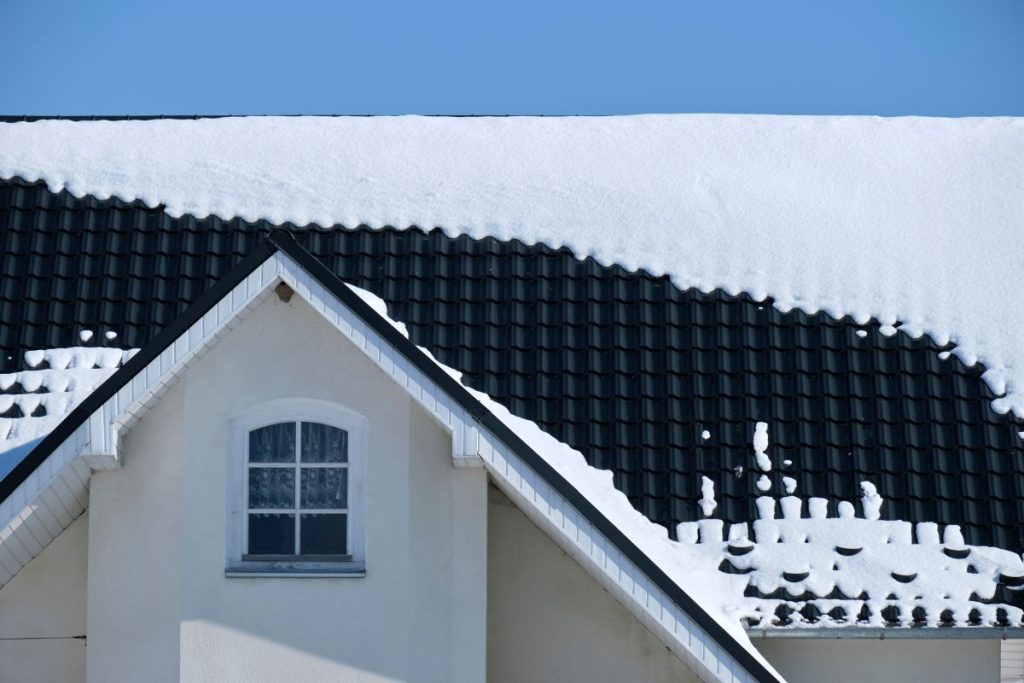
At skylights and dormers is a specialized ice and water shield installation location where multiple roof planes intersect with complex flashing requirements. Owl Roofing installs ice and water shield around every skylight and dormer on Shoreview roofs, with the membrane extending at least 18 inches past the skylight or dormer in all directions. The combination of ice and water shield with proper step flashing provides redundant protection against the leaks that commonly develop at these features over time. Skylights are particularly vulnerable because heat loss through the skylight glass creates localized snow melting that increases ice dam formation and water infiltration risk at the skylight perimeter.
- 18 inches past feature: All directions required.
- Combined with step flashing: Redundant protection.
- Skylight vulnerability: Heat loss creates melt pattern.
- Prevents feature-specific leaks: Long-term protection.
5. On Low-Slope Sections
On low-slope sections (roof pitches below 4:12) is a code-mandated ice and water shield installation requirement because low-pitched roofs shed water more slowly and face higher water infiltration risk. Owl Roofing installs full ice and water shield coverage on Shoreview low-slope sections of 2:12 to 4:12 pitch, with Minnesota building code requiring double underlayment on these slopes. Pitches below 2:12 typically cannot use asphalt shingles at all and require specialty low-slope roofing systems. The complete coverage on low-slope sections prevents the leaks that would develop quickly on these shallow-pitched areas during Minnesota winters when snow accumulates rather than sliding off.
- Below 4:12 pitch: Code-mandated full coverage.
- Double underlayment required: Minnesota building code.
- Shingles prohibited below 2:12: Membrane systems needed.
- Prevents shallow pitch leaks: Snow accumulation risk.
6. In Vulnerable Transition Areas
In vulnerable transition areas such as where sloped roofs meet vertical walls, at hip and ridge intersections, and at roof edges adjacent to higher walls is where ice and water shield provides essential protection against water driven into joints by wind and snow. Owl Roofing installs ice and water shield at every roof-to-wall transition on Shoreview homes, extending up the wall surface by at least 4 inches to ensure proper flashing coverage. Hip corners and complex geometry areas also receive ice and water shield because the multiple roof plane intersections create vulnerability to wind-driven water infiltration. Properly installed membrane at transition areas prevents the leaks that older roofs commonly develop at these junctions as sealants and flashings age.
- Roof-to-wall transitions: Extend up wall 4 inches.
- Hip corner protection: Complex geometry areas.
- Wind-driven water protection: Prevents forced infiltration.
- Transition joint sealing: Long-term reliability.
Why Ice and Water Shield Matters in Minnesota
Ice and water shield matters more in Minnesota than in most other climates because the state’s long winters, heavy snow loads, and extreme freeze-thaw cycles create exceptionally high ice dam risk. Owl Roofing has installed ice and water shield on thousands of Shoreview roofs where proper membrane coverage has prevented the ice dam damage that affects countless homes across the Twin Cities each winter.
Ice Dam Risk in Minnesota Winters
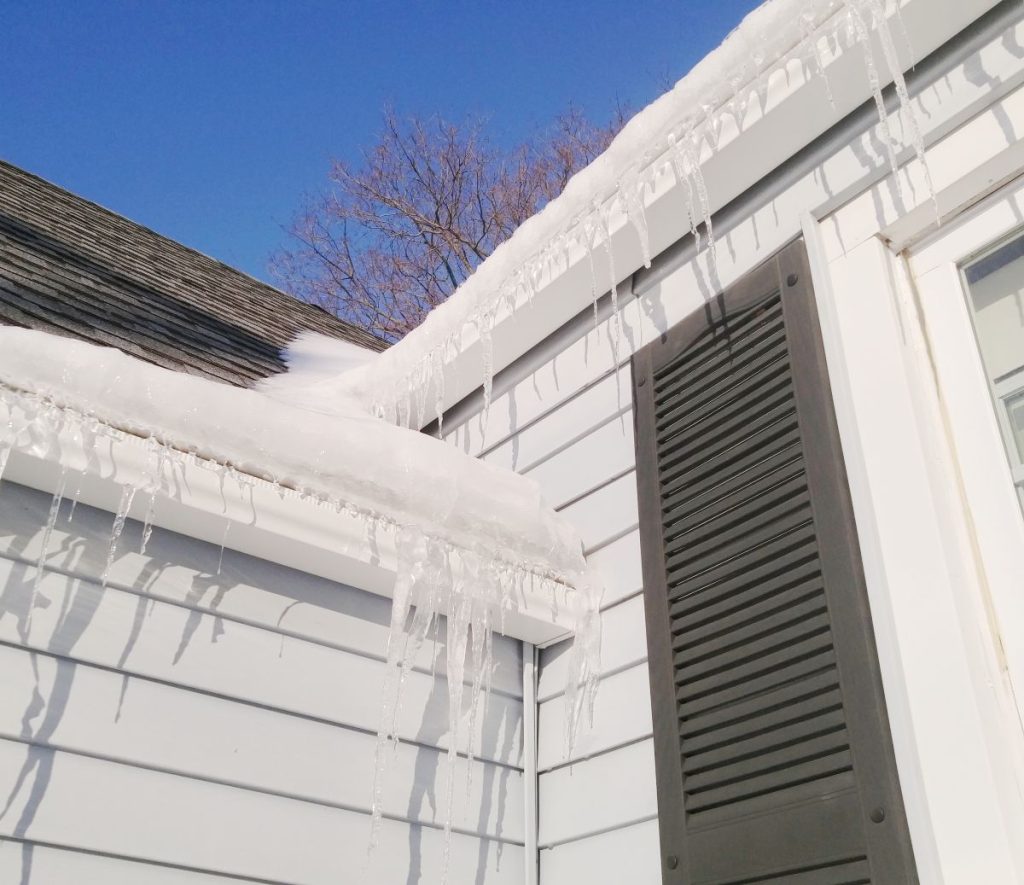
Ice dam risk in Minnesota winters is substantially higher than in most other states due to the combination of extended cold periods, significant snowfall, and freeze-thaw cycles throughout the winter season. Ice dams form when heat loss through the roof melts snow on the warmer upper roof areas, with the water refreezing at the colder eave edges to create ridges of ice that trap additional meltwater. The trapped water pools behind the ice dam and can work backward under shingles, where it enters the roof deck through nail holes and shingle seams. Owl Roofing sees ice dam damage every winter on Shoreview homes without proper ice and water shield protection, with repair costs frequently exceeding $10,000 for interior ceiling and wall damage.
- Heat loss driver: Melts upper roof snow.
- Eave freezing creates dams: Water refreezing cycle.
- Water backup under shingles: Through nail holes.
- Interior damage common: Ceiling and wall repair costs.
Minnesota Building Code Requirements
Minnesota building code requirements for ice and water shield reflect the state’s severe winter climate, with the Minnesota Residential Code mandating ice barrier installation on all heated residential structures including attached garages. The ice barrier must extend from the lowest edges of all roof surfaces to a point at least 24 inches inside the exterior wall line, which on most Shoreview homes means installing multiple courses of 36-inch wide membrane. Owl Roofing follows Minnesota building code requirements on every Shoreview roof installation and typically exceeds minimum requirements in vulnerable areas based on specific home conditions. Local building inspectors verify ice and water shield installation during the roofing permit inspection process, with photos required of the installed membrane before shingles cover it.
- Mandated on all heated structures: Including attached garages.
- 24 inches past wall line: Minimum coverage distance.
- Permit inspection required: Photos of installed membrane.
- Local enforcement: Building inspectors verify compliance.
Ice and Water Shield Cost in Shoreview
The cost of ice and water shield in Shoreview depends on the coverage area, specific product selected, and whether the installation is part of a full roof replacement or a separate installation. Owl Roofing provides itemized estimates showing the specific ice and water shield cost component for Shoreview roofing projects.
Material Cost Range
Material cost range for ice and water shield in Shoreview typically runs $90 to $200 per 200 square foot roll, depending on the specific product grade and manufacturer. Owl Roofing uses manufacturer-approved ice and water shield products on Shoreview installations, with the product selection matched to the shingle manufacturer’s warranty requirements. Premium products with higher temperature flexibility and longer warranties cost more than standard products but provide better long-term performance in Minnesota’s freeze-thaw climate. Total material cost for standard eave and valley coverage on a typical Shoreview home runs $300 to $800, while full roof coverage can run $1,500 to $4,000 depending on home size and complexity.
- Standard roll pricing: $90 to $200 per 200 square feet.
- Premium products: Better freeze-thaw performance.
- Standard coverage total: $300 to $800 typical.
- Full roof coverage: $1,500 to $4,000 range.
Factors That Affect Installation Cost
Several factors affect ice and water shield installation cost including the total coverage area needed, roof complexity with multiple valleys and penetrations, labor difficulty based on roof pitch and height, and whether installation is included in a full roof replacement or performed as a separate project. Owl Roofing itemizes each cost component in Shoreview estimates so homeowners understand exactly what their ice and water shield installation includes. Separate ice and water shield installation outside of a full roof replacement rarely makes economic sense because the shingles must be removed to install the membrane, which is why most installations happen during scheduled roof replacement projects.
- Coverage area required: Primary cost driver.
- Roof complexity: Valleys and penetrations.
- Installation timing: With roof replacement vs separate.
- Pitch and height: Labor difficulty factors.
When to Add More Ice and Water Shield Than Code Requires
Minnesota building code specifies the minimum ice and water shield coverage required for residential roofs, but adding more than code requires makes sense for Shoreview homes with specific risk factors. Owl Roofing recommends additional coverage during consultations when the specific home conditions warrant greater protection than minimum code coverage provides.
Homes with Previous Ice Dam Damage
Homes with previous ice dam damage are the most common candidates for additional ice and water shield coverage during roof replacement because the underlying conditions that caused previous damage are rarely fully corrected. Owl Roofing recommends full roof deck coverage on Shoreview homes that have experienced significant ice dam leaks in previous winters, with the additional cost of $1,500 to $3,000 providing substantial protection against future interior damage. The investment compares favorably to typical ice dam damage repair costs of $10,000 or more for interior ceiling and wall restoration. Homeowners planning to live in the home long-term benefit most from the additional protection because the extended coverage period amortizes the upfront cost.
- Prior leak history: Primary indicator for extended coverage.
- Full deck coverage option: $1,500 to $3,000 additional cost.
- Compared to damage costs: $10,000+ typical repair.
- Long-term benefit: Extended ownership justifies cost.
Specific Roof and Attic Conditions
Specific roof and attic conditions can justify additional ice and water shield beyond code minimum, including homes with inadequate attic insulation and ventilation that drive ice dam formation, complex roof geometries with multiple valleys and dormers, homes with cathedral ceilings and limited attic space, and properties with large skylights. Owl Roofing evaluates each Shoreview home’s specific conditions during pre-installation inspections and recommends appropriate coverage based on the risk factors identified. Underinsulated attics that cause significant heat loss through the roof deck are particularly good candidates for additional coverage because the heat loss creates persistent ice dam risk even in moderate winters.
- Insulation deficiencies: Primary heat loss driver.
- Complex roof geometry: Multiple vulnerable areas.
- Cathedral ceilings: Limited attic buffer.
- Large skylights: Localized melt patterns.
Owl Roofing in Shoreview
Owl Roofing installs ice and water shield as part of every roof replacement project across Shoreview and surrounding Twin Cities communities. The team installs code-compliant minimum coverage on standard installations and recommends additional coverage based on specific home conditions and homeowner priorities.
Why Homeowners Choose Owl Roofing for Ice and Water Shield Installation
Owl Roofing is a strong choice for ice and water shield installation in Shoreview because the team installs manufacturer-approved products matched to shingle warranty requirements, provides free pre-installation inspections with no obligation to proceed, documents the ice and water shield installation with photos required for building inspection, and offers itemized estimates showing the specific ice and water shield cost component. Owl Roofing is GAF Certified, which means the ice and water shield products used meet the specific requirements for maintaining shingle manufacturer warranty coverage. Every installation includes photos of installed membrane before shingles cover the deck, providing documentation of proper installation for insurance claims and future reference.
- Manufacturer-approved products: Match shingle warranty.
- GAF certified and Brava Preferred: Warranty compliance.
- Photo documentation: Required for inspection.
- Written warranty records: For insurance and future reference.
Frequently Asked Questions
How Much Ice and Water Shield Does My Roof Need?
Minnesota building code requires ice and water shield extending from the roof edge to a point at least 24 inches past the exterior wall line, which on most Shoreview homes means two or more courses of 36-inch wide membrane along every eave. Additional coverage is required in all valleys, around all penetrations, at skylights and dormers, and at wall transitions. Owl Roofing calculates specific coverage requirements for each Shoreview home during pre-installation inspections.
Is Ice and Water Shield Required by Code in Minnesota?
Yes, Minnesota Residential Code mandates ice and water shield installation on all heated residential structures including attached garages. The code specifies minimum coverage extending at least 24 inches past the exterior wall line from the lowest roof edges. Local Shoreview building inspectors verify installation during the roofing permit process. Owl Roofing follows all Minnesota code requirements on every installation and typically exceeds minimum requirements in vulnerable areas.
Can Ice and Water Shield Be Added Without a Full Roof Replacement?
Adding ice and water shield to an existing roof typically requires shingle removal in the affected area, which makes separate installation less cost-effective than installing during a scheduled roof replacement. Owl Roofing recommends adding ice and water shield during planned roof replacement rather than as a separate project. Partial installations in specific problem areas are possible but typically only make economic sense when combined with other repair work on the roof.
How Long Does Ice and Water Shield Last?
Quality ice and water shield products last the full service life of the roofing system, typically 20 to 30 years for asphalt shingle roofs and 40 or more years for metal roofs. Owl Roofing uses manufacturer-approved products on Shoreview installations with warranty coverage matched to the roofing system warranty. The membrane remains effective as long as it stays bonded to the deck and isn’t physically damaged during roof repairs or modifications.
Does Ice and Water Shield Prevent Ice Dams?
No, ice and water shield does not prevent ice dams from forming on Shoreview roofs. The membrane prevents water damage when ice dams do form by stopping water infiltration under shingles and through the roof deck. Preventing ice dams requires addressing heat loss through proper attic insulation and ventilation. Owl Roofing recommends combining ice and water shield installation with insulation and ventilation improvements for complete ice dam protection.
Does Owl Roofing Install Ice and Water Shield on Every Shoreview Roof?
Yes, Owl Roofing installs ice and water shield on every roof replacement project across Shoreview and surrounding Twin Cities communities. The specific coverage area depends on code requirements and home-specific risk factors identified during pre-installation inspection. Every installation includes photo documentation of the installed membrane before shingles cover it, which supports building inspector verification and future insurance claim documentation.
Get Your Free Roof Inspection Scheduled
Owl Roofing handles roofing installation, replacement, and repair with proper ice and water shield coverage across Shoreview and surrounding Twin Cities communities with insurance claim coordination, emergency repair availability, free inspections, financing options, and a maintenance program designed to protect the roof investment for its full service life. Every Owl Roofing consultation includes evaluation of existing ice and water shield coverage on current roofs and specific recommendations for proper coverage during planned replacement projects so Shoreview homeowners understand exactly what their ice and water shield installation will include.
Contact Owl Roofing to schedule a free consultation for your Shoreview home and receive a written estimate that breaks down the cost for complete roofing work including proper ice and water shield installation.

Recent Articles
Explore The Blog