Modified Bitumen Roofing: Pros, Cons & Lifespan for Commercial Roofs
 16min Read
 Posted 11.09.2026
Modified bitumen roofing is a multi-layer asphalt-based membrane system designed specifically for commercial flat and low-slope roofs across Saint Paul and surrounding Twin Cities communities, offering proven waterproofing performance and reliable long-term protection for office buildings, retail properties, warehouses, and industrial facilities. The system combines traditional asphalt with polymer modifiers to create a flexible yet durable membrane that handles Minnesota’s extreme temperature swings between summer heat and winter cold better than many other commercial roofing options. Owl Roofing installs commercial roofing systems including modified bitumen across Saint Paul and surrounding areas for commercial property owners managing roof replacement, re-cover, and new construction projects. This guide breaks down what modified bitumen roofing is, the main membrane types and installation methods, pros and cons for commercial applications, lifespan expectations, and real cost data for Saint Paul projects.
- Membrane types compared: SBS and APP modified bitumen explained.
- Installation methods: Torch, hot-mopped, and cold-applied options.
- Lifespan and cost data: What commercial property owners should expect.
Understanding Modified Bitumen Roofing
Understanding modified bitumen roofing starts with recognizing what distinguishes the system from other commercial low-slope roofing options like built-up roofing, TPO, EPDM, and PVC. Owl Roofing works with Saint Paul commercial property owners on modified bitumen installations and replacements across a range of building types where the system’s specific advantages fit the application.
What Modified Bitumen Is
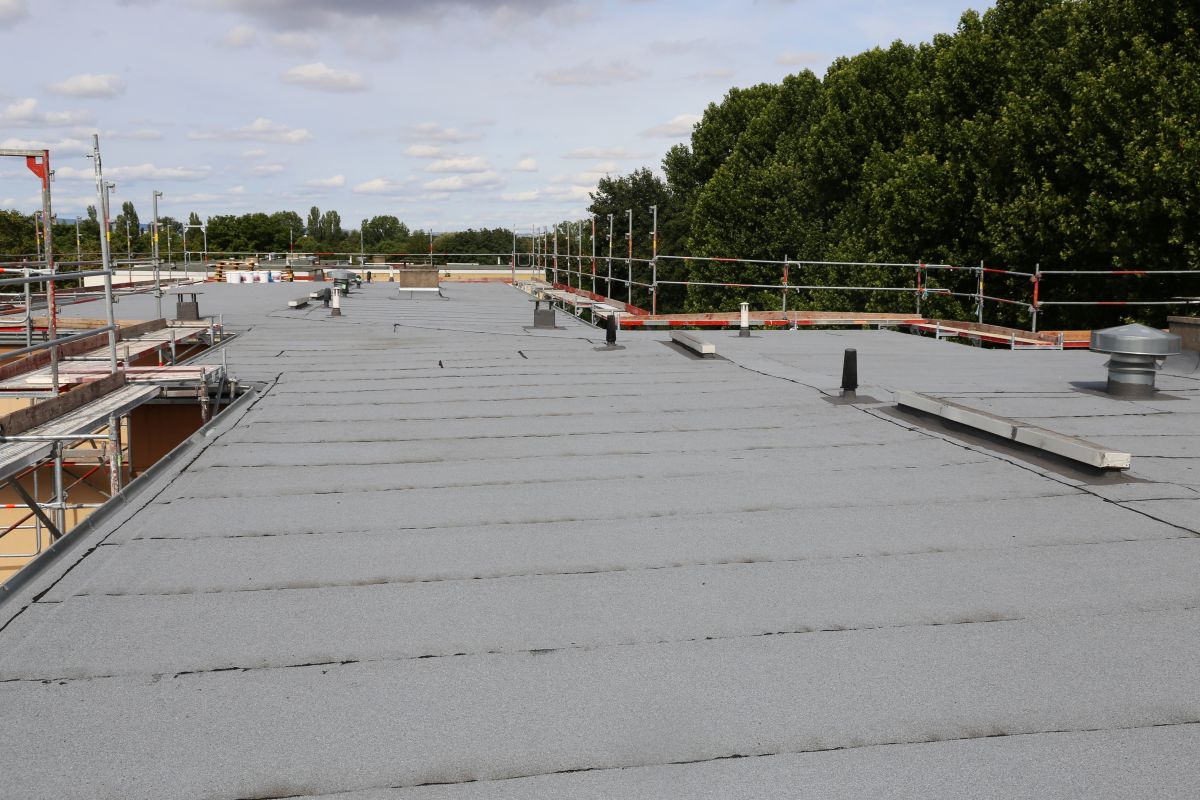
Modified bitumen is a factory-manufactured roofing membrane composed primarily of polymer-modified asphalt reinforced with fabric plies that typically include polyester, fiberglass, or a combination of both. The Asphalt Roofing Manufacturers Association notes that modified bitumen sheets are composed primarily of polymer modified bitumen reinforced with one or more plies of fabric such as polyester, glass fiber or a combination of both, and that the asphalt is generally modified with one of two modifiers: Atactic Polypropylene (APP) or Styrene Butadiene Styrene (SBS). The modified asphalt is combined with reinforcing fabric and manufactured into rolls that commercial roofing contractors install on prepared roof decks.
- Polymer-modified asphalt: Base roofing material.
- Reinforcement plies: Polyester or fiberglass fabric.
- Two main modifier types: APP or SBS polymers.
- Factory-manufactured rolls: Consistent product specifications.
Where Modified Bitumen Is Used Commercially
Modified bitumen is used commercially on flat and low-slope roofs where asphalt-based waterproofing performance matters more than the specific advantages of single-ply alternatives like TPO or EPDM. Owl Roofing installs modified bitumen on Saint Paul office buildings, retail centers, medical facilities, warehouses, light industrial properties, and multi-family residential buildings with flat roof sections. The system works particularly well on commercial buildings with rooftop foot traffic because the multi-ply construction provides better puncture resistance than single-ply membrane systems. Modified bitumen also fits well on commercial re-cover projects over existing asphalt-based roofing, where the material compatibility simplifies installation.
- Low-slope commercial roofs: Primary application.
- Common Saint Paul uses: Offices, retail, medical, warehouses.
- Rooftop traffic durability: Multi-ply puncture resistance.
- Re-cover compatibility: Works over existing asphalt systems.
2 Types of Modified Bitumen Membrane
Two main types of modified bitumen membrane dominate commercial applications across Saint Paul and surrounding Twin Cities communities. Each type has specific performance characteristics that affect which fits particular commercial applications best.
1. SBS-Modified Bitumen
SBS-modified bitumen uses styrene-butadiene-styrene synthetic rubber polymer that transforms the asphalt into an elastomeric material with enhanced flexibility and recovery properties. Owl Roofing recommends SBS modified bitumen for most Saint Paul commercial applications because the elastomeric properties handle Minnesota’s extreme temperature cycling better than APP alternatives. SBS membranes resist water penetration while exhibiting superior elongation and recovery properties over a wide range of temperature extremes, making them exceptionally durable where there may be movement or deflection of the underlying deck. Saint Paul buildings with roof deck movement from thermal expansion, settling, or structural flex benefit significantly from SBS’s elastomeric characteristics.
- Styrene-butadiene-styrene polymer: Rubber-like modifier.
- Elastomeric properties: Enhanced flexibility and recovery.
- Minnesota winter performance: Handles cold temperature extremes.
- Deck movement tolerance: Elongation and recovery.
2. APP-Modified Bitumen
APP-modified bitumen uses atactic polypropylene thermoplastic polymer that creates a tougher, more weather-resistant asphalt with excellent UV resistance and dimensional stability. Owl Roofing installs APP modified bitumen on Saint Paul commercial applications where UV exposure is particularly intense or where thermoplastic properties fit the specific installation requirements. APP membranes form a uniform matrix within the bitumen that increases resistance to ultraviolet light, improves flexibility at high and low temperatures, and enhances resistance to water penetration. The thermoplastic properties also make APP membranes well-suited to torch-applied installation methods where SBS might scorch more easily.
- Atactic polypropylene polymer: Plastic-like modifier.
- UV resistance: Enhanced protection from sun exposure.
- Thermoplastic properties: Reheat and reflow capability.
- Torch application compatibility: Preferred for heat welding.

3 Modified Bitumen Installation Methods
Three main installation methods are used for modified bitumen roofing on Saint Paul commercial properties. The installation method selection depends on building characteristics, local fire code requirements, substrate conditions, and project scheduling considerations.
1. Torch-Applied Installation
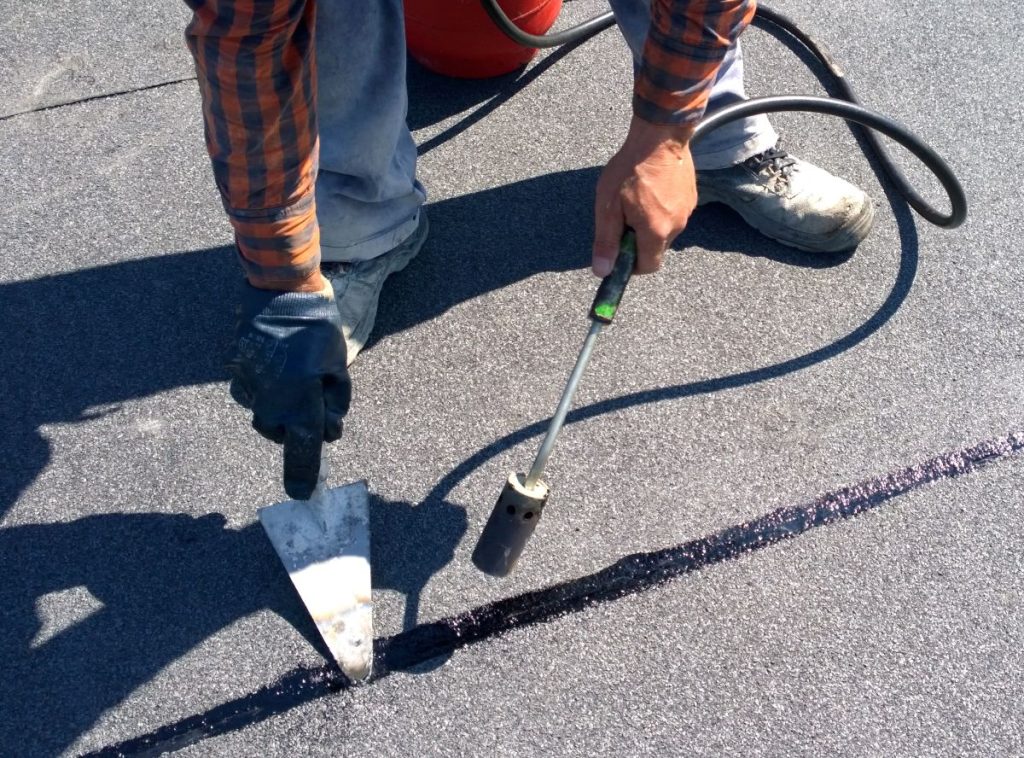
Torch-applied installation uses a propane torch to melt the underside of the modified bitumen membrane as it is unrolled onto the substrate, with the melted asphalt bonding the membrane to the roof deck or underlying ply sheet. Owl Roofing performs torch-applied installations on Saint Paul commercial properties where the method fits the specific project requirements. The installation produces strong adhesion and is the traditional installation method for APP membranes. Torch applications require specific fire safety protocols including fire watch, fire extinguishers on the roof, and compliance with local fire department requirements. Some Saint Paul building owners prefer non-torch methods for the reduced fire risk.
- Propane torch welding: Melts membrane for adhesion.
- Strong bond strength: Traditional installation method.
- Fire safety protocols required: Fire watch and extinguishers.
- Common with APP membranes: Thermoplastic compatibility.
2. Hot-Mopped Asphalt Installation
Hot-mopped asphalt installation uses a bucket of hot asphalt heated in a specialty kettle on the ground and lifted to the roof, with the hot asphalt mopped onto the substrate before unrolling the modified bitumen membrane. Owl Roofing performs hot-mopped installations on Saint Paul commercial projects where the method fits requirements and where kettle equipment can be safely positioned on the property. The method provides strong, consistent adhesion and works with both SBS and APP membranes. Hot-mopped applications produce odor and fumes during installation, which affects scheduling for occupied buildings. The method requires specific equipment setup including the asphalt kettle, lifting equipment, and crew training.
- Hot asphalt adhesive: Melted in ground kettle.
- Strong consistent adhesion: Traditional reliable method.
- Both membrane types: SBS and APP compatible.
- Odor and fume management: Affects occupied building scheduling.
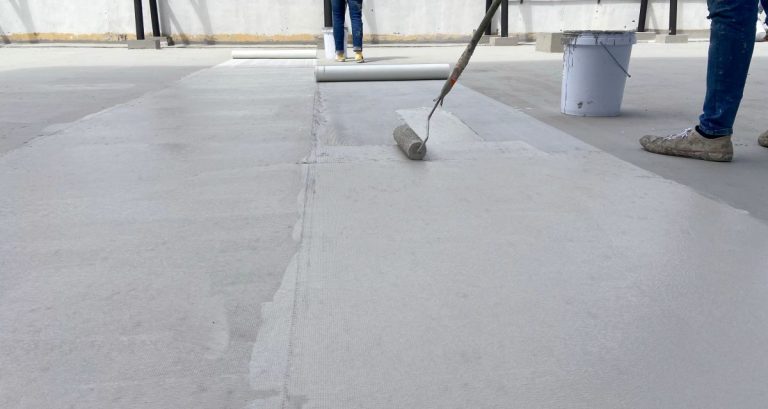
3. Self-Adhered and Cold-Applied Installation
Self-adhered and cold-applied installation methods have become increasingly common on Saint Paul commercial properties because they eliminate the fire risk and fume issues of torch and hot-mopped applications. Owl Roofing installs self-adhered modified bitumen membranes that peel-and-stick directly to properly prepared substrates, and cold-applied membranes that use liquid adhesives rolled onto the substrate before the membrane is positioned. The methods work especially well on buildings where occupancy continues during roof work, where fire concerns exist, or where strict environmental or odor requirements apply. Modern self-adhered and cold-applied products provide adhesion comparable to traditional torch and hot-mopped methods when properly installed.
- No open flame required: Eliminates fire risk.
- Occupancy-friendly: Minimal odor and fumes.
- Peel-and-stick or liquid adhesive: Modern installation methods.
- Environmental and safety advantages: Growing market share.
Pros of Modified Bitumen Roofing
Modified bitumen roofing offers several significant advantages for Saint Paul commercial properties that make it a competitive option alongside single-ply and other commercial roofing systems. Owl Roofing walks commercial property owners through these advantages during consultations for roof replacement and new construction projects.
Durability and Weather Resistance
Durability and weather resistance are modified bitumen’s primary advantages, with the multi-ply construction providing redundant waterproofing protection that single-ply membranes cannot match. Owl Roofing finds that Saint Paul modified bitumen installations typically withstand hail, foot traffic, and mechanical damage better than comparable single-ply systems because the multiple membrane layers absorb and distribute impact forces. The thick membrane assemblies also resist puncture from debris, dropped tools during HVAC maintenance, and other mechanical stresses that affect commercial roofs. Weather resistance includes performance across Minnesota’s extreme temperature range from below-zero winter conditions to summer heat approaching 100 degrees.
- Multi-ply redundancy: Backup waterproofing layers.
- Puncture resistance: Better than single-ply systems.
- Temperature range tolerance: Below-zero to 100+ degrees.
- Mechanical damage resistance: Foot traffic and tools.
Flexibility and Elongation Properties
Flexibility and elongation properties are particularly important for Saint Paul commercial applications because Minnesota’s thermal cycling places constant stress on roofing systems. Owl Roofing installs SBS modified bitumen on Saint Paul buildings where temperature-driven expansion and contraction would stress less flexible roofing systems. The elastomeric properties of SBS membranes allow the material to stretch and recover with building movement without developing cracks or splits that would create leak paths. APP membranes also provide flexibility across temperature ranges, though with somewhat less elongation capability than SBS. The flexibility properties contribute significantly to long-term performance.
- Thermal cycling tolerance: Expansion and contraction.
- SBS elongation: Superior stretch and recovery.
- Crack resistance: Flexes without splitting.
- Building movement accommodation: Settles and shifts.
Cost-Effectiveness
Cost-effectiveness makes modified bitumen attractive for Saint Paul commercial property owners comparing commercial roofing options with similar performance characteristics. Owl Roofing provides itemized estimates showing modified bitumen pricing alongside TPO, EPDM, and PVC alternatives so commercial property owners can compare total project costs. Modified bitumen typically costs less per square foot than premium single-ply membranes while providing comparable or better long-term performance in Minnesota’s climate. The lifecycle cost analysis typically favors modified bitumen when the system is maintained properly throughout its service life. Repair costs are also competitive compared to single-ply alternatives.
- Competitive installation cost: Below premium single-ply.
- Comparable long-term performance: In Minnesota climate.
- Favorable lifecycle costs: With proper maintenance.
- Competitive repair costs: Localized damage addressable.
Cons of Modified Bitumen Roofing
Modified bitumen roofing also has specific disadvantages that Saint Paul commercial property owners should understand when evaluating the system against alternatives. Owl Roofing presents both sides during consultations so property owners can make informed decisions based on their specific priorities.
Lifespan Limitations
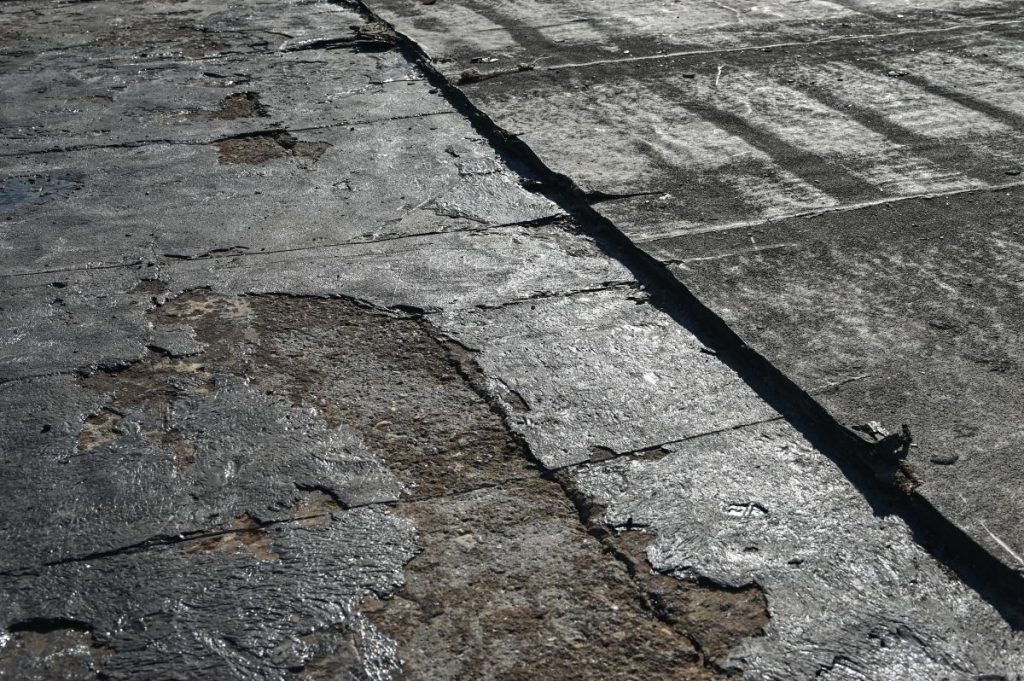
Lifespan limitations are a significant consideration because modified bitumen typically delivers 15 to 25 year service life compared to 25 to 40 years for premium single-ply systems in similar applications. Owl Roofing installs modified bitumen on Saint Paul properties where the shorter lifespan fits the owner’s planning horizon or where lifecycle cost calculations favor the system despite the shorter service life. Properties expected to be sold within 10 to 15 years benefit less from longer-lifespan systems than from the lower upfront cost of modified bitumen. Buildings expected to remain in long-term ownership may benefit more from longer-lifespan alternatives.
- 15 to 25 year service life: Shorter than premium single-ply.
- Fits specific planning horizons: 10 to 15 year ownership.
- Lifecycle cost calculations: Favor shorter payback periods.
- Long-term ownership considerations: May favor alternatives.
Installation Complexity
Installation complexity varies by method but can affect project cost, scheduling, and property disruption during installation. Owl Roofing selects installation methods based on specific Saint Paul project requirements, with torch and hot-mopped applications requiring more extensive on-site infrastructure than self-adhered or cold-applied methods. Fire code compliance for torch applications adds complexity in some locations and may require fire watch personnel during and after installation. Odor and fume management for hot-mopped installations affects occupied building scheduling and may require after-hours work. Weather conditions also affect installation scheduling, with heat welding limited by rain and cold-applied methods affected by low temperatures.
- Method-specific complexity: Varies by installation type.
- Fire code compliance: Torch applications require protocols.
- Odor and fume management: Hot-mopped scheduling impact.
- Weather sensitivity: Scheduling considerations.
Modified Bitumen Lifespan Expectations
Modified bitumen lifespan expectations are a critical consideration for Saint Paul commercial property owners planning long-term roof management strategies. Owl Roofing provides specific lifespan guidance based on membrane type, installation method, and property-specific conditions.
Typical Service Life Range
Typical service life range for modified bitumen on Saint Paul commercial properties runs 15 to 25 years, with SBS membranes generally performing at the longer end of the range due to superior flexibility in Minnesota’s climate. Owl Roofing projects typically specify SBS modified bitumen for Saint Paul installations expecting 20 to 25 year service life with proper maintenance throughout the lifecycle. APP membranes typically deliver 15 to 20 year service life in Minnesota’s climate, with the service life more affected by thermal cycling than SBS alternatives. Both membrane types outperform rated expectations when installed properly and maintained consistently.
- Overall range: 15 to 25 years typical.
- SBS performance: 20 to 25 years with maintenance.
- APP performance: 15 to 20 years typical.
- Maintenance critical: For maximum service life.
Factors That Affect Lifespan
Several factors affect modified bitumen lifespan including membrane type selection, installation method quality, building rooftop traffic patterns, maintenance frequency, climate exposure factors, and specific product warranties. Owl Roofing explains each factor during Saint Paul consultations so commercial property owners understand what they can control to maximize service life. Regular inspections and preventive maintenance significantly extend lifespan by addressing small problems before they develop into major failures. Documentation of maintenance supports warranty claims and provides evidence of proper care for insurance purposes.
- Membrane type and installation quality: Primary factors.
- Rooftop traffic management: Affects wear patterns.
- Preventive maintenance: Extends service life significantly.
- Documentation: Supports warranty and insurance claims.
Modified Bitumen Cost for Saint Paul Commercial Properties
The cost of modified bitumen roofing in Saint Paul depends on membrane type, installation method, building characteristics, existing roof condition, and project complexity. Owl Roofing provides itemized estimates showing specific cost components for commercial modified bitumen projects.
Installation Pricing
Installation pricing for modified bitumen in Saint Paul typically runs $4 to $8 per square foot for standard commercial installations, with APP installations generally at the lower end and premium SBS systems at the higher end. Owl Roofing commercial installations in Saint Paul for a typical 10,000 square foot commercial building run approximately $55,000 for standard SBS modified bitumen installations including removal of existing roofing, substrate preparation, and complete membrane installation. Larger projects benefit from economies of scale that reduce per-square-foot pricing. Smaller projects or projects with complex rooftop penetrations and HVAC installations may run higher per square foot due to the additional detail work required.
- Per square foot range: $4 to $8 typical.
- Saint Paul 10,000 sq ft average: Around $55,000 SBS installation.
- Economies of scale: Larger projects reduce per-foot cost.
- Complexity premium: Penetrations and details add cost.
Owl Roofing in Saint Paul
Owl Roofing handles commercial roofing installation, replacement, and repair including modified bitumen systems across Saint Paul and surrounding Twin Cities communities. The team works with commercial property owners, property managers, and facility managers on roof replacement planning, insurance claim coordination, and ongoing maintenance programs for commercial buildings.
Why Commercial Property Owners Choose Owl Roofing
Owl Roofing is a strong choice for commercial roofing in Saint Paul because the team installs all major commercial roofing systems including modified bitumen, TPO, EPDM, PVC, and metal with manufacturer-certified installation techniques, provides free pre-installation inspections and detailed written specifications, offers transparent itemized estimates comparing multiple system options, and coordinates with commercial property management teams on scheduling and site logistics. Owl Roofing commercial installations include manufacturer warranty registration and complete documentation of installed products for commercial facilities. Every project includes written documentation suitable for lease disclosures, insurance claims, and property management records.
- All commercial systems: Modified bitumen, TPO, EPDM, PVC, metal.
- Multi-system estimates: Compare options transparently.
- Property management coordination: Scheduling and logistics.
- Written documentation: For leases, insurance, and records.
Frequently Asked Questions
How Long Does Modified Bitumen Roofing Last on Commercial Properties?
Modified bitumen roofing typically lasts 15 to 25 years on Saint Paul commercial properties, with SBS membranes generally performing at the longer end of the range due to superior flexibility in Minnesota’s climate. Owl Roofing installs SBS modified bitumen on most Saint Paul commercial applications expecting 20 to 25 year service life with proper maintenance throughout the lifecycle.
Is Modified Bitumen Better Than TPO for Commercial Roofs?
Modified bitumen and TPO each have distinct advantages, with modified bitumen offering better puncture resistance and asphalt-system compatibility, and TPO offering longer lifespan and lighter weight. Owl Roofing recommends the system that fits each Saint Paul commercial application based on building characteristics, ownership timeline, and specific property requirements. Multi-system estimates help commercial property owners compare options with real cost data.
Can Modified Bitumen Be Installed Without Torch Methods?
Yes, modified bitumen can be installed using hot-mopped asphalt, cold-applied liquid adhesives, or self-adhered peel-and-stick methods that eliminate open flame on the roof. Owl Roofing installs modified bitumen using the method appropriate to each Saint Paul commercial project, with self-adhered and cold-applied methods increasingly common for occupied buildings and fire-sensitive applications.
How Much Does Modified Bitumen Cost per Square Foot in Saint Paul?
Modified bitumen typically costs $4 to $8 per square foot installed in Saint Paul for standard commercial applications, with APP installations at the lower end and premium SBS systems at the higher end. Owl Roofing provides itemized estimates showing specific cost components for commercial projects. A typical 10,000 square foot Saint Paul commercial building runs approximately $55,000 for standard SBS installation.
Does Modified Bitumen Qualify for Energy-Efficiency Rebates?
Modified bitumen can qualify for energy-efficiency rebates when installed with reflective cap sheets or combined with proper roof insulation that meets specific energy code requirements. Owl Roofing helps Saint Paul commercial property owners evaluate rebate opportunities during the planning process. ENERGY STAR qualified modified bitumen products with white or reflective surfaces can qualify for cool roof rebates where available.
Does Owl Roofing Install Modified Bitumen on Saint Paul Commercial Properties?
Yes, Owl Roofing installs modified bitumen roofing systems including SBS and APP membranes across Saint Paul and surrounding Twin Cities commercial properties. The team handles torch-applied, hot-mopped, cold-applied, and self-adhered installation methods based on specific project requirements. Every commercial installation includes manufacturer warranty registration and written documentation suitable for property management records.

Get Your Free Commercial Roof Assessment Scheduled
Owl Roofing handles commercial roofing installation, replacement, and repair across Saint Paul and surrounding Twin Cities communities with multi-system estimates comparing modified bitumen, TPO, EPDM, PVC, and metal options, free pre-installation inspections, property management coordination, manufacturer-certified installation, and complete documentation suitable for lease disclosures and insurance records. Every Owl Roofing commercial consultation includes evaluation of existing roof condition and specific recommendations for replacement or new construction so Saint Paul commercial property owners understand exactly what their project will include.
Contact Owl Roofing to schedule a free commercial roof assessment for your Saint Paul property and receive a written estimate that breaks down the cost for modified bitumen or alternative commercial roofing systems appropriate for your building.