



Roof Inspection Checklist: What Pros Look For in 2026
 15min Read
 Posted 8.17.2026
A comprehensive roof inspection examines eight key areas that trained professionals evaluate during every property visit: roof surface and shingle condition, flashing at penetrations and intersections, gutters and downspouts, ridge cap and roof edges, attic ventilation system, attic interior and roof decking, fascia and soffit, and chimneys and specialty features. Owl Roofing is a GAF and Owens Corning certified roofing contractor serving Maplewood and surrounding Twin Cities communities, and the team provides free professional inspections that follow industry standards for scope and documentation. This guide walks through the eight things pros look for during a roof inspection, explains what the written report should include, and covers what inspections cost in Maplewood.
- Eight professional inspection areas: What trained inspectors examine on every visit.
- Written report standards: What comprehensive inspection documentation includes.
- Cost breakdown: Real Maplewood pricing for professional inspections.

Professional Roof Inspection Basics
Professional roof inspection basics follow established industry standards that define what inspectors must examine, how the findings are documented, and what limitations apply to the visual inspection process. Owl Roofing follows industry-standard inspection protocols across Maplewood, with the free inspection service including all standard elements at no charge when homeowners are considering repair or replacement work.
What Does a Professional Roof Inspection Cover?
A professional roof inspection covers the roof covering, gutters, downspouts, vents, flashings, skylights, chimneys, roof penetrations, and the general structure of the roof from readily accessible panels, doors, or stairs. The InterNACHI Home Inspection Standards of Practice, one of the most widely adopted inspection standards in North America, specifies exactly what elements a professional inspector examines during a residential roof inspection and what falls outside the standard scope. Owl Roofing follows these standards on every Maplewood inspection with additional attention to Minnesota-specific concerns including ice barrier coverage, freeze-thaw damage, and ventilation adequacy for cold-climate homes. The inspection is a visual examination based on observations made on the date of the inspection.
- Standard scope: Roof covering, gutters, flashings, penetrations, and structure.
- Industry standards: InterNACHI defines the minimum inspection requirements.
- Minnesota focus: Ice barrier, freeze-thaw, and ventilation for cold climate.
- Visual examination: Based on observations on the inspection date.
How Often Should You Get a Roof Inspection?
You should get a roof inspection every 3 to 5 years on newer roofs and annually on roofs over 15 years old to identify small issues before they become expensive problems. Owl Roofing recommends Maplewood homeowners schedule inspections after every severe storm event, when preparing to sell the home, when considering purchase of a home with a roof over 10 years old, and when planning major renovations that involve the roof. Annual maintenance inspections extend roof service life by identifying minor damage that can be repaired before compounding into major problems. Roofs approaching the end of their expected service life benefit from more frequent inspection to track condition changes over time.
- Newer roofs: Every 3 to 5 years for baseline monitoring.
- Roofs over 15 years: Annual inspection to track condition changes.
- After storms: Prompt inspection to identify damage.
- Real estate transactions: Pre-listing or pre-purchase inspection recommended.
8 Things Pros Look For During a Roof Inspection
Eight specific areas make up a comprehensive professional roof inspection in Maplewood. Owl Roofing inspectors examine each area during every free inspection and document findings with photos and written notes.
1. Roof Surface and Shingle Condition
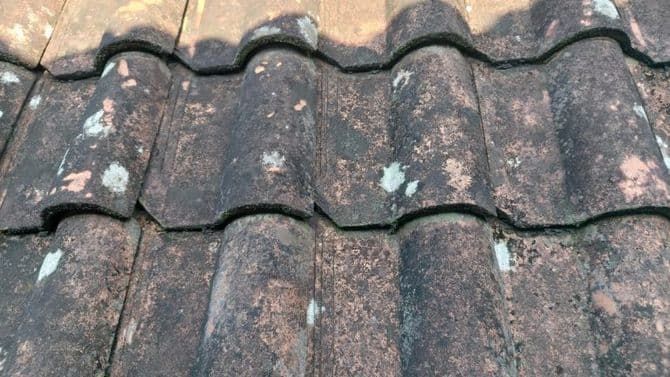
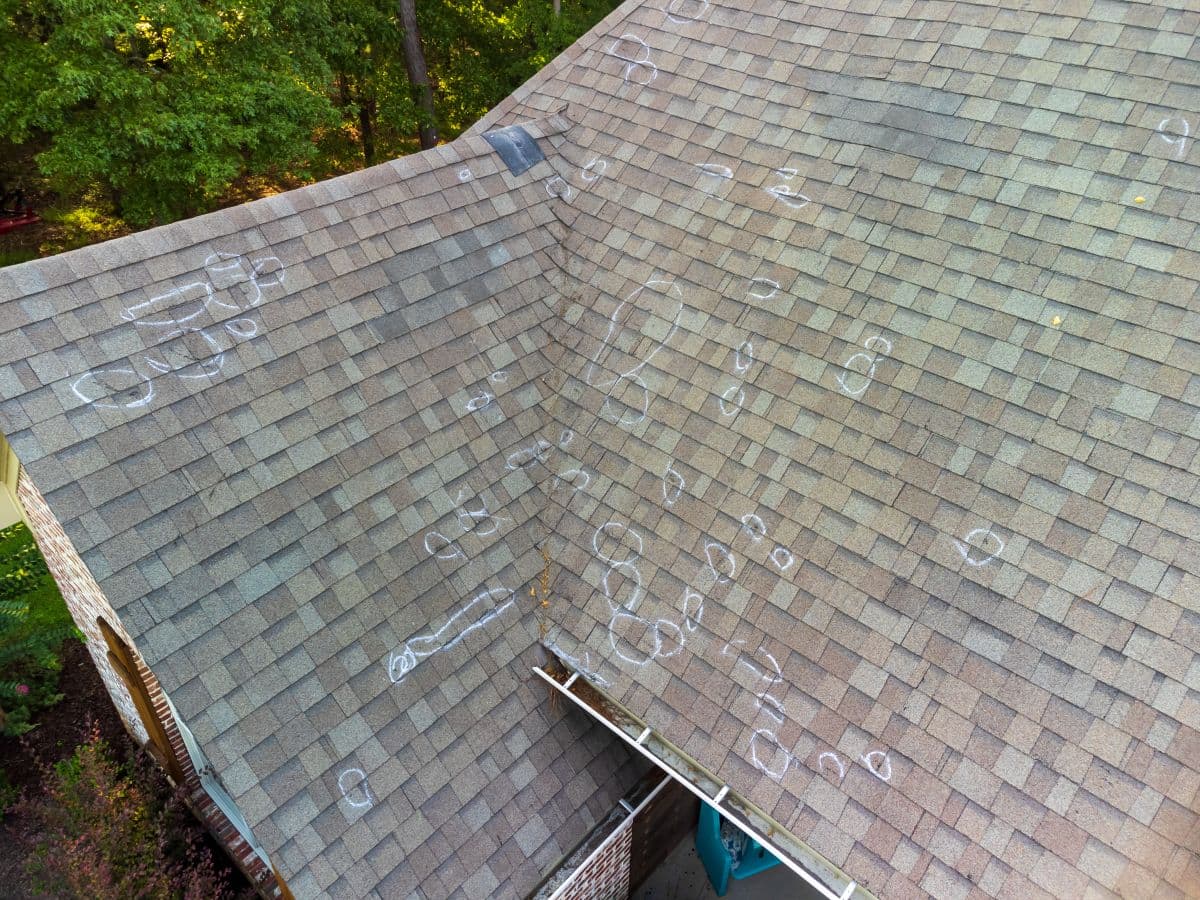
Roof surface and shingle condition is the most visible element of the inspection, covering the field shingles across every roof slope. Owl Roofing inspectors examine each slope for missing shingles, torn shingles, cracked shingles, bruised shingles from hail impact, curling or cupping shingles indicating age-related failure, and widespread granule loss showing bare asphalt. The inspection also identifies wear patterns that indicate ventilation problems, installation issues, or storm damage. Shingle age is verified where possible through manufacturer date codes visible on the underside of shingles during attic inspection. Damage patterns often identify the specific cause of the damage, whether from hail, wind, tree limbs, ice dams, or normal aging.
- Missing shingles: Wind or storm damage exposing underlayment.
- Bruised or cracked: Hail damage requiring section replacement.
- Curling or cupping: Age-related asphalt degradation.
- Granule loss: Widespread wear indicating end of service life.
2. Flashing at Penetrations and Intersections
Flashing at penetrations and intersections is the most common source of roof leaks and receives detailed attention during professional inspections. Owl Roofing inspectors check step flashing at every wall-to-roof intersection, valley flashing at every roof valley, chimney flashing at brick or stone chimneys, plumbing vent boots at every plumbing penetration, drip edge along every eave and rake, and pipe collar flashing at HVAC and utility penetrations. Damaged flashing typically shows as bent or lifted metal, rust or corrosion, cracked sealant, or gaps between the flashing and the surrounding shingles. Flashing damage often causes leaks that appear to come from other locations because water travels along the roof deck before reaching the interior.
- Step flashing: Wall-to-roof intersections most vulnerable.
- Valley flashing: Every roof valley requires proper installation.
- Chimney flashing: Complex penetrations need careful sealing.
- Plumbing boots: Rubber collars vulnerable to hail and age.
3. Gutters, Downspouts, and Drainage
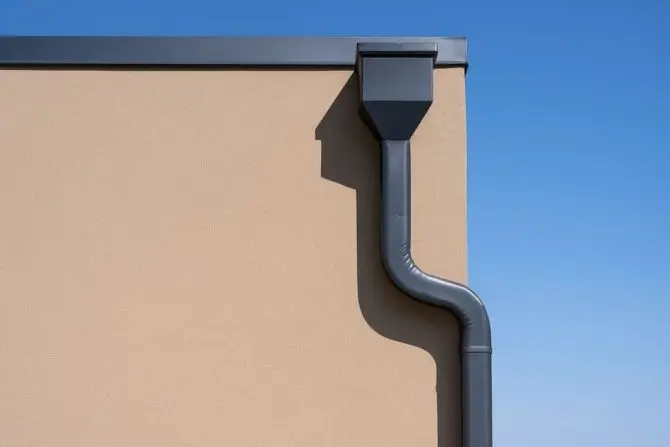
Gutters, downspouts, and drainage receive inspection attention because gutter failures cascade into roof damage, foundation problems, and interior water intrusion. Owl Roofing inspectors examine gutters for proper attachment to the fascia, appropriate pitch toward downspouts, debris accumulation that blocks water flow, damage from hail impact showing as dents or holes, separation from the fascia or between gutter sections, and granule accumulation indicating shingle wear above. Downspout inspection covers proper attachment, blockage, and adequate ground drainage away from the foundation. Damaged or blocked drainage causes water to back up under the shingles at the eaves, which produces ice dams during winter and rot in the fascia and soffit.
- Attachment integrity: Gutters secured properly to fascia.
- Debris blockage: Clogged gutters cause water backup.
- Hail damage: Dents in aluminum gutters confirm hail impact.
- Downspout drainage: Water directed away from foundation.
4. Ridge Cap, Starter Strip, and Roof Edges
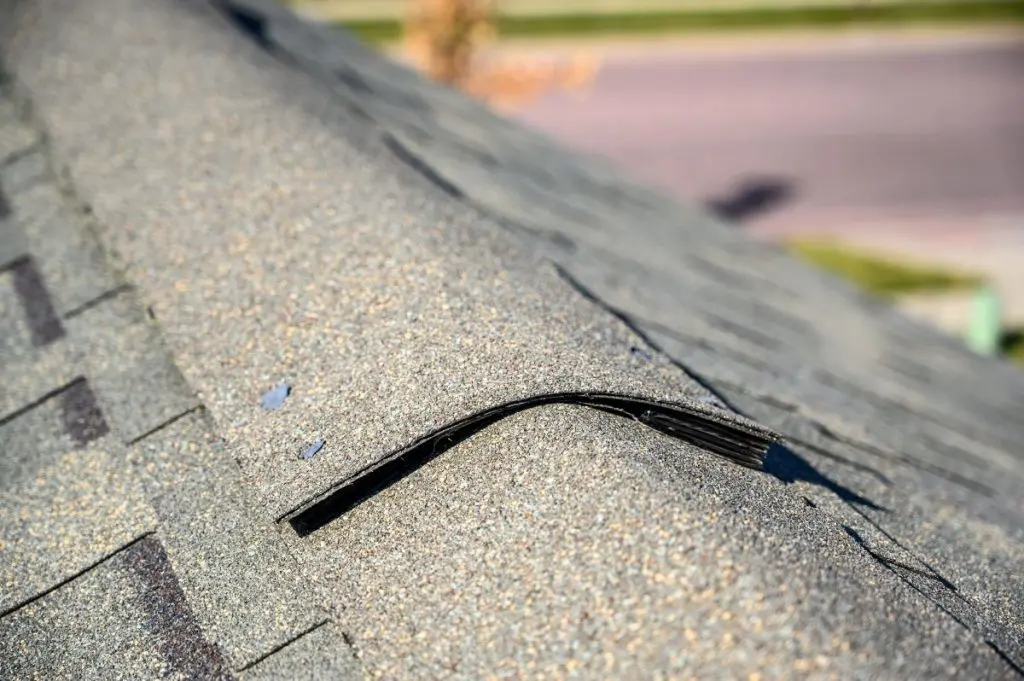
Ridge cap, starter strip, and roof edges receive inspection attention because the edges of the roof face the most severe weather exposure. Owl Roofing inspectors check ridge cap shingles at every roof peak for damage, wear, or sealant failure. Starter strip along eaves and rakes is examined for proper installation, sealing, and damage. Drip edge is checked at every eave and rake to confirm proper installation and corrosion resistance. The inspection also covers ridge vents and any exhaust ventilation integrated with the ridge cap. Damaged ridge cap creates entry points at the roof peak where wind can drive water under the surrounding shingles during subsequent storms.
- Ridge cap integrity: Peaks face highest wind exposure.
- Starter strip sealing: First shingle course protection.
- Drip edge installation: Directs water off the roof.
- Ridge vent function: Integrated ventilation at the peak.
5. Attic Ventilation System
Attic ventilation system inspection covers both intake ventilation at the eaves and exhaust ventilation at ridges, gables, or through powered vents. Owl Roofing checks soffit vents for adequate airflow area and freedom from insulation blockage, ridge vents for proper installation and continuous airflow, gable vents on homes without ridge ventilation, and any powered ventilation components for proper function. Minnesota code requires balanced intake and exhaust ventilation at a minimum ratio of 1 square foot of net free ventilation area per 150 square feet of attic floor area, or 1 to 300 with balanced ventilation. Unbalanced ventilation causes moisture buildup, ice dam formation, and premature shingle failure through excessive summer heat exposure.
- Intake ventilation: Soffit vents providing outside air.
- Exhaust ventilation: Ridge, gable, or powered vents.
- Balance ratio: 1:150 or 1:300 with balanced intake and exhaust.
- Moisture prevention: Adequate ventilation prevents attic problems.
6. Attic Interior and Roof Decking
Attic interior and roof decking inspection is performed from inside the attic space with adequate lighting to examine the underside of the roof deck for structural damage and moisture indicators. Owl Roofing inspectors examine the deck for water staining, mold growth, visible daylight through the deck, wet insulation, rotted rafters, and structural sagging or damage. The inspection also verifies proper installation of ventilation baffles that maintain airflow between insulation and roof deck, adequate insulation depth per Minnesota energy code (typically R-49 or higher), and no visible pest damage. Attic conditions often reveal problems that are not visible from the exterior, including small leaks that have not yet produced ceiling stains.
- Water staining underside: Visible on the roof deck from inside.
- Wet insulation: Water has reached the attic layer.
- Daylight through deck: Structural puncture requiring immediate attention.
- R-49 insulation: Minnesota code minimum for Twin Cities homes.
7. Fascia, Soffit, and Eaves
Fascia, soffit, and eaves inspection covers the transition zones between the roof and the exterior wall system. Owl Roofing inspectors check fascia boards for rot, water damage, or paint failure indicating moisture problems. Soffit inspection covers the underside of the roof overhang for damage, animal entry points, and adequate ventilation openings. The eave transition is examined for gaps that allow pest entry, damaged trim, or evidence of ice dam damage from previous winters. Fascia rot is particularly common on older Twin Cities homes where inadequate gutter drainage or ice dam formation has caused chronic moisture exposure. Damaged fascia and soffit often need replacement before new roofing can be installed properly.
- Fascia rot: Common on aging homes with drainage issues.
- Soffit damage: Pest entry points and ventilation blockages.
- Ice dam evidence: Prior winter damage visible at eaves.
- Replacement need: Damaged components repaired before new roof.
8. Chimneys, Skylights, and Specialty Features
Chimneys, skylights, and specialty features receive individual attention during professional inspection because these penetrations are common leak sources and require specific inspection techniques. Owl Roofing inspectors examine chimneys for flashing integrity, cap and crown condition, mortar joint condition, and any structural concerns. Skylights are checked for cracked glass, damaged exterior seals, water staining around the interior frame, and proper flashing at the roof penetration. Specialty features including solar panels, satellite dishes, roof-mounted HVAC equipment, and attic access hatches each receive appropriate inspection. Damaged or aging skylights are common sources of leaks and often need replacement before adjacent roofing work can proceed.
- Chimney flashing: Multi-piece flashing at brick or stone chimneys.
- Skylight seals: Vulnerable to age, hail, and freeze-thaw damage.
- Chimney condition: Cap, crown, and mortar joint evaluation.
- Specialty features: Solar, HVAC, and other roof-mounted equipment.
What Does a Roof Inspection Report Include?
A comprehensive roof inspection report includes detailed findings across all eight inspection areas, supported by photos and written recommendations. Owl Roofing provides written reports on every Maplewood inspection at no charge for storm damage and free consultation inspections.
What Should Be in the Written Report?
The written inspection report should include a summary of the overall roof condition, detailed findings organized by inspection area, photo documentation of any damage or concerns, an estimate of remaining roof service life, specific recommendations for repair or replacement, and an itemized estimate for any recommended work. Owl Roofing provides all elements in Maplewood inspection reports because homeowners often need the documentation for insurance claims, real estate transactions, or home maintenance planning. The report should distinguish between immediate action items, near-term concerns, and long-term monitoring items so homeowners can prioritize the work appropriately. Photos should show each identified issue with enough context to understand the location and severity.
- Overall condition summary: Big-picture roof status.
- Findings by area: Detailed notes on all eight inspection zones.
- Photo documentation: Every damage point with visual context.
- Prioritized recommendations: Immediate, near-term, and long-term items.
How Long Does a Professional Inspection Take?
A professional roof inspection takes 30 to 90 minutes for a typical single-family home in Maplewood depending on roof complexity, home size, and whether interior attic access is included. Owl Roofing typically completes inspections in 45 to 60 minutes for standard homes, with more complex roofs and larger homes taking closer to 90 minutes. The inspection includes safe roof access using proper safety equipment, systematic examination of each of the eight inspection areas, photo documentation as issues are identified, and attic inspection when access is available. The written report is typically delivered within 24 to 48 hours of the on-site inspection to allow time for photo organization and finding compilation.
- Typical duration: 30 to 90 minutes on site.
- Standard home: 45 to 60 minutes for average residence.
- Complex roofs: Up to 90 minutes for larger or complex homes.
- Report delivery: 24 to 48 hours after on-site inspection.
How Much Does a Roof Inspection Cost in Maplewood?
The cost of a professional roof inspection in Maplewood depends on the inspection type and the contractor providing the service. Owl Roofing provides free inspections for storm damage assessment and pre-replacement consultation across Maplewood and surrounding areas.
What Is the Typical Cost Range?
A typical roof inspection in Maplewood costs nothing when Owl Roofing handles the work because pre-replacement and storm damage inspections are free with no obligation to proceed with any work. Standard non-storm home inspections from other providers cost $150 to $400 in the Twin Cities market, though the cost is often waived when the homeowner proceeds with recommended work. Real estate transaction inspections that include the roof as part of a full home inspection typically cost $300 to $600 depending on the home size and inspector. Comprehensive engineering inspections for structural concerns cost significantly more, typically $500 to $1,500. For roof replacement in Maplewood after inspection identifies replacement need, typical Maplewood replacements land around $18,500 for GAF Timberline HDZ architectural shingles.
- Owl Roofing inspections: Free with no obligation.
- Non-storm inspection range: $150 to $400 in the Twin Cities market.
- Real estate inspection: $300 to $600 for full home inspection.
- Typical Maplewood replacement: Around $18,500 if replacement needed.
Owl Roofing in Maplewood
Owl Roofing handles professional roof inspections across Maplewood and surrounding Twin Cities communities. The team is GAF and Owens Corning certified and provides written reports with all inspection findings.
Why Choose Owl Roofing for Roof Inspection?
Owl Roofing is a strong choice for roof inspection in Maplewood because the team provides free inspections with no obligation to proceed with work, follows industry-standard inspection protocols on every visit, delivers written reports with photo documentation, and offers honest recommendations rather than upselling unnecessary work. Owl Roofing inspectors use proper safety equipment to safely access the roof surface, examine all eight inspection areas systematically, and document findings that homeowners can use for insurance claims, real estate transactions, or maintenance planning. The team also identifies whether repairs, targeted replacement, or full replacement is the right response to inspection findings based on the actual damage extent.
- Free inspections: No obligation to proceed with work.
- Industry-standard protocols: All eight areas examined on every inspection.
- Written documentation: Reports with photos and recommendations.
- Honest assessment: Actual findings drive recommendations.
Frequently Asked Questions
How Often Should Homeowners Schedule Roof Inspections?
Homeowners should schedule roof inspections every 3 to 5 years on newer roofs, annually on roofs over 15 years old, after every severe storm event, and when preparing to sell the home. Owl Roofing recommends Maplewood homeowners align inspection frequency with roof age because aging roofs benefit from more frequent monitoring to identify small issues before they become major problems.
Can I Inspect My Roof Myself?
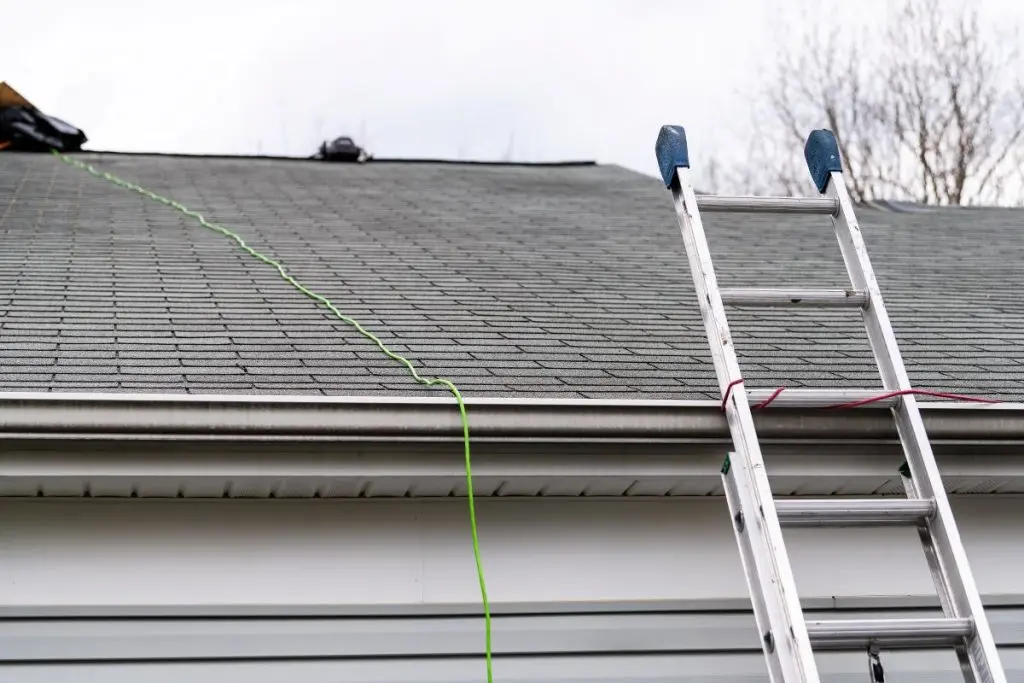
Homeowners can inspect their roof safely from the ground using binoculars, from windows on upper floors, and inside the attic, but should not climb on the roof surface because storm-damaged or worn shingles create serious fall risk. Owl Roofing recommends Maplewood homeowners complete ground-level and interior checks themselves, then schedule a professional inspection for the detailed roof surface examination that homeowners cannot safely perform.
What Should I Do If the Inspection Finds Damage?
When a roof inspection identifies damage in Maplewood, the appropriate response depends on the damage extent. Small damage on a newer roof typically warrants targeted repair, while widespread damage on an aging roof usually indicates full replacement. Owl Roofing provides specific recommendations during every Maplewood inspection based on the damage extent and remaining roof service life. Insurance-covered damage from storms should be documented and filed with the carrier within 24 to 48 hours.
Does Owl Roofing Charge for Roof Inspections?
Owl Roofing offers free roof inspections across Maplewood and surrounding Twin Cities communities with no obligation to file a claim or proceed with any recommended work. Each inspection includes a complete roof evaluation across all eight standard inspection areas, photo documentation, and a written report homeowners use for insurance claims, real estate transactions, or maintenance planning.
Do I Need an Inspection Before Buying a Home?
A roof inspection is highly recommended before buying a home in Maplewood because roof condition significantly affects the home’s value, near-term maintenance costs, and long-term ownership expenses. Owl Roofing performs pre-purchase roof inspections for buyers who want detailed roof condition documentation beyond what a general home inspector provides. Roof-specific inspections identify issues that general inspectors sometimes miss because roofing is a specialty area.
What If the Inspector Cannot Safely Access the Roof?
When conditions prevent safe roof access, professional inspectors examine the roof from the ground using binoculars, from upper-floor windows, and from the attic interior. Owl Roofing inspectors follow safety protocols on every Maplewood inspection and postpone roof surface access if conditions are unsafe, such as during active storm weather, when snow or ice cover the roof, or when the roof structure appears compromised. Alternative inspection methods still identify most visible damage.
Get Your Free Roof Inspection Scheduled
Owl Roofing handles professional roof inspections across Maplewood and surrounding Twin Cities communities with GAF and Owens Corning certified installations, insurance claim coordination, emergency repair availability, free inspections, financing options, and a maintenance program designed to protect the roof investment for its full service life. Every Owl Roofing inspection follows industry-standard protocols and includes a written report with photo documentation and honest recommendations.
Contact Owl Roofing to schedule a free roof inspection for your Maplewood home and get a written report covering all eight professional inspection areas.

Recent Articles
Explore The Blog