




Roofing Estimate Minneapolis What a Quote Should Include and Red Flags
 12min Read
 Posted 2.11.2026
That Roofing Estimate Sitting on Your Counter? It Might Be Missing Half the Story.
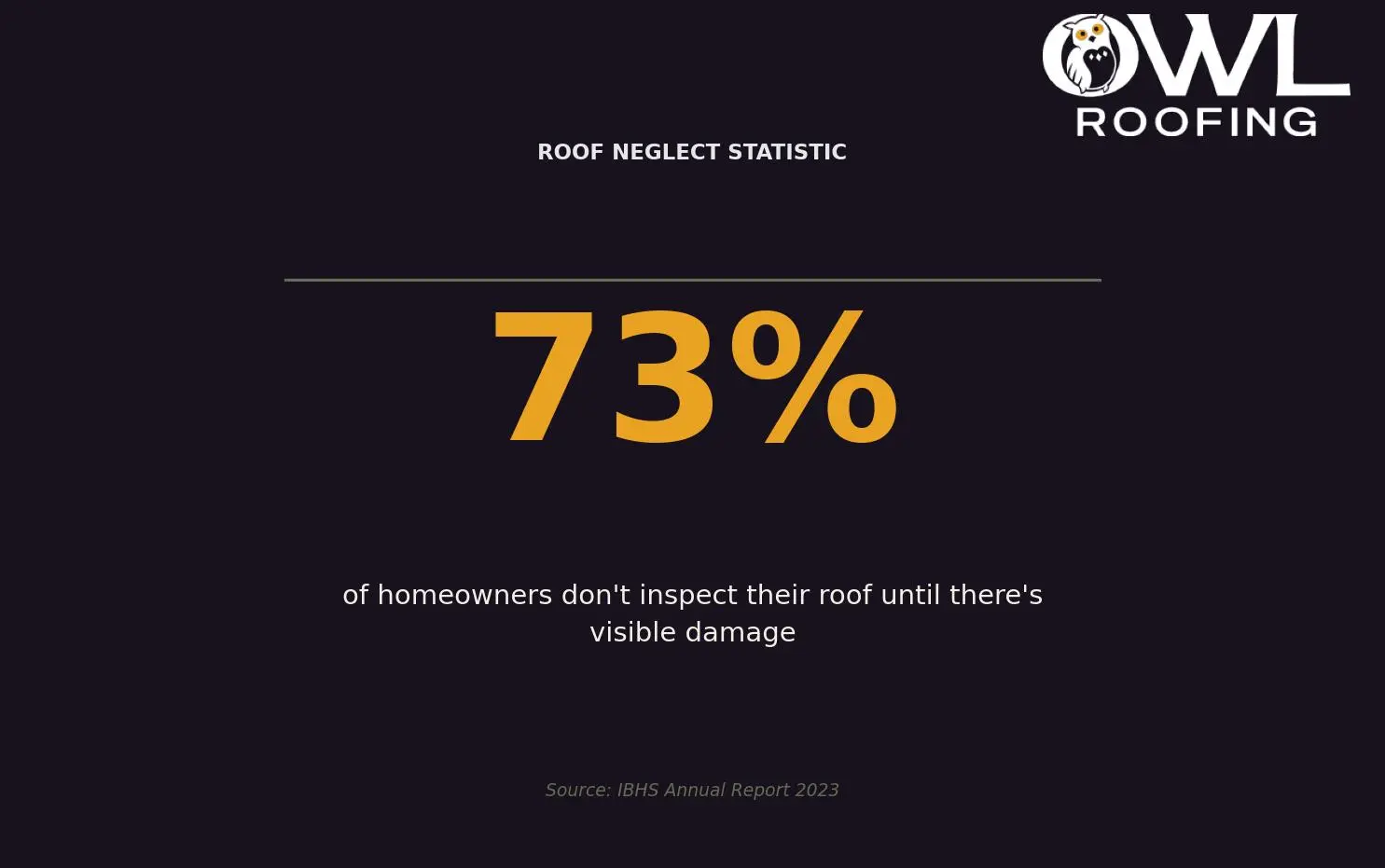
Here’s a number that should make every Twin Cities homeowner pause: 73% of us don’t inspect our roofs until we see visible damage—often when a small fix has already snowballed into a five-figure problem. If you’re staring at a roofing estimate right now, wondering if the numbers add up or if you’re about to get taken for a ride, you’re not alone. And you’re right to be skeptical.
Getting a roofing estimate in Minneapolis shouldn’t feel like decoding a foreign language or playing detective. But too often, that’s exactly what it is. Vague line items. Missing details. Numbers that seem plucked from thin air. And the nagging feeling that you’re supposed to just… trust it?
Let’s fix that. Because understanding what belongs in a legitimate quote—and spotting the red flags that scream “run the other way”—is the difference between a roof that protects your family for decades and a nightmare that drains your savings.
The Real Cost of a Bad Roofing Estimate
Here’s the thing about roof problems: they’re patient. A small leak doesn’t announce itself with fanfare. It seeps. It spreads. It rots the decking beneath your shingles while you’re blissfully unaware, watching Netflix two floors down. By the time you notice the water stain on your ceiling, the damage has been compounding for months—sometimes years.
And here’s where a bad estimate makes everything worse.
Say you get a quote that looks great on paper. Low price, quick turnaround, friendly handshake. You sign on the dotted line, feeling like you’ve won the lottery. But six months later? The “repair” is failing. Water’s getting in again. And when you call the contractor, their number’s disconnected. Or worse—they answer, shrug, and point to the fine print you didn’t realize excluded basically everything.
This isn’t hypothetical. It happens in the Twin Cities every single storm season. Contractors blow through town after hail damage, hand out lowball quotes like candy, do shoddy work, and vanish before the first snow flies. The Insurance Institute for Business & Home Safety (IBHS) has documented this pattern for years—and they’ve found that those “too good to be true” estimates often come from contractors who don’t carry adequate insurance. Which means when something goes wrong, you’re holding the bag.
Meanwhile, the roof over your head—the thing protecting literally everything you own—is compromised. And the “deal” you got? It just became the most expensive mistake of your homeownership journey.
A Tale of Two Estimates
Let me paint you a picture. Two neighbors in Roseville, both hit by the same June hailstorm last year. Both needed roof work. Both got estimates.
Neighbor A went with the cheapest bid. The contractor showed up fast, talked even faster, and handed over a one-page quote with a single number at the bottom. No breakdown. No warranty details. Just a price that seemed too good to pass up. The work got done in a day—maybe a little too quickly, but hey, who wants contractors around longer than necessary?
Neighbor B took a different approach. She got three estimates, compared them line by line, and asked questions when things didn’t add up. The contractor she chose cost more upfront but provided a detailed, itemized quote. Every material listed. Labor broken out separately. Timeline spelled out. Warranty terms in plain English. The job took three days, and the crew cleaned up after themselves each evening.
Fast forward to February. Neighbor A is dealing with ice dams and interior water damage because the “repaired” section wasn’t properly sealed. The contractor? Unreachable. Neighbor B’s roof is holding strong, and when she had a question about a small issue near the chimney, her contractor came out the same week to check it—no charge, because it was covered under warranty.
Same storm. Same neighborhood. Completely different outcomes. The difference wasn’t luck—it was the estimate.
What a Roofing Estimate in Minneapolis Should Actually Include
So what separates a legitimate, trustworthy quote from one that’s setting you up for disaster? Let’s break it down piece by piece.
Itemized Costs (Not Just a Bottom Line)
A comprehensive roofing estimate should break down costs into clear, itemized sections. We’re talking:
- Materials: Shingle type, brand, quantity. Underlayment specifications. Flashing materials. Ventilation components. Every single thing going on your roof, listed out.
- Labor: Separate from materials. This tells you what you’re paying for the actual work versus the stuff.
- Tear-off and disposal: If they’re removing your old roof, that’s a cost. It should be listed.
- Permits: Minneapolis and surrounding cities require permits for most roofing work. A legit contractor includes this—and pulls the permits themselves.
- Extras: New drip edge? Gutter apron? Pipe boot replacements? These add up, and you should know about them upfront.
According to the National Roofing Contractors Association (NRCA), an itemized list not only helps you understand where your money’s going—it also lets you compare quotes accurately. Without it, you’re comparing apples to oranges and hoping for the best.
Timeline and Project Scope
When does work start? When does it finish? What happens if weather delays things (spoiler: in Minnesota, weather will delay things)?
A solid estimate includes a realistic timeline that accounts for our gloriously unpredictable climate. If someone promises to knock out your full roof replacement in a single afternoon, be suspicious. Quality work takes time. Rushing leads to mistakes—and mistakes lead to leaks.
The scope should also be crystal clear. Are they replacing the entire roof or just a section? Are they addressing the flashing around your chimney and skylights? Will they inspect the decking underneath and flag any rot? You shouldn’t have to guess.
Warranty Information (In Writing)
This is huge, and it’s where a lot of sketchy contractors get vague on purpose.
You should see two types of warranties clearly outlined:
- Manufacturer warranty: Covers defects in the roofing materials themselves. Typically 25-50 years for quality shingles.
- Workmanship warranty: Covers the contractor’s labor. This is the one that matters when installation errors cause problems. The NRCA emphasizes that this warranty is crucial for protecting your investment long-term.
If a contractor offers vague warranty language—or no workmanship warranty at all—that’s a blazing red flag. It means they’re not confident enough in their own work to stand behind it. Why would you be?
Contractor Credentials and Insurance
Your estimate should come from a contractor who can prove they’re legitimate. That means:
- State license: According to the Minnesota Department of Labor and Industry, contractors must be licensed to legally work on residential properties in Minnesota. No license = illegal operation.
- Liability insurance: Protects you if something gets damaged during the project.
- Workers’ compensation: Protects you if a worker gets injured on your property. Without it, guess who could be liable?
A trustworthy contractor will hand over proof of all three without hesitation. If they hem and haw or promise to “get that to you later”? Move on.
Red Flags in a Roofing Quote Minneapolis Homeowners Should Watch For
Now that you know what should be there, let’s talk about the warning signs that something’s off.
The “Trust Me” Estimate
One number. No breakdown. Maybe scrawled on a piece of paper or the back of a business card. This isn’t an estimate—it’s a guess. Or worse, it’s intentionally vague so they can tack on “surprises” later. Real contractors provide real documentation.
Unusually Low Bids
If one estimate comes in dramatically lower than the others, resist the urge to celebrate. That gap exists for a reason, and it’s rarely “this contractor is just more efficient.”
More likely? They’re planning to use inferior materials. Or skip steps. Or they’re uninsured and operating on razor-thin margins because they can’t afford to do things right. The IBHS has found this pattern repeatedly—lowball bids often correlate with inadequate insurance coverage, which puts you squarely at risk.
High-Pressure Tactics
“This price is only good today.” “I’ve got another job starting tomorrow, so I need your answer now.” “Sign this and I’ll throw in a discount.”
These are sales tactics, not professional practices. A reputable contractor gives you time to think, compare, and ask questions. They want you to feel confident, not cornered.
No Physical Address or Local References
Storm chasers operate out of trucks and hotel rooms. They don’t have local offices because they don’t stick around. Ask for a physical business address. Ask for references from past projects in the Twin Cities specifically—and actually call them. A contractor who’s been serving this community will have a track record you can verify.
Demands for Large Upfront Payments
A small deposit to secure materials? Reasonable. Half the project cost before any work begins? Suspicious. Full payment upfront? Absolutely not. This is a classic setup for contractors who take your money and disappear—or do half the work and hold the rest hostage for more cash.
Why Minnesota Weather Makes This Even More Critical
Let’s talk about what your roof actually deals with in the Twin Cities.
We get it all. Brutal winter freezes. Spring thaw cycles that turn ice into water into ice again, prying at every seam and edge. Summer storms that drop hail the size of golf balls (sometimes bigger). Fall winds that test every shingle’s grip.
The freeze-thaw cycle alone is murder on roofing materials that aren’t up to the task. Water seeps into tiny cracks, freezes, expands, and makes those cracks bigger. Repeat this a hundred times between November and April, and a small vulnerability becomes a major failure point.
This is why your roofing estimate needs to account for local conditions. The contractor should be specifying materials designed for cold climates—ice and water shield in vulnerable areas, proper ventilation to prevent ice dams, shingles rated for our temperature swings. The National Association of Realtors suggests opting for materials with higher resilience ratings, especially those tested and certified by credible institutions like the IBHS.
A contractor who doesn’t understand Minnesota’s climate shouldn’t be touching your Minnesota roof. Period.
What to Do Next: Your Action Plan
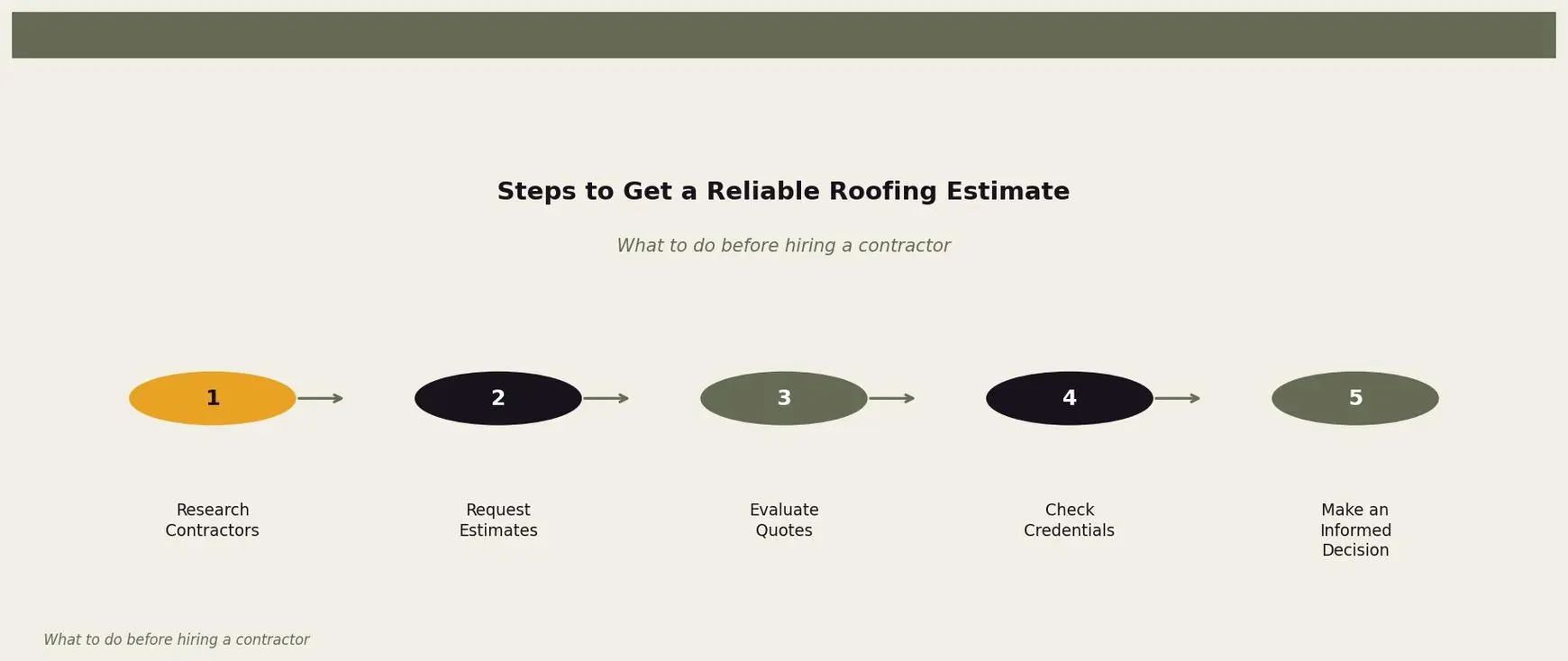
Alright, you’ve got the knowledge. Here’s how to put it into action:
- Get at least three estimates. This gives you a baseline for comparison and helps outliers (high or low) stand out.
- Compare line by line. Not just the bottom number—the details. Are they specifying the same materials? Same scope of work?
- Verify credentials. Check licenses with the Minnesota Department of Labor and Industry. Ask for insurance certificates and actually confirm they’re current.
- Call references. Ask about the experience, not just the outcome. Did they show up when promised? Communicate clearly? Clean up after themselves?
- Trust your gut. If something feels off—pushy sales tactics, evasive answers, reluctance to put things in writing—it probably is. A little skepticism now saves a lot of heartache later.
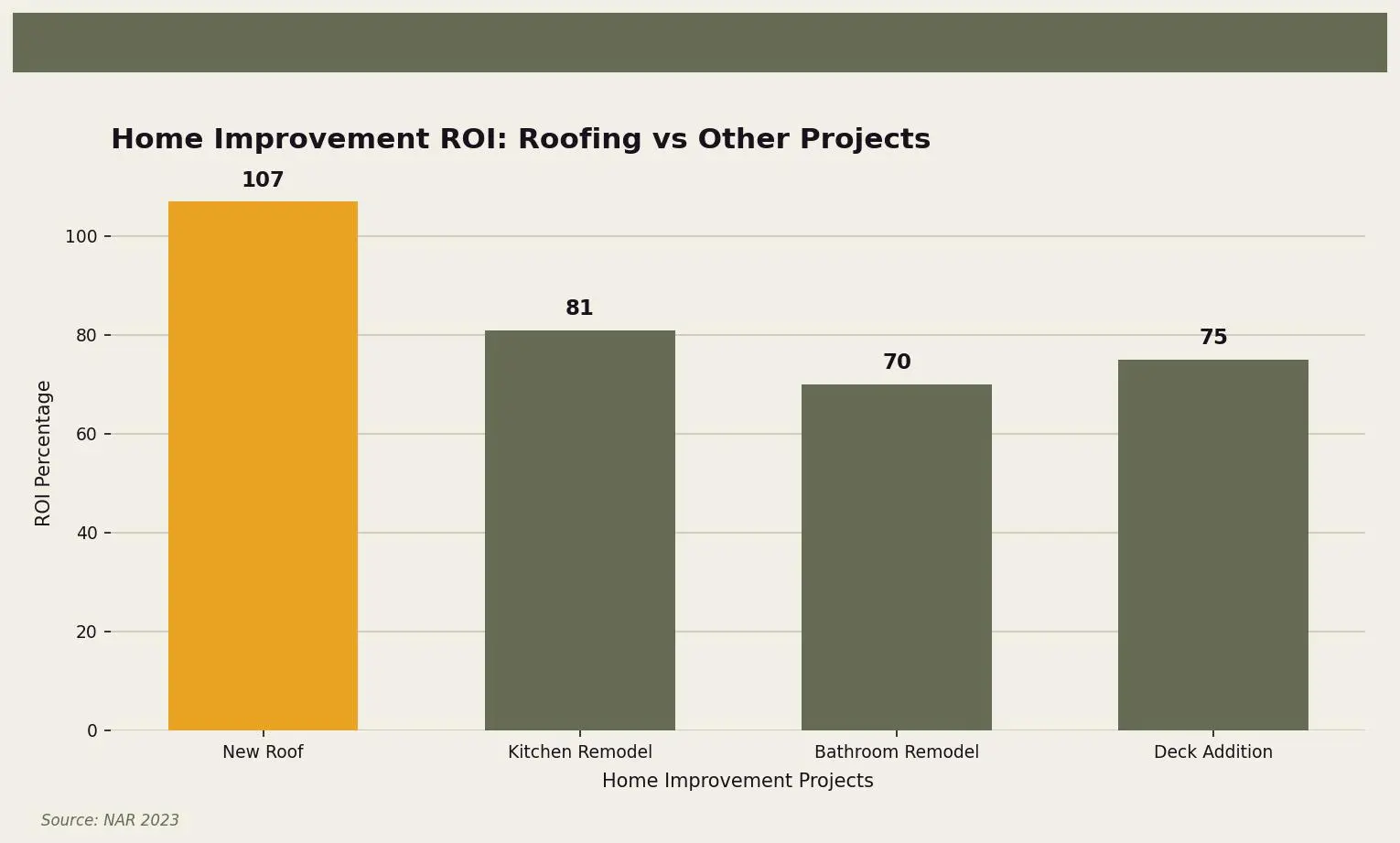
Here’s the good news: the National Association of Realtors reports that a new roof can recover up to 107% of its cost upon resale, making it one of the best home improvements for return on investment. So when you do this right, you’re not just protecting your home—you’re making a genuinely smart financial move.
Ready to Get an Estimate You Can Actually Trust?
📍 Owl Roofing Serves the Entire Twin Cities Metro
Andover · Anoka · Apple Valley · Arden Hills · Big Lake · Blaine · Bloomington · Brooklyn Center · Brooklyn Park · Burnsville · Champlin · Chanhassen · Chaska · Columbia Heights · Coon Rapids · Cottage Grove · Crystal · deephaven · Delano · Eagan · East Bethel · Eden Prairie · Excelsior · Farmington · Forest Lake · Fridley · Golden Valley · Ham Lake · Hastings · Hopkins · Hugo · Inver Grove Heights · Lake Elmo · Lakeville · Lino Lakes · Mahtomedi · Maplewood · Mendota Heights · Minneapolis · Minnetrista · Mound · Mounds View · New Brighton · New Hope · North Oaks · North St. Paul · Oak Grove · Oakdale · Plymouth · Prior Lake · Ramsey · Richfield · Robbinsdale · Rosemount · Roseville · Saint Paul · Savage · Shakopee · Shoreview · South St. Paul · St. Louis Park · St. Michael · St. Paul · Stillwater · Vadnais Heights · Victoria · Waconia · wayzata · West St. Paul · White Bear Lake · woodbury
Licensed Minnesota roofing contractor · Free inspections · 10-year workmanship warranty · Get a free estimate →
