




Roofing in Winter What Homeowners Need to Know
 14min Read
 Posted 10.29.2025
Roofing in Winter: What Homeowners Need to Know
That water stain spreading across your ceiling at 7 AM on a January morning? It doesn’t care that it’s -10°F outside. And neither does the damage it’s causing to your insulation, your drywall, and your sanity. Here’s the thing most Twin Cities homeowners don’t realize: roofing in winter isn’t just possible—sometimes it’s the smartest move you can make.
If you’ve been putting off a roof repair because “it’s too cold” or “we’ll deal with it in spring,” this article is for you. We’re going to walk through what winter roofing actually looks like, why waiting can cost you more than acting, and how to make sure the job gets done right—even when there’s snow on the ground.
The “Before” Picture: Why Winter Roof Problems Are a Big Deal
Let’s paint the picture of what happens when roof issues go unaddressed during a Minnesota winter. It’s not pretty.
You notice a few missing shingles in November. “No big deal,” you think. “We’ll get someone out in April.” But here’s what’s happening while you wait:
- Water infiltration: Snow melts on your roof, seeps under those compromised shingles, then refreezes. This freeze-thaw cycle is relentless in the Twin Cities, and it turns small problems into big ones fast.
- Ice dams form: Poor roof integrity combined with inadequate ventilation creates the perfect conditions for ice dams—those thick ridges of ice that trap water on your roof and force it under your shingles and into your home.
- Insulation gets destroyed: Wet insulation doesn’t insulate. Your heating bills climb. Your home gets colder. And mold starts thinking about moving in.
- Structural damage begins: Wood rot doesn’t take winter off. If water is getting into your roof deck or rafters, the clock is ticking on much bigger repairs.
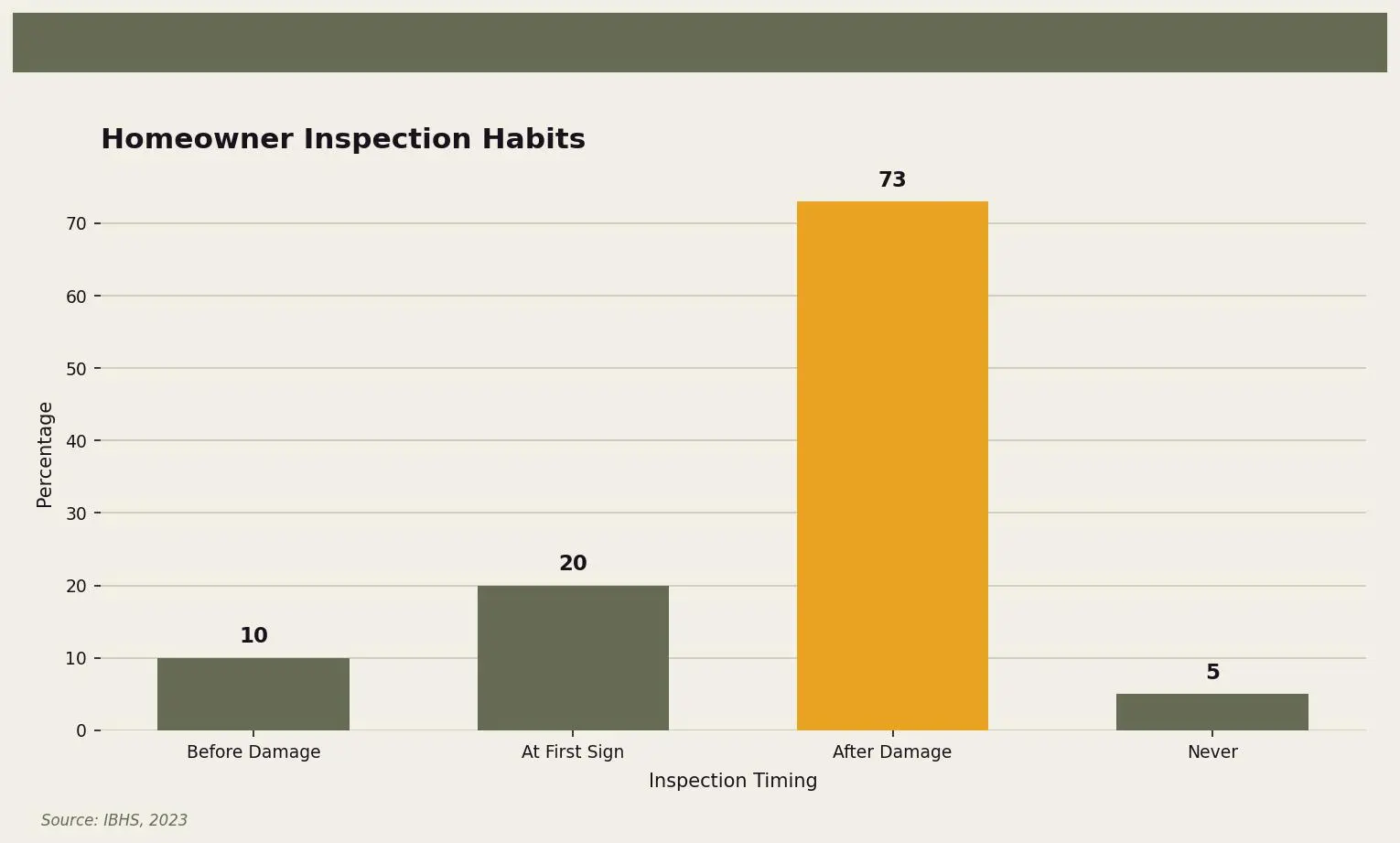
According to the Insurance Institute for Business & Home Safety (IBHS), 73% of homeowners don’t inspect their roof until there’s visible damage inside their home. By then, you’re not just fixing a roof—you’re fixing ceilings, insulation, and sometimes structural framing too. That’s a winter surprise nobody wants.
The stress compounds when you’re trying to find a contractor in an emergency, making rushed decisions, and watching repair costs triple because the damage had months to spread. That ceiling stain that started as a quarter-sized spot in December? By March, it could be the size of a dinner plate with mold growing behind it.
The “After” Picture: What Life Looks Like When Your Roof Is Handled
Now imagine this instead:
You noticed those missing shingles in November and called a roofing contractor who knows how to work in cold weather. Within a couple of weeks, your roof was repaired properly using winter-grade materials and techniques. The total cost? A fraction of what emergency repairs would have run you in February.
Now it’s January. That same storm that’s causing your neighbor to panic about the icicles forming on their compromised eaves? You’re watching it from your couch with a cup of coffee, confident that your roof is solid.
- No water stains appearing overnight
- No frantic calls to contractors who are booked solid with emergencies
- No five-figure repair bills that wreck your spring budget
- Just a warm, dry home doing exactly what it’s supposed to do
A study by the National Association of Realtors (NAR) found that homes that underwent professional winter roof replacement reported fewer leak issues compared to those that delayed repairs until spring. That’s not surprising—addressing problems when they’re small almost always beats waiting for them to become emergencies.
The peace of mind alone is worth it. There’s something deeply satisfying about watching a Minnesota blizzard roll in and knowing your home is ready for it.
The Bridge: How Winter Roofing Actually Works
So how do you get from “stressed about that leak” to “confident in any weather”? Let’s break down what winter roofing involves and why it’s more doable than you might think.
The Cold Weather Challenges (And How Pros Handle Them)
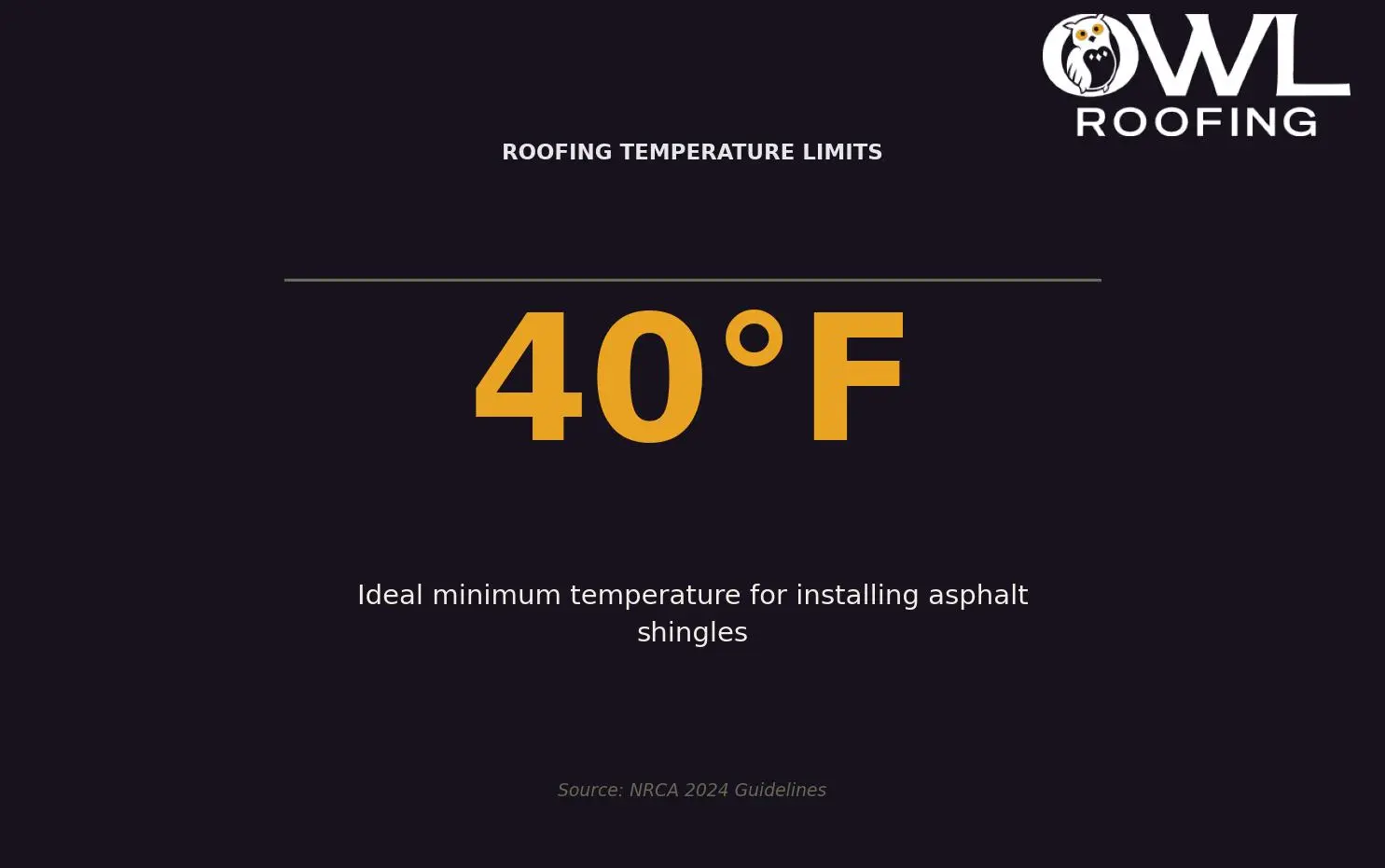
Let’s be honest: roofing in winter isn’t identical to roofing in July. The National Roofing Contractors Association (NRCA) points out that asphalt shingles become brittle in temperatures below 40°F—and here in the Twin Cities, we laugh at 40°F by mid-November.
Brittle shingles can crack during installation. The adhesive strips on shingles that create a watertight seal need warmth to activate properly. And let’s not forget the human factor—working on a roof in January requires serious preparation and skill.
But experienced cold-weather roofers have solutions for all of this:
- Winter-grade adhesives: These are formulated to bond at lower temperatures, ensuring shingles seal properly even when it’s cold.
- Hand-sealing: In very cold conditions, roofers manually apply roofing cement to seal each shingle tab, rather than relying solely on the adhesive strips to self-seal.
- Proper shingle storage: Keeping materials in heated spaces until they’re needed prevents brittleness during installation.
- Strategic timing: Working during the warmer parts of the day (yes, even in winter, there are warmer parts) and pausing when conditions become truly problematic.
- Careful handling: Experienced winter roofers know how to work with cold materials without cracking or damaging them.
The key word here is “experienced.” A crew that’s been roofing in Minnesota winters for years knows these techniques inside and out. A crew that usually works in Texas and came up north to chase storm damage? Not so much.
Roofing Temperature Limits: What the Numbers Actually Mean
The NRCA recommends installing asphalt shingles when temperatures are between 40°F and 85°F. That’s the “ideal” range where everything works as designed without any special accommodations.
But here’s what a lot of homeowners don’t know: advances in roofing materials have expanded this range. Some modern shingles perform well in temperatures as low as 30°F when installed correctly. And with proper techniques like hand-sealing, installations can happen in even colder conditions when necessary.
The temperature threshold isn’t a hard stop—it’s a point where additional precautions become necessary. A professional who understands these limits knows when a job can proceed with modifications and when conditions genuinely require waiting for a better day.
According to the Census Bureau, 75% of U.S. homes use asphalt shingles. That’s the vast majority of roofs, which means understanding how these materials behave in cold weather is essential knowledge for any homeowner facing a winter repair decision.
Material Matters: Your Options for Cold Weather
Not all roofing materials react to cold the same way:
- Asphalt shingles: The most common choice in the Twin Cities, and also the most temperature-sensitive. Requires careful handling and proper installation techniques in winter, but absolutely doable with the right contractor.
- Metal roofing: Much less affected by temperature fluctuations. The main considerations are safe working conditions and ensuring proper installation of underlayment and flashing.
- Synthetic materials: Some newer synthetic shingles are designed to remain flexible at lower temperatures, making them increasingly popular for cold-climate installations.
A good roofing contractor will talk through your options and be honest about what makes sense for your situation, your budget, and the current weather conditions. If someone tells you “no problem, we can install anything anytime,” that’s actually a red flag—you want someone who understands the nuances.
The Twin Cities Factor: Why Local Knowledge Matters
Minnesota winters aren’t like winters anywhere else. Our specific combination of heavy snow loads, dramatic temperature swings, and relentless freeze-thaw cycles creates roofing challenges you won’t find in a textbook.
Consider what our roofs deal with in a typical winter:
- Snow loads: A foot of wet snow can weigh 20+ pounds per square foot. Your roof needs to be structurally sound to handle that weight, and any weaknesses get exposed fast.
- Freeze-thaw cycles: We might hit 35°F one day and -5°F the next. Water gets into tiny cracks, freezes, expands, and makes those cracks bigger. Repeat this dozens of times per winter.
- Ice dams: Heat escaping through poorly insulated attics melts snow on the roof. That water runs down to the colder eaves, refreezes, and creates ice dams that trap more water and force it under your shingles.
- Wind: Winter winds put extra stress on shingles and can exploit any areas where the seal has been compromised.
The Minnesota Department of Commerce emphasizes the importance of proper attic ventilation and insulation to combat these issues. A roof replacement isn’t just about the shingles on top—it’s about the entire system working together to protect your home.
This is why local experience matters so much. A contractor who’s been working on Twin Cities roofs for years has seen every type of ice dam, every kind of winter damage, and every creative solution that actually holds up to our climate. They’re not guessing—they’re drawing on hard-won knowledge.
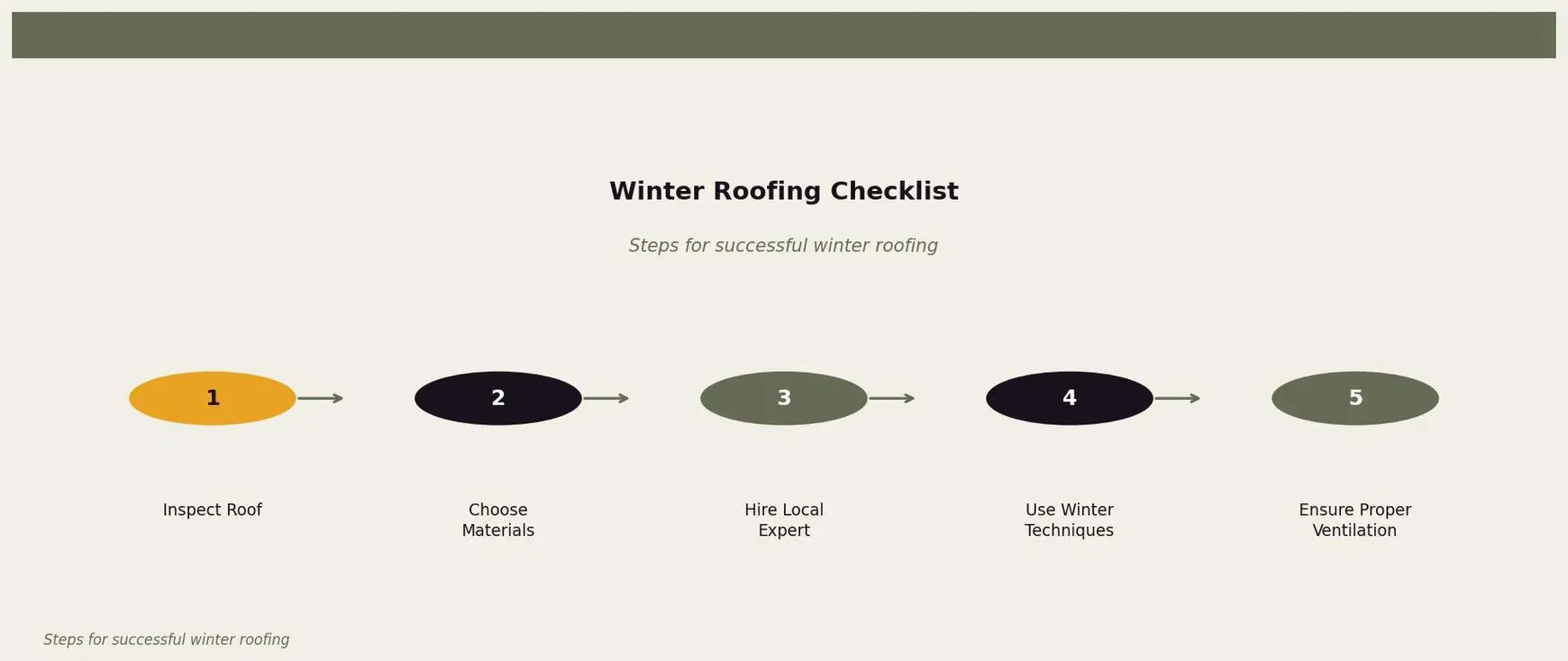
Your Action Plan: What to Do Right Now
If you’re reading this because you’re worried about your roof, here’s exactly what to do:
Step 1: Assess the Situation
Do a visual inspection from the ground (please don’t climb on an icy roof). Look for:
- Missing, cracked, or curling shingles
- Damaged flashing around chimneys, vents, or skylights
- Sagging areas that suggest structural issues
- Ice dams forming along your eaves
- Icicles (which often indicate heat loss and potential ice dam issues)
Inside your home, check for:
- Water stains on ceilings or walls
- Damp or discolored insulation in the attic
- Daylight visible through the roof boards
- Musty smells that might indicate mold growth
Step 2: Don’t Panic, But Don’t Wait
If you see signs of damage, the worst thing you can do is nothing. But you also don’t need to make rushed decisions with the first contractor who answers the phone.
Small issues—a few missing shingles, minor flashing damage—can often be repaired quickly and affordably, even in winter. Larger problems may require more extensive work, but addressing them now almost always costs less than waiting for an emergency.
Step 3: Find the Right Contractor
This is where many homeowners go wrong. Not all roofing contractors are equipped for winter work. The NRCA advises homeowners to verify that contractors have experience with winter installations and understand the specific requirements of Minnesota’s climate.
Questions to ask:
- How many winter roofing projects have you completed in the Twin Cities?
- What specific techniques and materials do you use for cold-weather installations?
- Are you licensed, insured, and locally based?
- Can you provide references from winter projects?
- What warranties do you offer on materials and workmanship?
Be wary of storm chasers—contractors who show up after bad weather, offer deals that seem too good to be true, and disappear before warranty issues arise. Local, established companies have reputations to protect and will be around when you need them.
Step 4: Understand What You’re Getting
A good contractor will explain exactly what needs to be done, what materials they’ll use, and how they’ll handle cold-weather challenges. They’ll provide a detailed written estimate and won’t pressure you into immediate decisions.
Make sure you understand:
- The scope of work
- The materials being used (and their cold-weather performance)
- The timeline and how weather might affect it
- The total cost and payment schedule
- Warranty coverage for both materials and labor
Step 5: Prepare for the Project
Winter roofing projects require a bit more coordination. Clear access to your home, keep pets inside during the work, and understand that the crew may need to pause if conditions become unsafe. A professional contractor will communicate clearly about scheduling and any weather-related delays.
The Bottom Line on Winter Roofing
Roofing in winter isn’t the impossible task many homeowners assume it is. With the right contractor, the right materials, and the right techniques, your roof can be repaired or replaced successfully even in the depths of a Minnesota January.
What’s actually risky? Waiting. Every week you delay gives water more time to seep in, freeze, expand, and cause damage. Every freeze-thaw cycle makes small problems bigger. And when spring finally arrives, you’ll be competing with every other homeowner who put off their roof work—facing longer wait times and potentially higher prices.
Your home is your biggest investment. It deserves protection year-round, not just when the weather is convenient.
Ready to Get Your Roof Handled?
If you’re a Twin Cities homeowner staring down a roof problem this winter, we’d love to help. At Owl Roofing, we’re a family-owned company based right here in Shoreview—Tim and Bea Brown, and Noah and Anya Bergland. We’ve been working on Minnesota roofs for over 15 years combined, and we’ve seen every type of winter damage this climate can dish out.
We’re not a franchise, and we’re definitely not storm chasers passing through. We’re your neighbors. We’ll take a look at your roof, tell you exactly what’s going on, and give you a straight answer about what it needs—whether that’s a simple repair or something more involved.
Give us a call at 651-977-6027 or visit owlroofing.com/ to schedule an inspection. We serve Shoreview and all the Twin Cities communities, and we’re here when you need us—even in January.
Protect Your Nest.
📍 Owl Roofing Serves the Entire Twin Cities Metro
Andover · Anoka · Apple Valley · Arden Hills · Big Lake · Blaine · Bloomington · Brooklyn Center · Brooklyn Park · Burnsville · Champlin · Chanhassen · Chaska · Columbia Heights · Coon Rapids · Cottage Grove · Crystal · deephaven · Delano · Eagan · East Bethel · Eden Prairie · Excelsior · Farmington · Forest Lake · Fridley · Golden Valley · Ham Lake · Hastings · Hopkins · Hugo · Inver Grove Heights · Lake Elmo · Lakeville · Lino Lakes · Mahtomedi · Maplewood · Mendota Heights · Minneapolis · Minnetrista · Mound · Mounds View · New Brighton · New Hope · North Oaks · North St. Paul · Oak Grove · Oakdale · Plymouth · Prior Lake · Ramsey · Richfield · Robbinsdale · Rosemount · Roseville · Saint Paul · Savage · Shakopee · Shoreview · South St. Paul · St. Louis Park · St. Michael · St. Paul · Stillwater · Vadnais Heights · Victoria · Waconia · wayzata · West St. Paul · White Bear Lake · woodbury
Licensed Minnesota roofing contractor · Free inspections · 10-year workmanship warranty · Get a free estimate →
