


Soffit and Fascia Repair in Minnesota: When to Fix, When to Replace
 11min Read
 Posted 3.26.2026
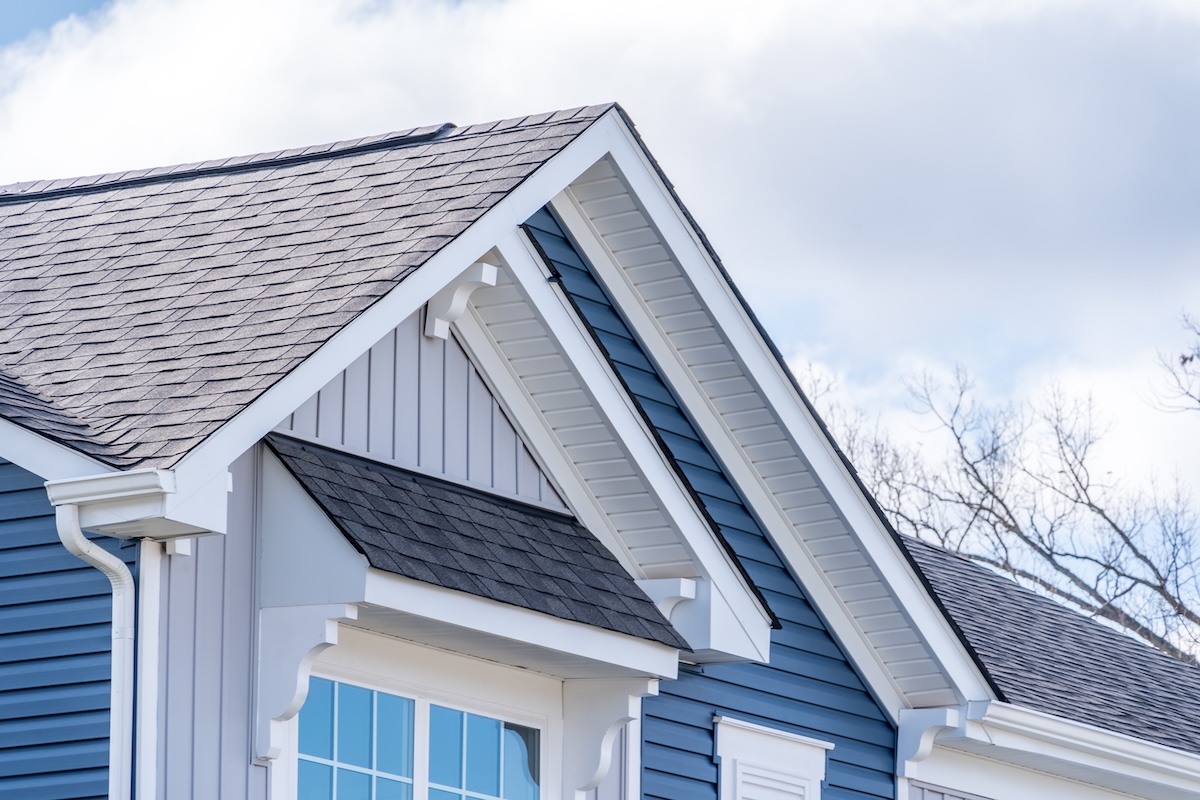
Soffit and fascia are two of the least-glamorous components on a Minnesota home — and two of the most consequential when they fail. The fascia is the vertical board at the edge of the eave (where the gutter attaches). The soffit is the horizontal underside of the overhang connecting the fascia back to the exterior wall. Together, they close out the eave, support the gutter system, provide the intake path for attic ventilation, and keep weather, wildlife, and moisture out of the roof cavity. When they rot, the problems cascade: insects enter the attic, squirrels chew entry holes, gutters sag, attic ventilation fails, and water intrusion starts peeling paint up the exterior walls.
- Rot usually starts from clogged gutters overflowing onto fascia — fix upstream first.
- Aluminum and vinyl are the dominant replacement materials; aluminum wins on dent resistance, vinyl on cost.
- Vented soffit is required by MN R806 when used as the attic ventilation intake path.
- Typical Twin Cities repair cost: $8-$16 per linear foot for simple fascia, $10-$22/lf for full soffit replacement.
- Don’t cover rotted wood — remove, treat the cause (water or ventilation), then replace.
How Soffit and Fascia Fail in Minnesota
The failure modes are predictable and almost always preceded by other roof or gutter issues. Understanding the upstream cause matters because replacing rotted material without fixing the root cause guarantees the repair will fail again in 3-7 years.
| Failure Mode | Root Cause | Upstream Fix Required |
|---|---|---|
| Fascia rot, paint peeling | Gutter overflow saturating fascia over years | Clean gutters; add guards; re-pitch if draining incorrectly |
| Soffit sagging, stained | Attic moisture or roof leak above dripping onto soffit panels | Fix attic ventilation or roof leak first |
| Squirrel/woodpecker holes | Wood soffit aged, soft from moisture; animals exploit soft wood | Aluminum or hard composite replacement; screen openings |
| Bee / wasp colony in overhang | Gaps in aged soffit allow nesting | Seal gaps; professional removal |
| Ice dam fascia tear | Ice loading on full gutter pulled fascia | Fix ice dam source (attic); reinforce fascia at next reroof |
| Vinyl soffit warping or melting | BBQ grill too close or sustained high heat | Move grill further from house; replace affected sections |
Material Choice: Wood, Aluminum, Vinyl, Composite
| Material | Typical Cost per Linear Foot | Lifespan in MN | Pros/Cons |
|---|---|---|---|
| Painted cedar / pine (original) | $6 – $14 | 15-40 years (paint-dependent) | Traditional look; requires paint every 5-8 years |
| Aluminum (coil-formed) | $8 – $16 | 30-50 years | Paint doesn’t flake; dent from ladder/ice; most common modern choice |
| Vinyl | $6 – $12 | 20-35 years | Cheapest; color options; can warp in extreme heat; UV fade over decades |
| Fiber cement | $12 – $22 | 50+ years | Requires periodic paint; heavy; durable |
| Engineered composite (LP SmartSide) | $10 – $18 | 30+ years | Warrantied against rot; accepts paint well |
| PVC / cellular composite | $14 – $24 | 40+ years | Premium; impervious to rot and insects |
For most Minnesota residential retrofits, aluminum soffit and fascia are the workhorse choice — durable, weather-resistant, available in vented and solid profiles, and easily matched to existing trim colors. Vinyl is popular on budget projects and new construction but can warp under sustained heat (grill too close to the house, sun reflected off nearby windows) and UV fades faster than aluminum. Fiber cement and PVC composites are gaining ground on premium projects.
Vented vs. Solid Soffit
Vented soffit has perforations or slots that allow outside air into the attic — critical when the soffit is the intake path for balanced attic ventilation under MN R806. Solid soffit has no openings and is used in locations where ventilation is not needed (porch ceilings, gable overhangs where the attic ventilates elsewhere, or homes with unvented conditioned attics). A common retrofit mistake is replacing vented soffit with solid soffit for aesthetic reasons — which silently shuts off attic ventilation intake and creates moisture problems upstream.
Typical aluminum vented soffit provides roughly 9 square inches of net free ventilation area per linear foot. For an attic that needs 500 sq in of intake NFVA, that’s about 55-60 linear feet of vented soffit. If the home has continuous soffit on all four sides, that’s usually plenty; if the soffit runs are short, the calculation matters.
Signs You Need Soffit or Fascia Repair
- Peeling paint along the fascia board or around gutter fasteners.
- Soft spots in the wood fascia when probed with a screwdriver.
- Visible staining or dark streaks on soffit panels (indicates moisture above).
- Gutter pulling away from the fascia.
- Visible daylight in the attic when you look toward the soffit (structural gaps, not vent openings).
- Squirrel, bat, or wasp activity in the overhang area.
- Sagging or bulging soffit panels.
- Water stains on upper exterior walls below the eave line.
- Dripping or wet soffit bays in heavy rain (roof leak above).
- Panels that audibly rattle in wind — fasteners have worked loose.
Partial Repair vs. Full Replacement
Contractors often disagree with homeowners about the right scope. Homeowners want targeted patch repairs (“just fix the rotted section over the garage”). Contractors push for full replacement (“repair looks bad, materials don’t match, and the rest will fail within 5 years”). Both can be right depending on specifics. As a rough guide:
- Partial repair is appropriate when: rot is isolated to one section, the adjacent materials are healthy, materials can be matched, and the root cause (leak or overflow) is addressable without touching the rest.
- Full replacement is appropriate when: multiple sections show rot, the original material is wood and approaching end-of-life, paint is chalking or peeling broadly, or the homeowner is already planning a roof replacement (scaffolding and disposal logistics are already in place).
Cost Breakdown for Twin Cities Metro
| Scope | Typical Cost | Notes |
|---|---|---|
| Fascia-only replacement (aluminum wrap over existing wood) | $8 – $14/lf | Cosmetic solution; does not address underlying rot |
| Fascia replacement (removal + new wood + aluminum wrap) | $12 – $22/lf | Proper repair; addresses rot |
| Soffit replacement (aluminum vented) | $10 – $18/lf | Often paired with fascia |
| Full eave: fascia + soffit + drip edge | $22 – $38/lf | Most common scope at roof replacement |
| Animal damage remediation | $300 – $1,500 per location | Includes entry point screening and soft-wood replacement |
| Structural decking/rafter tail repair | $50 – $150/linear foot | When rot has progressed into framing |
Done at the Same Time as the Roof
Soffit and fascia work is almost always cheaper and cleaner when combined with a roof replacement. The crew is already on scaffolding, staging is already set up for debris, and the drip edge / starter course can be installed to properly flash into fresh fascia. Bolt-on eave repairs later are more expensive per linear foot and often require re-flashing details that would have been simpler to do the first time.
This is also the best time to add or improve vented soffit for attic ventilation compliance. Many Minnesota homes built before 1990 have solid soffit (decorative, non-vented) and rely on gable or static roof vents for attic airflow — a configuration that often fails the R806 calculation and leads to moisture issues. Converting to vented soffit during a reroof is a modest incremental cost with large long-term payoff.
Insurance Coverage for Soffit and Fascia Damage
Soffit and fascia damaged by hail, wind, falling trees, or ice dam events are typically covered under standard Minnesota HO-3 policies. Damage from chronic water exposure (from a leaky gutter over many years) is not — it’s categorized as maintenance neglect. Damage from animal activity is often covered under specific perils but sometimes excluded. When filing a post-storm claim, photograph the specific damage (dented aluminum soffit, torn fascia from wind), note the storm date, and have your roofer itemize the scope separately from the shingle work.
Paint, Wrap, or Replace?
Three common approaches to aging wood soffit and fascia:
- Scrape, prime, and paint. Works when wood is sound, paint is old but not systemically failing. 5-8 year cycle required.
- Aluminum wrap over existing wood. Encapsulates sound wood in a maintenance-free aluminum cover. Mid-priced compromise; does nothing if the wood underneath has active rot, and can trap moisture. Only appropriate when underlying wood is demonstrably healthy.
- Full replacement with aluminum or composite. The permanent solution. Higher upfront cost, but eliminates maintenance and addresses root cause.
A key cautionary note: homeowners are sometimes sold on “aluminum wrap” as a low-cost cosmetic fix, only to discover 5 years later that wrapped-in moisture accelerated the rot behind the aluminum. The wrap-over-rot failure mode is common enough that most reputable MN contractors will insist on removing any suspect wood before wrapping.
DIY vs. Professional Soffit Work
Soffit and fascia work is physically demanding and often involves high ladder work or roof edge access. A 2-story Minnesota home with 25-foot eaves is not the right DIY project — falls from ladder work are the leading cause of serious home-improvement injuries. Additionally, proper eave work involves flashing details, gutter removal/reset, drip edge integration, and inspection for rafter tail condition. Most homeowners who attempt DIY discover the rot is worse than visible and end up calling a contractor partway through. Hiring the professional first is usually more efficient and safer.
Frequently Asked Questions
Can I wrap rotted fascia with aluminum?
No. Wrapping over rot traps moisture and accelerates the decay, creating a bigger problem in 3-7 years. Rotted wood must be removed and replaced with sound material before any aluminum wrap is installed.
How do I know if my soffit needs to be vented?
If the attic ventilation system relies on soffit intake (a standard ridge-vent-plus-soffit-intake setup), the soffit must be vented. If the attic has a different intake path (gable vents used as intake or an unvented assembly), solid soffit can be appropriate. When in doubt, ask a qualified contractor to evaluate the entire ventilation system.
What does it cost to replace soffit and fascia in the Twin Cities?
Full eave replacement (fascia, soffit, drip edge) typically runs $22-$38 per linear foot installed. A typical 2,500 sq ft Twin Cities home with ~180 linear feet of eave runs $4,000-$7,000 for complete replacement. Partial repair scopes cost less per foot but more per foot of work actually performed.
Do soffit and fascia need to be replaced during a reroof?
Not always, but the reroof window is the best time to assess and replace if needed. Soffit and fascia in sound condition can be left in place. Anything showing rot, damage, or paint failure should be addressed during the reroof — it’s dramatically more expensive to return for that work later.
Is soffit damage from squirrels or birds covered by insurance?
Often no. Most HO-3 policies exclude damage from rodents, birds, and insects. Damage from larger animals (raccoons, bats) may be covered under specific perils. Check your policy carefully and file only if covered.
Why is my fascia rotting but the gutter looks fine?
Gutters can overflow at interior seams or around downspout outlets without visible external damage. Water cascades down behind the gutter, saturating the fascia. The fix is thorough gutter cleaning, interior gutter inspection, and often re-seating or re-sealing the gutter joints.
Can I paint vinyl soffit?
Technically yes, but painting vinyl voids warranty and tends to fail. Vinyl expands and contracts more than aluminum or wood, causing paint to crack at seams. Vinyl also relies on its molded color layer for UV protection. If you dislike the existing color, replacement is a better choice than painting.
