7 Top “In-Demand” Trades for 2026–27
 11min Read
 Posted 7.16.2026
The construction industry needs an estimated 349,000 net new workers in 2026, and 456,000 in 2027 — and that gap isn’t closing on its own.
If you’re weighing a skilled trade career, advising your kid on options besides a four-year degree, or just curious why it’s suddenly so hard to get a contractor on the phone, the data tells a pretty consistent story: an aging workforce is retiring faster than new tradespeople are entering, and demand keeps climbing regardless. We pulled real numbers from the U.S. Bureau of Labor Statistics, Associated Builders and Contractors (ABC), the Home Builders Institute (HBI), and NAHB to rank the seven trades with the strongest real demand signals heading into 2026 and 2027 — roofing included, since that’s our business, but backed by the same data standard as everything else on this list.
How We Ranked These Trades
We prioritized trades with verifiable, primary-sourced data rather than vague “in demand” claims you see floating around online. Specifically, we looked at:
- BLS Occupational Outlook Handbook median wages and 2024–2034 projected job growth (the most recent projection cycle available)
- Annual job openings, which often tells a more complete demand story than growth percentage alone, especially for large existing workforces
- Independent industry data from ABC, HBI, and NAHB on workforce shortages and structural demand drivers
- Real, current demand drivers — retirements, storm damage, electrification, housing shortages — rather than speculation
Where a commonly repeated statistic couldn’t be traced back to a primary source, we either left it out or labeled it clearly as an industry estimate rather than government data. A widely-cited “2.1 million skilled trades jobs unfilled by 2030” figure, for example, traces back to a 2021 Deloitte and Manufacturing Institute study specifically about manufacturing employment — not construction trades broadly — so we’ve left that particular number out of the rankings below rather than reuse it out of context.
The Skilled Trades Shortage, By the Numbers
Before getting into individual trades, it’s worth understanding the scale of the gap:
- Construction needs an estimated 349,000 net new workers in 2026 and 456,000 in 2027, per ABC’s chief economist (down slightly from 439,000 needed in 2025, but still a large structural gap).
- The skilled labor shortage costs the home-building industry an estimated $10.8 billion a year — $2.66 billion in carrying costs plus $8.14 billion in lost single-family construction, roughly 19,000 homes — and adds about two months to the average build timeline, per HBI’s Fall 2025 Construction Labor Market Report.
- 22% of tradespeople are over age 55, and the median age of the construction labor force holds at 42, per NAHB and HBI data.
- Construction needs roughly 723,000 occupational openings a year on average across all trades combined, per NAHB.
7 Top In-Demand Trades for 2026–27
1. Solar Photovoltaic Installers
Median annual wage (2024): $51,860 · Projected growth 2024–34: 42%
Solar PV installer is one of the two fastest-growing occupations BLS tracks across the entire economy, driven by falling panel and solar-shingle costs and rising residential and commercial adoption. The employment base is still small (about 28,600 workers nationally), so the percentage growth is dramatic even though the absolute number of new jobs (roughly 4,100/year) is modest compared to larger trades. Worth noting for roofing crews specifically: BLS points out that roofers increasingly install solar shingles and tiles as part of “green roofing” work, making this a natural crossover skill rather than an entirely separate career path.
2. Electricians
Median annual wage (2024): $62,350 (top 10% earn $106,030+) · Projected growth 2024–34: 9%
Electricians post the fastest growth rate of the traditional, high-volume trades, with roughly 81,000 annual job openings — the combined result of alternative power generation (solar and wind needing grid tie-ins), EV charging infrastructure buildout, data center construction, and a wave of retirements creating replacement demand.
3. HVAC Technicians
Median annual wage (2024): $59,810 · Projected growth 2024–34: 8%
Heating, air conditioning, and refrigeration mechanics and installers see roughly 40,100 annual openings, with demand reinforced by heat pump and electrification adoption (heat pump shipments were up about 10% year-over-year as of early 2026), data center HVAC needs, and extreme-weather-driven equipment replacement cycles.
4. Roofers
Median annual wage (2024): $50,970 · Projected growth 2024–34: 6%
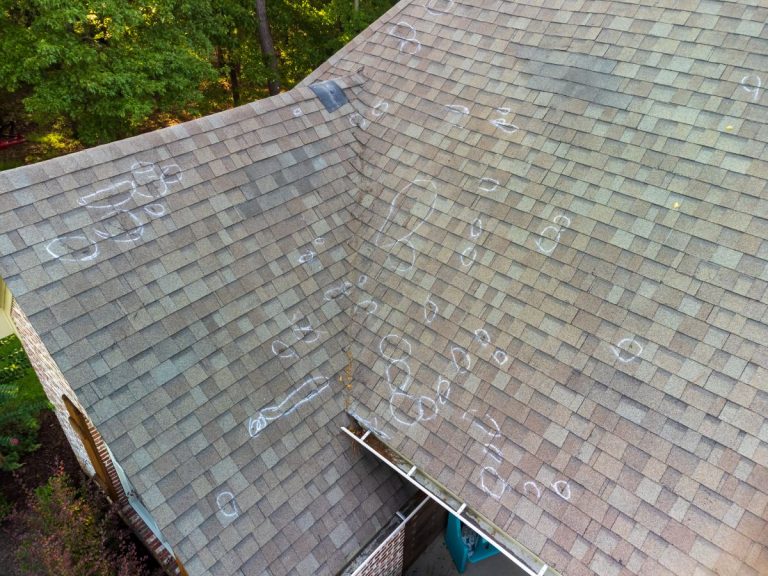
Roofing employs about 166,700 people nationally with roughly 12,700 annual openings, and demand here is driven by two forces at once: an aging workforce (industry estimates put roughly 1 in 5 roofers over age 55) and storm damage, which is consistently the single largest driver of roofing demand. U.S. roof-related insurance claims exceeded $30 billion in 2024. Minnesota specifically is a useful case study — the state saw the steepest home insurance rate increase in the country in 2025 (34% in one year), and the average Minnesota hail claim has climbed from $10,000–$15,000 a decade ago to roughly $30,000 today, with 64 hail events mapped statewide through July 2025 alone.
5. Carpenters
Median annual wage (2024): $59,310 · Projected growth 2024–34: 4% (about average)
Carpentry’s growth rate is only average — not “faster than average” like the trades above — but it posts the largest annual openings count on this list, roughly 74,100 a year, simply because the existing workforce is so large (959,000 nationally). Population growth and new-home construction demand support that volume, though modular and prefab construction methods are a real headwind reducing on-site labor need over time.
6. Plumbers, Pipefitters, and Steamfitters
Median annual wage (2024): $62,970 (top 10% earn $105,150+) · Projected growth 2024–34: 4% (about average)
Plumbing shows roughly 44,000 annual openings against an existing workforce of about 504,500. As with carpentry, the growth rate itself is average rather than exceptional — most of the demand here comes from replacing retiring workers, plus ongoing infrastructure and plumbing code upgrade work.
7. Construction Equipment Operators
Median annual wage (2024): $58,320 · Projected growth 2024–34: 4% (about average)
Equipment operators round out this list with about 46,200 annual openings against a workforce of 539,500, driven primarily by infrastructure spending — roads, bridges, and water/sewer systems needing repair or replacement — alongside population-driven demand for new infrastructure.
In-Demand Trades Compared: Wages & Growth at a Glance
| Trade | Median Wage (2024) | Growth 2024–34 | Annual Openings |
|---|---|---|---|
| Solar PV Installers | $51,860 | 42% | ~4,100 |
| Electricians | $62,350 | 9% | ~81,000 |
| HVAC Technicians | $59,810 | 8% | ~40,100 |
| Roofers | $50,970 | 6% | ~12,700 |
| Carpenters | $59,310 | 4% | ~74,100 |
| Plumbers/Pipefitters | $62,970 | 4% | ~44,000 |
| Equipment Operators | $58,320 | 4% | ~46,200 |
Wage and growth data: U.S. Bureau of Labor Statistics, Occupational Outlook Handbook, 2024 base year with 2024–2034 projections.
Why the Skilled Trades Shortage Is Getting Worse, Not Better
Three forces are compounding at once. First, retirements: with 22% of tradespeople already over 55 and the median age holding at 42, a huge share of the current workforce is within a decade of retiring. Second, apprenticeship completion: roughly 678,000 people are enrolled in registered apprenticeships nationally, up sharply from about 360,000 a decade ago, but nearly half of apprentices don’t finish their programs. Third, structural demand isn’t slowing down — electrification, storm-driven repair and replacement work, and long-deferred infrastructure spending are all pulling in the same direction at the same time.
Is Roofing a Good Career in 2026?
For the right person, yes. Roofing requires no formal degree, pays roughly 10–20% above the median entry-level wage for trades requiring no degree, and BLS projects steady 6% growth through 2034 backed by both an aging workforce and consistent storm-driven demand — Minnesota’s hail activity alone is a clear regional example of that demand holding up regardless of the broader economy. The tradeoffs are real too: it’s physically demanding, seasonal in cold-weather states, and carries one of the higher injury rates of any construction trade, so it rewards people who take safety training seriously and don’t mind working outdoors in tough conditions.
Highest-Paying Trade Job: An Honorable Mention
Elevator and escalator installers and repairers didn’t make the core list because the fit for a general home-services audience is narrow and the job base is small, but the wage data is worth a callout: a median of $106,580 in 2024 — the highest of any trade in BLS’s entire construction and extraction category. Growth is projected at 5% through 2034, sustained mostly by maintenance, repair, and ADA-accessibility retrofit work rather than new construction.
How to Get Started in a Skilled Trade
Most of the trades on this list follow a similar entry path: a high school diploma or equivalent, then either a trade school program or a registered apprenticeship combining paid on-the-job training with classroom instruction, typically running two to five years depending on the trade. Electricians and plumbers generally require the longest apprenticeships and a state licensing exam; roofers and construction equipment operators often have shorter, more employer-driven training paths. Checking your state’s licensing board — in Minnesota, the Department of Labor and Industry (DLI) — is the right first step regardless of which trade you’re considering.
Trade School, Apprenticeship, or Four-Year Degree?
An apprenticeship gets you paid while you train, with no student debt and a direct path to a state license or certification. Trade school compresses classroom fundamentals into a shorter timeframe but typically still requires on-the-job hours afterward to get licensed. A four-year degree makes sense for the small number of trade-adjacent roles that require one (engineering, architecture) but isn’t a prerequisite for any of the seven trades above — median wages in this list ($50,970–$62,970) compare favorably with many bachelor’s-degree-required entry-level roles, without the four years of tuition and lost wages.
It’s also worth understanding the scale of the pipeline problem alongside the demand numbers. Registered apprenticeship enrollment has grown substantially over the last decade — from roughly 360,000 in 2015 to closer to 678,000 more recently — which sounds like a strong supply response to rising demand. The catch is completion: industry estimates suggest close to half of apprentices don’t finish their program before dropping out, whether due to pay, working conditions, or simply underestimating the physical demands of the work. That gap between enrollment and completion is a big part of why annual openings keep outpacing new licensed workers even as more people start down the apprenticeship path every year.
What This Means If You’re Hiring a Tradesperson in 2026
For homeowners, the shortage translates directly into longer lead times and, in some markets, higher labor costs — HBI’s data shows the average shortage-driven delay already adds about two months to a typical home build. The practical takeaway: book qualified contractors earlier than you think you need to, verify state licensing before signing anything, and expect that trades with the tightest labor markets (electricians, HVAC, roofers after a storm event) will have the least schedule flexibility during peak season.
How Employers Are Competing for Trades Talent
The shortage cuts both ways: it’s a genuine constraint for homeowners and businesses trying to get work scheduled, but it’s also driving real wage and benefit growth for tradespeople. Across the industry, employers are increasingly offering sign-on bonuses, in-house paid apprenticeship tracks instead of relying solely on union or trade-school pipelines, faster paths to lead-technician pay, and year-round work guarantees in trades that used to be seasonal. For an industry that spent decades pushing high schoolers toward four-year degrees by default, the current wage data — several of these trades now out-earn the median wage for many bachelor’s-degree-required jobs — is starting to shift how the next generation thinks about a trade career.
Regional Note: Why Minnesota Is a Useful Case Study
Minnesota illustrates the roofing-specific demand story especially well. The state posted the steepest home insurance rate increase in the country in 2025 (34% in a single year), driven in large part by hail losses, with the average Minnesota hail claim climbing from $10,000–$15,000 a decade ago to roughly $30,000 today. That kind of localized, weather-driven demand spike is exactly the pattern BLS’s national roofing growth projection is built on — it just shows up more visibly, and more suddenly, in states with severe hail seasons than it does in the national averages.
Frequently Asked Questions
What are the most in-demand skilled trades in 2026?
Electricians (9% projected growth), HVAC technicians (8%), roofers (6%), and solar installers (42%, though from a small base) show the strongest BLS growth signals, while plumbers, carpenters, and equipment operators show average growth but very high annual opening counts due to their large existing workforces.
Is roofing a good career in 2026?
Yes, for the right person. It requires no formal degree, pays above the median for no-degree trades, and BLS projects 6% job growth through 2034, driven by an aging workforce and consistent storm-damage demand. It is physically demanding and seasonal in cold climates.
What is the highest-paying trade job?
Elevator and escalator installers and repairers, with a median annual wage of $106,580 in 2024 — the highest of any occupation in BLS’s construction and extraction category.
Why is there a shortage of skilled trades workers?
A combination of an aging workforce (22% of tradespeople are over 55), a high apprenticeship dropout rate, and steadily rising structural demand from electrification, housing needs, and storm-driven repair work is straining supply faster than new workers are entering the field.
How many construction workers does the U.S. need in 2026?
An estimated 349,000 net new workers in 2026, and 456,000 in 2027, according to Associated Builders and Contractors.
Is HVAC a good career choice?
Yes — BLS projects 8% job growth through 2034 with a 2024 median wage of $59,810, supported by rising heat pump and electrification adoption and data center HVAC demand.
Do electricians make good money without a college degree?
Yes. The median electrician wage was $62,350 in 2024, with the top 10% earning over $106,030, typically achieved through a paid apprenticeship rather than a four-year degree.

Recent Articles
Explore The Blog