


Types of Metal Roofing: Styles, Materials & Costs Compared
 11min Read
 Posted 3.25.2026
Quick Answer
- Standing seam: Vertical seams lock together, most popular premium option ($10-18/sq ft).
- Corrugated metal: Wavy profile, industrial look, budget-friendly ($6-10/sq ft).
- Metal shingles: Individual shingles shaped like asphalt or slate, mimic appearance ($8-12/sq ft).
- Stone-coated steel: Steel with stone coating for appearance and durability ($9-13/sq ft).
- All metal roofs: 40-70+ year lifespan, minimal maintenance, excellent durability.
Metal roofing is gaining popularity in Minnesota due to durability and winter performance. But metal roofing isn’t one-size-fits-all. Four main types offer different aesthetics, costs, and performance. Understanding your options helps you choose the right fit.
Standing Seam Metal Roofing
Long vertical panels (16-24 inches wide) snap or lock together. Raised seams run from ridge to eave. Most popular premium metal option. Lifespan: 50-70 years. Cost: $10-18/sq ft. Best for: homeowners seeking sleek modern look and maximum durability.
Advantages: cleanest appearance, excellent water shedding, no exposed fasteners (fastened under seams), low maintenance. Disadvantages: higher cost, requires specialized installation, noise unless underlayment added.
Corrugated Metal Roofing
Wavy rippled profile creates 3D texture. Most industrial or agricultural look. Lifespan: 40-60 years. Cost: $6-10/sq ft. Best for: barns, sheds, utilitarian buildings. Less common on residential homes but growing.
Advantages: budget-friendly, fast installation, excellent for agricultural. Disadvantages: industrial appearance (not ideal for residential neighborhoods), exposed fasteners vulnerable to rust, visible fastener lines.
Metal Shingle Roofing
Individual shingles (similar size to asphalt shingles) made of metal, shaped to mimic asphalt, slate, or wood shake. Lifespan: 40-50 years. Cost: $8-12/sq ft. Best for: homeowners wanting metal durability with traditional shingle appearance.
Advantages: familiar shingle look, solid metal durability, 40+ year lifespan, moderate cost. Disadvantages: visible fasteners at top of each shingle (if not covered by above shingle), more fasteners = more potential leak points than standing seam.
Stone-Coated Steel Roofing
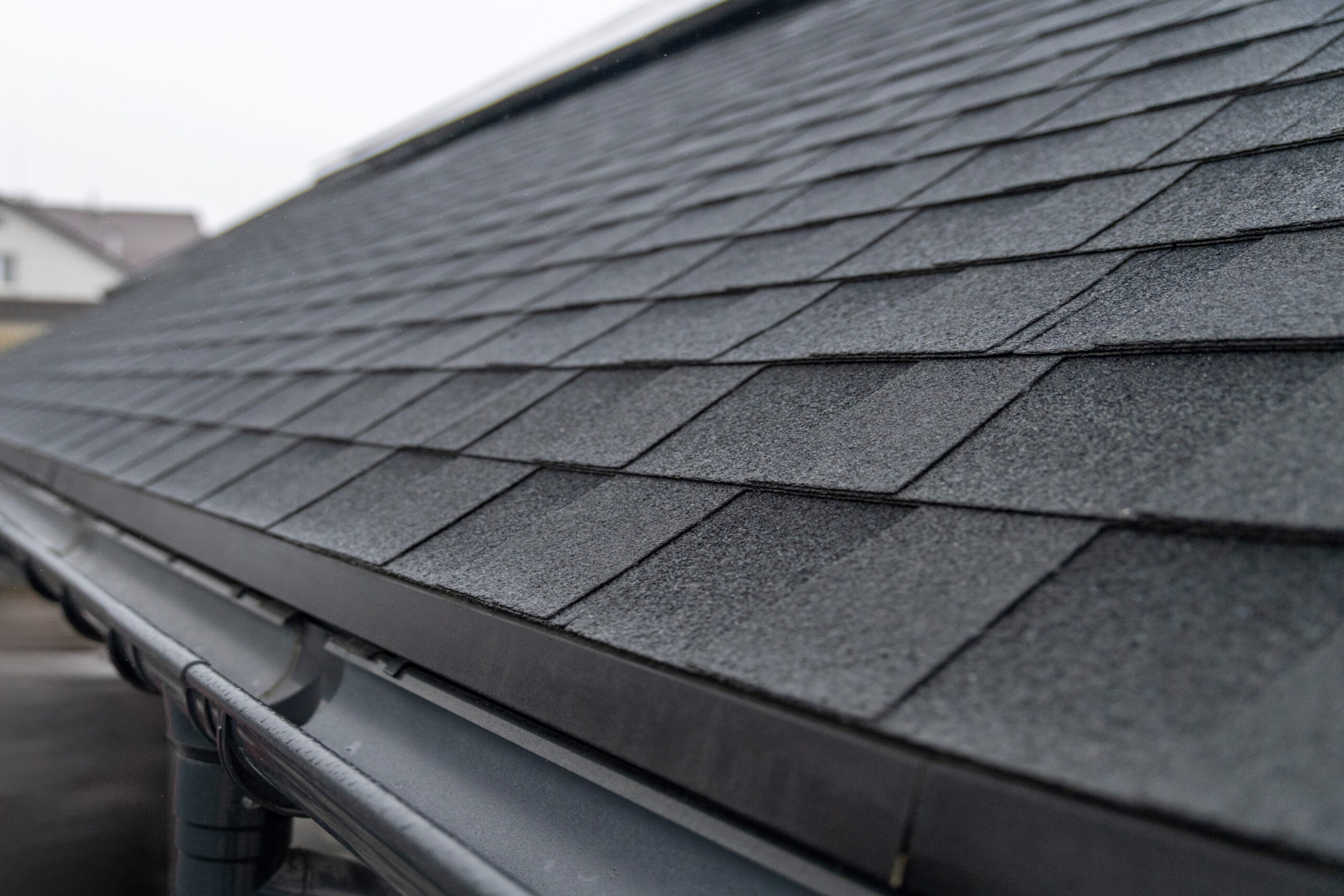
Steel shingles coated with stone granules (like asphalt). Combines metal durability with layered appearance. Lifespan: 40-60 years. Cost: $9-13/sq ft. Best for: homeowners wanting realistic appearance (slate/shake look) with metal durability.
Advantages: very realistic appearance, impact-resistant (Class 4 rated), moderate cost, reduced noise vs. bare metal. Disadvantages: heavier than other metals, fasteners may be visible, coating can degrade over time (20-30 years).
Detailed Comparison Table
| Type | Lifespan | Cost/sq ft | Appearance | Fasteners | Noise | Maintenance |
|---|---|---|---|---|---|---|
| Standing Seam | 50-70 yrs | $10-18 | Modern/sleek | Hidden | High (unless lined) | Minimal |
| Corrugated | 40-60 yrs | $6-10 | Industrial | Exposed | High | Fastener checks |
| Metal Shingles | 40-50 yrs | $8-12 | Traditional | Visible top | Moderate | Minimal |
| Stone-Coated | 40-60 yrs | $9-13 | Realistic slate/shake | Hidden/minimal | Low (coating dampens) | Coating check at 20 yrs |
Metal Roofing Installation Complexity
Standing seam: Requires specialized training (panels must snap correctly, seams must be heat-welded or mechanically seamed properly). Specialized contractors charge premium labor. Plan for 3-4 days on average home.
Corrugated: Straightforward fastening, less specialized. Contractors more readily available. Plan for 2-3 days.
Metal shingles: Similar to standing seam in complexity. Requires trained crew. Plan for 3-4 days.
Stone-coated: Similar to metal shingles. Requires training but more contractors available. Plan for 3-4 days.
Which Metal Roof Type for Minnesota?
Best overall: Standing seam. Superior durability, hidden fasteners mean no leaks, modern appearance, excellent snow/ice shedding. Cost premium is justified by 50-70 year lifespan.
Best value: Metal shingles. Traditional appearance at lower cost than standing seam ($2-4 per sq ft less), solid 40-50 year lifespan. Good compromise between cost and durability.
Best appearance: Stone-coated steel. Looks like slate or cedar shake, costs less than real materials, quiet performance. Good for upscale homes.
Budget option: Corrugated (if aesthetic is not concern). Cheapest metal option but looks industrial.
FAQ: Metal Roofing Type Questions
Exploring Metal Roofing Types?
We’ll show samples of all types, explain durability and cost differences, and recommend the best fit for your home and budget. Expert metal roofing installation.
Get Metal Roofing SamplesChoosing the Right Metal Roofing for Your Climate
Climate should drive your metal roofing material and profile selection as much as budget does. Here’s how each option performs in different conditions:
| Climate Type | Recommended Metal | Why |
|---|---|---|
| Coastal/Salt air | Aluminum or zinc | Steel corrodes in salt air even with Galvalume coating |
| Heavy snow regions | Standing seam steel | Smooth surface sheds snow; hidden fasteners don’t leak from freeze/thaw cycles |
| Hail-prone areas | 26-gauge or thicker steel | Heavier gauge resists denting; Class 4 impact rating available |
| High-heat/desert | Any, with cool-roof coating | Light-colored metal reflects solar heat; PVDF paint holds color |
| Wildfire zones | Any metal (Class A fire rated) | Metal is non-combustible; critical in fire-prone areas |
Metal Roofing Installation Methods
How metal roofing is fastened to the deck significantly affects long-term performance and cost:
Concealed clip systems (used on standing seam) allow the metal to expand and contract thermally without stressing fasteners. Each panel floats on a clip screwed to the deck; only the seam is joined between panels. This eliminates the most common cause of metal roof leaks — fastener hole failure — entirely.
Exposed fastener systems (used on corrugated, R-panel, and some metal shingles) screw directly through the panel face. Each screw penetrates the metal with a neoprene washer creating a seal. Over 15â20 years, the neoprene washer degrades, and each hole becomes a potential leak point. These systems require periodic re-fastening to maintain waterproofing.
Interlocking panel systems (metal shingles, tiles) use concealed nails or screws with overlapping panels providing weather protection. Performance is between the two extremes — better than exposed fastener but without the full floating-clip advantage of standing seam.
Metal Roofing Maintenance by Type
All metal roofs are low-maintenance compared to asphalt, but the specific tasks vary by type. Standing seam needs only gutter cleaning and periodic inspection of penetration flashings. Exposed-fastener metal needs the same plus periodic inspection and tightening of screws as gaskets age. Metal shingles and tiles benefit from annual inspection of panel seams and perimeter flashing. Any metal roof near trees needs regular debris removal — leaves and debris retain moisture, accelerating corrosion where they sit.
Ready to Explore Metal Roofing?
We install standing seam and metal shingle systems with full manufacturer warranties. Get a free estimate and material samples.
Request Metal Roofing Estimate📍 Owl Roofing Serves the Entire Twin Cities Metro
Andover · Anoka · Apple Valley · Arden Hills · Big Lake · Blaine · Bloomington · Brooklyn Center · Brooklyn Park · Burnsville · Champlin · Chanhassen · Chaska · Columbia Heights · Coon Rapids · Cottage Grove · Crystal · deephaven · Delano · Eagan · East Bethel · Eden Prairie · Excelsior · Farmington · Forest Lake · Fridley · Golden Valley · Ham Lake · Hastings · Hopkins · Hugo · Inver Grove Heights · Lake Elmo · Lakeville · Lino Lakes · Mahtomedi · Maplewood · Mendota Heights · Minneapolis · Minnetrista · Mound · Mounds View · New Brighton · New Hope · North Oaks · North St. Paul · Oak Grove · Oakdale · Plymouth · Prior Lake · Ramsey · Richfield · Robbinsdale · Rosemount · Roseville · Saint Paul · Savage · Shakopee · Shoreview · South St. Paul · St. Louis Park · St. Michael · St. Paul · Stillwater · Vadnais Heights · Victoria · Waconia · wayzata · West St. Paul · White Bear Lake · woodbury
Licensed Minnesota roofing contractor · Free inspections · 10-year workmanship warranty · Get a free estimate →
