


What Should Be Included in a Roofing Contract
 12min Read
 Posted 1.04.2026
What Your Roofing Contract Must Include (Before You Sign Anything)
A missing sentence in your roofing contract could cost you thousands. Every year, Twin Cities homeowners get burned by vague agreements that leave them on the hook for “surprise” charges, shoddy work, or repairs that were never actually guaranteed. The fix? Know exactly what should be in that contract before the crew shows up.
Here’s the good news: a solid roofing contract isn’t complicated. It just needs to cover specific bases—and once you know what to look for, you’ll spot red flags from a mile away. We’re going to walk through every essential element, from scope of work to warranty fine print, so you can sign with confidence and protect what’s likely one of your biggest investments.
Why a Detailed Roofing Contract Matters More Than You Think
Your roof isn’t just shingles and flashing—it’s a major financial asset. The National Association of Realtors (NAR) reports that a new roof can return over 107% of its cost when selling a home in the Twin Cities market. That’s one of the highest ROI home improvements you can make. But here’s the catch: that return only happens when the job is done right, with proper documentation to prove it.
Without a clear roofing contract, you’re gambling. Maybe the contractor “forgets” that ice and water shield they mentioned. Maybe the warranty only covers materials, not labor. Maybe the final bill is $3,000 more than the estimate because “unforeseen conditions” weren’t addressed upfront.
According to the Insurance Institute for Business & Home Safety (IBHS), unresolved contract disputes can lead to claims that increase homeowners’ insurance premiums by up to 9%. That’s money out of your pocket, year after year, because of a problem that a better contract could have prevented.
Bottom line: the 20 minutes you spend reviewing a contract could save you months of headaches and thousands in unexpected costs.
The Non-Negotiables: Key Elements Every Roofing Contract Must Include
Scope of Work: The Heart of Your Agreement
If your contract has one section you read word-for-word, make it this one. The scope of work spells out exactly what the contractor will (and won’t) do. Vague language here is a massive red flag.
A good scope of work includes:
- Specific materials: Brand names, product lines, colors. Not just “architectural shingles” but “GAF Timberline HDZ in Charcoal.”
- Quantities: How many squares of shingles, linear feet of flashing, rolls of underlayment.
- All components: Ridge vents, drip edge, ice and water shield, pipe boots, valleys—every piece that goes on your roof.
- Tear-off details: Will they remove the old roof down to the deck? One layer or two? What happens to the debris?
- Deck inspection and repair: What’s included if they find rotten plywood underneath?
The National Roofing Contractors Association (NRCA) advises homeowners to ensure this section is as detailed as possible. If a contractor pushes back on being specific, that’s telling you something. Reputable roofers want clear expectations too—it protects everyone.
Timeline: When Work Starts, When It Ends
Your contract should include a projected start date and estimated completion date. Yes, weather happens (especially in Minnesota), but you deserve a realistic timeframe.
According to a 2023 survey by the U.S. Census Bureau, 30% of home renovation projects experience delays due to unclear timelines. Don’t become that statistic. Your contract should address:
- Anticipated start date
- Estimated duration (most residential roofs take 1-3 days)
- Weather delay provisions—how will they communicate rescheduling?
- What happens if the project runs significantly over schedule
A contractor who won’t commit to any timeline might be juggling too many jobs or doesn’t plan to prioritize yours. Ask questions.
Payment Schedule: Protect Your Wallet
Never pay for a roofing job in full upfront. This is one of the biggest warning signs of a fly-by-night operation. Legitimate contractors understand that payment should be tied to project milestones.
A typical payment structure looks like:
- Deposit: 10-30% to secure your spot and cover initial material costs
- Progress payment: Sometimes a mid-project payment for larger jobs
- Final payment: Due upon completion and your walkthrough approval
Your contract should clearly state each payment amount, when it’s due, and what triggers the next payment. If a contractor demands 50% or more upfront, ask why—and consider walking away if the answer doesn’t satisfy you.
Total Cost and What’s Included
This seems obvious, but you’d be surprised how many contracts leave wiggle room for extra charges. The total project cost should be clearly stated, along with:
- What’s included in that price (materials, labor, permits, disposal)
- What’s specifically NOT included
- Any potential additional costs and what would trigger them
For example, deck repair is often listed separately because contractors can’t know the deck’s condition until the old roof comes off. That’s fair—but the contract should state how deck repair will be priced (per sheet, per square foot) so you’re not blindsided.
Protection Clauses: Warranties, Insurance, and Permits
Warranties: Your Long-Term Safety Net
Warranties are where a lot of homeowners get confused—and where some contractors get sneaky. There are two types you need to understand:
Manufacturer’s warranty: Covers defects in the roofing materials themselves. These typically run 25-50 years for quality shingles, but read the fine print. Many manufacturer warranties are prorated, meaning coverage decreases over time.
Workmanship warranty: Covers the contractor’s installation work. This is huge. If shingles blow off because they weren’t nailed correctly, the manufacturer won’t help you—that’s a workmanship issue. Look for at least 5-10 years of workmanship coverage.
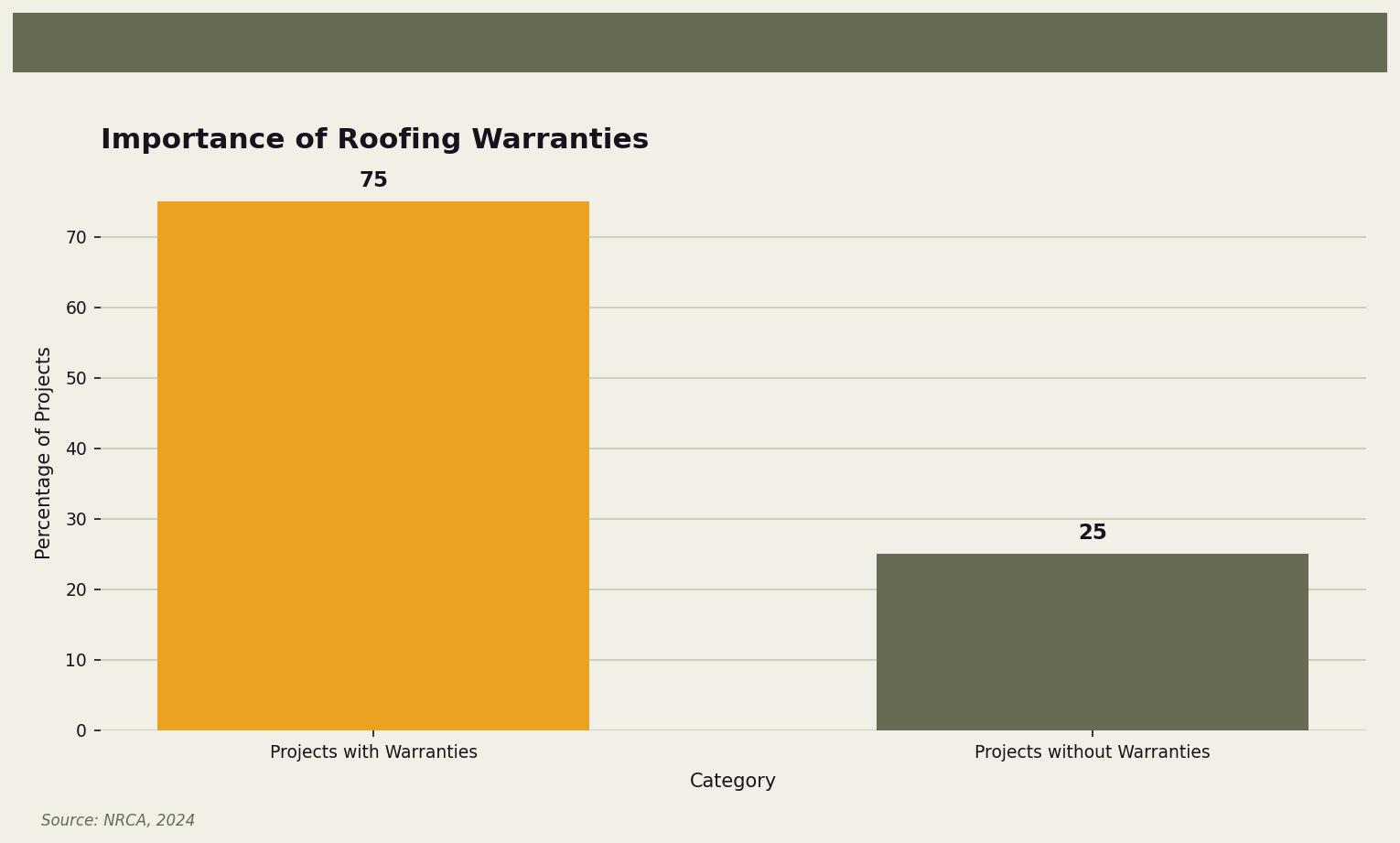
The NRCA states that 25% of roofing projects encounter issues after completion. A quarter of all projects! That stat alone should convince you that warranty coverage isn’t optional—it’s essential.
Your contract should specify:
- Exactly what each warranty covers
- Duration of coverage
- What actions void the warranty
- How to file a claim
Insurance: Don’t Skip This Check
Your roofing contract should confirm that the contractor carries both general liability insurance and workers’ compensation coverage. But don’t just take their word for it—ask for certificates of insurance and verify they’re current.
Why does this matter? If an uninsured worker falls off your roof and gets injured, you could be held liable. If an uninsured contractor damages your property, you’re stuck filing a claim on your own homeowners’ policy (hello, premium increase).
The contract should list:
- General liability coverage amounts (typically $1 million minimum)
- Workers’ compensation coverage
- Policy numbers or certificate references
Permits: Who’s Responsible?
Most roofing projects in the Twin Cities require a permit from your local municipality. This isn’t just bureaucratic red tape—permits ensure the work meets building codes and gets inspected by a third party.
The IBHS reports that 15% of roofing projects face fines or delays due to improper permitting. Your contract should clearly state that the contractor is responsible for obtaining all necessary permits. If a contractor suggests skipping permits to “save you money,” run. Unpermitted work can create nightmares when you try to sell your home or file an insurance claim.
Handling Changes: The Change Order Clause

Even with the best planning, sometimes things change mid-project. Maybe you decide to upgrade your ventilation, or the crew discovers damage that wasn’t visible during the estimate. Change orders handle these modifications.
Your contract should specify:
- All changes must be documented in writing
- Both parties must sign off before additional work begins
- How pricing for changes will be determined
- Impact on timeline, if any
Never agree to verbal changes. If a contractor says “we found some extra damage, it’ll be another $800″—stop. Get it in writing with a detailed explanation before authorizing the work. Legitimate contractors expect this.
Minnesota-Specific Considerations for Your Contract
Roofing in the Twin Cities isn’t like roofing in Texas or Florida. Our freeze-thaw cycles, heavy snow loads, and brutal temperature swings create unique challenges that your contract should address.
Ice and water shield: Minnesota building code requires ice and water shield along eaves, but many roofers install it in valleys and around penetrations too. Make sure your contract specifies exactly where this critical underlayment will go.
Ventilation: According to the NRCA, roofs in colder climates like Minnesota have a 10% shorter lifespan if not properly ventilated. Poor ventilation leads to ice dams, moisture problems, and premature shingle failure. Your contract should address ventilation—whether existing vents are adequate or if additional ventilation is recommended.
Ice dam prevention: Beyond ice and water shield, proper insulation and ventilation work together to prevent ice dams. If your contract includes attic ventilation improvements, make sure they’re detailed.
Snow load considerations: For flat or low-slope sections, ensure the contract addresses appropriate materials rated for Minnesota’s snow loads.
Red Flags: What Should NOT Be in Your Contract (Or Missing From It)
Sometimes what’s missing is as important as what’s included. Watch out for:
- Vague material descriptions: “High-quality shingles” means nothing. Demand specifics.
- No workmanship warranty: Materials-only coverage leaves you exposed.
- Large upfront payment requirements: More than 30% deposit is unusual.
- No cancellation clause: You should have a window to cancel without penalty.
- Lien waiver language: Make sure final payment triggers a lien waiver, confirming all subcontractors and suppliers have been paid.
- Arbitration-only dispute resolution: This limits your legal options if things go wrong.
Your Roofing Contract Checklist
Before you sign, confirm your contract includes:
- Contractor’s full legal business name, address, and license number
- Detailed scope of work with specific materials
- Project timeline with start and completion dates
- Total cost with itemized breakdown
- Payment schedule tied to milestones
- Manufacturer warranty details
- Workmanship warranty (minimum 5 years)
- Proof of insurance (liability and workers’ comp)
- Permit responsibility assigned to contractor
- Change order procedures
- Cleanup and debris removal included
- Cancellation policy
- Final lien waiver provision
Ready to Move Forward? Here’s Your Next Step
If your roof needs attention—whether you’ve spotted missing shingles, noticed a leak, or just know it’s time—finding the right contractor starts with knowing what to expect from a proper contract. Get multiple estimates, compare them carefully, and don’t be afraid to ask questions about anything that seems unclear.
At Owl Roofing, we’ve helped homeowners across the Twin Cities navigate this exact process for over 15 years. We’ve seen everything from storm damage to complete tear-offs, and we write contracts the way we’d want them if we were in your shoes—detailed, honest, and easy to understand. We’re based right here in Shoreview and serve the entire metro area, so we’re not disappearing after the job is done. We’re your neighbors.
Have questions about a contract you’ve received? Wondering if your roof needs work in the first place? Give us a call at 651-977-6027 or visit owlroofing.com/ to set up a free inspection. We’ll look at your roof, tell you exactly what it needs, and put everything in writing.
Protect Your Nest.
📍 Owl Roofing Serves the Entire Twin Cities Metro
Andover · Anoka · Apple Valley · Arden Hills · Big Lake · Blaine · Bloomington · Brooklyn Center · Brooklyn Park · Burnsville · Champlin · Chanhassen · Chaska · Columbia Heights · Coon Rapids · Cottage Grove · Crystal · deephaven · Delano · Eagan · East Bethel · Eden Prairie · Excelsior · Farmington · Forest Lake · Fridley · Golden Valley · Ham Lake · Hastings · Hopkins · Hugo · Inver Grove Heights · Lake Elmo · Lakeville · Lino Lakes · Mahtomedi · Maplewood · Mendota Heights · Minneapolis · Minnetrista · Mound · Mounds View · New Brighton · New Hope · North Oaks · North St. Paul · Oak Grove · Oakdale · Plymouth · Prior Lake · Ramsey · Richfield · Robbinsdale · Rosemount · Roseville · Saint Paul · Savage · Shakopee · Shoreview · South St. Paul · St. Louis Park · St. Michael · St. Paul · Stillwater · Vadnais Heights · Victoria · Waconia · wayzata · West St. Paul · White Bear Lake · woodbury
Licensed Minnesota roofing contractor · Free inspections · 10-year workmanship warranty · Get a free estimate →
