


How to Clean a Roof Without Causing Damage
 12min Read
 Posted 12.18.2025
How to Clean a Roof Without Causing Damage
Those black streaks creeping across your roof? They’re not just ugly—they’re eating your shingles alive. And here in the Twin Cities, where our roofs take a beating from humid summers and brutal winters, that algae growth can cut years off your roof’s life if you ignore it.
But here’s where it gets tricky: grab a pressure washer or the wrong cleaning solution, and you might do more damage in an afternoon than the algae would’ve done in a decade. We’ve seen it happen. Homeowners trying to save a few hundred bucks end up facing thousands in repairs because nobody told them the right way to clean a roof.
The good news? There’s a clear path from “embarrassing eyesore” to “roof that looks brand new”—without destroying your shingles in the process. Let’s walk through exactly how to get there.
Why a Dirty Roof Is More Than a Cosmetic Problem
Let’s be honest: most of us don’t spend a lot of time thinking about our roofs. Out of sight, out of mind. But those dark streaks and green patches aren’t just making your house look neglected—they’re actively causing damage.
According to the National Roofing Contractors Association (NRCA), algae and moss feed on the limestone filler in asphalt shingles. Over time, they break down the shingle material itself, making your roof more vulnerable to leaks, wind damage, and premature failure. And roof replacements aren’t cheap. The National Association of Realtors (NAR) puts the average cost at $7,211—money you’d probably rather spend on literally anything else.
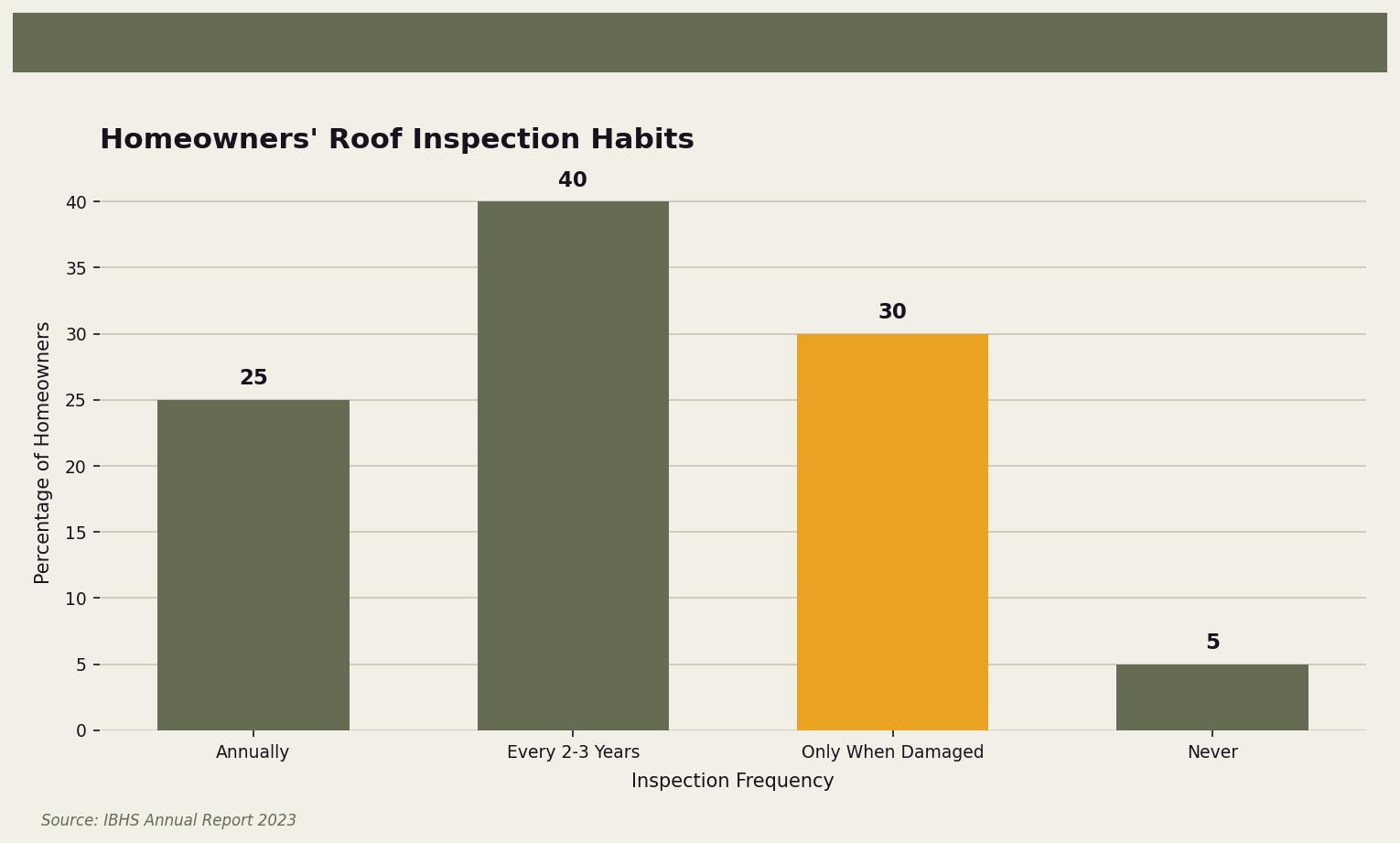
Here’s the kicker: the Insurance Institute for Business & Home Safety (IBHS) reports that 73% of homeowners don’t inspect their roof until there’s visible damage. By then, you’re not cleaning—you’re repairing. Or replacing.
Regular cleaning isn’t just about curb appeal (though your neighbors will definitely notice). It’s about catching problems early, extending your roof’s lifespan, and keeping small issues from turning into five-figure headaches. In Minnesota, where our roofs face ice dams, freeze-thaw cycles, and everything in between, this matters even more.
The Method That Actually Works: Soft Washing

What Is Soft Washing?
Soft washing is exactly what it sounds like—a gentler approach to roof cleaning that relies on low-pressure water and specialized cleaning solutions rather than brute force. Think of it like the difference between scrubbing a stain out of your favorite shirt versus throwing it in an industrial washer. One gets results; the other destroys what you’re trying to save.
The process works by applying a cleaning solution (typically a mix of water, bleach or oxygen-based cleaners, and surfactants) that kills algae, mold, and mildew at the root. Then, low-pressure water rinses everything away without disturbing your shingles.
The Asphalt Roofing Manufacturers Association (ARMA) specifically recommends soft washing as the safest method for cleaning asphalt shingles—and for good reason. It cleans thoroughly, sanitizes the surface to slow future growth, and doesn’t void your warranty. That last part is huge, because a lot of homeowners don’t realize that aggressive cleaning methods can actually cancel their shingle coverage.
Why Soft Washing Beats the Alternatives
Soft washing works because it addresses the actual problem (living organisms on your roof) without creating new ones (damaged shingles, leaks, voided warranties). The cleaning solution does the heavy lifting, so the water pressure doesn’t have to.
Results typically last 2-4 years, depending on your roof’s exposure to shade and moisture. Compare that to the “clean for a season, dirty by fall” cycle you might get from less effective methods, and the value becomes pretty clear.
What NOT to Do: Cleaning Methods That Backfire
Pressure Washing: Looks Effective, Causes Chaos
We get it—pressure washers are satisfying. There’s something deeply gratifying about blasting away years of grime in seconds. But your roof is not your driveway.
Here’s what high-pressure water does to shingles: it strips away the protective granules that shield the underlying asphalt from UV rays and weather. Those granules are your roof’s first line of defense. Without them, your shingles age faster, crack sooner, and fail earlier. The NRCA explicitly advises against pressure washing shingle roofs for exactly this reason.
Even worse, that powerful spray can force water underneath your shingles and into your roof deck. Now you’ve got moisture where it shouldn’t be, which leads to rot, mold, and leaks that might not show up for months. You’ll think you did a great job until water starts dripping through your ceiling next spring.
Bottom line: pressure washing your roof is a bit like cleaning your glasses with sandpaper. Technically effective, catastrophically counterproductive.
Chemical Treatments: Powerful but Problematic
Chemical treatments can absolutely kill roof algae—that’s not the issue. The issue is what else they kill, and what they leave behind.
Harsh chemicals like straight bleach can damage your shingles, discolor your siding, kill your landscaping, and contaminate local waterways. If you’ve got a garden bed below your roofline, one careless application can wipe out years of work.
If you’re going the chemical route (or hiring someone who does), oxygen-based cleaners are the safer bet. They’re biodegradable, gentler on surrounding vegetation, and won’t corrode your gutters or stain your brick. Always—always—follow manufacturer instructions, and protect your plants with tarps or pre-soaking before any application.
Better yet? Leave chemical selection and application to professionals who know how to get results without collateral damage.
DIY vs. Professional Cleaning: An Honest Assessment
Can you clean your own roof? Technically, yes. Should you? That depends on a few factors.
The Case for DIY
If you’re comfortable on a ladder, have a single-story home with a low-slope roof, and are willing to invest in proper soft-wash equipment and solutions, you can handle basic roof cleaning yourself. You’ll save on labor costs, and you can work on your own schedule.
The Case Against DIY
Roofs are slippery, especially when wet. Falls from ladders send over 500,000 Americans to the emergency room every year. Multi-story homes, steep pitches, and complex roof lines multiply the risk significantly.
Beyond safety, there’s the warranty issue. Many shingle manufacturers require specific cleaning methods to maintain coverage. Use the wrong approach, and you’ve just voided your protection—even if you didn’t damage anything.
Professional roof cleaners bring more than just equipment. They know how to spot early signs of damage you’d probably miss: loose flashing, lifted shingles, worn sealant around vents. That IBHS stat about 73% of homeowners waiting until visible damage appears? Professionals catch the invisible stuff before it becomes visible (and expensive).
They also carry insurance. If something goes wrong during a DIY cleaning—you fall, you damage your roof, you flood your attic—that’s on you. Professionals are covered, and so are you.
Twin Cities Roofs: Local Challenges, Local Solutions
Living in Minnesota means living with weather extremes. Our roofs don’t just sit there looking pretty—they work hard all year long.
The Humidity-Algae Connection
Those muggy summer months that make Minneapolis feel like a sauna? They’re also prime growing season for roof algae. Gloeocapsa magma (the organism responsible for those black streaks) thrives in warm, humid conditions. North-facing roof sections and areas shaded by trees are especially vulnerable because they stay damp longer.
The Ice Dam Factor
The Minnesota Department of Commerce emphasizes keeping your roof clean and clear of debris to prevent ice dams. When leaves, twigs, and organic buildup trap moisture on your roof heading into winter, they create perfect conditions for ice dam formation. Clean roof = better drainage = fewer ice dams = less interior damage.
Timing Matters
The best time to clean your roof in the Twin Cities is late spring (after the snow fully melts) or early fall (before leaves start piling up). This gives your roof a fresh start for the season ahead and addresses any growth that accumulated during the humid months.
Spring cleaning is especially important because it lets you assess any damage from winter—missing shingles, damaged flashing, early signs of leaks—while you’ve still got good weather for repairs.
Your Roof Cleaning Action Plan
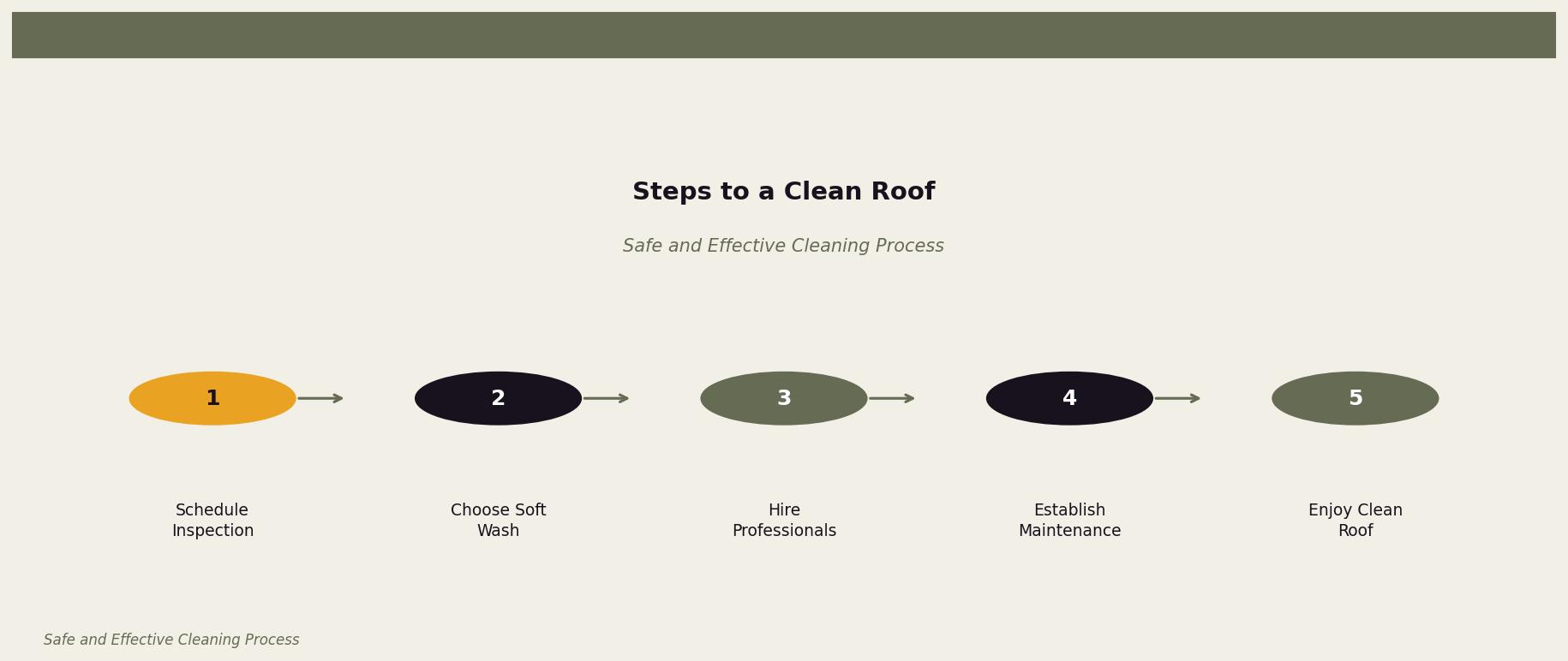
Ready to go from “I should probably do something about that roof” to “done and looking great”? Here’s the step-by-step:
Step 1: Get an Honest Assessment
Before you clean anything, know what you’re working with. Schedule a professional roof inspection to check for existing damage, vulnerable areas, and the extent of any algae or moss growth. This tells you whether cleaning alone will do the trick, or if repairs need to happen first.
Step 2: Choose the Right Method
For most Twin Cities homes with asphalt shingles, soft washing is the answer. It’s effective, safe, and manufacturer-approved. If someone recommends pressure washing your shingle roof, find someone else.
Step 3: Hire Pros or Prep Properly
If you’re going the professional route, look for companies that specialize in soft washing and can show you proof of insurance. Ask about their cleaning solutions and what they do to protect your landscaping.
If you’re tackling it yourself, invest in proper equipment, work on a dry day, and never clean alone. Have someone spot you from the ground. Better safe than sorry isn’t a cliché when you’re 20 feet in the air.
Step 4: Establish a Maintenance Rhythm
One cleaning won’t keep your roof clean forever. Plan for inspections twice a year (spring and fall) and professional cleanings every 2-3 years, depending on your roof’s exposure. Keep gutters clear, trim overhanging branches, and address small issues before they grow.
Step 5: Enjoy the Results
A clean roof isn’t just about preventing problems—it’s about pride of ownership. Your home looks better. Your roof lasts longer. You’ve checked a major maintenance item off your list. That’s worth celebrating.
Let’s Talk About Your Roof
If you’ve been staring at those black streaks wondering what to do next, we’d love to help. At Owl Roofing, we’re a family-owned company right here in Shoreview, and we’ve been taking care of Twin Cities roofs for over 15 years combined. We’ve seen every type of roof stain, growth, and buildup this Minnesota climate can throw at a house—and we know exactly how to handle it without causing damage.
We’re not storm chasers. We’re not a franchise. We’re Tim and Bea, Noah and Anya—your neighbors, helping neighbors keep their homes in great shape. If you want honest advice about whether your roof needs cleaning, repairs, or just a little TLC, give us a call at 651-977-6027 or visit owlroofing.com/. No pressure, no hard sell—just straightforward help from people who actually live here.
Protect Your Nest.
📍 Owl Roofing Serves the Entire Twin Cities Metro
Andover · Anoka · Apple Valley · Arden Hills · Big Lake · Blaine · Bloomington · Brooklyn Center · Brooklyn Park · Burnsville · Champlin · Chanhassen · Chaska · Columbia Heights · Coon Rapids · Cottage Grove · Crystal · deephaven · Delano · Eagan · East Bethel · Eden Prairie · Excelsior · Farmington · Forest Lake · Fridley · Golden Valley · Ham Lake · Hastings · Hopkins · Hugo · Inver Grove Heights · Lake Elmo · Lakeville · Lino Lakes · Mahtomedi · Maplewood · Mendota Heights · Minneapolis · Minnetrista · Mound · Mounds View · New Brighton · New Hope · North Oaks · North St. Paul · Oak Grove · Oakdale · Plymouth · Prior Lake · Ramsey · Richfield · Robbinsdale · Rosemount · Roseville · Saint Paul · Savage · Shakopee · Shoreview · South St. Paul · St. Louis Park · St. Michael · St. Paul · Stillwater · Vadnais Heights · Victoria · Waconia · wayzata · West St. Paul · White Bear Lake · woodbury
Licensed Minnesota roofing contractor · Free inspections · 10-year workmanship warranty · Get a free estimate →
