





What Hail Damage Looks Like on a Roof
 13min Read
 Posted 11.22.2025
What Hail Damage Looks Like on a Roof
That rumble you hear every summer? It’s not just thunder. Minnesota averages 20 to 30 hailstorms per year, and your roof takes the brunt of every single one. The tricky part? Hail damage doesn’t always announce itself with a dramatic leak or a missing shingle. It hides in plain sight—tiny dents, scattered granules, hairline cracks—quietly shortening your roof’s lifespan while you assume everything’s fine.
- Lawn swept 3x with magnets
- Storm restoration specialists
- We actually answer: (651) 977-6027
 5.0 · 90+ reviews
 Accredited
Owl is the local family-owned roofer that actually cares.
250+ Twin Cities families have trusted us with their homes. Book a free inspection and see why.
★★★★★“We couldn’t be happier with how everything turned out. From the beginning to the end, the whole experience was great.”
Rob Larson, Local Homeowner + Owl Customer
A real person calls you back, usually within the hour.
Here’s the thing: you don’t need to be a roofing expert to spot the warning signs. You just need to know what to look for. This guide will walk you through the specific hail damage roof signs that show up on Twin Cities homes, how to tell hail damage apart from normal wear, and exactly what to do if you find it. Because catching this stuff early? That’s the difference between a simple repair and a full roof replacement.
Why Hail Damage Isn’t Something You Can Ignore
Let’s talk numbers for a second, because they’re pretty eye-opening.
According to the Insurance Institute for Business & Home Safety (IBHS), hail causes over $10 billion in damages annually across the United States. That’s not a typo—billion with a B. And here in Minnesota, we’re right in the thick of it. The National Oceanic and Atmospheric Administration (NOAA) reports multiple significant hail events hitting our state every single year. We’re not on the fringe of “hail alley”—we’re smack in the middle of it.
But here’s what really gets homeowners into trouble: hail damage is sneaky. Unlike a tree branch through your roof (hard to miss), hail leaves behind subtle evidence that’s easy to overlook. Those little impacts weaken your shingles’ protective layer. Water starts seeping in. Maybe not today, maybe not next month—but eventually, you’ve got leaks. Then mold. Then structural damage. Then a repair bill that makes your eyes water.
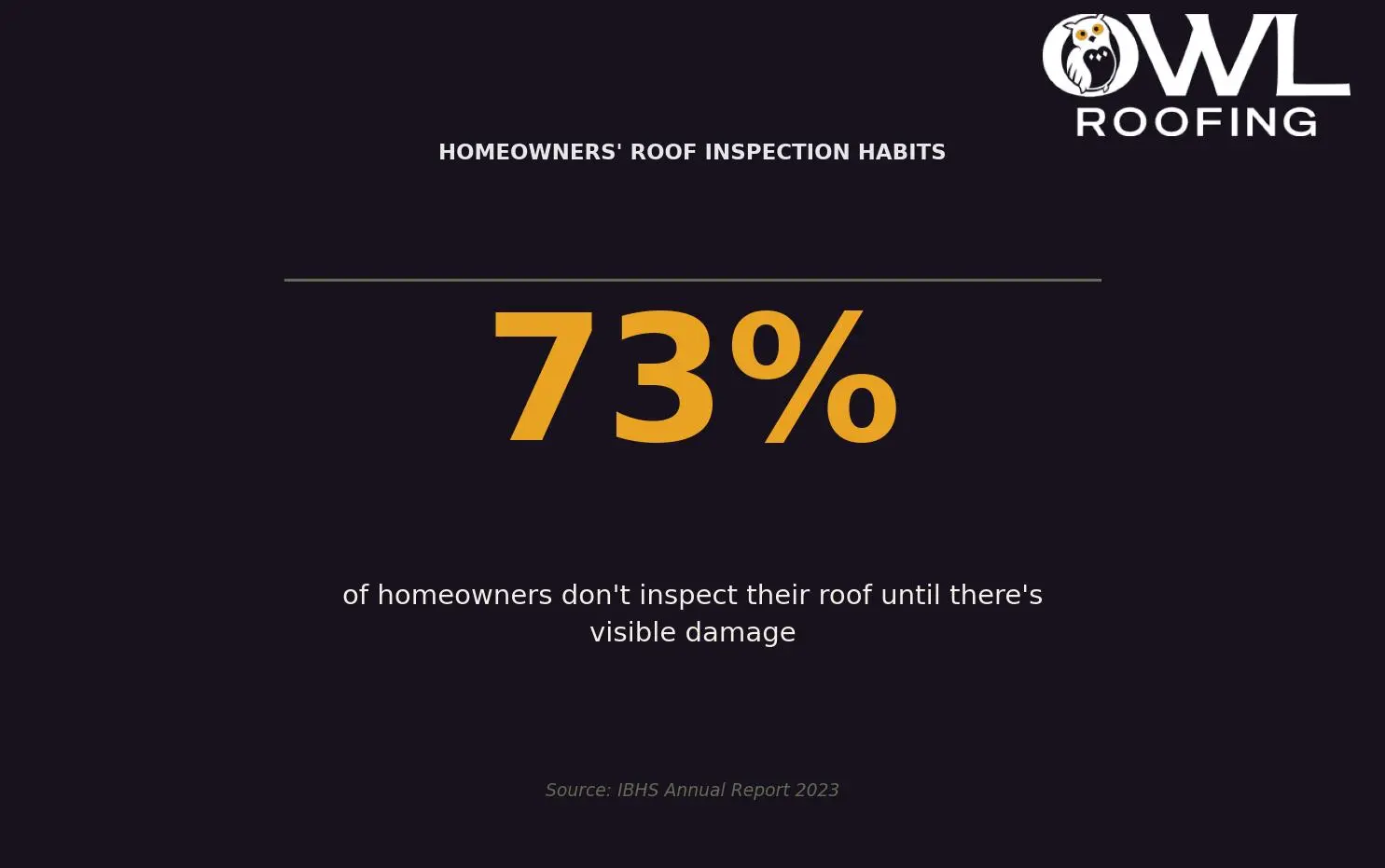
The IBHS found that 73% of homeowners don’t inspect their roof until there’s visible damage inside their home. By that point, you’re not dealing with surface issues anymore—you’re dealing with the consequences of months or years of water infiltration.
The good news? You can get ahead of this. You just have to know what you’re looking at.
Recognizing Hail Damage Roof Signs
Alright, let’s get into the specifics. After a hailstorm rolls through Shoreview or anywhere in the Twin Cities, here’s exactly what to look for on your roof.
Surface Granule Loss
This is often the first and most obvious sign—once you know to look for it.
Asphalt shingles (the most common type in Minnesota) are covered with tiny granules. These aren’t just decorative. They’re your roof’s sunscreen and armor, protecting the asphalt underneath from UV rays and physical damage. When hail hits, it knocks these granules loose.
Here’s how to spot it:
- Check your gutters and downspouts. After a storm, take a look inside. If you see a bunch of what looks like coarse black sand accumulated in there, that’s granule loss. Some granule shedding is normal over time, but a sudden pile-up after a storm is a red flag.
- Look for bald spots on your shingles. If you can safely see your roof from the ground or a window, look for patches where the shingle color looks inconsistent or darker. That’s exposed asphalt where the granules used to be.
- Check the splash blocks at the bottom of your downspouts. Granules often collect here too.
The National Roofing Contractors Association (NRCA) notes that significant granule loss accelerates aging and can cut years off your roof’s expected lifespan. What should’ve lasted 20 years might now need replacement in 12.
Dented or Cracked Shingles
Hailstones don’t just knock granules loose—they leave their mark directly on the shingle surface.
What you’re looking for:
- Soft spots or dents. Press gently on a shingle (if you can access it safely). Hail-damaged shingles will feel spongy or have a give to them, like a bruised apple. A healthy shingle feels firm.
- Random pattern of marks. Hail damage creates an irregular, scattered pattern across your roof. If you see marks that are evenly spaced or follow a line, that’s more likely foot traffic or installation damage—not hail.
- Cracking around impact sites. Larger hailstones can crack shingles outright. Sometimes the crack isn’t visible from ground level, but water will find it.
- Exposed or fractured fiberglass mat. In severe cases, the hail impact is hard enough to break through the asphalt layer, exposing the fiberglass mat underneath. This is serious damage that requires immediate attention.
A small dent might seem cosmetic—who cares about a tiny mark you can’t even see from the street? But that dent compromises the shingle’s integrity. Water works its way in. Freeze-thaw cycles expand the crack. What started as a cosmetic issue becomes a functional failure.
Damage to Roof Components Beyond Shingles
Your shingles aren’t the only things getting hit. During a roof hail damage inspection, make sure to check:
- Metal vents and flashing. Hail leaves obvious dents in metal. If your roof vents look like they’ve been used for target practice, your shingles probably took similar hits.
- Gutters and downspouts. Dented gutters are easy to spot and serve as a good indicator of hail size and intensity.
- Skylights. Check for cracks, chips, or stress fractures.
- Air conditioning units. If your AC took visible damage, your roof likely did too.
These components often serve as “hail gauges” that tell the story of what happened on your roof, even if you can’t see the shingle damage directly.
Comparing Hail Damage to Other Roof Issues
Not every roof problem is caused by hail. Knowing the difference matters—especially when you’re filing an insurance claim or trying to figure out what repairs you actually need.
Hail Damage vs. Wind Damage
Both can happen in the same storm, but they leave different evidence:
Wind damage typically shows up as:
- Lifted or curled shingle edges
- Shingles that are completely blown off
- Creased or folded shingles (from being bent back by wind)
- Missing shingles in patterns that follow the wind direction
Hail damage looks like:
- Random, scattered impact marks across the roof
- Dents and bruises without lifting or curling
- Granule loss concentrated around impact sites
- Damage that appears on the flat surface of shingles, not just edges
The key difference: wind attacks from the side and focuses on edges. Hail falls from above and hits everything equally. If your damage pattern follows that logic, you’re on the right track.
New Damage vs. Old Wear and Tear
This distinction becomes critical when you’re dealing with insurance claims. Insurers won’t cover pre-existing damage or normal aging—and some adjusters look for reasons to deny claims.
Fresh hail damage features:
- Sharp, well-defined edges around impact sites
- Bright, fresh-looking exposed asphalt (not yet weathered)
- Matching damage patterns across the roof
- Corresponding damage on other surfaces (gutters, vents, AC unit)
Old damage or normal wear looks like:
- Rounded, weathered edges
- Faded or oxidized exposed areas
- Gradual, uniform granule loss rather than concentrated impact sites
- Curling or cracking consistent with age-related deterioration
If you had a recent storm and your roof shows fresh damage characteristics, document everything immediately. Timestamps on photos can make or break a claim.
Why the Twin Cities Gets Hit Hard
If it feels like Minnesota gets more than its fair share of hailstorms, you’re not imagining it.
The Minnesota Department of Natural Resources confirms that our state experiences an average of 20 to 30 hailstorms annually. And those aren’t just light dustings of pea-sized hail—we regularly see storms producing golf ball-sized hailstones or larger.
But the storms themselves are only part of the problem. Our climate creates a perfect follow-up punch:
- Freeze-thaw cycles. Water gets into those tiny hail cracks. Then it freezes and expands. Then it thaws. Then it refreezes. Every cycle makes the damage worse.
- Temperature extremes. Minnesota roofs experience everything from -20°F winters to 90°F summers. That 110+ degree swing puts stress on materials that are already compromised.
- Heavy snow loads. A weakened shingle that might have held up under normal conditions can fail when you pile several feet of snow on top of it.
What might be minor damage in a milder climate becomes accelerated deterioration here. That’s why Shoreview and Twin Cities homeowners need to take hail damage seriously—and address it before winter arrives to make everything worse.
Action Plan: What to Do After a Hailstorm
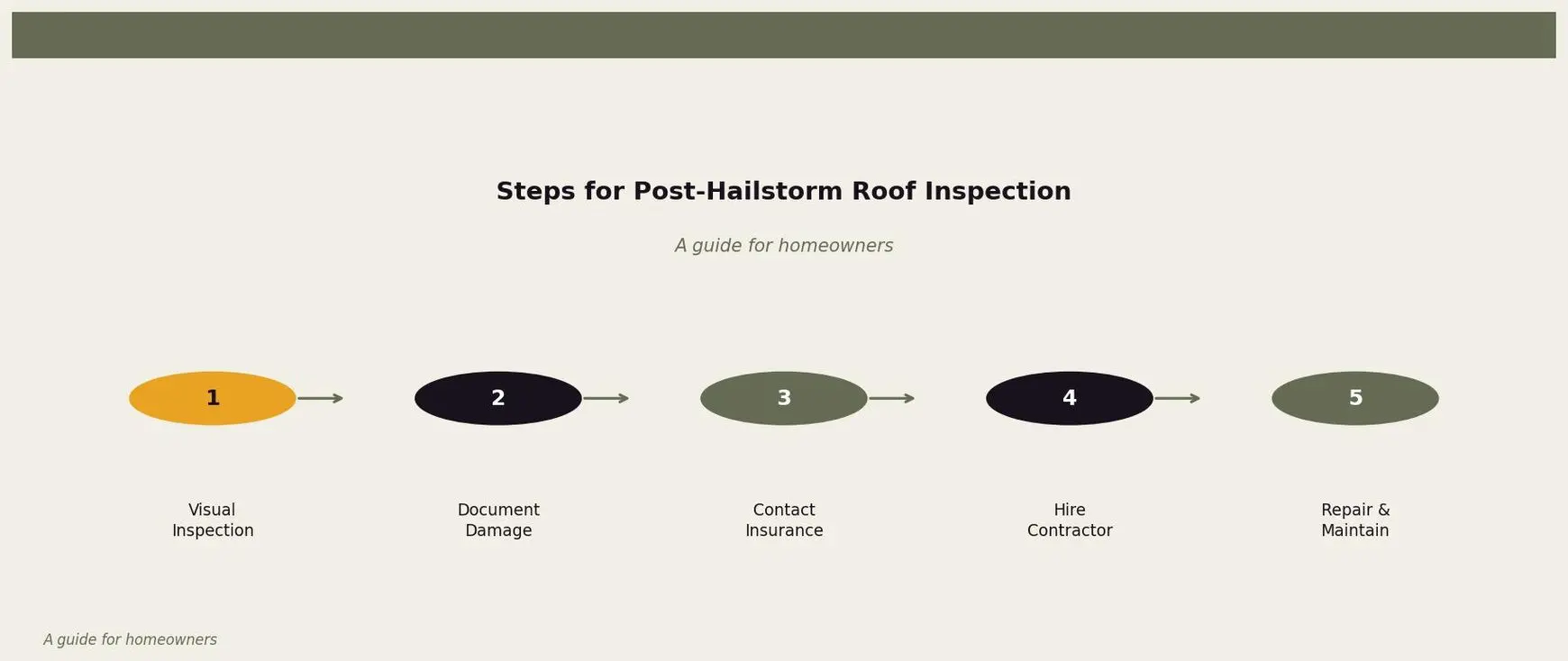
You’ve had a storm. You suspect damage. Here’s your step-by-step game plan:
Step 1: Do a Ground-Level Visual Inspection
Start with what you can safely see from the ground. Walk around your property and look for:
- Dents in your gutters, downspouts, and siding
- Granules accumulated at downspout exits
- Damage to outdoor AC units, deck railings, or cars left outside
- Any visible shingle damage you can spot from ground level
If you see damage on these items, your roof almost certainly took hits too.
Step 2: Document Everything
Before you touch anything, pull out your phone:
- Take wide shots showing the overall property
- Take close-ups of specific damage
- Note the date and time of photos
- If you know when the storm hit, write that down too
This documentation is crucial for insurance claims. The more evidence you have, the smoother the process goes.
Step 3: Contact Your Insurance Provider
Don’t wait on this. Most policies have time limits for reporting storm damage. Call your insurance company, report the potential damage, and ask about:
- Your deductible
- The claims process timeline
- Whether they’ll send their own adjuster
- What documentation they need from you
A heads up: insurance adjusters are looking out for the insurance company’s interests, not yours. Having your own professional assessment gives you leverage.
Step 4: Get a Professional Roof Inspection
Here’s where a trusted local contractor becomes essential. A professional roof hail damage inspection will:
- Identify damage you can’t see from the ground
- Assess whether damage is cosmetic or structural
- Provide documentation that supports your insurance claim
- Give you honest repair estimates
Key word there: trusted. After hailstorms, “storm chasers” flood into affected areas—contractors who follow severe weather, push high-pressure sales tactics, and may disappear before standing behind their work. Look for local contractors who’ve been in the community for years, have verifiable references, and won’t pressure you into signing anything on the spot.
Step 5: Make Repairs Before Winter
If damage is confirmed, don’t let it sit. Minnesota winters are brutal, and compromised shingles will only deteriorate further. Get repairs scheduled while the weather cooperates.
The Stakes: What Happens If You Don’t Act
Let’s be real about what’s on the line if you skip the inspection and hope for the best.
Short-term: Probably nothing dramatic. Your roof might look fine. You might not notice anything wrong for months.
Medium-term: Water infiltration begins. It’s slow, hidden, and relentless. Behind your walls. In your attic insulation. Under your sheathing.
Long-term: Mold growth. Rotted decking. Compromised structural integrity. What would have been a $500 repair becomes a $15,000 emergency. And if you wait too long to file that insurance claim? You may be on the hook for the whole thing.
Your roof is doing its job right now, protecting everything underneath it. But it can only keep doing that job if you take care of it—and that means addressing hail damage before it snowballs (literally, in Minnesota) into something worse.
Protect Your Home With a Roof You Can Trust
If you’re in Shoreview or anywhere in the Twin Cities and that last storm left you wondering about your roof, we’d be happy to take a look. At Owl Roofing, we’re your neighbors—not out-of-town storm chasers who’ll disappear once the weather clears. Tim, Bea, Noah, and Anya have been inspecting and repairing hail-damaged roofs in this area for over 15 years combined, and we’ve seen everything from minor granule loss to total replacements.
We’ll tell you exactly what your roof needs—nothing more, nothing less. No pressure, no scare tactics, just honest assessment from people who live and work in the same community you do. Give us a call at 651-977-6027 or visit owlroofing.com/ to schedule your inspection.
Protect Your Nest.
📍 Owl Roofing Serves the Entire Twin Cities Metro
Andover · Anoka · Apple Valley · Arden Hills · Big Lake · Blaine · Bloomington · Brooklyn Center · Brooklyn Park · Burnsville · Champlin · Chanhassen · Chaska · Columbia Heights · Coon Rapids · Cottage Grove · Crystal · deephaven · Delano · Eagan · East Bethel · Eden Prairie · Excelsior · Farmington · Forest Lake · Fridley · Golden Valley · Ham Lake · Hastings · Hopkins · Hugo · Inver Grove Heights · Lake Elmo · Lakeville · Lino Lakes · Mahtomedi · Maplewood · Mendota Heights · Minneapolis · Minnetrista · Mound · Mounds View · New Brighton · New Hope · North Oaks · North St. Paul · Oak Grove · Oakdale · Plymouth · Prior Lake · Ramsey · Richfield · Robbinsdale · Rosemount · Roseville · Saint Paul · Savage · Shakopee · Shoreview · South St. Paul · St. Louis Park · St. Michael · St. Paul · Stillwater · Vadnais Heights · Victoria · Waconia · wayzata · West St. Paul · White Bear Lake · woodbury
Licensed Minnesota roofing contractor · Free inspections · 10-year workmanship warranty · Get a free estimate →
