


Can Trees Damage Your Roof What to Watch For
 14min Read
 Posted 12.21.2025
Can Trees Damage Your Roof? What to Watch For

That gorgeous oak tree in your backyard? It might be slowly destroying your roof right now. Here in the Twin Cities, we love our trees—they shade our homes in summer, turn spectacular colors in fall, and give our neighborhoods that established, welcoming feel. But here’s the thing: 73% of homeowners don’t inspect their roofs until there’s already visible damage. By then, that beautiful maple has been quietly wreaking havoc for years.
The situation is familiar to anyone who’s lived in Shoreview, Roseville, or anywhere in the metro: you’re enjoying a peaceful Saturday morning when a thunderstorm rolls through. You hear something hit the roof. Maybe it’s nothing. Maybe it’s the start of a $15,000 repair. The task? Learning exactly how trees can damage your roof—and what warning signs to catch before small problems become big ones. Let’s walk through the action steps that’ll help you protect your home, so the result is a roof that lasts decades instead of one that needs emergency repairs every few years.
Why Tree Damage Should Be on Your Radar
Let’s be real: most of us don’t think about our trees and our roofs in the same sentence. Trees are landscaping. Roofs are… up there somewhere. But understanding how the two interact is essential for every Twin Cities homeowner.
The National Roofing Contractors Association (NRCA) reports that trees are a leading cause of roof damage, especially in areas with weather as unpredictable as ours. We’re talking about everything from slow-motion shingle erosion to dramatic limb-through-the-deck-boards moments. And the damage goes beyond aesthetics—overhanging branches and falling trees can cause leaks, structural damage, and even mold growth inside your walls. That’s a risk to your home’s bones and your family’s health.
The Insurance Institute for Business & Home Safety (IBHS) found that 73% of homeowners wait until they see damage before they inspect their roof. That’s like waiting until your car breaks down on the highway to check the oil. The whole point of understanding tree-related risks is catching problems early, when a $200 trim job can prevent a $20,000 roof replacement.
The Four Ways Trees Damage Roofs
1. Overhanging Branches: The Slow Assault
This is the sneaky one. You might not even notice it happening.
Picture this: you’ve got a big silver maple with branches stretching over your roof. Every time the wind blows—and this is Minnesota, so that’s basically always—those branches sway back and forth, scraping against your shingles. According to the IBHS, this constant friction wears down the protective granules on asphalt shingles. Those granules aren’t just decorative; they’re your roof’s UV protection and waterproofing layer.
Once they’re gone, your shingles age faster. They crack. They curl. They let water in.
But the branch-scraping is only part of the problem. Those overhanging limbs also dump leaves, twigs, seeds, and pine needles directly onto your roof and into your gutters. Here’s what happens next:
- Clogged gutters cause water to back up under your shingles instead of flowing away from your house
- Debris accumulation traps moisture against your roof, accelerating rot and shingle deterioration
- Wet organic matter creates a perfect environment for moss, algae, and mold growth
- Ice dams in winter get worse when debris prevents proper drainage
The fix is straightforward: keep branches at least six feet away from your roof. That’s the general industry recommendation, and it gives you a buffer even when branches are swaying in a storm.
2. Falling Limbs and Trees: The Dramatic Disaster
This is the damage everyone thinks of—and fears. A massive branch crashes through your roof during a thunderstorm. Or worse, an entire tree comes down.
According to the National Association of Realtors (NAR), falling tree incidents account for a substantial portion of home insurance claims related to roof repairs. And here in the Twin Cities, we get the full menu of tree-threatening weather: summer storms with straight-line winds, ice storms that coat branches until they snap, heavy wet snow in late winter, and the occasional tornado or derecho.
The trees most likely to drop limbs or topple entirely are the ones with:
- Dead or dying branches (look for bare spots when the rest of the tree is leafed out)
- Signs of disease or rot (fungal growth, soft spots, peeling bark)
- V-shaped crotches where branches meet the trunk (these are structurally weak)
- Previous storm damage that was never properly addressed
- Root problems from construction, soil changes, or disease
A certified arborist can spot these issues before they become emergencies. Think of it as a health checkup for your trees—catching the warning signs early means you remove one dangerous branch instead of dealing with an entire tree through your living room ceiling.
3. Root Systems: The Indirect Threat
Okay, tree roots aren’t going to punch through your roof from below. But they can still cause roof problems—just in a roundabout way.
As roots grow and spread, they can shift the soil around your foundation. In some cases, they can even crack foundation walls or cause settling. When your foundation moves, your whole house moves with it, including your roof structure. This can lead to:
- Misaligned roof framing that creates gaps and stress points
- Cracked or separated flashing where your roof meets chimneys, vents, or walls
- Uneven roof planes that don’t shed water properly
- Premature shingle failure in areas under stress
The NRCA recommends keeping an eye on trees planted close to your home, especially large species with aggressive root systems. If you’re planting new trees, consider root barriers or simply choose a location further from the foundation.
4. Critter Highways: The Bonus Problem
Here’s one most people don’t consider: trees that touch or overhang your roof create easy access for squirrels, raccoons, and other wildlife. These critters don’t just walk across your shingles—they chew through them, tear up flashing, and gnaw into your fascia boards looking for entry points into your attic.
Once they’re in your attic, they’re not paying rent. They’re destroying insulation, chewing on electrical wires (fire hazard), and leaving droppings that create health risks. That six-foot clearance we mentioned earlier? It also keeps the wildlife commute off your roof.
Not All Trees Are Created Equal
Different tree species pose different risks to your roof. Understanding what’s growing in your yard helps you plan your maintenance strategy.
Evergreens (Pines, Spruces, Firs)
The good news: evergreens tend to have flexible branches that bend under snow and ice loads rather than snapping. The bad news: they shed needles year-round, which means your gutters need more frequent cleaning. Pine needles are particularly good at working their way under shingles and trapping moisture. A study by the IBHS found that homeowners with evergreens close to their homes should plan on gutter cleaning at least quarterly, not just in fall.
Hardwoods (Oaks, Maples, Ash)
These trees drop most of their leaves in fall, giving you a concentrated cleanup period. However, their rigid branch structure makes them more prone to breakage in storms. Dead branches on hardwoods are especially dangerous—they can hang on for months before falling at the worst possible moment. The massive weight of a mature oak limb can punch through a roof like it’s cardboard.
Fast-Growing Species (Willows, Silver Maples, Boxelders)
These trees grow quickly, which homeowners love when they want shade fast. But fast growth often means weak wood. Silver maples, in particular, are notorious for dropping limbs. If you’ve got one near your house, it needs more frequent professional inspection than a slower-growing species.
Fruit Trees (Apples, Crabapples, Plums)
Smaller than forest trees, so they’re less likely to cause catastrophic damage. But they drop fruit, which can stain roofing materials and attract wildlife. Plus, fallen fruit in gutters creates a particularly nasty clog that’s tougher to clean than leaves alone.
Twin Cities Specific: What Our Climate Means for Your Trees and Roof
Let’s talk about what makes Minnesota special (beyond the hot dish and passive-aggressive niceness).
Our climate puts trees under stress that homeowners in milder regions never deal with. According to the Minnesota Department of Natural Resources, local homeowners need to be particularly vigilant about:
Ice storms. When freezing rain coats branches, the weight can increase by 30 times or more. Branches that survived every summer storm for twenty years suddenly snap under the ice load. The damage often happens overnight, while you’re sleeping.
Heavy wet snow. Late-season snowstorms (hello, April) often bring wet, heavy snow that sticks to everything. This is prime limb-breaking weather, especially when trees have already started leafing out.
Freeze-thaw cycles. We can have temperature swings of 40 degrees in a single day during spring and fall. This stresses trees and can cause bark splitting or branch weakness.
Summer storms. The Twin Cities sits in an active severe weather corridor. Straight-line winds from summer thunderstorms can exceed hurricane force, and we average about 30 tornadoes per year in Minnesota.
The best time to prune most trees is late fall, after they’ve dropped their leaves but before the first heavy snow. This gives you clear visibility of the branch structure and removes hazards before winter storm season.
Your Action Plan: Preventing Tree Damage Before It Happens
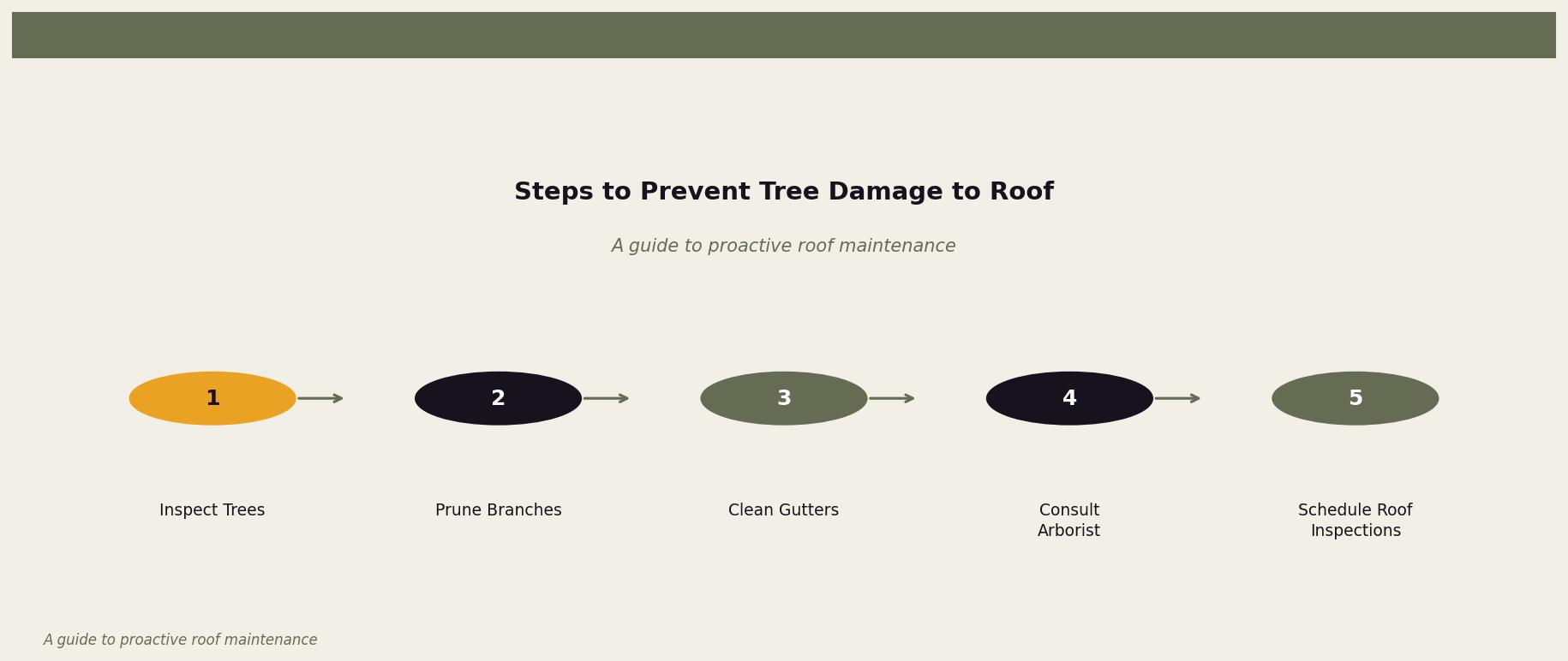
Alright, enough scary stories. Here’s your step-by-step action plan for protecting your roof from tree damage:
Step 1: Do a Tree Inventory
Walk your property and look at every tree within falling distance of your house. That’s typically any tree taller than its distance from your home. A 40-foot tree that’s 30 feet away? If it falls toward your house, it’s going to hit. Note which trees have branches overhanging your roof, and which ones look questionable.
Step 2: Look for Warning Signs
Check each tree for:
- Dead or dying branches (no leaves when other branches are leafed out)
- Cracks in the trunk or major limbs
- Fungal growth (mushrooms at the base or on the trunk)
- Leaning that’s gotten worse over time
- Root damage from recent construction or landscaping
- Branches rubbing against each other or your roof
Step 3: Prune Proactively
Remove dead branches immediately—they’re not going to get better. For healthy branches that overhang your roof, hire a professional arborist to prune them back to the six-foot clearance zone. Yes, you can DIY small branches on young trees. But anything that requires a ladder or a chainsaw? Call a pro. Emergency room visits are more expensive than tree service.
Step 4: Clean Your Gutters
This is the maintenance task everyone hates and everyone skips. Do it anyway. Clean gutters in late fall after most leaves have dropped, again in late spring after seed pods and catkins are done, and once more in mid-summer if you have heavy tree coverage. If that sounds like too much, consider gutter guards—they’re not perfect, but they reduce the frequency and severity of clogs.
Step 5: Get Professional Assessments
Have a certified arborist inspect your trees every few years, or after any major storm. They can spot problems you’d never notice and recommend treatments or removals before disasters happen. Similarly, get your roof inspected annually—by someone who actually gets up there and looks, not just drives by and waves.
Step 6: Make It Seasonal
Build tree and roof checks into your seasonal routine. Spring: check for winter damage. Summer: watch for storm damage after severe weather. Fall: prune and clean gutters. Winter: keep an eye out after ice storms. Fifteen minutes of attention four times a year can save you thousands in emergency repairs.
The Payoff: What Prevention Gets You
Following this action plan won’t make your trees disappear—and you don’t want them to. Trees provide shade that can reduce your summer cooling bills by up to 25%. They increase property values. They make neighborhoods beautiful.
What proactive maintenance does give you is peace of mind. You’ll sleep better during storms knowing you’ve removed the obvious hazards. You’ll save money by catching small problems before they become big ones. And you’ll extend the life of your roof by years—potentially decades—by keeping it free from the slow damage that overhanging branches cause.
The trees and your roof can coexist beautifully. They just need a little management to keep things peaceful.
When Your Roof Needs a Professional Eye
If you’ve noticed branches scraping your shingles, found granules washing out of your gutters, or taken a limb hit during a recent storm, it’s worth having someone take a look. Here at Owl Roofing, we’ve seen every type of tree damage the Twin Cities can throw at a roof—from slow shingle wear caused by years of branch contact to emergency tarping after a storm brings down half an oak tree.
We’re your neighbors here in Shoreview, and we serve homeowners throughout the entire metro area. Tim, Bea, Noah, and Anya started this company because we believe everyone deserves straight answers about their roof. No pressure, no scare tactics—just an honest assessment of what’s going on up there and what (if anything) needs to happen next.
If you’d like us to take a look, give us a call at 651-977-6027 or visit owlroofing.com/. We’re happy to answer questions, and inspections are always free.
Protect Your Nest.
📍 Owl Roofing Serves the Entire Twin Cities Metro
Andover · Anoka · Apple Valley · Arden Hills · Big Lake · Blaine · Bloomington · Brooklyn Center · Brooklyn Park · Burnsville · Champlin · Chanhassen · Chaska · Columbia Heights · Coon Rapids · Cottage Grove · Crystal · deephaven · Delano · Eagan · East Bethel · Eden Prairie · Excelsior · Farmington · Forest Lake · Fridley · Golden Valley · Ham Lake · Hastings · Hopkins · Hugo · Inver Grove Heights · Lake Elmo · Lakeville · Lino Lakes · Mahtomedi · Maplewood · Mendota Heights · Minneapolis · Minnetrista · Mound · Mounds View · New Brighton · New Hope · North Oaks · North St. Paul · Oak Grove · Oakdale · Plymouth · Prior Lake · Ramsey · Richfield · Robbinsdale · Rosemount · Roseville · Saint Paul · Savage · Shakopee · Shoreview · South St. Paul · St. Louis Park · St. Michael · St. Paul · Stillwater · Vadnais Heights · Victoria · Waconia · wayzata · West St. Paul · White Bear Lake · woodbury
Licensed Minnesota roofing contractor · Free inspections · 10-year workmanship warranty · Get a free estimate →
