




Questions to Ask a Roofer Before Hiring
 13min Read
 Posted 12.27.2025
The One Question Most Homeowners Forget to Ask Their Roofer
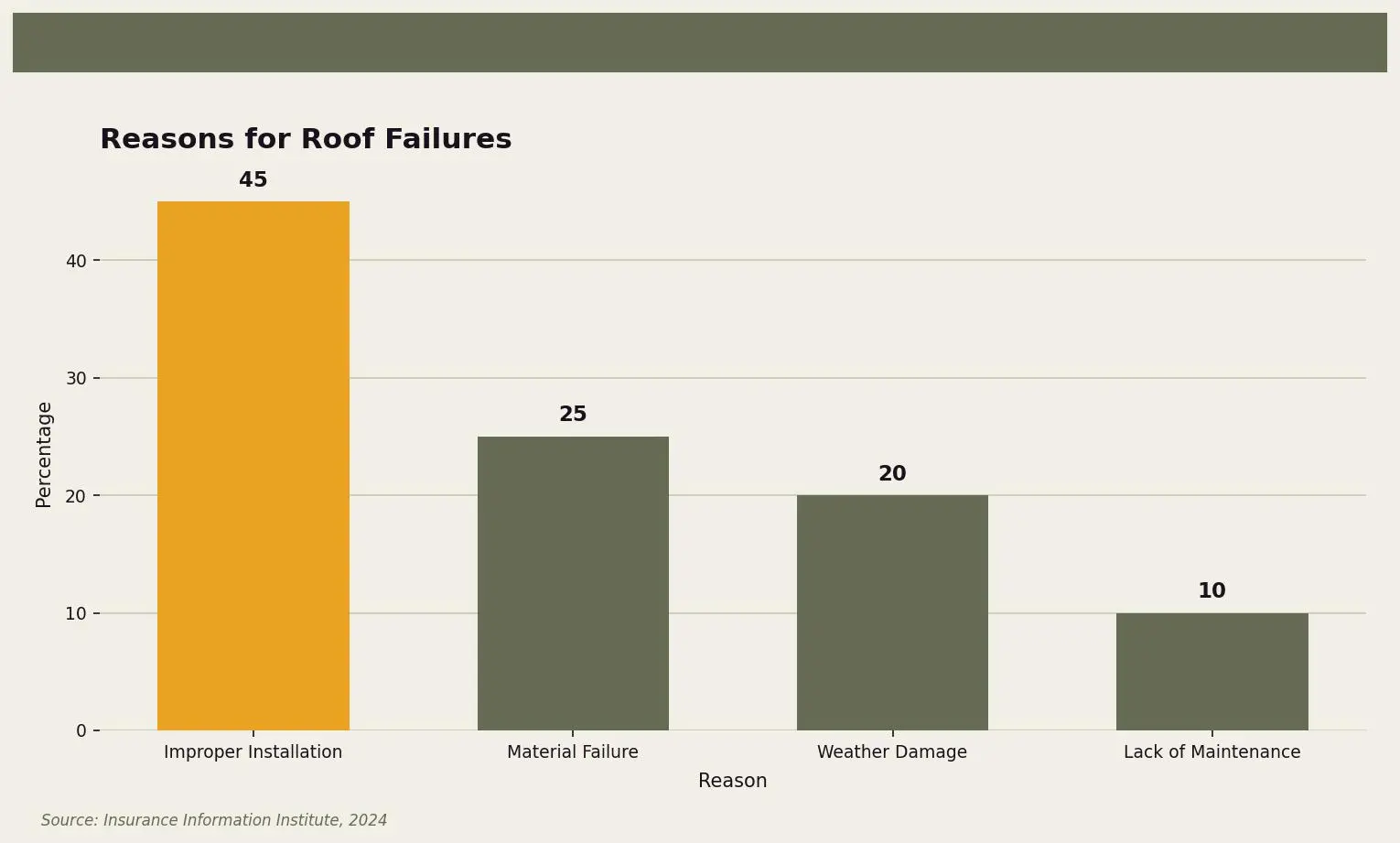
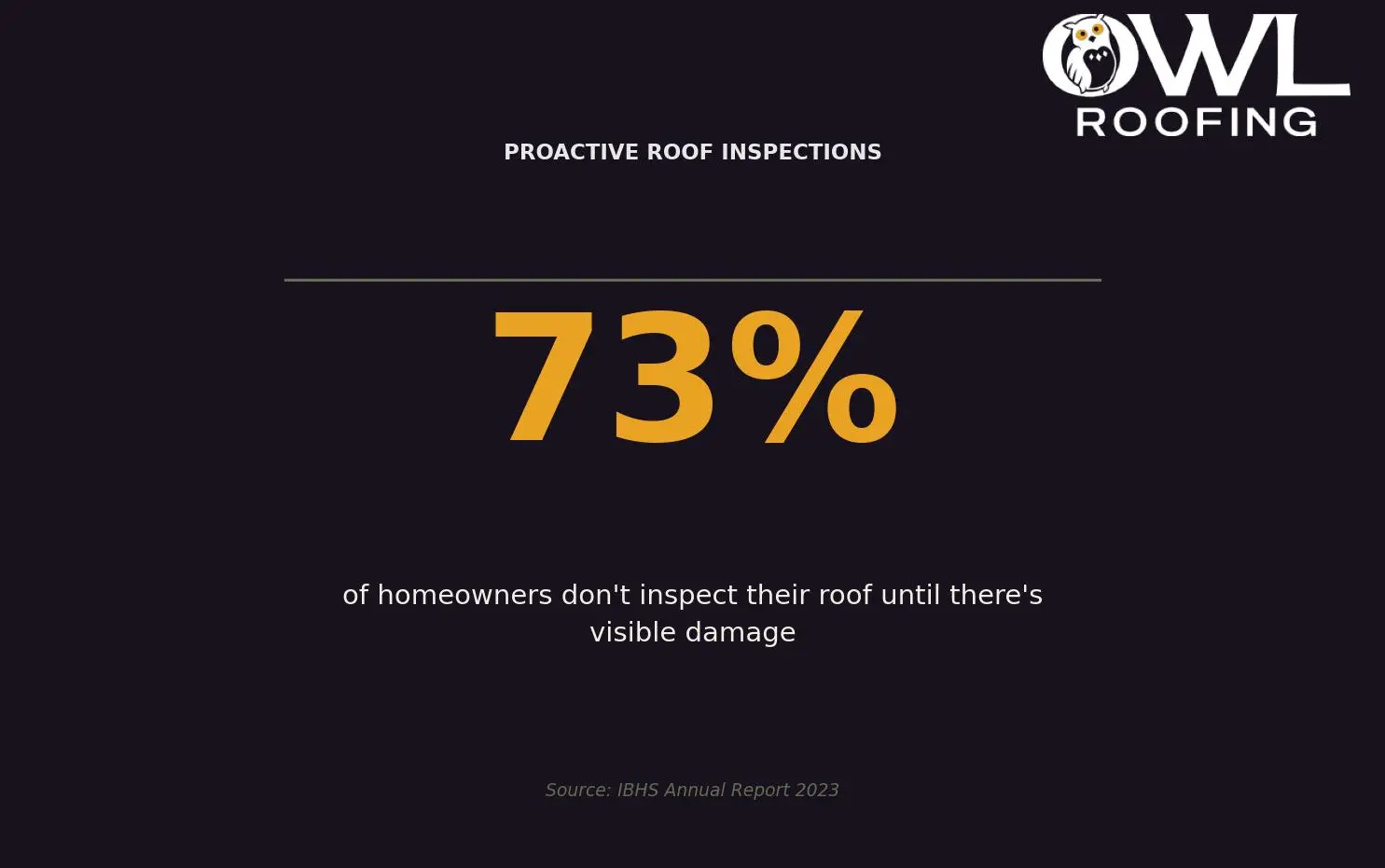
Here’s a number that should make every Twin Cities homeowner nervous: 45% of roof failures come down to improper installation—not storms, not age, not bad luck. Just someone doing the job wrong. And here’s the kicker: 73% of homeowners don’t even look at their roof until water’s already dripping through the ceiling, according to the IBHS Annual Report 2023. By then, you’re not picking a roofer. You’re scrambling for one.
That’s exactly how homeowners end up with a bad contractor and a worse roof. But it doesn’t have to go that way. The difference between a roof that lasts 25 years and one that gives you headaches in five often comes down to the questions you ask before anyone climbs a ladder. So let’s talk about what to actually ask—and what the answers should tell you.
Why Asking the Right Questions Matters More Than You Think
Here’s the thing about roofing: what you can’t see can absolutely hurt you. A roof might look fine from the ground while hiding layers of problems underneath—improper flashing, inadequate ventilation, shortcuts that won’t show up for years. The National Roofing Contractors Association (NRCA) hammers this point constantly: hiring an unqualified roofer doesn’t just mean a mediocre job. It can mean water damage creeping into your attic, insulation turning into a soggy mess, and in worst cases, structural failure.
Now multiply those risks by Minnesota’s weather. Our freeze-thaw cycles are brutal—temperatures swing wildly, ice forms in gutters and along roof edges, and snow loads pile up for months. According to the Insurance Information Institute, improper roofing installation is a leading cause of premature roof failures, costing homeowners thousands in repairs that should never have been necessary. We’re talking about damage that could’ve been avoided if someone had just asked a few more questions upfront.
The right questions do more than screen out bad contractors. They reveal who actually knows their stuff, who’s going to stick around if something goes wrong, and who treats your home like they’d treat their own. That’s what we’re after.
Questions About Experience and Credentials
How Long Have You Been Doing This—Here?
Experience matters, but location-specific experience matters more. A roofer who’s spent 20 years in Arizona hasn’t dealt with ice dams or the way a Minnesota blizzard can dump two feet of snow overnight. You want someone who knows what a Shoreview winter does to shingles, not someone Googling “cold weather roofing” between jobs.
Ask directly: “How long have you been working in the Twin Cities area?” The National Association of Realtors suggests looking for at least five years of local experience. That’s long enough to have seen multiple harsh winters, handled insurance claims after summer storms, and built a reputation in the community—good or bad.
Follow up with: “Can you give me references from homeowners nearby?” A confident contractor won’t hesitate. A nervous one will suddenly have a lot of excuses.
Are You Licensed and Insured?
This sounds basic, but you’d be surprised how many homeowners skip it. In Minnesota, roofing contractors need to be licensed, and they should carry both general liability insurance and workers’ compensation coverage. If they don’t have workers’ comp and someone gets hurt on your property? Guess who might be on the hook.
Don’t just take their word for it, either. Ask for certificates and actually verify them. A legitimate company will hand them over without blinking. If you get pushback or vague answers like “we’re covered, don’t worry”—worry.
Do You Use Subcontractors or Your Own Crew?
Some roofing companies are essentially middlemen. They sell the job, then hire whoever’s available to do the actual work. That’s not necessarily bad, but you should know who’s actually going to be on your roof. Ask if they use their own employees or subcontract the labor. If it’s subcontractors, ask how they vet them, how long they’ve worked together, and who’s responsible if something goes wrong.
The best answer is a crew that’s been together for years, knows each other’s work, and has done dozens of roofs in your area. The worst answer is a shrug and “whoever we can get.”
Questions About Warranties and Accountability
What Does Your Warranty Actually Cover?
Warranties sound reassuring until you read the fine print. Most roofing jobs come with two separate warranties: one from the manufacturer on the materials, and one from the contractor on the workmanship. They’re not the same, and the gaps between them are where problems hide.
The NRCA notes that workmanship warranties typically range from one to five years. That’s the contractor promising their installation won’t fail. But here’s the question most people forget to ask: “What happens if I need warranty work done?”
Do they send someone out promptly, or do you spend weeks leaving voicemails? Is there a deductible? Are there conditions that void the warranty—like if you have someone else do maintenance? Get specifics. A warranty is only as good as the company backing it, and a company that’s vague about the process is probably hoping you never call.
Will You Be Around in Five Years?
This is blunter than most homeowners like to be, but it’s important. Plenty of roofing operations pop up after big storms, collect checks, and disappear. They might even do decent work—but when your warranty claim comes up in three years, good luck finding them.
Ask how long they’ve been in business, whether they have a physical location, and how many employees they have. Check reviews, but also check how old those reviews are. A company with five years of consistent feedback is very different from one with a burst of activity six months ago and nothing since.
Questions About Materials and Installation
What Materials Do You Recommend—And Why?
A good roofer doesn’t just hand you a brochure and tell you to pick a color. They should look at your home, ask about your priorities, and explain why certain materials make sense for your situation.
The IBHS notes that asphalt shingles remain popular for good reason—they’re durable, cost-effective, and handle Minnesota weather well when installed correctly. But metal roofs are gaining ground, especially for homeowners thinking long-term. They last longer, handle snow loads better, and can actually improve energy efficiency. The right answer depends on your budget, your home’s structure, and how long you plan to stay.
Ask: “If this were your house, what would you put on it?” That question cuts through sales pitches. Watch whether they consider your specific situation or just push their most expensive option.
What’s Your Process for Installation?
The details here matter more than most homeowners realize. Will they tear off the old roof completely or layer over it? (Layering is cheaper but hides problems and adds weight.) How do they handle flashing around vents, chimneys, and skylights? What about ventilation?
In Minnesota specifically, ventilation is critical. Poor attic ventilation leads directly to ice dams, where melting snow refreezes at the roof’s edge and backs up under shingles. A contractor who doesn’t bring up ventilation unprompted might not understand what they’re dealing with up here.
Questions About the Project Itself
How Long Will This Take?
Most residential roof replacements take one to three days, depending on size and complexity. Weather can extend that, obviously—this is Minnesota—but you should have a clear timeline before work starts.
Get start and end dates in writing. Ask what happens if weather delays the project. And ask about hours: Will crews be working at 6 AM? Will they be there on weekends? You deserve to know what your week’s going to look like.
How Do You Handle Cleanup?
Roofing generates a lot of debris—old shingles, nails, underlayment, packaging. Some crews are meticulous about cleanup; others leave your yard looking like a construction site.
Ask specifically: “How do you handle nails?” Good contractors use magnetic sweepers at the end of each day to catch stray nails that could end up in your tire or your dog’s paw. Ask if they’ll have a dumpster on site or haul debris away. Find out if final cleanup is included in the quote or costs extra. The NRCA recommends getting all of this spelled out in your contract, so there’s no confusion when the job wraps up.
Minnesota-Specific Questions That Matter
Twin Cities weather isn’t just cold—it’s complicated. We get ice, we get heavy wet snow, we get sudden temperature swings that make roofing materials expand and contract constantly. A contractor who’s only worked in milder climates won’t think about these things automatically.
Ask: “How do you handle ice dam prevention?” The right answer involves discussing attic ventilation, insulation, and possibly ice and water shield membrane along the eaves. If they look confused or change the subject, that’s a red flag.
Ask: “Have you worked on roofs with snow loads like what we get in February?” Minnesota roofs need to handle significant weight. A contractor should know what that means for their installation approach—not because you’re testing them, but because you need someone who’s thought about it before.
And ask about timing: “When’s the best time of year for this work?” A knowledgeable contractor will tell you that late spring through fall is ideal, but that winter installations are possible with proper precautions. They’ll also be honest if your project should wait for better conditions rather than rushing it.
How to Use These Questions: Your Action Plan
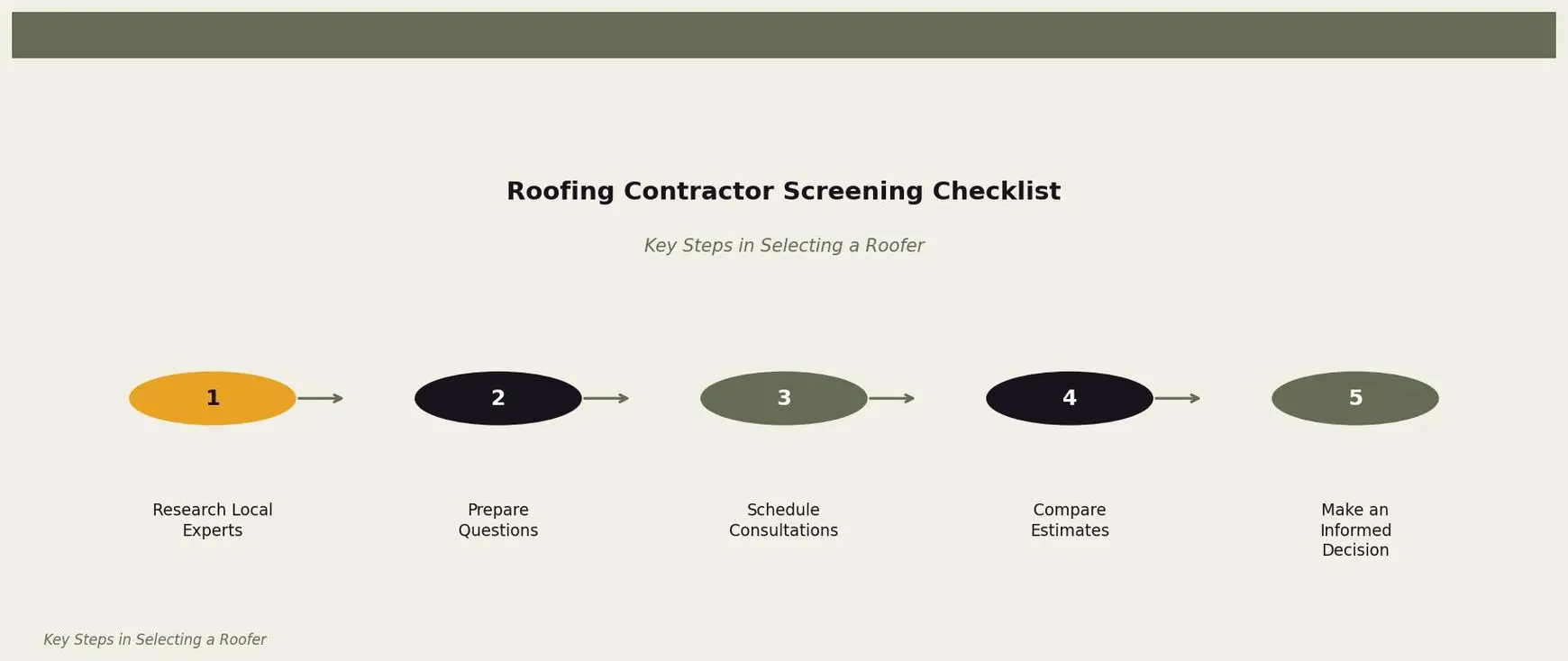
Now that you know what to ask, here’s how to actually use this information:
- Make a short list. Look for local contractors with established reputations. Skip anyone who showed up at your door unsolicited after a storm—that’s a classic sign of a fly-by-night operation.
- Schedule real consultations. Not just phone calls. You want someone to look at your actual roof and give you specific feedback, not generic quotes.
- Take notes. Write down what each contractor says. You’ll be surprised how differently they answer the same questions.
- Get at least three estimates. The NRCA recommends this not just for price comparison, but to understand the range of what different contractors think your roof needs.
- Don’t automatically pick the cheapest. The lowest bid often means cut corners—cheaper materials, rushed work, or a crew that’s not getting paid enough to care. Quality and reliability should guide your choice.
- Trust your gut. If someone’s evasive, pushy, or makes you uncomfortable, move on. You’re going to be trusting this person with a major investment. The relationship matters.
Your Roof, Your Call
Your roof does one job: protect everything underneath it. That’s your family, your belongings, your peace of mind. Choosing the right roofer isn’t about finding the flashiest website or the slickest sales pitch. It’s about finding someone who’ll do the work right, stand behind it, and actually be there when you call.
The questions we’ve covered here aren’t meant to trip anyone up. They’re meant to reveal who actually deserves your trust. A good contractor won’t mind being asked—they’ll appreciate that you’re taking this seriously. The ones who get defensive or vague? Thank them for their time and move on.
If you're in the Twin Cities and want to start those conversations, we'd be happy to be one of the contractors you call. We're Owl Roofing—Tim, Bea, Noah, and Anya. We're based in Shoreview, we've been doing this for over 15 years combined, and we've seen every type of roof situation Minnesota can throw at a house. We're not a franchise, and we're not storm chasers passing through. We're your neighbors. We'll look at your roof, tell you exactly what it needs, and give you a straight answer to every question on this list. Give us a call at 651-977-6027 or visit owlroofing.com/. Protect Your Nest.
📍 Owl Roofing Serves the Entire Twin Cities Metro
Andover · Anoka · Apple Valley · Arden Hills · Big Lake · Blaine · Bloomington · Brooklyn Center · Brooklyn Park · Burnsville · Champlin · Chanhassen · Chaska · Columbia Heights · Coon Rapids · Cottage Grove · Crystal · deephaven · Delano · Eagan · East Bethel · Eden Prairie · Excelsior · Farmington · Forest Lake · Fridley · Golden Valley · Ham Lake · Hastings · Hopkins · Hugo · Inver Grove Heights · Lake Elmo · Lakeville · Lino Lakes · Mahtomedi · Maplewood · Mendota Heights · Minneapolis · Minnetrista · Mound · Mounds View · New Brighton · New Hope · North Oaks · North St. Paul · Oak Grove · Oakdale · Plymouth · Prior Lake · Ramsey · Richfield · Robbinsdale · Rosemount · Roseville · Saint Paul · Savage · Shakopee · Shoreview · South St. Paul · St. Louis Park · St. Michael · St. Paul · Stillwater · Vadnais Heights · Victoria · Waconia · wayzata · West St. Paul · White Bear Lake · woodbury
Licensed Minnesota roofing contractor · Free inspections · 10-year workmanship warranty · Get a free estimate →
