




 21min Read
 Posted 10.05.2025
Shingles vs Tiles: Key Differences Homeowners Should Know
Your neighbor three doors down just got a new roof. Now you’re standing in your driveway, coffee in hand, staring up at your own 20-year-old shingles and wondering if those dark patches are just shadows or something worse. Here’s a number that might make you set down that mug: the National Association of Realtors (NAR) reports that a new roof can return 107% of its cost at resale. That’s not a typo—your roof is literally the only home improvement that can pay you back more than you put in.
But before you start Googling “roofing contractors near me” at midnight, you’ve got a fundamental choice to make: shingles or tiles? It’s not as simple as picking paint colors. This decision affects how your home handles Minnesota’s brutal freeze-thaw cycles, what your insurance premiums look like, and whether you’ll be dealing with roof repairs in 15 years or coasting worry-free for half a century. The difference between getting this right and getting it wrong? Potentially tens of thousands of dollars and a whole lot of headaches. So let’s break down exactly what you need to know—no contractor jargon, no sales pitch, just the facts that actually matter for your Twin Cities home.
Why This Matters to Homeowners
Let’s be real: most of us don’t think about our roofs until something goes wrong. Maybe it’s a water stain spreading across the bedroom ceiling. Maybe it’s the insurance adjuster standing in your living room after that June hailstorm rolled through Roseville. But here’s the thing—by the time you notice a problem, the damage is already done, and your wallet is about to feel it.
Understanding the differences between asphalt vs tile roof options isn’t just about making a smart purchase. According to the Insurance Institute for Business & Home Safety (IBHS), your roof is literally your home’s first line of defense against everything Minnesota weather throws at it. And let’s be honest—Minnesota throws a lot. We’re talking about a state where January temperatures can hit -20°F, April can bring baseball-sized hail, and August thunderstorms can dump two inches of rain in an hour. Your roof has to handle all of it without flinching.
The Minnesota Department of Commerce states that the average homeowner spends about $2,000 annually on home maintenance, with a significant portion going to roof repairs due to weather-related damage. That’s $2,000 every single year. Over a decade, you’re looking at $20,000 just in maintenance—enough for a nice family vacation or a chunk of your kid’s college fund. The right roofing material can slash those numbers dramatically. The wrong one? It can turn your home into a money pit.
And then there’s the curb appeal factor. Drive through any neighborhood in Shoreview, Maplewood, or Eagan, and you’ll notice something: the homes that catch your eye almost always have roofs that complement their architecture. The National Association of Realtors highlights that a roof contributes up to 40% of a home’s visual exterior. Forty percent! That means your roof might be doing more for (or against) your home’s appearance than your landscaping, paint color, and front door combined.
So whether you’re planning to sell in two years or stay in your forever home for the next three decades, this decision matters. It matters for your safety, your budget, and the way your home looks from the street. Let’s dig into the details so you can make a choice you won’t regret.
Understanding Your Options: What Are Roof Shingles?
The Basics of Shingle Roofing
Walk through any Twin Cities neighborhood—Shoreview, Blaine, White Bear Lake, wherever—and you’ll see shingle roofs everywhere. That’s not by accident. Roof shingles are individual overlapping elements that cover a roof, commonly made from materials like asphalt, wood, slate, or metal. But when most people say “shingles,” they’re talking about asphalt, and for good reason: according to the Asphalt Roofing Manufacturers Association (ARMA), asphalt shingles cover about 75% of single-family homes in the United States.
Why the dominance? Three words: affordable, available, and adaptable. Asphalt shingles work on virtually any roof pitch, come in dozens of colors and styles, and can be installed by just about any qualified roofing crew. They’re the Toyota Camry of roofing materials—maybe not the flashiest option, but reliable, practical, and everywhere for a reason.
Types of Asphalt Shingles
Not all asphalt shingles are created equal, and understanding the differences can save you from making a costly mistake. There are two main categories: organic and fiberglass. Organic shingles use paper mats soaked in asphalt, while fiberglass shingles use fiberglass mats coated with asphalt. According to the NRCA, fiberglass shingles have become the more popular choice due to their superior durability, fire resistance, and moisture resistance.
Within the fiberglass category, you’ve got three tiers to consider:
- 3-Tab Shingles: The budget-friendly option. They’re flat, uniform, and get the job done, but they’re thinner and don’t last as long. Think of them as the starter option—fine for a rental property or if you’re planning to sell soon, but not ideal for your forever home.
- Architectural (Dimensional) Shingles: The sweet spot for most homeowners. They’re thicker, more durable, and have a layered look that mimics the appearance of wood shake or slate. Most Twin Cities homes built or re-roofed in the last 15 years have architectural shingles.
- Premium (Designer) Shingles: The top tier. These offer the most realistic textures, the best warranties, and the longest lifespans. They cost more upfront but can last 30+ years with proper maintenance.
For Minnesota specifically, you’ll also want to look for shingles rated for impact resistance. After watching golf-ball-sized hail pummel your car, you’ll be grateful your roof has a Class 4 impact rating. Many insurance companies in the Twin Cities offer premium discounts for impact-resistant roofing—sometimes as much as 25% off your annual premium. That discount can add up to thousands over the life of your roof.
What Are Roof Tiles?
Now let’s talk about the less common but increasingly popular option: roof tiles. When most people picture tile roofs, they think of Mediterranean villas or Spanish haciendas—terra cotta curves baking under the Tuscan sun. But tile roofing has come a long way, and modern options can complement everything from traditional colonials to contemporary designs.
Roof tiles are made from materials such as clay, concrete, or slate. They’ve been used for centuries—literally thousands of years in some parts of the world—valued for their durability, classic aesthetic, and ability to withstand extreme weather conditions. While less common in Minnesota than in warmer climates, tile roofs are becoming more popular among homeowners looking for longevity and distinctive style.
Types of Roof Tiles
Each tile material brings something different to the table:
- Clay Tiles: The classic choice. Clay tiles offer that unmistakable traditional aesthetic and are highly resistant to fading, rot, and fire. They’re made from natural clay that’s molded and kiln-fired, creating an incredibly durable product that can last over a century. The downside? They’re heavy and can be brittle, which matters when Minnesota ice storms send tree branches crashing down.
- Concrete Tiles: The practical alternative. Concrete tiles are more cost-effective than clay while still providing excellent durability. They can be molded to mimic the appearance of clay, wood shake, or slate, giving you aesthetic flexibility without the premium price tag. They’re also slightly more impact-resistant than clay, which is worth considering in our hail-prone region.
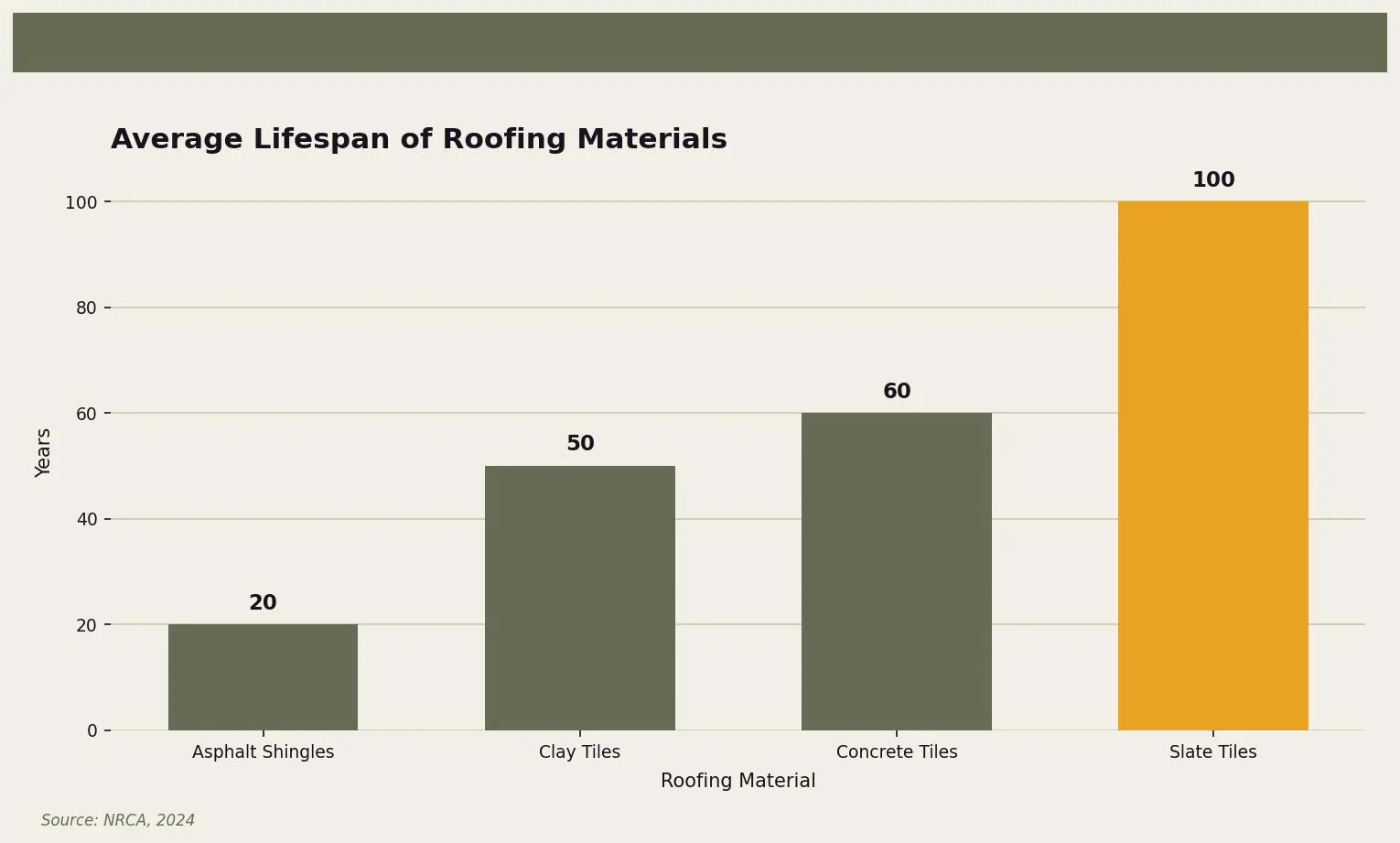
- Slate Tiles: The luxury option. Natural slate offers an unmatched elegance and is among the most durable roofing materials on the planet—we’re talking 100+ year lifespans. However, slate is extremely heavy, very expensive, and requires specialized installation expertise. It’s stunning, but it’s definitely not for everyone or every budget.
The Head-to-Head Comparison: Details That Matter
Durability and Lifespan
Here’s where the rubber meets the road—or rather, where the shingle meets the Minnesota winter. When comparing the durability of asphalt vs tile roof options, tiles typically take the lead by a significant margin. According to the Census Bureau, the average lifespan of asphalt shingles ranges from 15 to 30 years, depending on the quality and environmental factors. That’s a pretty wide range, and here in Minnesota, environmental factors work against longevity.
In contrast, clay and concrete tiles can last 50 to 100 years—we’re talking about a roof that might outlive you. Slate tiles can push past the century mark entirely. This isn’t marketing fluff; it’s verified by decades of real-world performance data.
But lifespan numbers only tell part of the story. You also need to consider what “durability” means in practical terms. Asphalt shingles can handle a lot, but they’re susceptible to several Minnesota-specific threats:
- Ice Dams: When heat escapes through your attic, it melts snow on your roof, which refreezes at the eaves and creates ice dams. These can lift shingles and allow water to seep underneath. Tile roofs, with their interlocking design, are more resistant to this type of damage.
- Hail Damage: Minnesota averages about three significant hail events per year, according to NOAA data. While impact-rated shingles help, even the best asphalt can be damaged by large hail. Concrete and clay tiles are more resistant, though they can crack under extreme impacts.
- Wind Uplift: Our spring and summer storms can bring 60+ mph winds. Shingles can be lifted and torn off; tiles, being heavier, generally stay put better. However, if a tile does come loose, it becomes a dangerous projectile.
Cost Considerations: The Full Picture
Let’s talk money, because that’s usually where the shingles vs tiles debate gets real. Asphalt shingles are generally more affordable, with average installation costs ranging from $5,000 to $8,000 for a typical home, based on data from the National Roofing Contractors Association (NRCA). That’s for a standard architectural shingle job on a straightforward roof. Add complexity—multiple levels, steep pitches, lots of valleys—and you’re looking at the higher end of that range or beyond.
Tile roofing cost can be substantially higher, often running between $10,000 and $25,000, depending on the material and complexity of the installation. Concrete tiles sit at the lower end of that range, clay in the middle, and slate at the top (sometimes well beyond $25,000 for larger homes).
But here’s what those upfront numbers don’t tell you: the total cost of ownership over time. Let’s do some quick math for a typical Shoreview home:
Scenario A: Asphalt Shingles
- Initial cost: $7,000
- Expected lifespan: 20 years
- One mid-life repair: $1,500
- Cost per year: $425
Scenario B: Concrete Tiles
- Initial cost: $15,000
- Expected lifespan: 60 years
- Minimal repairs: $500
- Cost per year: $258
Suddenly that expensive tile roof doesn’t look so expensive, does it? Of course, this calculation assumes you’ll be in your home long enough to realize those savings. If you’re planning to move in five years, the upfront cost matters more than the long-term math.
There’s another cost factor that often gets overlooked: structural requirements. Tiles are heavy—really heavy. A square (100 square feet) of asphalt shingles weighs about 250-350 pounds. The same area in concrete tiles? 900-1,200 pounds. Clay can be even heavier. Many Minnesota homes, especially those built before the 1990s, weren’t designed with that kind of load in mind. If your home needs structural reinforcement before tiles can be installed, you could be adding $5,000-$15,000 to the project cost.
Environmental Impact
If sustainability matters to you—and for many Twin Cities homeowners it does—this comparison gets interesting. From an environmental standpoint, roof tiles have an edge due to their natural composition and longevity. Clay and concrete tiles are made from natural materials and require less frequent replacement than asphalt shingles, reducing waste and the energy costs associated with manufacturing and installation.
The math is simple: a roof that lasts 60 years means one-third the manufacturing, transportation, and disposal compared to a roof that lasts 20 years. That’s a significant carbon footprint reduction over time.
However, asphalt shingles have made strides in sustainability. Many manufacturers now offer recyclable products—old shingles can be ground up and used in road paving. The industry has also focused on reducing the carbon footprint of production. And because asphalt shingles are lighter, they require less fuel to transport, which offsets some of their environmental disadvantages.
One more factor to consider: energy efficiency. Tile roofs, particularly those with air gaps beneath them, provide natural insulation that can reduce heating and cooling costs. Some studies suggest energy savings of 10-20% compared to asphalt shingles. In Minnesota, where we’re running furnaces for six months and air conditioners for three, those savings add up.
Minnesota/Twin Cities Specific Considerations
We’ve touched on Minnesota weather throughout this article, but let’s get specific—because what works in Phoenix or Portland might be a disaster in Plymouth.
The climate in Minnesota, characterized by frigid winters and humid summers, presents unique challenges for roofing materials. We’re talking about temperature swings of 100+ degrees between January lows and July highs. That kind of thermal cycling causes materials to expand and contract repeatedly, which accelerates wear and tear.
Asphalt shingles can become brittle in cold weather, increasing the likelihood of damage during winter storms. According to the IBHS, asphalt shingles can lose granules due to freeze-thaw cycles, reducing their effectiveness over time. Those granules are what protect the asphalt from UV damage, so once they start going, deterioration accelerates. If you’ve ever noticed black sandy stuff in your gutters, that’s your shingles slowly shedding their protective layer.
On the other hand, tile roofs, particularly those made from clay or concrete, are highly resistant to temperature fluctuations. Their heavy weight helps them withstand strong winds and heavy snow loads common in the Twin Cities area. A properly installed tile roof can handle 40+ pounds per square foot of snow load—enough for even our worst winters.
However, that additional weight can necessitate structural reinforcements, which should be considered when budgeting for a tile roof installation. Before you fall in love with the idea of Spanish tiles on your Maplewood colonial, have a structural engineer assess whether your home can handle the weight. This typically costs $300-$500 and can save you from a very expensive surprise mid-project.
It’s also worth noting local building codes and regulations. According to the Minnesota Department of Labor and Industry, roofing materials must adhere to specific standards to ensure safety and durability. These codes cover everything from fire ratings to wind resistance to ice dam prevention. Any reputable local contractor will know these codes inside and out—if they seem unfamiliar with Minnesota-specific requirements, that’s a red flag.
One more local consideration: your HOA. Many Twin Cities neighborhoods, especially newer developments in suburbs like Woodbury, Lakeville, and Eden Prairie, have homeowner associations with strict rules about roofing materials, colors, and styles. Before making any decisions, check your HOA guidelines. Nothing derails a roofing project faster than getting halfway through and receiving a cease-and-desist letter.
Common Mistakes and Misconceptions Homeowners Make
After years of talking to Twin Cities homeowners about their roofs, certain myths and mistakes come up again and again. Let’s bust a few:
Misconception #1: “A roof is a roof—they’re all basically the same.”
Nope. This is like saying all cars are the same because they all have four wheels. The performance difference between a budget 3-tab shingle and a premium architectural shingle is enormous. The difference between asphalt and tile is even bigger. Materials matter, installation quality matters, and choosing the right product for your specific situation matters most of all.
Misconception #2: “The cheapest bid is the best deal.”
This might be the most expensive mistake homeowners make. That lowball quote? It often means the contractor is cutting corners somewhere—inferior materials, skipping proper underlayment, rushing the job, or using inexperienced labor. A roof installed poorly will fail faster, leak sooner, and cost you far more in repairs than you “saved” upfront. Get multiple quotes, but pay more attention to what’s included than what the bottom line says.
Misconception #3: “I don’t need to worry about my roof until there’s a problem.”
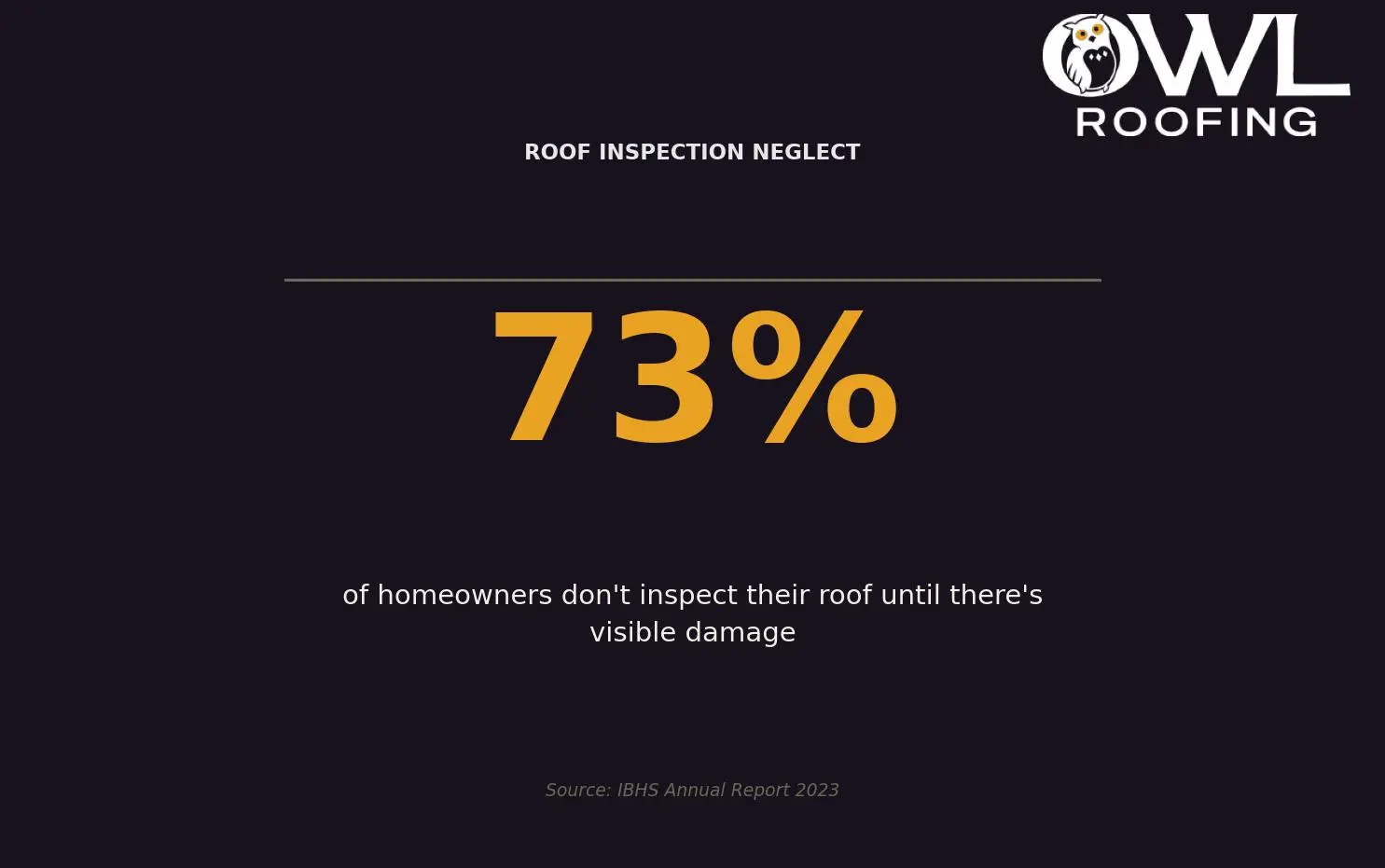
The IBHS reports that 73% of homeowners don’t inspect their roof until there’s visible damage. By then, you’re in reactive mode, often making rushed decisions during emergencies. Regular inspections—ideally twice a year, spring and fall—can catch small problems before they become expensive disasters. A cracked shingle is a $50 fix. The water damage it causes over two years of neglect? That’s a $5,000 problem.
Misconception #4: “Tile roofs can’t work in Minnesota.”
This one has some historical truth—early tile installations in cold climates often failed because installers didn’t account for ice and moisture. But modern installation techniques, proper underlayment, and freeze-resistant tile formulations have solved most of these issues. Tile roofs can absolutely work in Minnesota, but they need to be installed by someone who understands our climate. Don’t hire a contractor whose only tile experience is in Arizona.
Misconception #5: “I should wait until spring to deal with roof problems.”
Waiting can turn a minor issue into a major one. If you notice missing shingles, leaks, or damage in October, don’t tell yourself you’ll “deal with it in the spring.” Minnesota winters are brutal on compromised roofs. Water gets into cracks, freezes, expands, and causes exponentially more damage. Many reputable roofing companies do repairs year-round—cold weather work is possible and often necessary.
Step-by-Step Action Plan for Homeowners
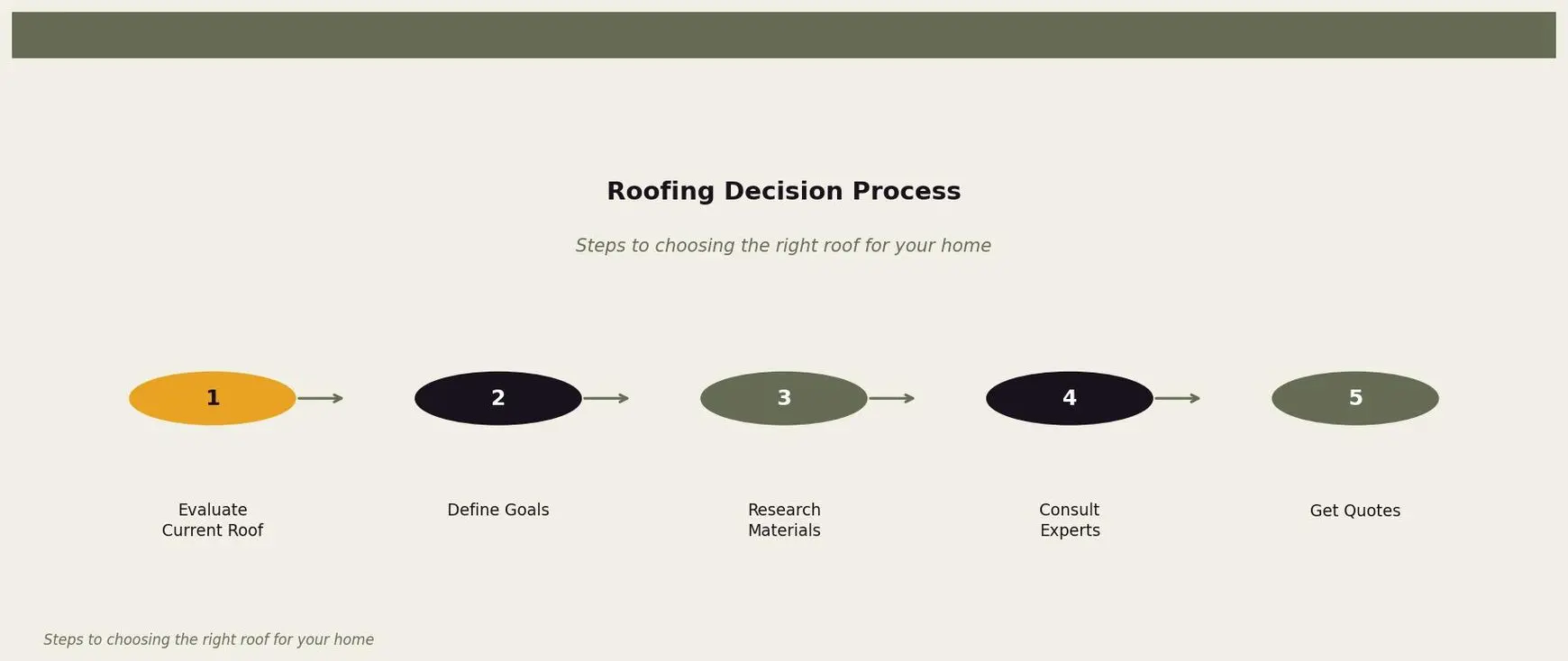
Ready to move forward? Here’s a practical roadmap to guide you from “maybe I need a new roof” to “project complete”:
- Step 1: Evaluate Your Current Roof — Grab binoculars (or carefully use a ladder) and look for warning signs: missing or curling shingles, dark patches, moss or algae growth, granules in your gutters, or visible wear around vents and chimneys. Inside, check your attic for daylight coming through, water stains, or sagging decking. Document everything with photos.
- Step 2: Define Your Goals and Timeline — Are you reacting to damage, or proactively upgrading before problems start? Do you plan to stay in your home for 5 years or 25? Is this about pure function, or do you also want to improve curb appeal? Your answers shape your material choices and budget priorities.
- Step 3: Research Materials Thoroughly — You’ve already started by reading this article. Continue by looking at real examples of shingles and tiles on homes in your area. Visit manufacturer websites to understand warranty terms. Talk to neighbors about their roofing experiences. The more informed you are, the better your decision will be.
- Step 4: Consult with Local Experts — Reach out to established roofing professionals in the Twin Cities—companies that have been here long enough to understand local challenges. Ask about their experience with both shingles and tiles, their familiarity with Minnesota building codes, and whether they’ll assess your roof’s structural capacity for tile if that’s what you’re considering.
- Step 5: Get Multiple Detailed Quotes — Aim for at least three quotes from different contractors. Make sure each quote includes a detailed breakdown of materials (brand, product line, warranty), labor, underlayment, flashing, and any structural work. Vague quotes like “complete roof installation: $8,500” should raise red flags. You need to know exactly what you’re paying for.
- Step 6: Check References and Verify Credentials — Ask for references from recent jobs in your area. Check online reviews but read them critically. Verify that the contractor is licensed, insured, and bonded in Minnesota. Confirm they have workers’ compensation coverage—if they don’t and someone gets hurt on your property, you could be liable.
- Step 7: Plan the Installation — Work with your chosen contractor to schedule at a time that makes sense. Spring and fall are the busiest seasons for Minnesota roofers, so summer installations often have better availability. Weather contingencies should be built into the plan—a good contractor will have a protocol for rain delays.
- Step 8: Commit to Regular Maintenance — Once your new roof is installed, don’t forget about it. Schedule inspections in April (after winter damage) and October (before winter sets in). Keep gutters clean. Trim overhanging branches. Address small issues immediately. A little ongoing attention can add years to your roof’s lifespan.
Making Your Decision: What’s Right for Your Home?
Choosing between shingles and tiles isn’t a one-size-fits-all decision. It’s about matching your specific situation—your home’s structure, your budget, your timeline, your aesthetic preferences, and your long-term plans—to the right roofing material.
If you’re looking for proven performance, reasonable cost, and plenty of style options, asphalt shingles remain an excellent choice for most Twin Cities homes. They handle our climate well when properly installed, and the range of quality levels means you can find a product that fits almost any budget.
If you’re building your forever home, prioritize longevity, and have the budget for the upfront investment, tile roofing offers unmatched durability and distinctive beauty. Just make sure your home can handle the weight and that your installer knows cold-climate techniques.
Either way, the key is making an informed decision rather than a rushed one. Take your time, do your homework, and work with people who know what they’re doing.
Ready to Protect Your Home?
Here’s the thing about roofing decisions: they feel overwhelming until you find someone you trust to guide you through the process. That’s exactly what we do at Owl Roofing. We’re not a national franchise with a 1-800 number and a call center three states away. We’re Tim, Bea, Noah, and Anya—neighbors right here in Shoreview who’ve been helping Twin Cities homeowners protect their homes for over 15 years combined.
When it comes to shingles vs tiles, we’ve seen it all. We’ve replaced 30-year-old shingle roofs that held up beautifully and 10-year-old
📍 Owl Roofing Serves the Entire Twin Cities Metro
Andover · Anoka · Apple Valley · Arden Hills · Big Lake · Blaine · Bloomington · Brooklyn Center · Brooklyn Park · Burnsville · Champlin · Chanhassen · Chaska · Columbia Heights · Coon Rapids · Cottage Grove · Crystal · deephaven · Delano · Eagan · East Bethel · Eden Prairie · Excelsior · Farmington · Forest Lake · Fridley · Golden Valley · Ham Lake · Hastings · Hopkins · Hugo · Inver Grove Heights · Lake Elmo · Lakeville · Lino Lakes · Mahtomedi · Maplewood · Mendota Heights · Minneapolis · Minnetrista · Mound · Mounds View · New Brighton · New Hope · North Oaks · North St. Paul · Oak Grove · Oakdale · Plymouth · Prior Lake · Ramsey · Richfield · Robbinsdale · Rosemount · Roseville · Saint Paul · Savage · Shakopee · Shoreview · South St. Paul · St. Louis Park · St. Michael · St. Paul · Stillwater · Vadnais Heights · Victoria · Waconia · wayzata · West St. Paul · White Bear Lake · woodbury
Licensed Minnesota roofing contractor · Free inspections · 10-year workmanship warranty · Get a free estimate →
