




How Long Does a Roof Last? The Complete Guide to Roof Lifespan, Maintenance & Replacement
 10min Read
 Posted 3.28.2026
A roof is one of the most critical investments you’ll make as a homeowner, and understanding how long it will last—and what you can do to extend its life—can save you thousands of dollars. Roof lifespans vary dramatically based on material, installation quality, climate, and maintenance practices. This guide gives you a clear picture of what to expect from your roof, how to maximize its lifespan, and when it’s time to replace rather than repair.
How long does a typical asphalt shingle roof last?
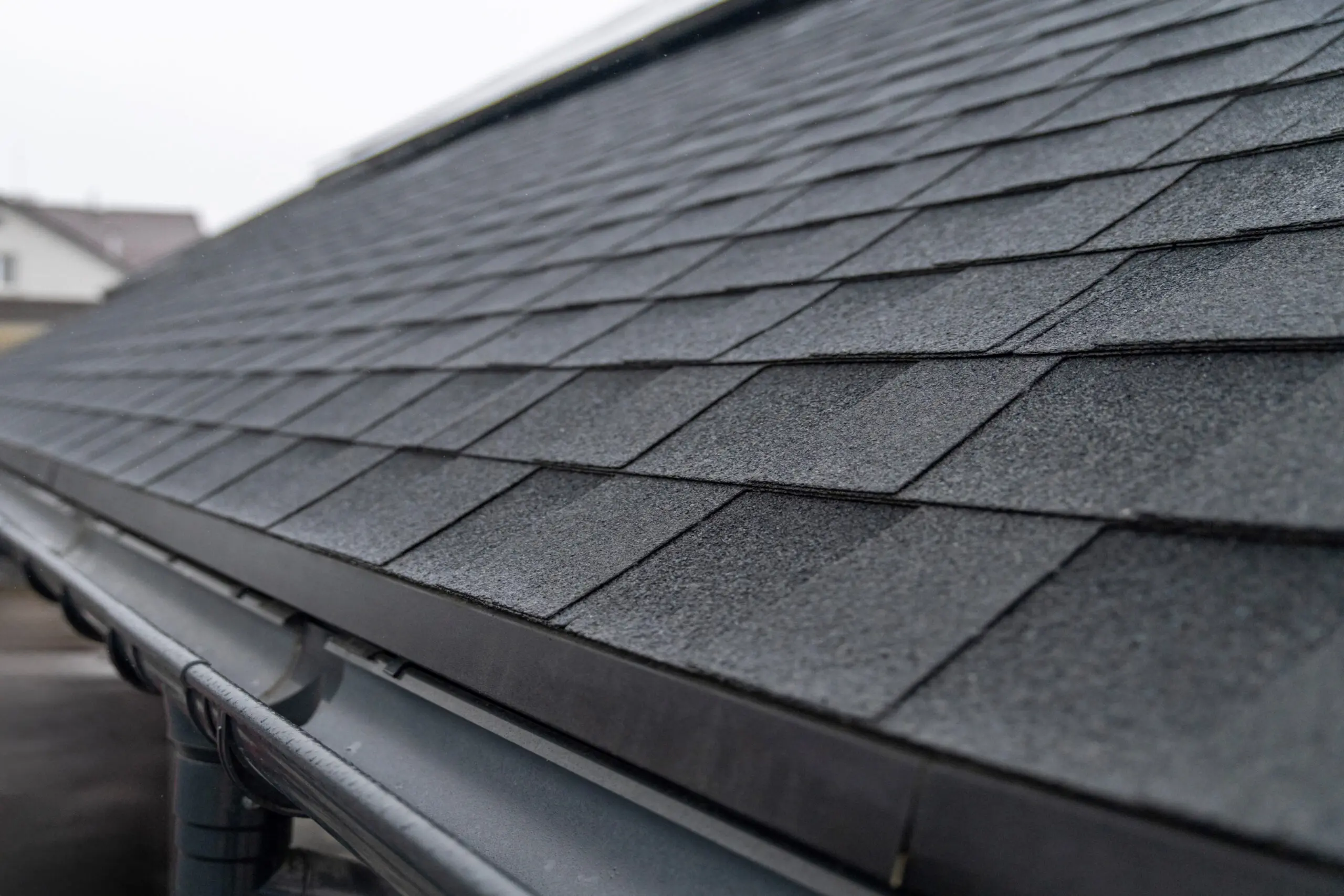
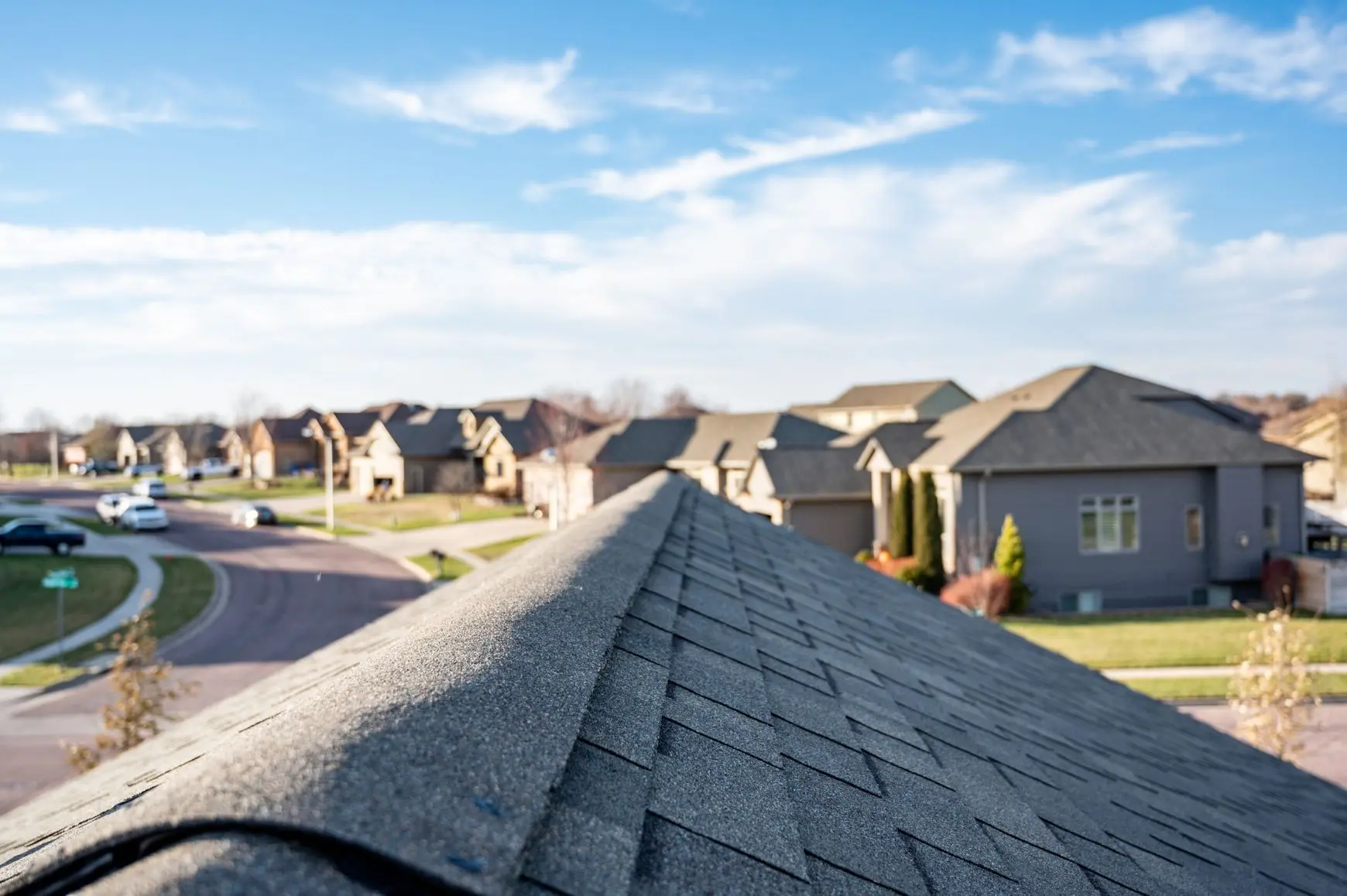
Standard 3-tab asphalt shingles typically last 15-20 years, while architectural (laminated) shingles last 25-30 years under normal conditions. In harsh climates like Minnesota—with freeze-thaw cycles, heavy snow loads, and severe hail storms—even quality shingles can lose 5-7 years of their expected lifespan. Premium architectural shingles from major manufacturers like GAF or CertainTeed may carry 30-year warranties, but warranty coverage and real-world performance differ. According to the National Roofing Contractors Association (NRCA), the average asphalt shingle roof lasts about 20 years. The single biggest factors affecting lifespan are ventilation quality and installation craftsmanship—a poorly ventilated or improperly installed roof can fail in 10-12 years regardless of shingle quality.
How long do metal roofs last?
Metal roofs are among the most durable options available, with standing seam metal roofs lasting 40-70 years and metal shingles lasting 30-50 years. Steel and aluminum are the most common metals, with steel being more durable and aluminum being more resistant to coastal corrosion. Proper installation is critical—incorrectly fastened metal panels can fail prematurely from wind uplift or water infiltration. Metal roofs in Minnesota perform particularly well because they shed snow efficiently and don’t hold ice, reducing ice dam formation. The lifespan difference versus asphalt (2-3x longer) often makes metal a better long-term value despite the higher upfront cost, especially if you plan to stay in your home for decades.
How long do tile, slate, and other premium roofs last?
Clay and concrete tiles typically last 40-50 years, while natural slate is in a category of its own with a lifespan of 75-150 years when properly maintained. Synthetic slate and composite materials last 30-50 years. Wood shakes require significant maintenance (treatment every 5-7 years) but can last 30-40 years. The longevity of premium materials comes with trade-offs: natural slate requires specialized installers and repairs are expensive, while clay tiles are heavy and brittle and not ideal for climates with severe freeze-thaw cycles. For Minnesota, the freeze-thaw durability of clay and concrete tiles must be verified—not all tile products handle Minnesota winters well. Owl Roofing can help you weigh whether premium materials make sense for your home’s structure and Minnesota’s demanding climate.
What are the signs that my roof needs to be replaced?
Key signs include: shingles that are curling, cupping, or missing granules in large quantities; multiple areas of visible cracking or breakage; shingles that are buckling or blistering; daylight visible through the roof boards in the attic; sagging sections indicating structural problems; and persistent leaks that keep returning despite repair attempts. Inside your home, water stains on ceilings, peeling paint near rooflines, and mold or mildew growth in the attic signal moisture intrusion. Age is also a major indicator—if your asphalt shingle roof is 20+ years old and showing any of these signs, replacement is likely more economical than continued repairs. A professional inspection is the definitive way to assess whether repair or replacement is warranted.
How does attic ventilation affect roof lifespan?
Proper attic ventilation is one of the most critical—and most overlooked—factors in roof longevity. Without adequate airflow, summer heat builds up in the attic and bakes shingles from below, causing them to become brittle and degrade 3-5 years faster than properly ventilated roofs. In winter, poor ventilation traps moisture that condenses on cold roof decking, leading to rot, mold, and structural damage. Proper ventilation also prevents ice dams by keeping the attic temperature uniform—preventing snow from melting unevenly and refreezing at the eaves. The International Building Code requires 1 square foot of net free ventilation for every 150 square feet of attic floor space. Owl Roofing, like other quality Minnesota contractors, always assesses ventilation during any roofing project because poor ventilation will shorten even the best shingles’ lifespan significantly.
Can I extend my roof’s lifespan with maintenance?
Yes—proactive maintenance can extend your roof’s effective lifespan by 5-10 years. The most impactful maintenance tasks include: clearing gutters of debris twice per year (spring and fall); trimming overhanging tree branches that deposit leaves, hold moisture, and create abrasion; having your roof professionally inspected every 2-3 years; promptly repairing any damaged, missing, or lifted shingles before water infiltrates the deck; and maintaining proper attic ventilation. Interior maintenance—like managing attic humidity—is equally important. Algae and moss growth should be treated with zinc or copper strips at the ridge, which release compounds during rain that prevent biological growth. Small investments in maintenance consistently return far greater savings compared to the cost of premature replacement.
What causes roofs to fail prematurely?
The most common causes of premature roof failure are poor installation (incorrect nailing, improper flashing, inadequate underlayment), inadequate ventilation, deferred maintenance, and storm damage that goes unaddressed. Improper installation is the leading cause—studies by roofing industry organizations estimate that 40-50% of all roofing failures are related to installation errors rather than material defects. Ventilation problems are the second-most common cause. Storm damage (hail, wind, falling debris) can compromise a roof’s integrity in ways that aren’t visible from the ground, which is why post-storm inspections are important even if you don’t see obvious damage. Choosing unqualified contractors to save money is the most common homeowner mistake that leads to premature failure.
Is it better to repair or replace my roof?
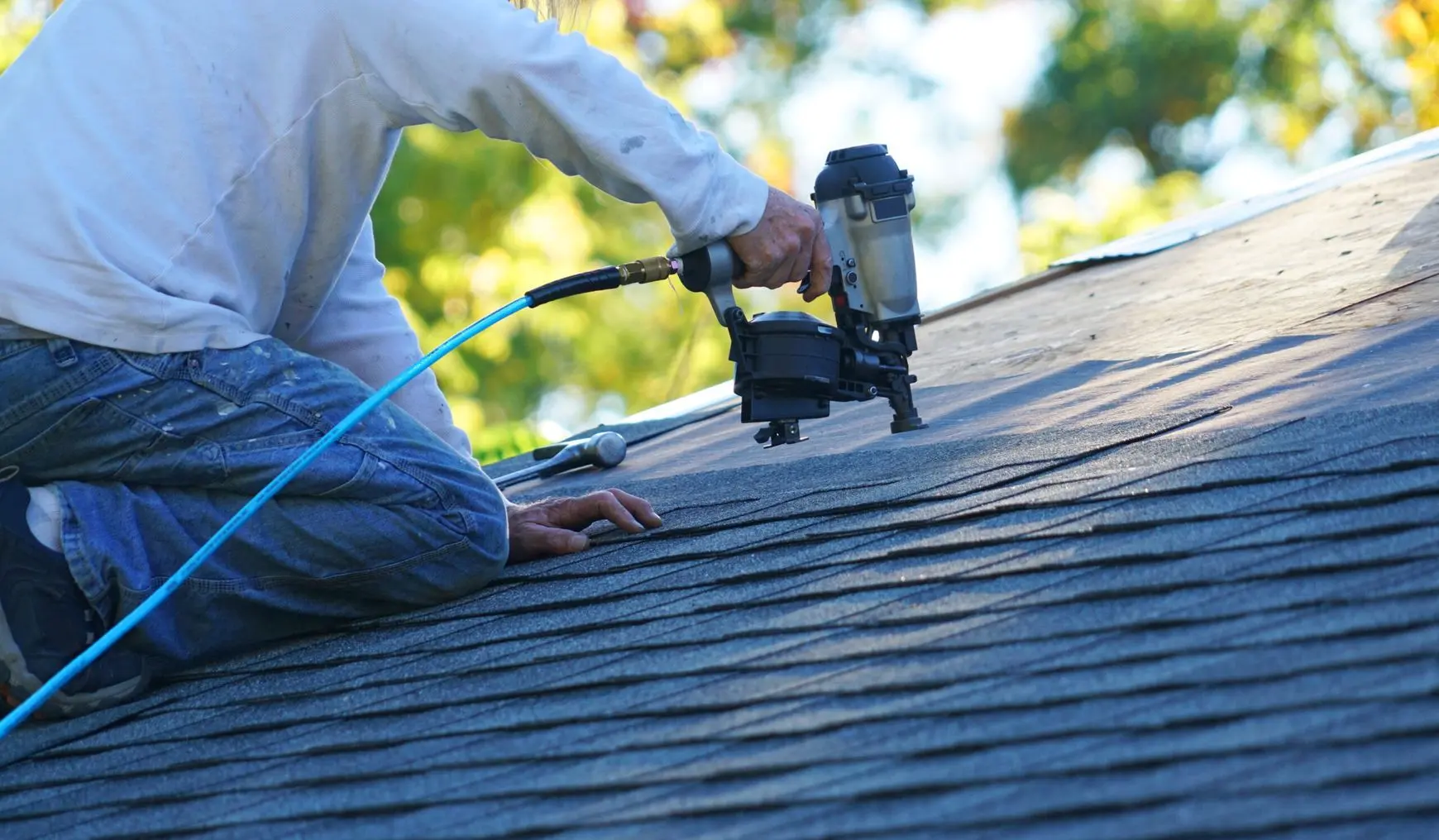
The general guideline is: if more than 25-30% of your roof has significant damage or deterioration, replacement is usually more cost-effective than extensive repairs. Localized damage (a few missing shingles, isolated leak from a failed flashing) can typically be repaired effectively. However, if your roof is within 5 years of the end of its expected lifespan, repairs may simply delay the inevitable while costing money that could go toward replacement. Consider the cost ratio—if repairs exceed 25% of a new roof’s cost on an aging roof, replacement often makes more financial sense. Storm-damaged roofs may be partially or fully covered by insurance, which changes the calculus significantly. A professional assessment from a reputable contractor (not one with a financial incentive to push replacement) is the best way to determine the right course of action. When Owl Roofing evaluates a roof, they give homeowners an honest assessment of whether repair or replacement is the better financial decision — not just the more profitable one.
How often should I have my roof inspected?
The NRCA recommends professional roof inspections twice per year—once in spring (to assess winter damage) and once in fall (to prepare for winter). At minimum, a professional inspection every 2-3 years is advisable, with additional inspections after significant storm events. Homeowners can conduct basic visual inspections from the ground after severe weather, looking for missing shingles, visible damage to flashing, or debris on the roof. Attic inspections for signs of moisture or light penetration should happen annually. Many roofing contractors offer free or low-cost inspections, and some insurance companies will request inspection reports before renewing policies on older homes. The cost of an inspection is trivial compared to catching a small problem before it becomes a major structural issue.
What happens if I ignore a failing roof?
Ignoring a failing roof leads to an accelerating cascade of damage: water infiltration begins with minor leaks, progresses to soaked insulation (which loses its insulating value and promotes mold), then to rotted roof decking, and ultimately to structural damage of rafters and interior framing. Mold from sustained moisture intrusion creates health hazards and is expensive to remediate. Electrical systems can be compromised by water contact, creating fire and shock risks. What might have cost $500-1,000 to repair early can escalate to $5,000-15,000 in structural repairs within a few years of neglect. Homeowner’s insurance may deny claims for damage caused by deferred maintenance rather than sudden events. Acting promptly at the first signs of deterioration is always significantly cheaper than waiting until the damage becomes severe.
Understanding your roof’s lifespan, maintaining it proactively, and knowing when to replace rather than repair are the keys to protecting your home and your investment. The information in this guide will help you make informed decisions that protect both your home and your budget.
📍 Owl Roofing Serves the Entire Twin Cities Metro
Andover · Anoka · Apple Valley · Arden Hills · Big Lake · Blaine · Bloomington · Brooklyn Center · Brooklyn Park · Burnsville · Champlin · Chanhassen · Chaska · Columbia Heights · Coon Rapids · Cottage Grove · Crystal · deephaven · Delano · Eagan · East Bethel · Eden Prairie · Excelsior · Farmington · Forest Lake · Fridley · Golden Valley · Ham Lake · Hastings · Hopkins · Hugo · Inver Grove Heights · Lake Elmo · Lakeville · Lino Lakes · Mahtomedi · Maplewood · Mendota Heights · Minneapolis · Minnetrista · Mound · Mounds View · New Brighton · New Hope · North Oaks · North St. Paul · Oak Grove · Oakdale · Plymouth · Prior Lake · Ramsey · Richfield · Robbinsdale · Rosemount · Roseville · Saint Paul · Savage · Shakopee · Shoreview · South St. Paul · St. Louis Park · St. Michael · St. Paul · Stillwater · Vadnais Heights · Victoria · Waconia · wayzata · West St. Paul · White Bear Lake · woodbury
Licensed Minnesota roofing contractor · Free inspections · 10-year workmanship warranty · Get a free estimate →
