


Signs Your Roof Is Too Old and Needs Replacement
 12min Read
 Posted 10.26.2025
7 Signs Your Roof Is Too Old (And What Twin Cities Homeowners Should Do About It)
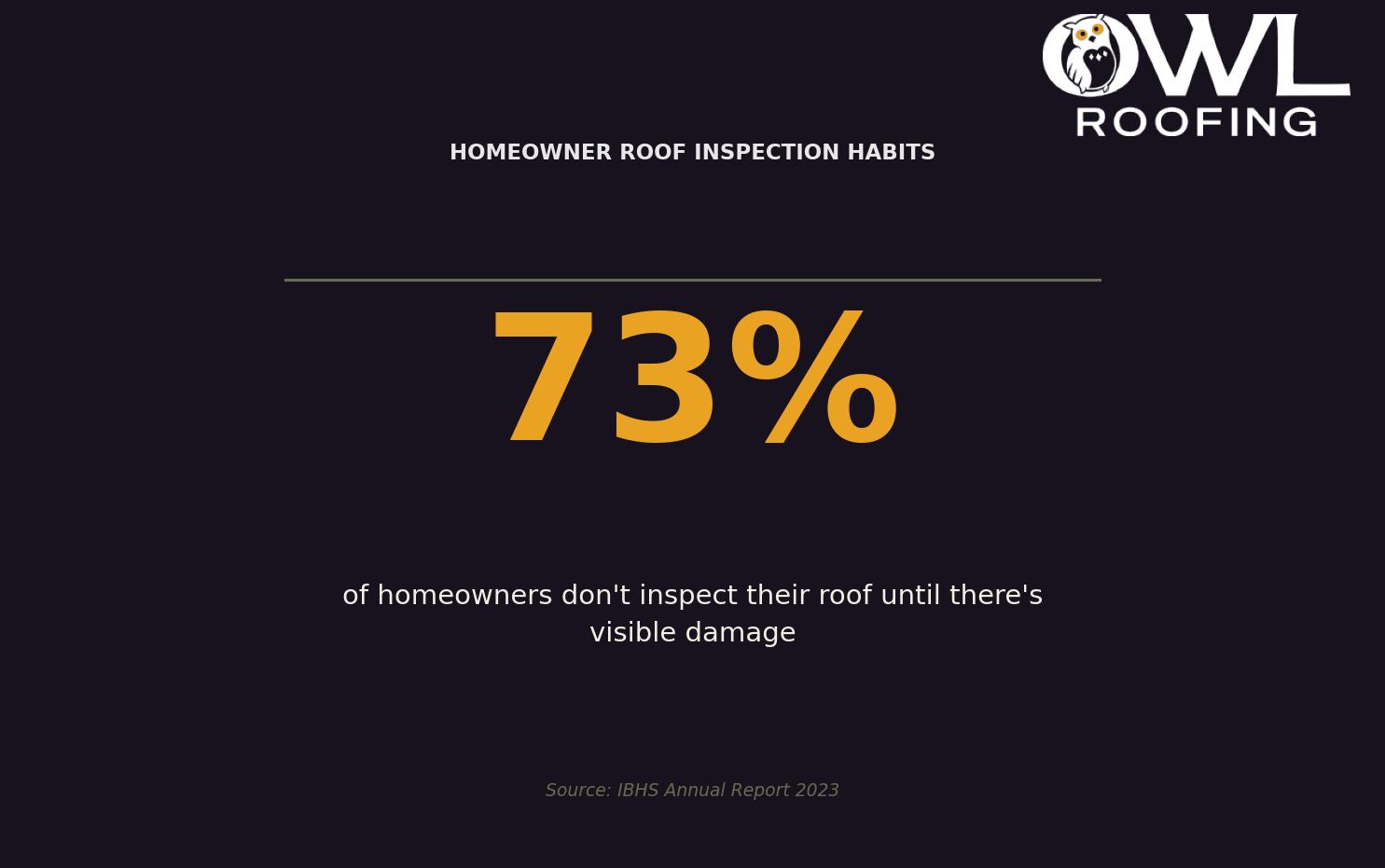
Here’s a number that should make you look up: 73% of homeowners don’t inspect their roof until something’s already leaking into their living room. If your roof was installed before your kid started kindergarten—and that kid is now driving—you might be sitting under a ticking time bomb of water damage, mold, and emergency repair bills.
The good news? Your roof usually sends warning signals before it fails completely. The trick is knowing what to look for. Let’s walk through the signs that your roof is too old, what each one actually means, and when it’s time to stop patching and start replacing.
The Big Picture: How Long Should Your Roof Actually Last?
Most asphalt shingle roofs—the kind on about 80% of homes in the Twin Cities—last between 20 and 25 years, according to the National Roofing Contractors Association (NRCA). Some premium architectural shingles can push 30 years with proper care. Metal roofs can go 40-70 years. Cedar shake? Maybe 30 years if you’re diligent about maintenance.
But here’s the catch: those are national averages. Minnesota winters don’t care about national averages.
Our freeze-thaw cycles, heavy snow loads, ice dams, and summer storms can shave years off your roof’s lifespan. A roof that might last 25 years in North Carolina could tap out at 18 here in Shoreview. So if your roof is approaching the 15-year mark, it’s time to start paying attention.
The Warning Signs: What Your Roof Is Trying to Tell You
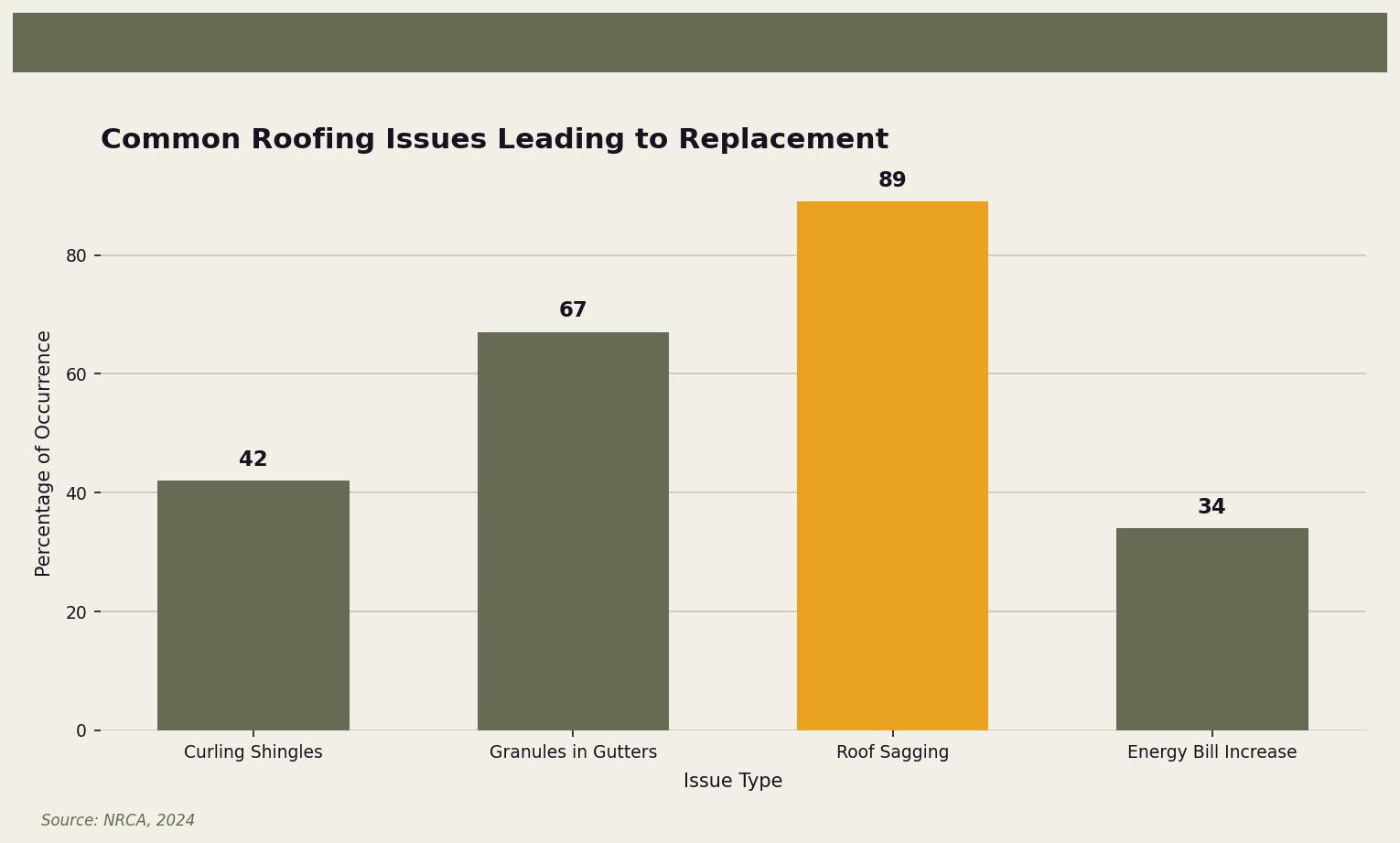
Curling, Buckling, or Missing Shingles
This is the most obvious “your roof is too old” signal—and you can often spot it from your driveway. Shingles that are curling at the edges, buckling in the middle, or just plain gone are shingles that aren’t protecting your home anymore.
Why does this happen? As asphalt shingles age, they lose the oils that keep them flexible. They become brittle, crack, and start to curl. The NRCA notes that this erosion happens naturally over time, but it accelerates with UV exposure and temperature swings. Once shingles start curling, water can work its way underneath, and that’s when the real damage begins.
A few missing shingles after a big storm? That’s a repair. Widespread curling and buckling across multiple sections? That’s your roof saying it’s done.
Granules Piling Up in Your Gutters
Those tiny, sand-like granules on your shingles aren’t just decorative. They’re the first line of defense against UV rays and weather. When you start finding piles of granules in your gutters or washed out at the bottom of your downspouts, your shingles are losing their protective coating.
Some granule loss is normal, especially on newer roofs (there’s always some loose material from manufacturing). But if your roof is 10+ years old and you’re seeing significant granule accumulation—especially after storms—that’s a red flag. The National Association of Realtors (NAR) recommends checking your gutters after major weather events to monitor granule loss over time.
Think of it like sunscreen wearing off. Once those granules are gone, the asphalt underneath deteriorates much faster.
Your Roof Is Sagging
This one’s serious. A sagging roofline isn’t just cosmetic—it’s a structural warning sign that demands immediate attention.
Sagging usually indicates one of two problems: prolonged water damage that’s rotted the decking or support structure, or the roof is simply too heavy for the structure (common with multiple re-roofing jobs layered on top of each other). The International Code Council (ICC) warns that sagging can signal underlying structural issues that only get worse—and more expensive—with time.
If you notice any dipping or waviness in your roofline, don’t wait. Get a professional inspection immediately. This isn’t a “let’s monitor it” situation.
Energy Bills Creeping Up (For No Good Reason)
Did your heating bill jump this winter even though you didn’t change anything? Your roof might be the culprit.
An aging roof loses its ability to insulate effectively. Worn shingles, deteriorating underlayment, and compromised ventilation all let conditioned air escape and outside air in. The U.S. Department of Energy estimates that proper roofing can reduce energy bills by up to 15%—which means a failing roof is basically a 15% surcharge on your utility costs every single month.
If you’ve ruled out other causes (windows, furnace issues, insulation problems in the attic), your roof might be working against your HVAC system instead of with it.
Daylight Peeking Through Your Attic
Here’s a quick diagnostic you can do yourself: go up to your attic on a sunny day, turn off any lights, and look at the underside of your roof. Do you see any pinpricks of light coming through? Those are holes. And if light can get in, so can water, cold air, and critters.
While you’re up there, check for any signs of water staining on the rafters or decking. Dark spots, streaks, or any dampness means water has already found its way in—even if you haven’t noticed leaks inside your living space yet.
Moss, Algae, or Dark Streaks
That green fuzzy stuff growing on your north-facing roof slope isn’t just ugly—it’s a problem. Moss holds moisture against your shingles, accelerating deterioration. Algae (those dark streaks) is less immediately damaging but indicates conditions that aren’t great for roof longevity.
In Minnesota’s humid summers, moss and algae growth is common, especially in shaded areas. A relatively new roof can often be cleaned and treated. But if you’re seeing significant growth on a roof that’s already 15+ years old, it’s often more cost-effective to replace than to remediate.
Your Neighbors Are All Getting New Roofs
This might sound silly, but it’s actually a solid indicator. In many Twin Cities neighborhoods, homes were built around the same time with similar materials. If three houses on your block have gotten new roofs in the past year, yours is probably on the same timeline.
It’s worth asking your neighbors why they replaced. Was it storm damage? Age? A combination? Their answers might tell you something about what’s coming for your roof.
Minnesota-Specific Challenges: Why Our Roofs Age Faster
Living in the Twin Cities means your roof works harder than roofs in most of the country. Here’s what we’re dealing with:
- Freeze-thaw cycles: The Minnesota Department of Commerce notes that our annual freeze-thaw cycles cause shingles to crack and curl prematurely. Water gets into tiny cracks, freezes, expands, and makes those cracks bigger. Repeat that 50+ times per winter, and you’ve got accelerated aging.
- Ice dams: When heat escapes through your roof and melts snow, that water refreezes at the eaves, creating ice dams that force water back up under your shingles. Even a well-built roof takes a beating from ice dams over time.
- Heavy snow loads: A foot of wet snow can put thousands of pounds of pressure on your roof. Season after season, that stress adds up.
- Severe summer storms: Hail, high winds, and driving rain can damage roofs that are already weakened by age. What a newer roof shrugs off might be the final straw for an older one.
Bottom line: if you’re using national averages to estimate your roof’s remaining lifespan, you’re probably being optimistic. Inspect early, inspect often.
The Real Cost of Waiting Too Long

We get it—roof replacement is a significant investment. It’s tempting to squeeze another year or two out of what you’ve got. But waiting too long often costs more in the long run.
Ignoring signs of an aging roof can lead to:
- Water damage: Leaks don’t just damage ceilings. Water can rot your roof decking, damage insulation, ruin drywall, and even compromise structural framing. A $15,000 roof replacement can turn into a $30,000+ repair project.
- Mold growth: Moisture intrusion creates perfect conditions for mold, which is expensive to remediate and can cause health problems for your family.
- Emergency repairs: A roof that fails during a Minnesota winter isn’t just inconvenient—it’s a crisis. Emergency repairs cost more, and you’ll have less time to choose the right contractor.
- Reduced home value: Planning to sell in the next few years? Buyers and inspectors will notice roof problems. According to the NAR, a new roof can increase your home’s resale value by an average of $12,000—and an obviously failing roof can decrease it by even more.
The Insurance Institute for Business & Home Safety (IBHS) found that most homeowners wait until there’s visible damage to address roof issues. Don’t be most homeowners. A proactive approach costs less and causes far less stress.
What to Do If You’re Seeing These Signs
If you’ve recognized any of these warning signs, here’s your action plan:
- Do a visual inspection: Walk around your home and look at your roof from the ground. Note any obvious issues: missing shingles, sagging areas, moss growth, etc.
- Check your attic: Look for daylight, water stains, or any signs of moisture intrusion.
- Review your records: When was your roof installed? What materials were used? How old is it really?
- Schedule a professional inspection: A trained eye can catch things you’ll miss and give you an honest assessment of your roof’s remaining life.
- Get multiple quotes if replacement is needed: Don’t rush into a decision. Talk to a few contractors, understand your options, and make an informed choice.
The goal isn’t to replace your roof before it’s necessary—it’s to replace it before it fails and causes bigger problems.
When Repair Makes Sense vs. When It’s Time to Replace
Not every roof issue means full replacement. Here’s a general guide:
Repair usually makes sense when:
- Your roof is less than 15 years old
- Damage is limited to a small area (less than 30% of the roof)
- The underlying structure and decking are sound
- You’re only dealing with isolated missing or damaged shingles
Replacement is usually the better choice when:
- Your roof is 20+ years old
- Multiple areas show signs of wear
- You’re seeing widespread granule loss, curling, or buckling
- There’s any sagging or structural concern
- You’ve had multiple repairs in recent years
- The cost of repair is more than 30-50% of replacement cost
A good roofing contractor will give you honest advice about which path makes the most sense for your situation—not just push you toward the most expensive option.
Ready to Find Out Where Your Roof Stands?
If this article has you wondering about the roof over your head, we’re happy to help. At Owl Roofing, we’ve inspected hundreds of roofs across the Twin Cities—from 50-year-old homes in St. Paul to newer construction in Woodbury. We’ve seen every stage of roof aging, from “you’ve got a few more years” to “how is this not leaking yet?”
We’re a family-owned company based right here in Shoreview. Tim and Bea Brown, Noah and Anya Bergland—real people, real neighbors, not a franchise or storm chasers passing through. When you call us, you get a straight answer about what your roof needs, not a sales pitch.
Give us a call at 651-977-6027 or visit owlroofing.com/ to schedule an inspection. We’ll tell you exactly what we see—and if your roof has life left in it, we’ll tell you that too.
Protect Your Nest.
📍 Owl Roofing Serves the Entire Twin Cities Metro
Andover · Anoka · Apple Valley · Arden Hills · Big Lake · Blaine · Bloomington · Brooklyn Center · Brooklyn Park · Burnsville · Champlin · Chanhassen · Chaska · Columbia Heights · Coon Rapids · Cottage Grove · Crystal · deephaven · Delano · Eagan · East Bethel · Eden Prairie · Excelsior · Farmington · Forest Lake · Fridley · Golden Valley · Ham Lake · Hastings · Hopkins · Hugo · Inver Grove Heights · Lake Elmo · Lakeville · Lino Lakes · Mahtomedi · Maplewood · Mendota Heights · Minneapolis · Minnetrista · Mound · Mounds View · New Brighton · New Hope · North Oaks · North St. Paul · Oak Grove · Oakdale · Plymouth · Prior Lake · Ramsey · Richfield · Robbinsdale · Rosemount · Roseville · Saint Paul · Savage · Shakopee · Shoreview · South St. Paul · St. Louis Park · St. Michael · St. Paul · Stillwater · Vadnais Heights · Victoria · Waconia · wayzata · West St. Paul · White Bear Lake · woodbury
Licensed Minnesota roofing contractor · Free inspections · 10-year workmanship warranty · Get a free estimate →
