




Best Time of Year to Replace a Roof
 12min Read
 Posted 11.05.2025
Best Time of Year to Replace a Roof
Here’s the short answer: early fall. That’s your window. If you’re a Twin Cities homeowner staring at a roof that’s seen better days, scheduling your replacement for September or early October could save you thousands in avoided complications—and give you a roof that actually performs the way it should through our brutal Minnesota winters.
This isn’t just our opinion. The National Roofing Contractors Association (NRCA) confirms that timing your roof replacement for the right season directly affects installation quality, material performance, and long-term durability. Get the timing wrong, and you’re looking at potential adhesion failures, weather delays, and inflated contractor costs. Get it right, and you’re setting your home up for decades of solid protection.
Let’s break down exactly why fall wins—and what happens when you try to replace your roof in spring, summer, or (heaven forbid) a Minnesota winter.
Why Timing Your Roof Replacement Actually Matters
We get it. When you’re facing a $15,000 to $30,000 investment, you want to pull the trigger when it’s convenient—not when some roofing calendar tells you to. But here’s the thing: convenience and quality don’t always overlap, and a poorly-timed roof replacement can cost you far more in the long run.
The stakes are real. According to the National Association of Realtors (NAR), a new roof can recover upwards of 107% of its cost upon resale. That’s one of the highest ROI home improvements you can make. But that number assumes your roof was installed correctly—under the right conditions, with materials that bonded properly, by a crew that wasn’t fighting the elements.
Minnesota’s climate doesn’t give homeowners much margin for error. Our freeze-thaw cycles, dramatic temperature swings, and unpredictable precipitation patterns mean that a roof installed under suboptimal conditions is a roof that’s already compromised. The adhesive strips on shingles need specific temperature ranges to seal properly. Underlayment needs dry conditions to lay flat. Flashing needs to be installed when contractors can actually feel their fingers.
Choosing the wrong season doesn’t just mean delays—it can mean a roof that starts failing years before it should.
Spring in Minnesota: Looks Good on Paper, Risky in Reality
After a long winter, spring feels like the obvious time to tackle outdoor projects. The snow is melting, the days are getting longer, and you’re ready to check “new roof” off your list. We understand the impulse completely.
But here’s what actually happens in a Minnesota spring: rain. Lots of it. Mixed with the occasional late-season snowstorm. Plus mud. Plus contractors who are simultaneously trying to catch up on every project that got delayed over winter.
According to the Insurance Institute for Business & Home Safety (IBHS), moisture interferes with the adhesion of roofing materials—particularly asphalt shingles, which rely on heat-activated adhesive strips to seal each shingle to the one below it. When those strips get wet before they seal, you’re looking at potential leaks, wind damage, and premature shingle failure.
Spring does offer longer daylight hours, which means more work can get done in a single day. That’s a genuine advantage. But the unpredictability of Minnesota’s spring weather—where you might see 70 degrees on Tuesday and a snowstorm on Thursday—creates scheduling chaos. Projects get pushed back. Crews get stretched thin. And homeowners end up waiting weeks longer than expected with tarps on their roof.
If spring is your only option, aim for late May or early June when conditions stabilize. But if you have flexibility, keep reading.
Summer: Stable Weather, Hidden Problems
Summer seems like it should be perfect for roof replacement. Consistent weather. Long days. No snow in sight. What’s not to love?
The heat, actually. And the demand.
Minnesota summers can push into the 90s, and roof surfaces run significantly hotter than air temperature. When it’s 90 degrees outside, your roof deck might be hitting 150 degrees or more. At those temperatures, asphalt shingles become overly pliable—almost soft. This creates real problems with installation accuracy. Shingles can scuff, tear, or get damaged by foot traffic that wouldn’t affect them at moderate temperatures.
The NRCA notes that extreme heat also exhausts roofing crews faster. Roofing is already one of the most physically demanding jobs out there—now add working on a surface that’s literally hot enough to cook on. Fatigue leads to mistakes. Mistakes lead to callbacks. Callbacks lead to headaches for everyone involved.
Then there’s the demand problem. Summer is peak roofing season across the country, which means contractors are booked solid, prices often climb, and scheduling flexibility disappears. If a surprise storm damages your roof in July, you might be waiting weeks to get a crew out.
Summer isn’t a bad choice—it’s certainly better than winter—but it’s not ideal either. The combination of material challenges and market pressure makes it a compromise rather than an optimization.
Fall: The Sweet Spot for Minnesota Roof Replacement
Now we’re talking. Early fall—specifically September through mid-October in the Twin Cities—offers the perfect convergence of factors for roof replacement.
Here’s what makes it work:
- Temperature range: According to NRCA guidelines, roofing materials adhere best when temperatures fall between 45 and 85 degrees Fahrenheit. That’s precisely where Minnesota sits in early fall. Shingles seal properly, underlayment lays flat, and materials behave the way they’re designed to.
- Lower precipitation risk: Compared to spring’s mud season and summer’s thunderstorm potential, early fall tends to offer more consistent dry stretches. This means fewer weather delays and better installation conditions.
- Pre-winter preparation: Replacing your roof in fall means your home goes into winter with maximum protection. New shingles, new flashing, new underlayment—all sealed and ready for whatever January throws at them.
- Contractor availability: The summer rush has tapered off, but crews haven’t winterized yet. This often means better scheduling flexibility and more attention to your specific project.
There’s also a psychological benefit we don’t talk about enough: peace of mind. Going into a Minnesota winter knowing your roof is brand new and properly installed? That’s worth something. No anxious checking after every heavy snow. No wondering if this is the year those aging shingles finally give out.
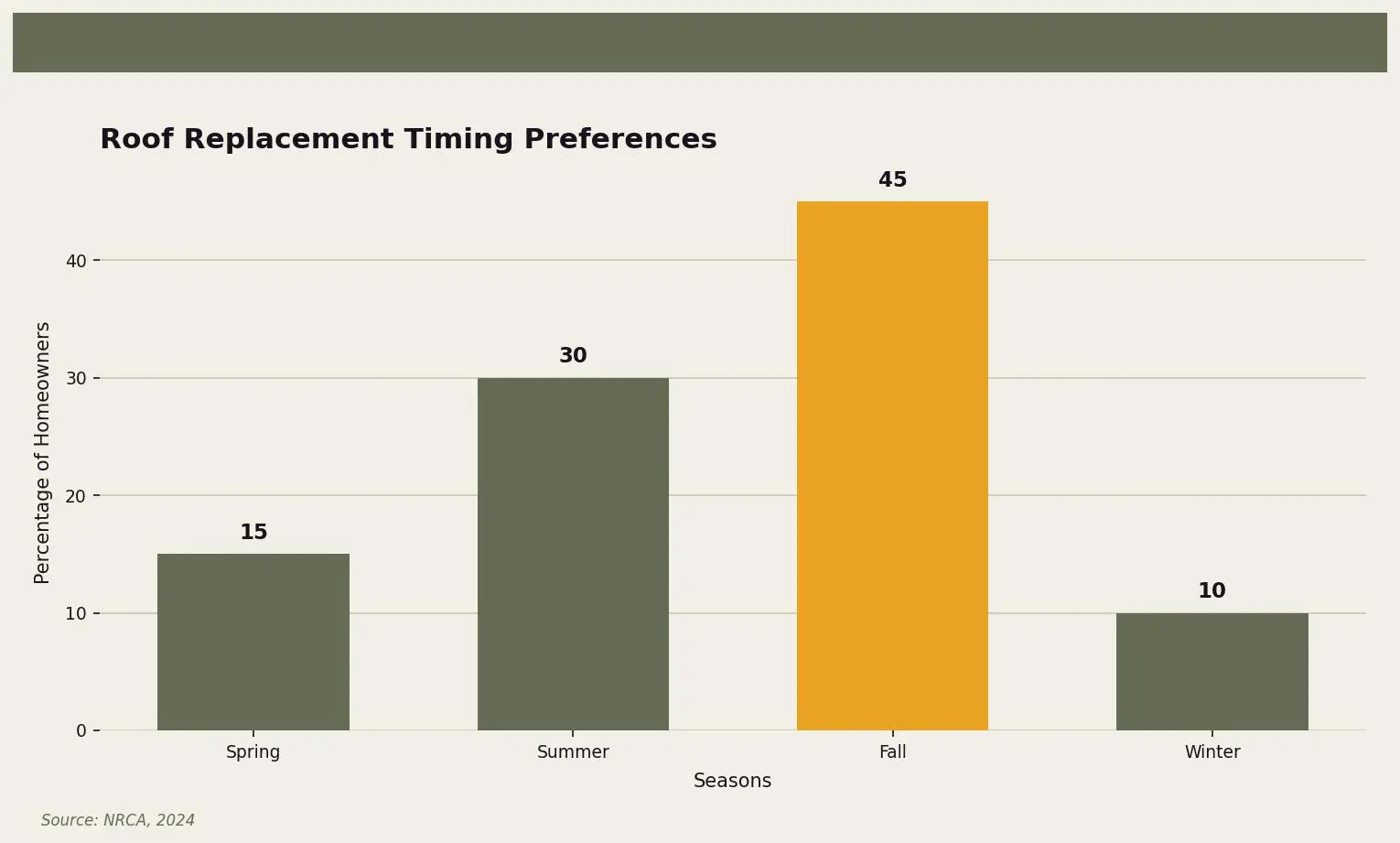
The data backs this up. According to NRCA surveys, 45% of homeowners prefer fall for roof replacement—more than any other season. Homeowners have figured out what contractors have known for years: fall just works better.
What About Winter? A Word of Caution
Let’s address the elephant in the room. Can you replace a roof in a Minnesota winter? Technically, yes. Should you? Almost certainly not—unless you’re dealing with an emergency situation where waiting isn’t an option.
Winter roof replacements face serious challenges:
- Material brittleness: Asphalt shingles become brittle in cold temperatures and can crack during installation. The adhesive strips won’t activate until spring warmth arrives, leaving shingles vulnerable to wind lift for months.
- Safety concerns: Ice, snow, and frozen surfaces create dangerous working conditions. Crews work slower, and the risk of accidents increases significantly.
- Limited daylight: Minnesota’s winter days are short. Less daylight means less work completed per day, extending project timelines and increasing costs.
- Hidden damage: Snow and ice can mask underlying roof deck damage that would be visible in other seasons. Contractors might not discover problems until they’ve already begun installation.
The U.S. Census Bureau’s climate data shows that Minnesota experiences some of the most extreme temperature variations in the country. Those freeze-thaw cycles that make our roads look like the surface of the moon? They’re doing similar things to roofing materials installed in winter conditions.
If you have an emergency—active leaks, storm damage, structural concerns—then yes, winter replacement might be necessary. But if you’re planning ahead, aim for any other season.
Your Roof Replacement Action Plan
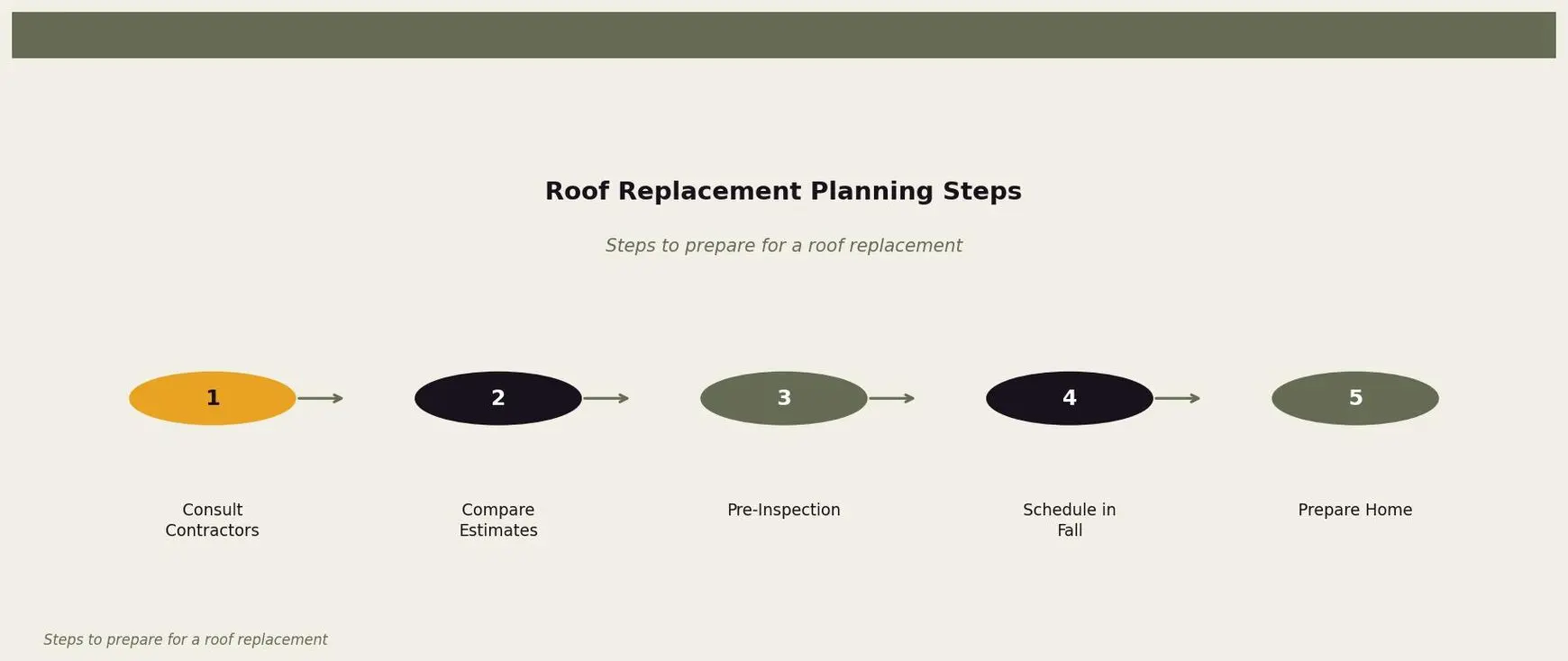
Ready to time your replacement right? Here’s exactly how to make it happen:
Step 1: Start consultations in late summer. Don’t wait until September to start calling contractors. By mid-August, reach out to two or three local roofing companies for estimates. This gives you time to compare options and ask questions without feeling rushed.
Step 2: Request a pre-replacement inspection. According to NRCA recommendations, identifying underlying issues before replacement begins prevents surprises mid-project. A good contractor will check your roof deck for rot, examine your attic ventilation, and assess flashing conditions—not just count shingles.
Step 3: Book your slot for early fall. The best contractors fill their September calendars fast. Once you’ve chosen a company, lock in your date. Mid-September through early October is ideal for the Twin Cities—you want to beat the first hard frost while still enjoying those moderate temperatures.
Step 4: Verify credentials and references. This matters more than timing. Check that your contractor is licensed, insured, and actually based in the area. Ask for references from recent projects—specifically fall installations if possible. A great schedule means nothing if the workmanship falls short.
Step 5: Prepare your home and property. Move vehicles away from the house. Clear items from your attic that might shift during work. Let your neighbors know about the project—roofing is noisy, and a heads-up goes a long way.
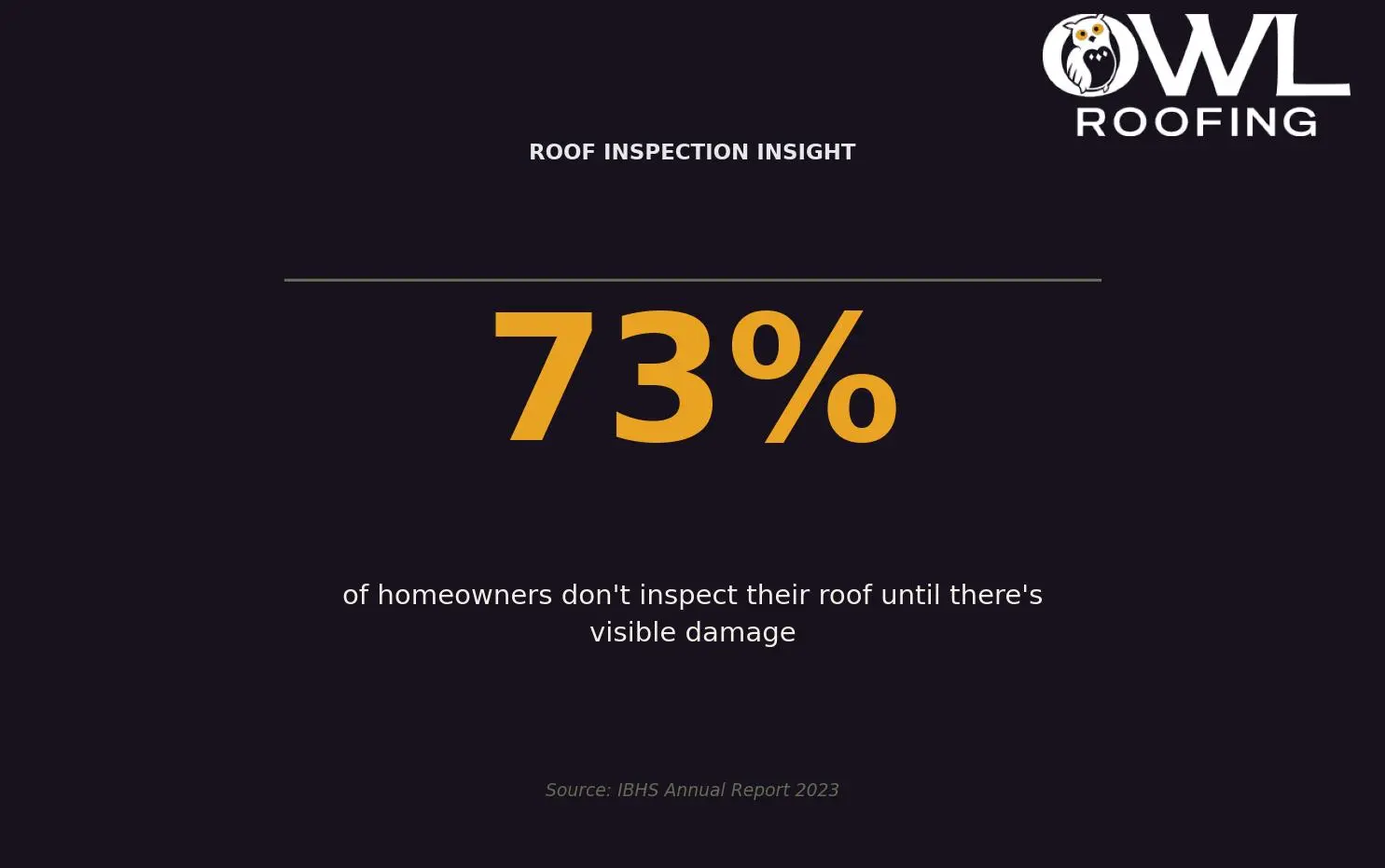
One more thing: don’t ignore your roof until there’s visible damage. According to the IBHS Annual Report, 73% of homeowners don’t inspect their roof until problems are already obvious. By then, you’ve often got water damage, mold concerns, or structural issues that turn a straightforward replacement into a major renovation. Annual inspections—even a quick visual check from ground level—can help you plan ahead rather than react in crisis mode.
Making the Right Call for Your Home
Replacing your roof is one of the biggest investments you’ll make in your home. It’s not a decision to rush—but it’s also not one to delay indefinitely. The right timing turns a stressful project into a straightforward one. It protects your investment, ensures quality installation, and sets your home up for years of reliable protection.
For Twin Cities homeowners, early fall remains the clear winner. The weather cooperates. The materials perform. The contractors have capacity. And you go into winter with confidence instead of crossed fingers.
Whatever season you choose, the most important factor is working with a contractor who understands Minnesota’s specific challenges—someone who won’t push you into a bad timeline just to fill their schedule, and who knows how to work with our climate rather than against it.
Talk to Your Neighbors at Owl Roofing
If you’re thinking about a roof replacement and want to get the timing right, we’d love to help. Owl Roofing is family-owned and based right here in Shoreview—Tim and Bea Brown, Noah and Anya Bergland, with over 15 years of combined experience working on Twin Cities homes. We’re not a franchise. We’re not storm chasers passing through. We’re your neighbors, and we’ve seen how Minnesota weather treats roofs of every age and condition.
We’ll take a look at your roof, tell you exactly what it needs, and help you figure out the best timing for your situation—whether that’s this fall or next year. No pressure, no complicated sales pitch. Just honest answers from people who actually live here.
Give us a call at 651-977-6027 or visit owlroofing.com/ to schedule a free inspection. We serve the entire Twin Cities area and we’re always happy to talk roofs.
Protect Your Nest.
📍 Owl Roofing Serves the Entire Twin Cities Metro
Andover · Anoka · Apple Valley · Arden Hills · Big Lake · Blaine · Bloomington · Brooklyn Center · Brooklyn Park · Burnsville · Champlin · Chanhassen · Chaska · Columbia Heights · Coon Rapids · Cottage Grove · Crystal · deephaven · Delano · Eagan · East Bethel · Eden Prairie · Excelsior · Farmington · Forest Lake · Fridley · Golden Valley · Ham Lake · Hastings · Hopkins · Hugo · Inver Grove Heights · Lake Elmo · Lakeville · Lino Lakes · Mahtomedi · Maplewood · Mendota Heights · Minneapolis · Minnetrista · Mound · Mounds View · New Brighton · New Hope · North Oaks · North St. Paul · Oak Grove · Oakdale · Plymouth · Prior Lake · Ramsey · Richfield · Robbinsdale · Rosemount · Roseville · Saint Paul · Savage · Shakopee · Shoreview · South St. Paul · St. Louis Park · St. Michael · St. Paul · Stillwater · Vadnais Heights · Victoria · Waconia · wayzata · West St. Paul · White Bear Lake · woodbury
Licensed Minnesota roofing contractor · Free inspections · 10-year workmanship warranty · Get a free estimate →
