


How to Prevent Roof Leaks Before They Start
 14min Read
 Posted 12.22.2025
How to Prevent Roof Leaks Before They Start
That dark stain spreading across your ceiling? It’s not just water damage — it’s money dripping through your house. In the Twin Cities, where we bounce between blizzards and thunderstorms like it’s a sport, roof leaks aren’t a matter of “if” but “when” — unless you get ahead of them first.
Here’s the thing: you don’t have to wait for the drip-drip-drip to start. Most roof leaks are completely preventable. The homeowners who never deal with emergency calls to roofers or panicked bucket-placing at 2 AM? They’re not lucky — they’re prepared. And you can be too.
This guide will walk you through exactly what causes roof leaks in Minnesota homes, how to spot trouble before it finds you, and the simple maintenance steps that keep your roof (and your sanity) intact. Let’s make sure that coffee-and-ceiling-stain scenario stays in your imagination where it belongs.
Why Preventing Roof Leaks Should Be at the Top of Your Home Maintenance List
We get it — roof maintenance isn’t exactly the most thrilling weekend activity. But here’s what makes it worth your attention: roof leaks are the leading cause of water damage in homes, according to the Insurance Institute for Business & Home Safety (IBHS). And we’re not talking about minor inconveniences.
The average water damage claim exceeds $10,000. That’s a family vacation. A kitchen renovation. A really nice used car. All gone because of something that probably started as a tiny gap you couldn’t even see from the ground.
But here’s the flip side — and it’s a good one. The National Roofing Contractors Association (NRCA) reports that regular maintenance can extend your roof’s lifespan by up to 50%. Think about that. If your roof was supposed to last 20 years, proper care could push it to 30. That’s a decade of not writing a check for a full roof replacement.
For Twin Cities homeowners specifically, this matters even more. Our weather doesn’t just test roofs — it interrogates them. We get the ice and snow loads of the north, the thunderstorms of the midwest, and temperature swings that make roofing materials expand and contract like they’re doing yoga. Your roof works harder here than in most places. It deserves a little attention in return.
What Actually Causes Roof Leaks in Minnesota
Before you can prevent roof leaks, you need to understand what you’re up against. Not all leaks are created equal, and knowing the culprits helps you fight back smarter.
The Weather’s Greatest Hits (Against Your Roof)
Living in Minnesota means your roof faces a full playlist of weather challenges, and none of them are gentle.
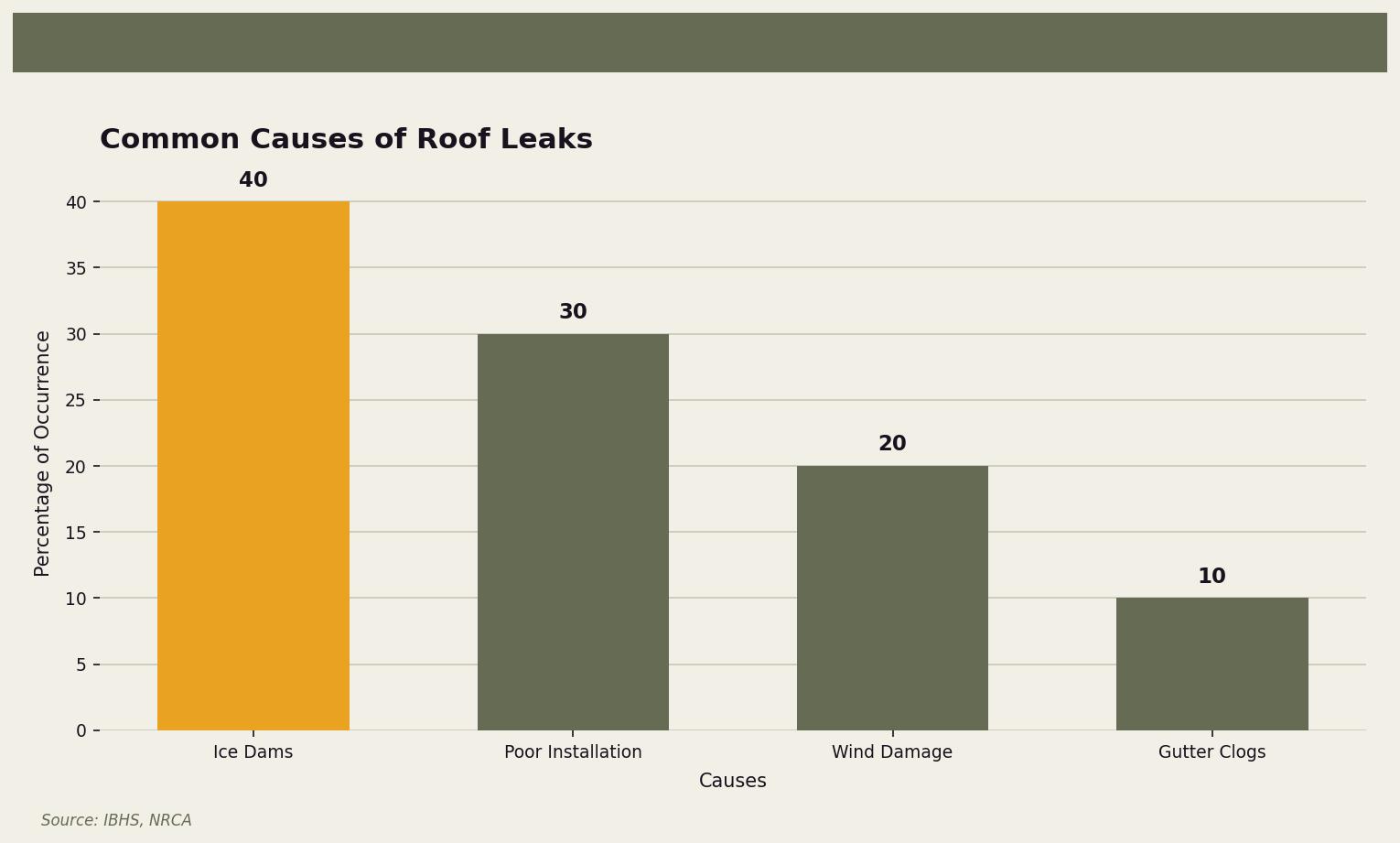
Ice dams are the headliners. The IBHS identifies them as a major contributor to roof leaks in cold climates, and for good reason. Here’s how they work: heat escapes from your attic, melting snow on your roof. That water runs down to the eaves — the coldest part — and refreezes. Over time, this creates a dam of ice that blocks drainage. When more snow melts, the water has nowhere to go except under your shingles and into your home. It’s slow, sneaky, and destructive.
Heavy snow loads add physical stress to your roof’s structure. A cubic foot of packed snow can weigh 20 pounds or more. Multiply that across your entire roof, and you’re talking serious weight pressing down on everything — shingles, underlayment, decking, and framing.
Summer storms bring their own problems. High winds can lift shingles, exposing the underlayment to rain. Hail — even the small stuff — can crack and bruise shingles, creating weak points that fail over time. One bad storm might not cause an immediate leak, but it sets the stage for one later.
The freeze-thaw cycle is the slow killer. Temperatures in the Twin Cities can swing 40 degrees in a single day during spring and fall. Every time that happens, your roofing materials expand and contract. Caulk cracks. Flashing loosens. Small gaps become big gaps. It’s like your roof is doing stress tests all year long.
Installation and Maintenance Failures
Weather gets a lot of blame, but sometimes the real problem started the day your roof was installed.
The NRCA emphasizes that improper installation is a leading cause of premature roof failure. This includes everything from nails placed in the wrong spots to flashing that wasn’t sealed correctly to underlayment that was installed on a humid day and trapped moisture underneath. A roof is a system, and if any part of that system is off, the whole thing becomes vulnerable.
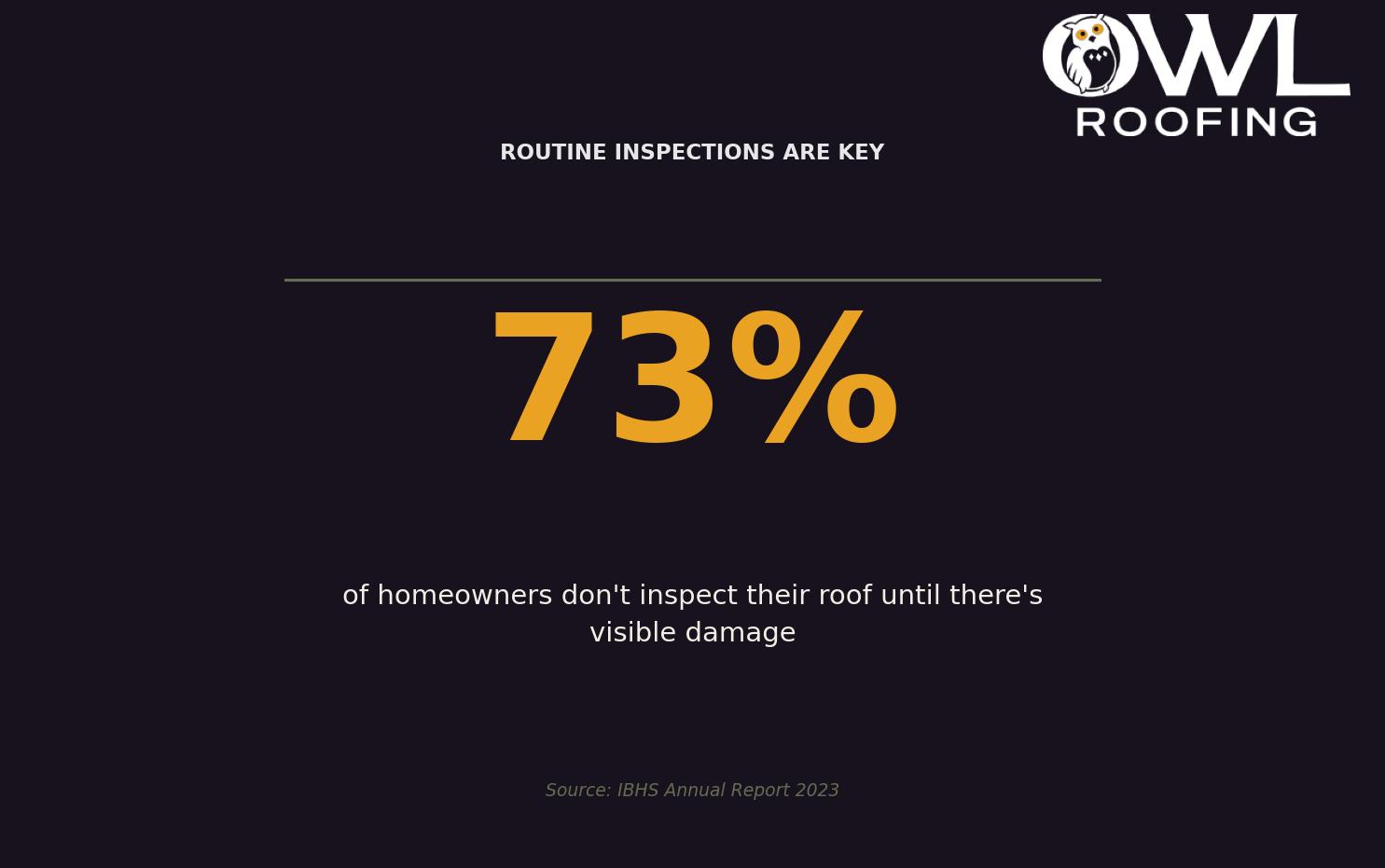
Then there’s the maintenance gap. Here’s a stat that might make you wince: the IBHS reports that 73% of homeowners don’t inspect their roof until there’s visible damage. That’s like never going to the dentist until your tooth falls out. By the time you see a problem from the ground — or worse, from inside your house — it’s already been developing for months or years.
The good news? Both of these issues are fixable. You can’t go back in time and supervise your roof’s installation, but you can have it professionally inspected to catch any shortcuts or errors. And starting a maintenance routine today means you’re already ahead of nearly three-quarters of homeowners.
Your Roof Leak Prevention Playbook
Alright, enough about problems. Let’s talk solutions. These are the practical steps that actually prevent roof leaks — no special tools required, just a little consistency.
Make Inspections a Habit
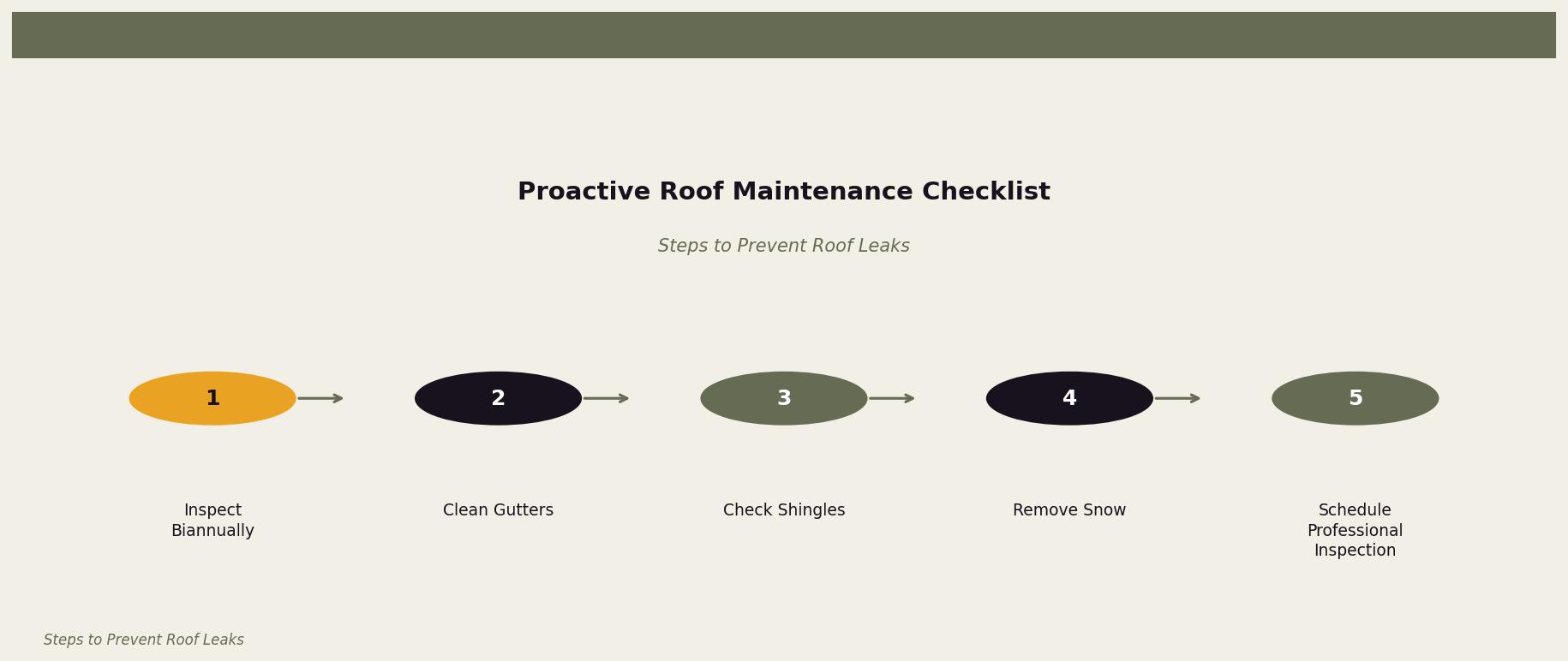
Twice a year. That’s it. Spring and fall are ideal — you’re checking for winter damage before summer storms arrive, and summer damage before winter sets in.
You don’t need to climb on your roof for a basic inspection (and honestly, please don’t unless you’re comfortable and have proper safety equipment). From the ground with binoculars, or from a second-story window, look for:
- Missing, cracked, or curling shingles
- Dark patches that might indicate moisture or algae growth
- Debris accumulation in valleys or near chimneys
- Visible sagging in any section of the roof
- Damaged or missing flashing around vents, chimneys, and skylights
Inside your home, check your attic if you have access. Look for daylight coming through (bad sign), water stains on the underside of the roof deck (worse sign), and any musty smells that suggest moisture problems.
Catching these issues early is the difference between a $200 repair and a $10,000 nightmare.
Keep Those Gutters Flowing
Clogged gutters might seem like a minor nuisance, but they’re actually a major leak risk. When gutters can’t drain properly, water backs up against your fascia and can work its way under your roofing materials. In winter, clogged gutters contribute directly to ice dam formation.
Clean your gutters at least twice a year — once after the leaves fall in autumn, and once in late spring after seed pods and spring debris have blown through. If you have a lot of trees near your house, you might need to do it more often.
The NRCA advises installing gutter guards to minimize debris blockage. They’re not maintenance-free (nothing is), but they significantly reduce how often you need to get up on a ladder with a scoop.
While you’re at it, check that your downspouts are directing water at least 4-6 feet away from your foundation. Roof leak prevention and basement flood prevention go hand in hand.
Address Shingle Damage Immediately
When you spot damaged shingles during an inspection, don’t add it to the “I’ll get to it eventually” list. Exposed underlayment is only designed to be a temporary backup, not a long-term waterproofing solution. Every day those shingles stay damaged is another day water has a path into your home.
A few missing or cracked shingles are usually an easy, affordable fix. Waiting until you have widespread damage is not.
Manage Snow and Ice Proactively
Minnesota winters require some extra attention. Here’s how to keep the white stuff from wrecking your roof:
Use a roof rake after heavy snowfalls to remove snow from the first few feet of your roof’s edge. This is where ice dams form, and keeping that area clear reduces the risk significantly. Use a proper roof rake with a long handle — never climb on a snowy or icy roof.
Improve attic insulation and ventilation. Ice dams primarily form because heat escapes from your living space into the attic, warming the roof unevenly. Proper insulation keeps that heat inside where it belongs, and proper ventilation keeps your attic cold, which means snow melts evenly and drains normally.
Consider heat cables for problem areas if you have chronic ice dam issues. They’re not a substitute for proper insulation, but they can help in tricky spots.
Schedule Professional Inspections
Your own inspections are valuable, but they’re not a complete substitute for a trained professional with the right equipment and experience. A pro can safely walk your roof, check the integrity of flashing and seals, evaluate the condition of materials you can’t see from the ground, and spot problems that haven’t become visible yet.
The NRCA recommends professional inspections at least once a year, and after any major weather event. Think of it like an annual physical for your house — the cost is minimal compared to what it catches.
Special Considerations for Twin Cities Homes
Our corner of Minnesota has some specific challenges worth addressing directly.
The freeze-thaw cycle here is relentless. We might get several cycles in a single week during March or November. This constant expansion and contraction is especially hard on flashing, sealants, and any area where different materials meet. When you’re inspecting, pay extra attention to these transition points.
Snow loads vary across the metro. Homes in areas that get more lake-effect snow from the surrounding lakes may need more frequent snow removal. Know your neighborhood’s patterns.
Older homes in established neighborhoods often have original or aging roofs that weren’t designed with modern materials. If your home is more than 20 years old and still has its original roof, professional inspection becomes even more important.
Tree coverage is a double-edged sword. Those beautiful mature trees add value and curb appeal, but they also drop debris, shade your roof (which can promote moss and algae growth), and provide highways for critters who might damage your roofing materials. Keep branches trimmed back at least 10 feet from your roof.
Your Action Plan: Start Today
Preventing roof leaks isn’t complicated, but it does require action. Here’s your clear path forward:
This week: Do a visual inspection from the ground. Look for obvious damage, missing shingles, or debris accumulation. Check your gutters — can you see buildup from below?
This month: Schedule a professional roof inspection if you haven’t had one in the past year. This is especially important if you’ve lived through any significant storms recently.
This season: Establish your maintenance routine. Put gutter cleaning on your calendar for spring and fall. Add roof inspections to the same schedule.
This year: Address any repairs that your inspection reveals. Upgrade attic insulation if ice dams have been a problem. Consider gutter guards if you’re tired of cleaning gutters four times a year.
Keep a record. Document your inspections, maintenance, and any repairs. This helps you spot patterns (is the same area always having problems?) and adds value if you ever sell your home.
The Stakes: What Happens If You Don’t Act
We’ve focused on prevention because that’s where your power is. But it’s worth understanding what you’re preventing.
Roof leaks that go unaddressed don’t just damage ceilings. Water follows gravity, but it also follows paths of least resistance — which means it can travel along rafters, down walls, and into places you’d never expect. A leak that starts at your chimney flashing might show up as damage in a first-floor wall.
Moisture inside your home creates conditions for mold growth, which becomes a health issue on top of a structural one. Wood rot compromises your home’s framing. Damaged insulation loses its effectiveness, driving up energy bills. And all of this gets more expensive to fix the longer it goes on.
The $10,000 average water damage claim we mentioned earlier? That’s the average. Severe cases involving mold remediation or structural repairs can run much higher.
This isn’t meant to scare you — it’s meant to motivate you. Every action you take to maintain your roof is money saved and stress avoided.
Protect Your Nest
If you’ve read this far, you’re already the kind of homeowner who takes care of their home. That’s half the battle right there.
When you’re ready for that professional inspection — or if you’ve spotted something during your own check that needs attention — we’d love to hear from you. At Owl Roofing, we’re a family-owned company right here in Shoreview, serving neighbors across the Twin Cities. We’ve seen every type of roof challenge Minnesota throws at homes, from ice dams in Maple Grove to storm damage in Eagan.
We’ll take a look at your roof, tell you exactly what it needs, and give you honest options — not a sales pitch. If your roof is fine, we’ll tell you that too. That’s just how we work.
Give us a call at 651-977-6027 or visit owlroofing.com/ to schedule an inspection. Your roof protects everything underneath it. Let’s make sure it can keep doing its job.
Protect Your Nest.
📍 Owl Roofing Serves the Entire Twin Cities Metro
Andover · Anoka · Apple Valley · Arden Hills · Big Lake · Blaine · Bloomington · Brooklyn Center · Brooklyn Park · Burnsville · Champlin · Chanhassen · Chaska · Columbia Heights · Coon Rapids · Cottage Grove · Crystal · deephaven · Delano · Eagan · East Bethel · Eden Prairie · Excelsior · Farmington · Forest Lake · Fridley · Golden Valley · Ham Lake · Hastings · Hopkins · Hugo · Inver Grove Heights · Lake Elmo · Lakeville · Lino Lakes · Mahtomedi · Maplewood · Mendota Heights · Minneapolis · Minnetrista · Mound · Mounds View · New Brighton · New Hope · North Oaks · North St. Paul · Oak Grove · Oakdale · Plymouth · Prior Lake · Ramsey · Richfield · Robbinsdale · Rosemount · Roseville · Saint Paul · Savage · Shakopee · Shoreview · South St. Paul · St. Louis Park · St. Michael · St. Paul · Stillwater · Vadnais Heights · Victoria · Waconia · wayzata · West St. Paul · White Bear Lake · woodbury
Licensed Minnesota roofing contractor · Free inspections · 10-year workmanship warranty · Get a free estimate →
