


Can Wind Damage Shingles Signs to Look For
 12min Read
 Posted 11.23.2025
Can Wind Damage Shingles? Signs to Look For
That sinking feeling when you step outside after a Minnesota storm and see shingle pieces scattered across your lawn like confetti? Yeah, that’s not the kind of surprise any homeowner wants. Here’s the thing most people don’t realize: wind doesn’t have to rip your roof apart to cause serious damage. Sometimes the worst problems are the ones you can’t see from your driveway.
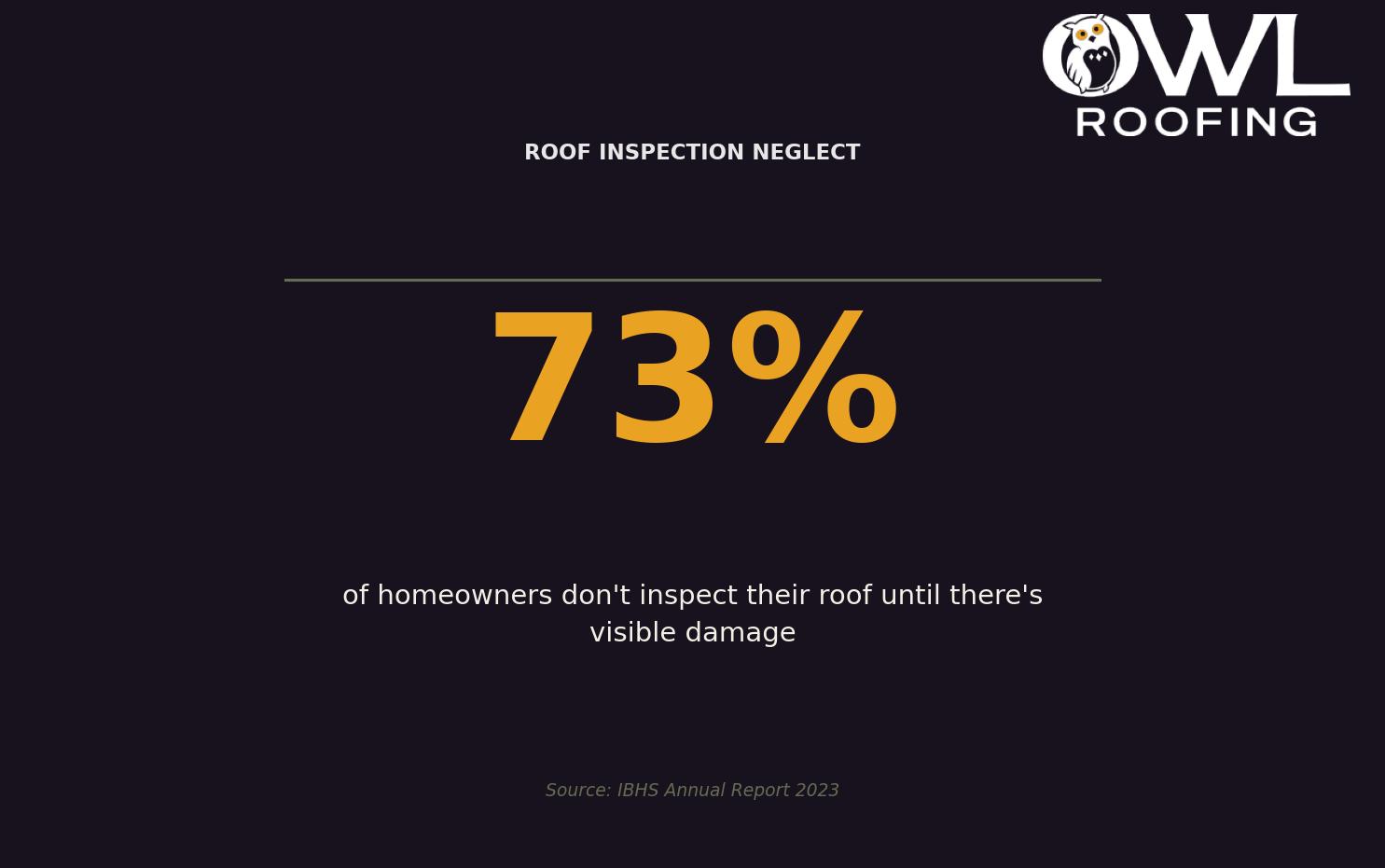
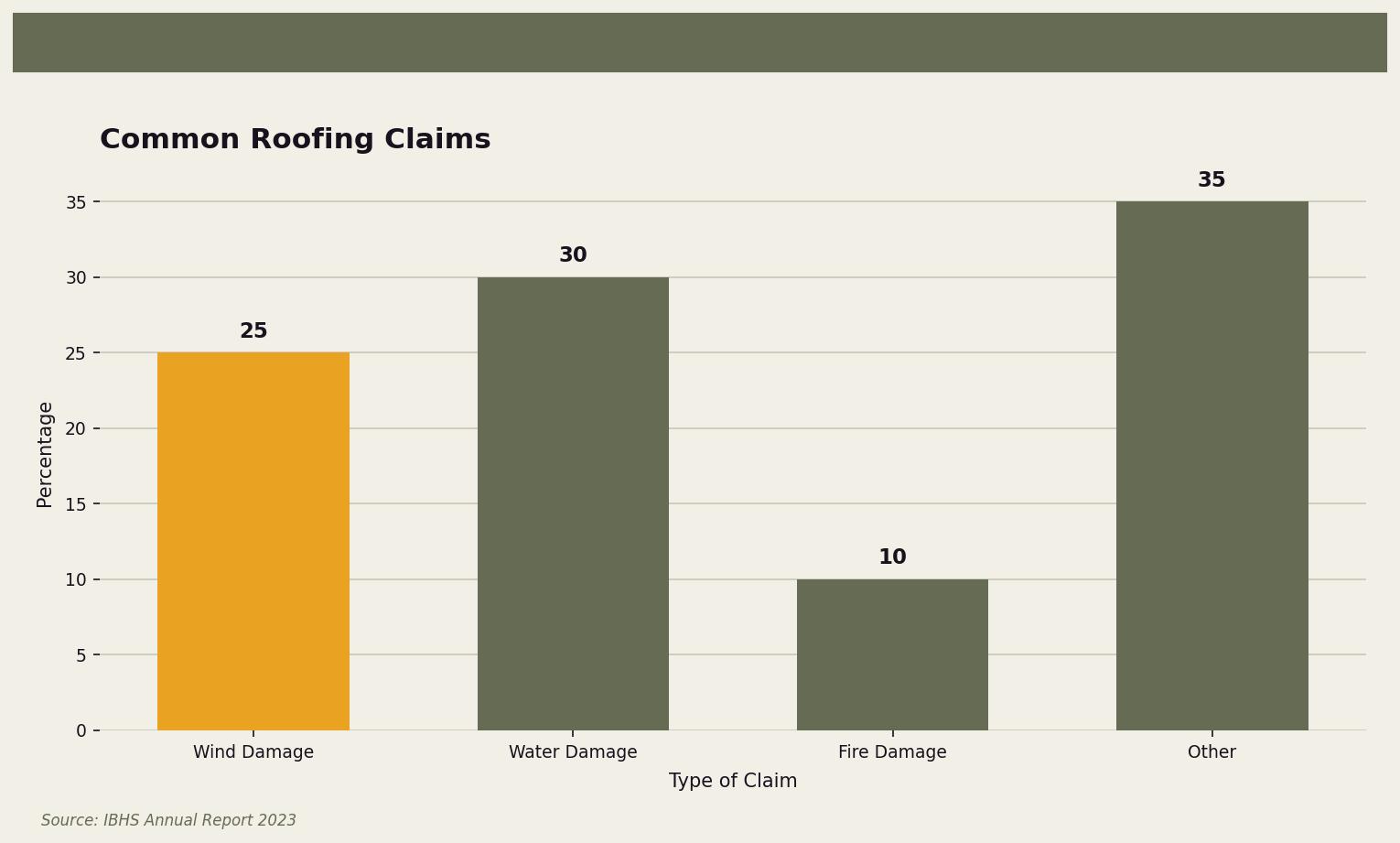
Wind damage accounts for more than 25% of all homeowner insurance claims each year, according to the Insurance Institute for Business & Home Safety (IBHS). That’s one in four claims — and in the Twin Cities, where spring storms can whip up 50+ mph gusts seemingly out of nowhere, those odds hit a little closer to home. The question isn’t really *if* your shingles will face wind damage. It’s whether you’ll catch it before it turns into something much worse.
Why Wind-Damaged Shingles Are a Bigger Deal Than They Look
Let’s be honest — a few lifted shingles don’t exactly scream “emergency.” They’re easy to ignore. You’ve got a hundred other things demanding your attention, and the roof? It’s up there. Out of sight, out of mind.
But here’s where it gets expensive.
That small section of lifted shingles? It’s basically a welcome mat for water. And water is patient. It seeps in slowly, finding every gap, every nail hole, every tiny opening. Before you know it, you’re not dealing with a roofing problem anymore — you’re dealing with rotted decking, mold in your attic, and stained ceilings in your living room.
The National Roofing Contractors Association (NRCA) doesn’t mince words about this: neglected roofs lead to water infiltration, mold growth, and even structural damage. What starts as a $500 repair can snowball into a $5,000 headache. Or worse.
And if you’re thinking about selling someday? The National Association of Realtors (NAR) warns that visible roof damage can knock up to 10% off your home’s value. On a $400,000 Twin Cities home, that’s $40,000 walking out the door because of damage you could have fixed for a fraction of that cost.
The amplifying factor here is time. Every storm that passes, every freeze-thaw cycle, every heavy rain — they all make existing damage worse. What’s manageable today becomes a major project six months from now.
The Real Story: How Wind Attacks Your Shingles
Here’s something most homeowners don’t know: wind doesn’t damage your roof evenly. It’s sneaky about it.
Picture your roof during a storm. Wind hits the side of your house, travels up and over, and creates what’s called “uplift” at the edges and corners. That’s why the perimeter of your roof — especially the corners and ridgelines — takes the hardest hits. The center of your roof might look fine while the edges are quietly failing.
We’ve talked to homeowners who were shocked to find damage on the “protected” side of their house, the side that wasn’t facing the wind. But that’s exactly how wind works. It swirls, it eddies, it finds the weak spots. Your shingles don’t stand a chance if they’re already aged, improperly installed, or just plain worn out from Minnesota’s relentless weather.
The IBHS rates high-wind-resistant shingles to withstand gusts up to 130 mph. Sounds impressive, right? But here’s the catch: that rating assumes perfect installation and shingles in their prime. Aging, weathering, and even minor installation issues can cut that wind resistance dramatically. A 15-year-old roof isn’t performing like it did on day one.
Signs of Wind Damage Shingles: What to Actually Look For
Missing Shingles (The Obvious One)
If you can see bare spots on your roof from the ground, you’ve got a problem that needs attention now — not next month, not next season. Missing shingles mean your underlayment and decking are exposed to the elements. Every rain shower is now a direct threat to your home’s interior.
But here’s what people miss: sometimes shingles don’t blow completely off. They tear partially, leaving a flap that’s still technically attached but no longer protecting anything. From the ground, your roof might look intact. Up close? It’s compromised.
Curling and Lifting Shingles
This is the sneaky damage that catches homeowners off guard. Your shingles are still there, but they’re not lying flat anymore. The edges curl up, or the tabs lift away from the roof surface.
What’s happening? Wind has broken the seal that holds shingle layers together. Once that seal fails, wind can get underneath and pry the shingle up further. Water follows. And now you’ve got moisture traveling places it was never meant to go.
Curling shingles are especially common on roofs that are 10+ years old. The asphalt dries out over time, making the shingles less flexible and more vulnerable to wind damage.
Granule Loss
Those tiny, sandpaper-like granules on your shingles aren’t just decorative. They’re your roof’s first line of defense against UV rays and fire. When wind whips debris across your roof — or when shingles flex and bend in high gusts — granules get knocked loose.
After a storm, check your gutters and downspouts. See a bunch of gritty, sand-like material collected there? That’s granule loss, and it’s a warning sign.
The NRCA states that excessive granule loss accelerates shingle aging, leading to premature roof failure. Your 25-year shingles might only last 15 years if they’re losing granules faster than normal. It’s like sunburn for your roof — the protection is gone, and the damage adds up.
Cracks and Tears
High winds stress shingles in ways that aren’t always visible at first. Micro-cracks form. Small tears develop. These might look like cosmetic issues, but they’re structural weaknesses.
A study by the IBHS found that cracked shingles are 40% more likely to result in leaks than intact ones. That’s not a small increase — it’s nearly half again as likely to cause water damage inside your home.
Pay special attention to areas where debris might have impacted your roof. Fallen branches, airborne objects, even heavy accumulations of leaves can all cause or worsen cracking.
Damaged Flashing and Seals
Shingles get all the attention, but they’re not the only vulnerable spots. Wind can lift or bend flashing around chimneys, vents, and skylights. It can break the seals around pipe boots and exhaust vents.
These are the penetration points — places where something goes through your roof. They’re already potential weak spots, and wind damage makes them worse. If your shingles look fine but you’re getting leaks, damaged flashing is often the culprit.
The Minnesota Factor: Why Twin Cities Roofs Take Extra Punishment
Living in the Twin Cities means your roof deals with weather that would make other regions nervous. It’s not just the wind — it’s the combination of everything.
Our freeze-thaw cycles are brutal. Water gets into small cracks and gaps during a thaw, then freezes and expands when temperatures drop again. That expansion forces cracks wider, lifts shingles higher, and creates new entry points for moisture. The Minnesota Department of Natural Resources highlights that even small roof vulnerabilities can lead to significant issues during seasonal transitions.
Then there’s the whiplash. We can go from a 70-degree day to a snowstorm in 48 hours. That kind of temperature swing stresses roofing materials in ways that moderate climates never experience. Shingles expand and contract, seals flex and weaken, and the cumulative effect shortens your roof’s lifespan.
And let’s talk about those spring storms. When cold air from the north collides with warm, moist air from the south right over Minnesota? That’s when we get the 50, 60, even 70 mph gusts that turn minor shingle issues into major roof failures. Shoreview, Roseville, White Bear Lake, Minnetonka — no part of the metro is immune.
Your Action Plan: What to Do After a Storm
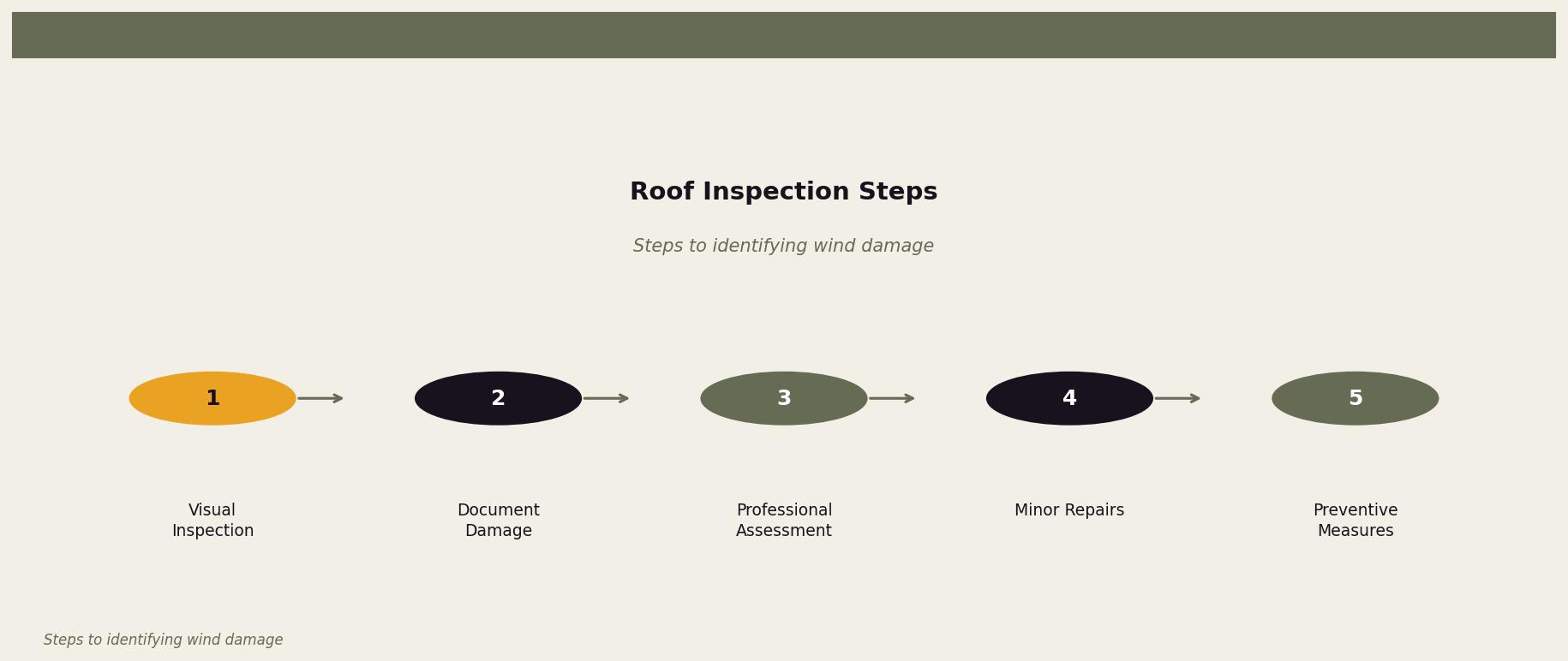
You don’t need to be a roofing expert to start assessing the situation. Here’s a practical approach that any homeowner can follow:
Step 1: Ground-Level Visual Inspection
Grab a pair of binoculars and walk around your property. Look for:
- Missing or visibly damaged shingles
- Shingles that appear lifted, curled, or out of alignment
- Debris on the roof (branches, etc.) that might have caused impact damage
- Flashing that looks bent or displaced
- Shingle pieces or granules in your yard or gutters
Don’t climb on your roof — it’s dangerous, especially after a storm when surfaces might be wet or damaged. A ground-level inspection tells you plenty.
Step 2: Document Everything
Take photos. Lots of them. Date-stamped pictures of any visible damage are invaluable if you need to file an insurance claim. Capture wide shots showing the overall roof condition and close-ups of specific problem areas.
Step 3: Check Inside Your Home
Head to your attic with a flashlight. Look for:
- Daylight coming through the roof (obvious problem)
- Water stains or discoloration on the underside of the decking
- Damp insulation
- Any musty smells that might indicate moisture
Then check your ceilings and walls for water stains, especially in rooms directly below the roofline.
Step 4: Get a Professional Assessment
Here’s where most homeowners get stuck. You know something might be wrong, but you’re not sure how serious it is. That’s exactly when you need a trained eye on your roof.
The IBHS advises homeowners to address minor issues before they evolve into major repairs. A professional inspection can catch problems you’d never see from the ground — and give you honest answers about what needs fixing now versus what can wait.
Experts recommend annual roof inspections as a baseline. But after any significant storm? An immediate check is wise. Think of it like getting your car looked at after you hit a big pothole — better to know the damage now than find out the hard way later.
Protect Your Roof, Protect Your Home
Wind damage shingles are one of those problems that reward early action and punish procrastination. The homeowners who fare best aren’t the ones with the newest or most expensive roofs — they’re the ones who pay attention, catch issues early, and get them fixed before Minnesota weather makes everything worse.
Your roof is up there working hard every single day, taking the hits so the rest of your home doesn’t have to. A little vigilance goes a long way toward making sure it can keep doing that job for years to come.
Need a Second Opinion? We’re Happy to Help.
At Owl Roofing, we’ve seen every kind of wind damage the Twin Cities can dish out — from a few lifted shingles to full sections that needed replacing after a nasty spring storm. We’re a family-owned company based right here in Shoreview, founded by Tim, Bea, Noah, and Anya. We’re your neighbors, not a franchise or a crew chasing storms across the country.
If you’re wondering whether that last storm did more than you can see from your driveway, give us a call. We’ll take a look, tell you exactly what’s going on, and give you a straight answer about what actually needs to be done. No pressure, no scare tactics — just honest advice from people who live and work in the same community you do.
Call us at 651-977-6027 or visit owlroofing.com/ to schedule a free inspection. We serve homeowners throughout the Twin Cities and surrounding areas.
Protect Your Nest.
📍 Owl Roofing Serves the Entire Twin Cities Metro
Andover · Anoka · Apple Valley · Arden Hills · Big Lake · Blaine · Bloomington · Brooklyn Center · Brooklyn Park · Burnsville · Champlin · Chanhassen · Chaska · Columbia Heights · Coon Rapids · Cottage Grove · Crystal · deephaven · Delano · Eagan · East Bethel · Eden Prairie · Excelsior · Farmington · Forest Lake · Fridley · Golden Valley · Ham Lake · Hastings · Hopkins · Hugo · Inver Grove Heights · Lake Elmo · Lakeville · Lino Lakes · Mahtomedi · Maplewood · Mendota Heights · Minneapolis · Minnetrista · Mound · Mounds View · New Brighton · New Hope · North Oaks · North St. Paul · Oak Grove · Oakdale · Plymouth · Prior Lake · Ramsey · Richfield · Robbinsdale · Rosemount · Roseville · Saint Paul · Savage · Shakopee · Shoreview · South St. Paul · St. Louis Park · St. Michael · St. Paul · Stillwater · Vadnais Heights · Victoria · Waconia · wayzata · West St. Paul · White Bear Lake · woodbury
Licensed Minnesota roofing contractor · Free inspections · 10-year workmanship warranty · Get a free estimate →
