Roof Maintenance Checklist for Twin Cities Homeowners – Protect Your Nest
 11min Read
 Posted 12.19.2025
Your roof guards your home every single day — but who’s guarding your roof?
Most homeowners don’t think about it until there’s a leak, stain, or sagging spot. By that point, it’s already an emergency.
Roof maintenance isn’t just about preventing leaks. It’s about protecting everything beneath them — your family, your memories, your peace of mind.
At Owl Roofing, we’ve seen it all: small cracks that turned into ceiling collapses, ice dams that wrecked attics, simple gutter blockages that caused $10,000 in drywall damage.
The good news? Every one of those problems could’ve been stopped early with consistent roof care.
This guide walks you through exactly what to check, when to do it, and how to keep your roof strong year after year — especially through Minnesota’s brutal freeze-thaw cycle.
Why Routine Roof Maintenance Matters
Your roof isn’t a “set it and forget it” system. It expands and contracts daily. It battles snow, rain, and 30-degree temperature swings in a single week. Every storm, branch, and bit of debris wears on it.
1. It Extends Roof Lifespan
Routine maintenance can extend your roof’s life by 30% or more.
Catch small issues early — cracked shingles, clogged gutters, or loose flashing — and you can delay replacement by a decade.
2. It Saves Money
Replacing a roof can cost $10,000–$30,000+.
Basic maintenance and minor repairs typically cost a fraction of that. The math is simple: $200–$400 per inspection keeps you from $20K disasters.
3. It Protects Your Home’s Structure
Leaks don’t just stay in the attic. They creep into insulation, drywall, and framing.
Left unchecked, water damage leads to mold, rot, and structural weakness.
4. It Supports Insurance & Resale Value
A clean maintenance record boosts your home’s value and helps during claims.
Insurers love documentation — it shows you’ve done your part to prevent damage.
5. It Keeps Your Home Safe & Dry
In Minnesota, snow load, ice dams, and freeze-thaw cycles are real roof killers.
Regular maintenance ensures proper ventilation, insulation, and drainage — the holy trinity of roof health.
Roof Maintenance Basics & Frequency
You don’t need to be a roofer to maintain your roof — you just need rhythm and awareness.
Recommended Schedule:
- Inspect Twice a Year: Once in spring (after thaw) and once in fall (before freeze).
- After Major Storms: Any time you’ve had hail, heavy wind, or large snowfall — check for damage or debris.
- Professional Inspection: Once a year minimum, ideally documented with photos and notes.
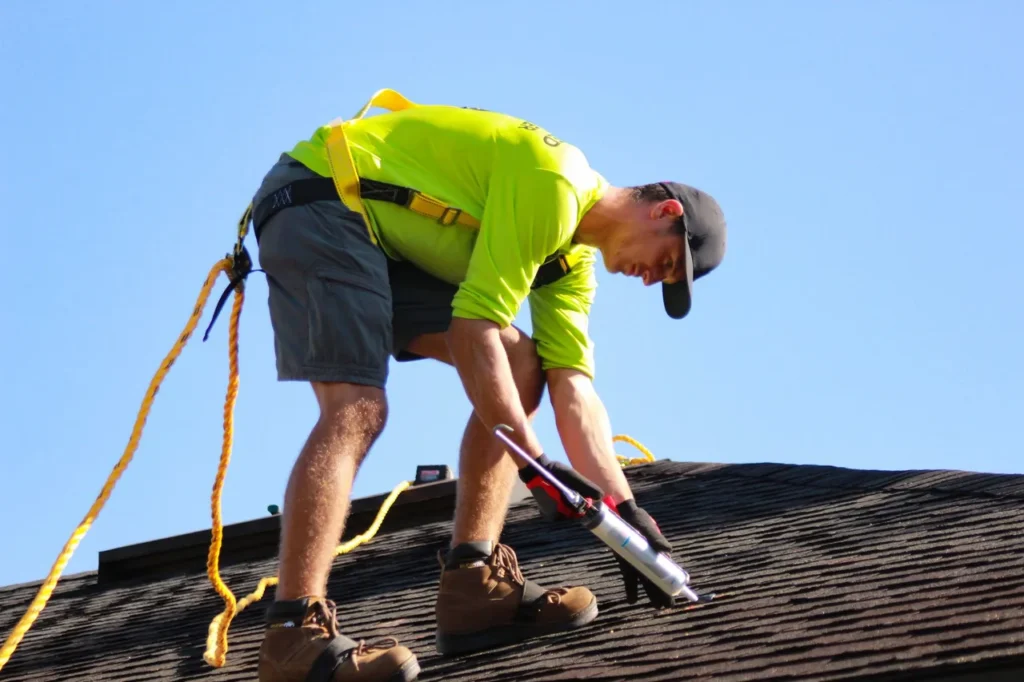
The Core Maintenance Cycle
Think of it like a seasonal workout plan for your home:
- Inspect → Look for wear or damage.
- Clean → Remove debris, moss, or buildup.
- Repair → Address small issues immediately.
- Document → Keep notes and photos for warranties and insurance.
When you follow that cycle consistently, you’ll rarely face big surprises.
Seasonal Roof Maintenance Guide for Twin Cities Homes
Minnesota weather doesn’t play nice. Here’s how to protect your roof through every season.
Spring: Recover and Reset
- Check for winter damage (cracked shingles, sagging gutters, ice dam stains).
- Clean gutters and downspouts completely.
- Inspect flashing around vents, chimneys, and dormers for lifting or rust.
- Check attic for moisture, mold, or insulation issues.
- Trim nearby trees to prevent branches from rubbing or breaking onto the roof.
- Schedule a professional roof inspection — spring is prime time to fix winter damage before summer heat hits.
Owl Roofing Tip: Look for “shimmering” spots on shingles. That’s granule loss — an early warning of aging.
Summer: Strength and Sun Defense
- Heat expands shingles; inspect for curling or blistering.
- Look for loose nails or popped fasteners.
- Clear debris after thunderstorms or high winds.
- Check ventilation — attic fans and ridge vents should move hot air efficiently.
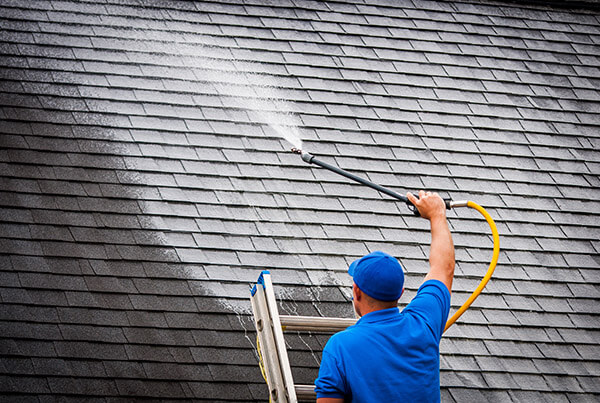
- Wash roof gently if algae or dark streaks appear (or hire pros to soft-wash it safely).
Owl Roofing Tip: Use binoculars for self-inspection. Walking on a hot roof is dangerous and can damage shingles.
Fall: Prep for the Freeze
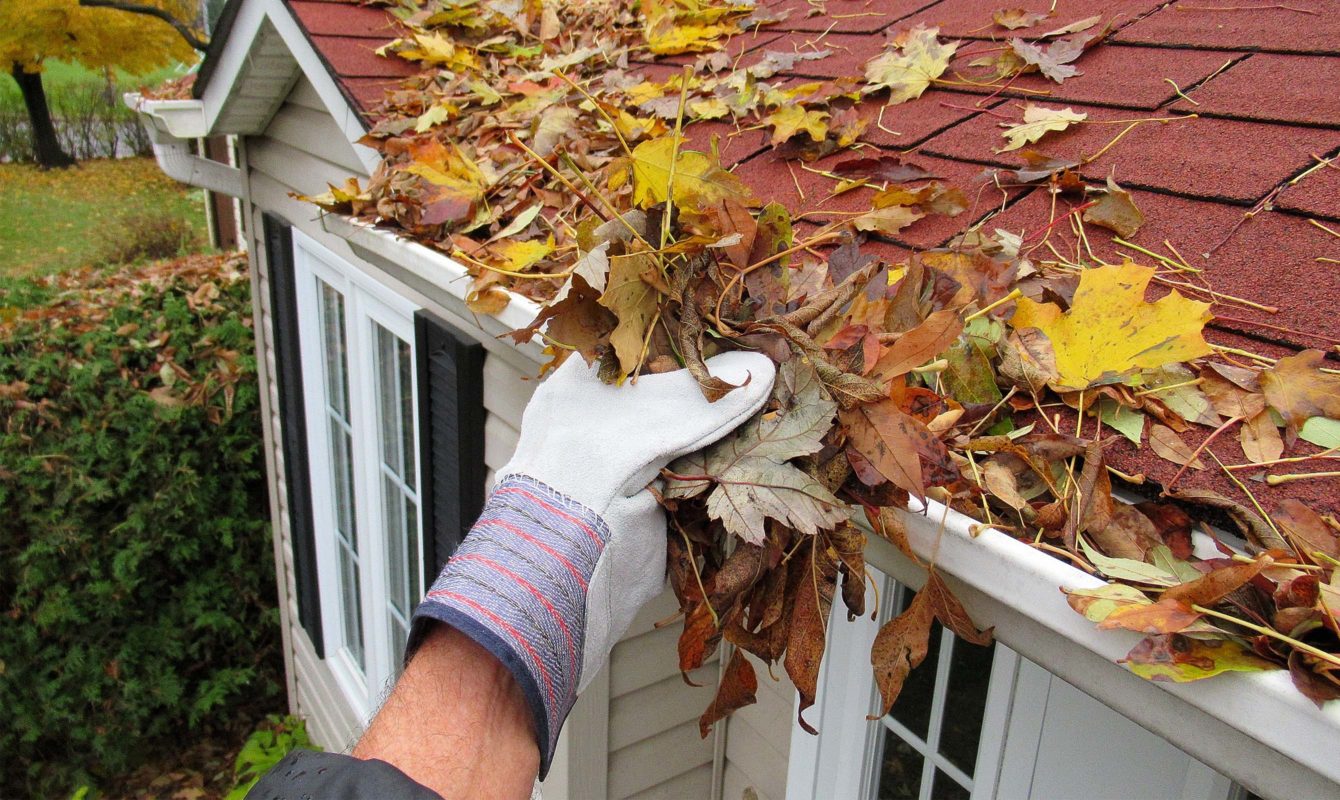
- Clean gutters one last time — leaves and acorns clog downspouts fast.
- Check that flashing is sealed tight.
- Inspect valleys, eaves, and low-slope areas for standing debris.
- Make sure insulation and attic airflow are balanced — this prevents condensation and ice dams.
- Have snow guards or heat cables checked or installed if needed.
Owl Roofing Tip: This is the most important season to maintain your roof in Minnesota. Anything loose or clogged now becomes a problem once the snow piles up.
Winter: Defense Mode
- Watch for ice dam formation — thick ridges of ice at the eaves.
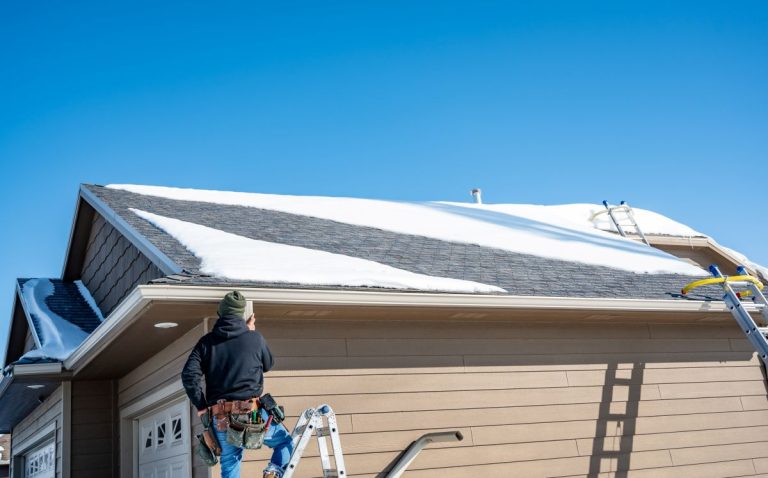
- Safely remove heavy snow using a roof rake from the ground.
- Avoid chipping ice yourself — it can crack shingles.
- Check attic regularly for frost or leaks after snowstorms.
- Keep ventilation paths clear and heating balanced.
Owl Roofing Tip: A warm attic = melting snow = ice dams. Proper insulation keeps your roof cold and dry.
Early Warning Signs: Don’t Ignore These
Most roof failures start small. If you notice any of these, call a pro before it turns serious.
| Problem | What It Means | Why It Matters |
| Curling or missing shingles | Age, heat, or poor ventilation | Exposes underlayment to water |
| Granules in gutters | Shingles deteriorating | Roof nearing replacement age |
| Dark streaks or moss | Algae growth or moisture retention | May shorten roof lifespan |
| Sagging rooflines | Structural issue or water damage | Urgent inspection needed |
| Peeling paint under eaves | Moisture or ice damming | Poor ventilation or drainage |
| Attic condensation or frost | Warm air leak or insulation gap | Risk of mold and rot |
| Ceiling stains | Active leak |
DIY vs Professional Roof Maintenance
A homeowner can handle some basic upkeep, but roofs are safety-critical systems. Knowing what’s safe to do — and when to call a professional — protects both you and your home.
What You Can Do Yourself
- Visual inspections from the ground or with binoculars.
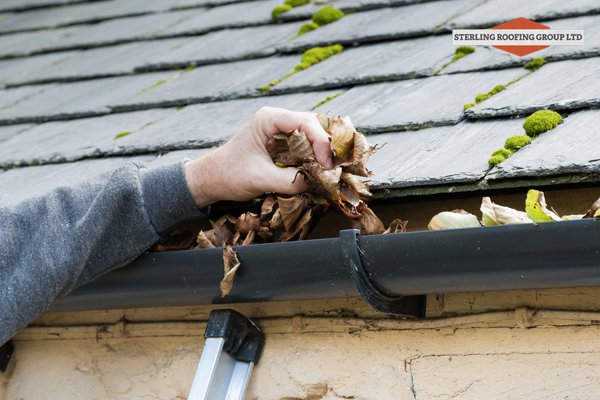
- Cleaning gutters and downspouts.
- Clearing light debris after storms.
- Trimming overhanging branches.
- Checking attic for moisture or musty smell.
- Documenting photos for records or insurance.
When to Call a Professional
- You notice curling or cracked shingles.
- Flashing is loose, rusted, or lifted.
- Leaks, stains, or sagging sections appear.
- Moss or algae covers wide areas.
- Snow and ice build up beyond reach.
- Your roof is over 10 years old and has never had a full inspection.
Professional roofers have the tools, ladders, and harnesses to inspect every section safely.
They also spot hidden issues — soft decking, improper ventilation, or flashing gaps — that homeowners simply can’t see.
At Owl Roofing, our annual inspection checklist covers 42 specific points: every valley, dormer, nail-line, seal, and vent opening. No guesswork — just clear reporting.
Cost of Roof Maintenance (and Why It’s Worth It)
Maintenance costs vary by home size and roof complexity, but here’s a local guide:
| Task | Average Twin Cities Cost | Frequency |
| Gutter cleaning | $150–$300 | Twice yearly |
| Full inspection (pro) | $200–$400 | Annually |
| Minor shingle repair | $250–$600 | As needed |
| Flashing reseal | $150–$350 | Every 2–3 years |
| Moss/algae cleaning | $300–$800 | Every few years |
| Ice-dam prevention (heat cables etc.) | $400–$900 |
Replacing a neglected roof can cost $12,000–$30,000+.
Routine maintenance keeps that money in your pocket and adds years of reliability.
Think of it this way: you wouldn’t skip oil changes on your truck — why skip inspections on what shields your entire house?
Roof Maintenance FAQ
Q1. How often should I inspect my roof?
Twice per year (spring and fall) plus after major storms. In Minnesota, spring thaw and fall freeze are the two key transition points that stress roofing systems most.
Q2. What are the first signs of roof trouble?
Missing or curled shingles, granules in gutters, sagging, ceiling stains, or moss streaks. A sudden increase in energy bills can also signal insulation or ventilation problems.
Q3. How does snow and ice affect my roof?
When heat escapes into the attic, snow melts and refreezes at the eaves, forming ice dams. These block drainage and force water under shingles. Proper attic insulation and airflow prevent it.
Q4. What maintenance should I do each season?
- Spring: Clean gutters, check for winter damage.
- Summer: Trim trees, clear debris, check ventilation.
- Fall: Remove leaves, inspect flashing and sealant.
- Winter: Monitor snow load, prevent ice buildup.
Q5. Can I walk on my roof to inspect it?
Avoid it unless you’re trained and equipped. Walking can damage shingles and risks serious injury. Use binoculars or hire a professional inspection.
Q6. How long does a well-maintained roof last?
- Asphalt shingles: 20–30 years.
- Metal: 40–60 years.
- Slate or composite: 50+ years.
Maintenance, ventilation, and climate exposure are the biggest life-span variables.
Q7. What documentation should I keep?
Maintain a simple folder (digital or paper) with inspection reports, repair invoices, and photos. It supports warranty claims and increases resale credibility.
Q8. Does regular maintenance really affect home insurance?
Yes. Insurers often check maintenance history during claims. A proven care record can speed up approval and reduce disputes over “neglect.”
Q9. How much time should I spend on maintenance each year?
Roughly one weekend in spring and one in fall for cleaning and visual checks. Professional inspections handle the technical parts — they take about an hour.
Q10. When is it smarter to replace than repair?
If more than 25% of the surface is damaged, leaks are chronic, or decking is soft, replacement becomes the better long-term move. A trusted roofer will measure moisture levels, not just guess.
Q11. What’s unique about roof maintenance in Minnesota?
Freeze-thaw cycles, snow load, and ice dams create stress unseen in warmer climates. Local roofers like Owl Roofing design ventilation and underlayment systems specifically for Twin Cities winters — that’s why regional expertise matters.
Q12. Can maintenance improve energy efficiency?
Absolutely. A well-ventilated roof reduces attic heat buildup, cutting cooling costs in summer and preventing melt-freeze cycles in winter.
Q13. How do I find a trustworthy roofing company?
Look for local licensing, insurance, verified reviews, transparent pricing, and clear maintenance processes. Reliable roofers communicate before, during, and after service — not just when something breaks.

Protecting Your Nest Starts at the Top
A roof is more than shingles — it’s a shield for everything that matters most inside your home.
It endures every storm so your family doesn’t have to.
At Owl Roofing, we believe maintenance isn’t a chore; it’s stewardship.
Every inspection, every repair, every note on a checklist is an act of care for the home that shelters your life.
We serve the Northeast Twin Cities — Shoreview, White Bear Lake, North Oaks, Arden Hills — with one mission: protect your nest through clarity, kindness, and competence.
Our team doesn’t just climb roofs; we earn trust.
You’ll always get clear communication, honest assessments, and a written checklist you can keep for your records.
If your roof hasn’t been inspected this year, don’t wait for a leak to remind you.
Book a maintenance visit today — we’ll make sure your roof is strong, sealed, and ready for the seasons ahead.
📞 Call or message Owl Roofing — the wise choice for homeowners who care about their home, their family, and their peace of mind.
📍 Owl Roofing Serves the Entire Twin Cities Metro
Andover · Anoka · Apple Valley · Arden Hills · Big Lake · Blaine · Bloomington · Brooklyn Center · Brooklyn Park · Burnsville · Champlin · Chanhassen · Chaska · Columbia Heights · Coon Rapids · Cottage Grove · Crystal · deephaven · Delano · Eagan · East Bethel · Eden Prairie · Excelsior · Farmington · Forest Lake · Fridley · Golden Valley · Ham Lake · Hastings · Hopkins · Hugo · Inver Grove Heights · Lake Elmo · Lakeville · Lino Lakes · Mahtomedi · Maplewood · Mendota Heights · Minneapolis · Minnetrista · Mound · Mounds View · New Brighton · New Hope · North Oaks · North St. Paul · Oak Grove · Oakdale · Plymouth · Prior Lake · Ramsey · Richfield · Robbinsdale · Rosemount · Roseville · Saint Paul · Savage · Shakopee · Shoreview · South St. Paul · St. Louis Park · St. Michael · St. Paul · Stillwater · Vadnais Heights · Victoria · Waconia · wayzata · West St. Paul · White Bear Lake · woodbury
Licensed Minnesota roofing contractor · Free inspections · 10-year workmanship warranty · Get a free estimate →

Recent Articles
Explore The Blog