


How Long Does a Roof Last by Material Type
 13min Read
 Posted 10.17.2025
How Long Does a Roof Last by Material Type
That stain on your ceiling? It’s not going away on its own. And if you’re like most Twin Cities homeowners, you’re wondering if it means your whole roof is on borrowed time—or if you’ve got years left before you need to think about replacement.
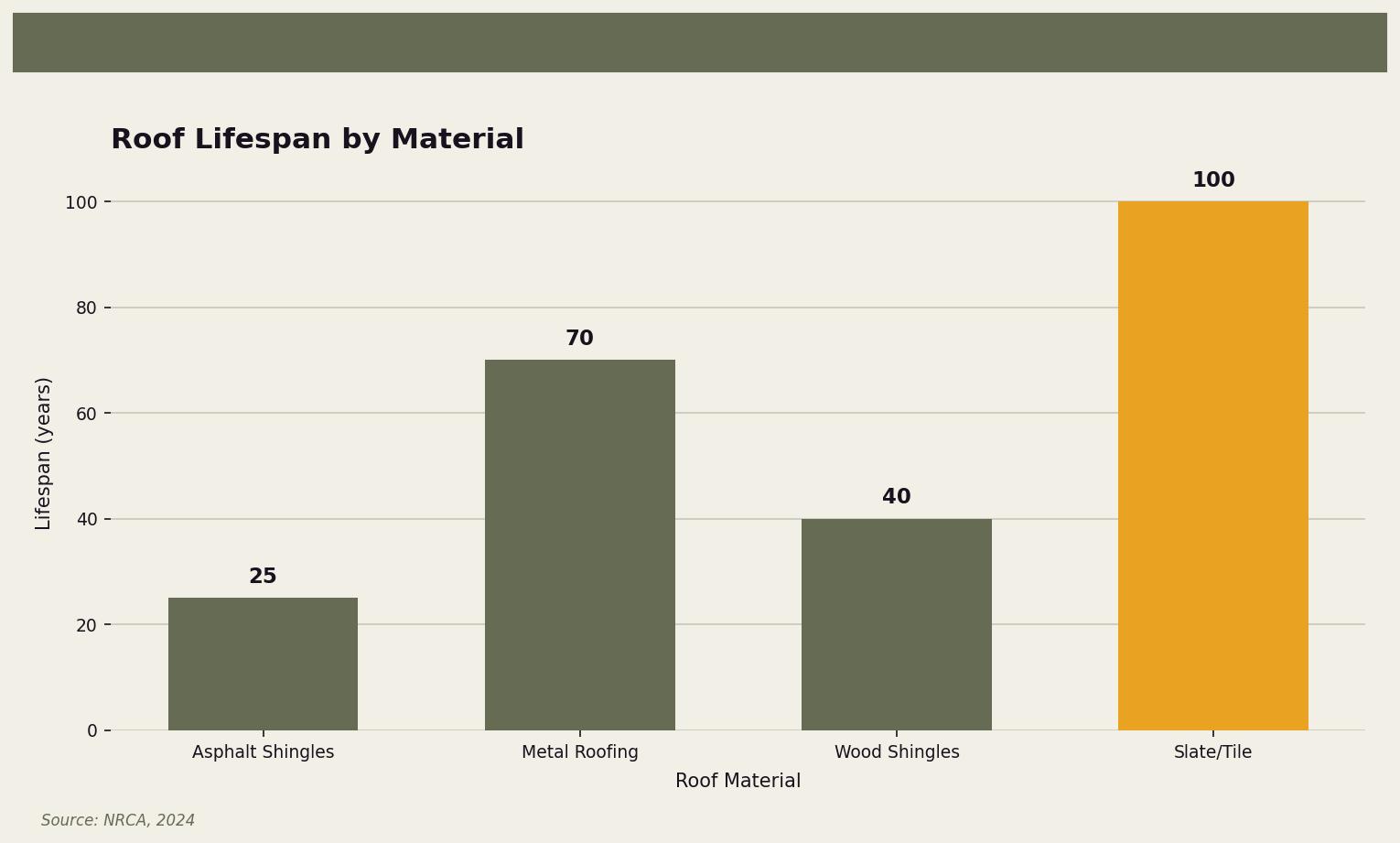
Here’s the thing: how long does a roof last isn’t a simple question. It depends on what’s up there, how it was installed, and whether Minnesota’s freeze-thaw cycles have been particularly brutal to your shingles. The difference between materials isn’t minor, either—we’re talking anywhere from 20 years to a full century, depending on what you’ve got protecting your home.
Ignore this question, and you might find yourself scrambling for emergency repairs in February when the temperature’s -10°F and ice dams are pushing water into your attic. Or worse, you could sell your home thinking your roof is fine, only to have a buyer’s inspection tank your deal at the last minute.
Let’s break down exactly what you can expect from each roofing material—and what that means for your home, your budget, and your peace of mind.
Why Roof Lifespan Should Be on Your Radar
Your roof isn’t just shingles and nails. It’s the only thing standing between your family and Minnesota’s 54+ inches of annual snowfall (according to NOAA). It’s insulation. It’s structural integrity. It’s the reason your bedroom doesn’t turn into a swimming pool every spring.
And here’s what most people don’t realize: a failing roof doesn’t announce itself with a dramatic collapse. It whispers. A little moisture in the attic. Some granules in your gutters. A slightly higher heating bill. By the time you notice the obvious signs, you might be looking at water damage, mold remediation, or rotted decking—repairs that cost five to ten times more than catching the problem early.
The financial stakes are real, too. According to the National Association of Realtors, a new roof can return as much as 107% of its cost upon resale. That’s not just maintenance—that’s an investment that actually pays you back. But if you wait too long and your roof becomes a liability? Buyers will either walk away or demand a massive discount.
Understanding roof lifespan by material isn’t just trivia for home improvement nerds. It’s how you avoid surprise five-figure expenses, protect your home’s value, and sleep soundly during thunderstorms.
The Most Common Choice: Asphalt Shingles
What to Expect
Asphalt shingles dominate American rooftops for good reason. They’re affordable, they look decent on most homes, and contractors everywhere know how to install them properly. According to the National Roofing Contractors Association (NRCA), a typical asphalt roof lasts 20 to 25 years.
But let’s be honest about what that means in Minnesota.
Our freeze-thaw cycles are relentless. Water seeps into tiny cracks, freezes, expands, and slowly tears your shingles apart from the inside. That 25-year estimate? It assumes moderate weather. In the Twin Cities, you’re probably looking at the lower end of that range—especially if your roof doesn’t get great ventilation or if trees shade parts of it (trapping moisture).
Signs Your Asphalt Roof Is Aging
- Granules collecting in your gutters or at the base of downspouts
- Shingles that look curled, cracked, or buckled
- Missing shingles after storms (even if it was “just wind”)
- Dark streaks or algae growth
- Daylight visible through your attic roof boards
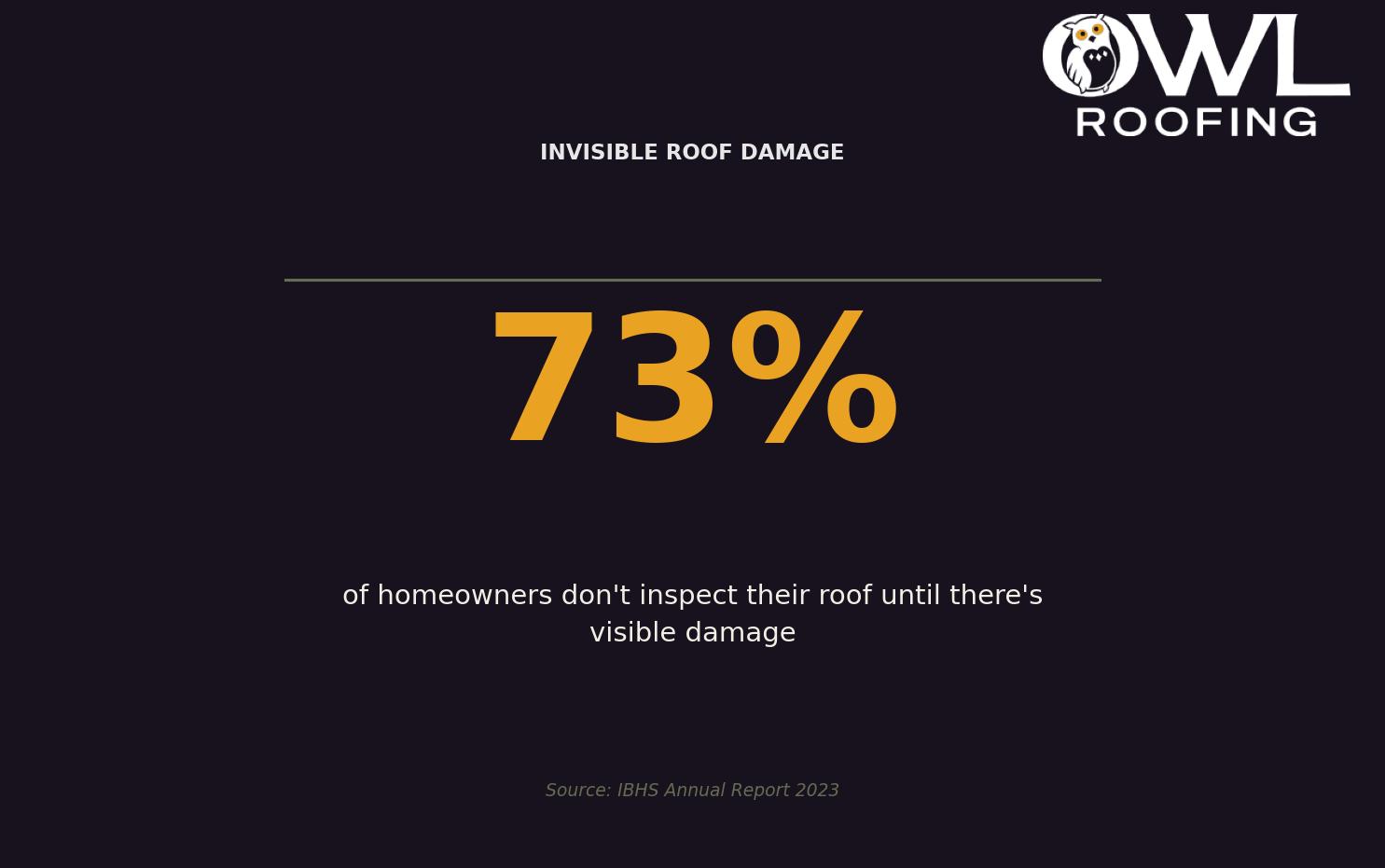
Here’s a stat that should make you pause: according to the IBHS Annual Report, 73% of homeowners don’t inspect their roof until there’s visible damage. That’s like waiting until your car engine explodes to check the oil. With asphalt shingles, a yearly inspection can catch problems while they’re still cheap to fix.
The Bottom Line on Asphalt
If your asphalt roof is pushing 18-20 years old, it’s time to start planning—not panicking, just planning. Get an inspection, understand what condition it’s in, and budget for replacement within the next few years. Waiting until it fails will cost you more in emergency repairs, water damage, and stress than replacing it proactively.
The Long-Haul Option: Metal Roofing
Why Metal Is Worth Considering
Metal roofs have shed their “barn roof” reputation. Modern metal roofing comes in styles that mimic shingles, slate, even wood shakes—and the lifespan difference is dramatic. The Insurance Institute for Business & Home Safety (IBHS) notes that metal roofs can last 40 to 70 years with proper installation.
For Minnesota homeowners, metal has some specific advantages that go beyond longevity:
- Snow management: Metal’s smooth surface lets snow slide off instead of accumulating. Less snow load means less stress on your structure and fewer ice dam opportunities.
- Ice dam resistance: Ice dams form when heat escapes through your roof, melts snow, and the water refreezes at the eaves. Metal roofing, combined with proper insulation and ventilation, significantly reduces this risk.
- Energy efficiency: The Minnesota Department of Commerce highlights that energy-efficient roofing options like metal can reduce heating costs in winter. Metal reflects radiant heat and can be installed over existing shingles with proper ventilation, adding an extra insulating layer.
- Storm durability: High winds and hail are facts of life here. Quality metal roofing handles both better than most alternatives.
The Trade-Off
Metal roofing costs more upfront—typically two to three times the price of asphalt shingles. But run the math on a 50-year roof versus replacing asphalt twice (or three times) in the same period, and metal often wins on lifetime cost. If you’re planning to stay in your home long-term, it’s worth getting a quote.
The Character Play: Wood Shingles and Shakes
Beauty That Requires Commitment
Wood shingles and shakes give your home a warmth and character that synthetic materials can’t quite replicate. Cedar, in particular, ages into a beautiful silver-gray that looks stunning on craftsman and cabin-style homes throughout Minnesota.
According to the NRCA, wood roofing can last 30 to 40 years with proper care. That “with proper care” part is doing a lot of work in that sentence.
What “Proper Care” Actually Means
Wood and Minnesota’s humid summers don’t naturally get along. Moisture promotes rot, moss, and algae growth. To get the full lifespan out of a wood roof, you’ll need to:
- Keep the roof clear of debris (leaves, branches) that trap moisture
- Treat the wood periodically with preservatives
- Ensure excellent ventilation to prevent moisture buildup from inside
- Address any moss or algae growth promptly before it takes hold
- Trim back overhanging tree branches that shade the roof
There’s also a fire consideration. Wood is, well, wood. Some municipalities have restrictions on wood roofing, and your homeowner’s insurance might charge higher premiums or require fire-retardant-treated materials. Check both before committing.
Is Wood Right for Your Home?
If you love the look and you’re willing to invest in maintenance, wood can be a beautiful choice that lasts decades. If you want “install it and forget it,” wood probably isn’t your best match.
The Century Club: Slate and Tile Roofing
When You Want Your Roof to Outlive You
Slate and tile roofs are in a different category entirely. According to the NRCA, these materials can last 50 to 100 years—and there are slate roofs in New England that have protected homes for 150+ years and counting.
If you’ve ever driven through the historic neighborhoods of Summit Avenue in St. Paul or the old-money areas of Minneapolis, you’ve seen these roofs. They’re stunning. They’re practically impervious to weather. They make a statement.
The Reality Check
Slate and tile come with significant considerations:
- Weight: These materials are heavy. Your home’s structure needs to be designed (or reinforced) to handle the load. Not every house is a candidate.
- Cost: We’re talking about significant investment—often four to five times the cost of asphalt, including any structural modifications.
- Installation expertise: You need a contractor who specializes in slate and tile. This isn’t a job for a general roofer who “can probably figure it out.”
- Repair considerations: While the material lasts forever, individual tiles can crack. Finding matching replacements for a 75-year-old slate roof can be an adventure.
Who Should Consider Slate or Tile?
If you own a historic home, plan to stay for decades, or simply want the absolute best roofing material money can buy, slate and tile deliver. For most homeowners, though, the cost-to-benefit ratio favors other materials unless you’re in a specific situation where longevity and aesthetics justify the premium.
How Minnesota Weather Affects Every Material
No matter what’s on your roof, the Twin Cities climate is working against it. Understanding how helps you maximize whatever lifespan your material offers.
Freeze-Thaw Cycles: The Silent Destroyer
Minnesota doesn’t just get cold—it gets cold, then warm, then cold again, sometimes in the same week. Every cycle pushes water into tiny gaps, freezes it, expands the gap, and repeats. Over years, this breaks down every roofing material faster than steady cold would.
Ice Dams: Every Minnesotan’s Nemesis
When heat from your attic melts snow on your roof, the water runs down until it hits the cold eaves and refreezes. That ice dam blocks more water, which backs up under your shingles and into your home. Proper attic insulation and ventilation matter as much as your roofing material for preventing this.
Snow Load and Wind
54 inches of snow adds up to real weight on your roof. Add high winds that can lift shingles or drive water underneath them, and you understand why Minnesota roofs work harder than their counterparts in milder climates.
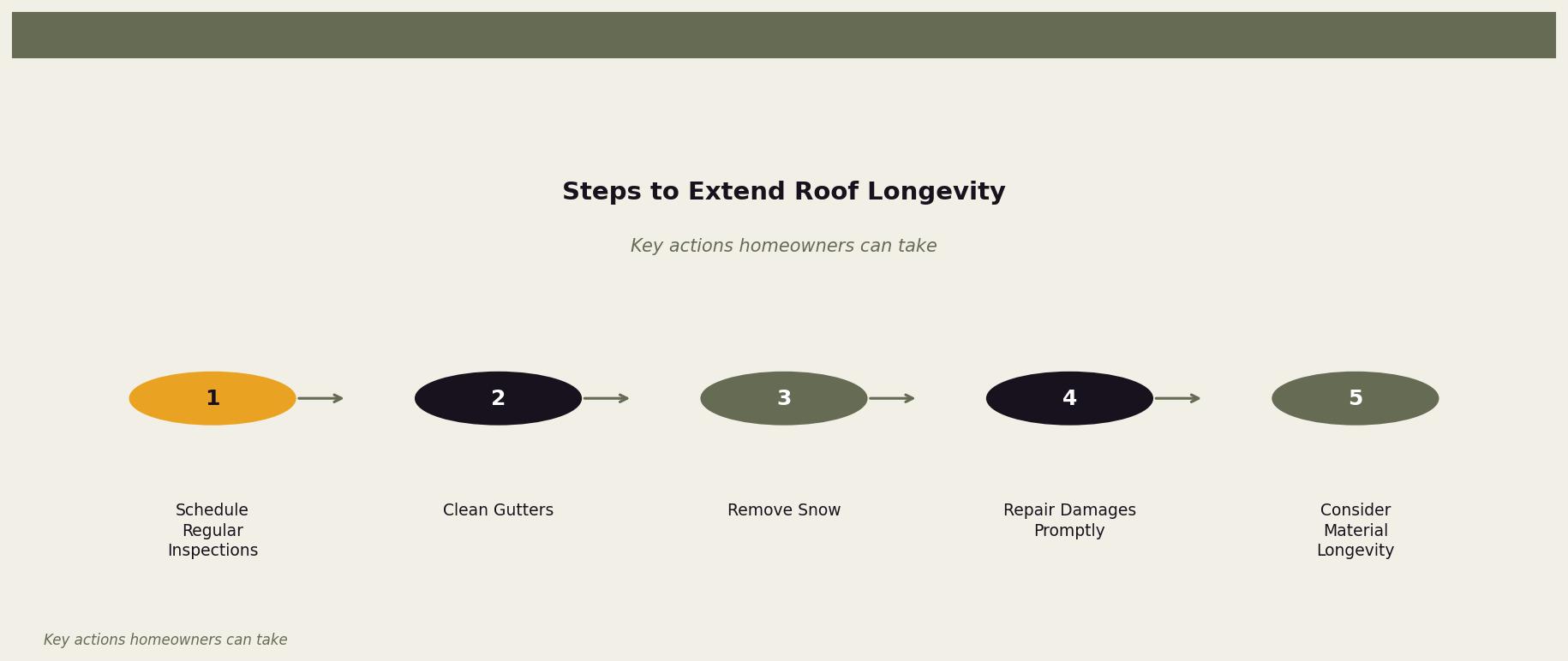
Your Action Plan: What to Do Right Now
Knowing how long does a roof last is useful. Acting on that knowledge is what actually protects your home. Here’s your practical next-steps list:
1. Find Out What You Have
If you don’t know your roofing material or when it was installed, find out. Check your home inspection report from when you bought the house, ask previous owners if possible, or have a roofer take a look. You can’t plan if you don’t know your starting point.
2. Schedule an Inspection
A professional roof inspection costs a fraction of a repair and tells you exactly where you stand. For asphalt roofs over 15 years old, this should be annual. For other materials, every two to three years is reasonable unless you’ve had storm damage.
3. Do the Math on Your Timeline
If your roof is asphalt and 18 years old, you’re probably looking at replacement within five years. Start getting quotes now, even if you’re not ready to pull the trigger. Understanding the cost lets you budget and plan instead of scrambling when a leak forces your hand.
4. Consider Your Long-Term Plans
Selling in two years? Maybe you patch and disclose. Staying for 20 more? A metal roof starts looking smarter than replacing asphalt twice. Your timeline should drive your material choice.
5. Maintain What You Have
Clean your gutters. Trim overhanging branches. Remove heavy snow accumulation after major storms. Check your attic for signs of moisture. These small actions can add years to any roof’s lifespan and catch problems early when they’re cheap to fix.
When It’s Time to Talk to a Roofer
Understanding roof lifespan by material puts you ahead of most homeowners. You know what you have, roughly how long it should last, and what to watch for. That’s real knowledge that protects your home and your wallet.
At Owl Roofing, we’ve seen every type of roof damage Minnesota weather can dish out—and we’ve helped homeowners across the Twin Cities figure out whether they need repairs, replacement, or just peace of mind. We’re not storm chasers who blow through town after hail and disappear. Tim, Bea, Noah, and Anya live here in Shoreview. We’re your neighbors, and we’ve been doing this for over 15 years combined.
If you’re wondering where your roof stands—or you just want someone to take a look and give you a straight answer—give us a call at 651-977-6027 or visit owlroofing.com/. No pressure, no scare tactics. Just honest advice from people who care about doing things right.
Protect Your Nest.
📍 Owl Roofing Serves the Entire Twin Cities Metro
Andover · Anoka · Apple Valley · Arden Hills · Big Lake · Blaine · Bloomington · Brooklyn Center · Brooklyn Park · Burnsville · Champlin · Chanhassen · Chaska · Columbia Heights · Coon Rapids · Cottage Grove · Crystal · deephaven · Delano · Eagan · East Bethel · Eden Prairie · Excelsior · Farmington · Forest Lake · Fridley · Golden Valley · Ham Lake · Hastings · Hopkins · Hugo · Inver Grove Heights · Lake Elmo · Lakeville · Lino Lakes · Mahtomedi · Maplewood · Mendota Heights · Minneapolis · Minnetrista · Mound · Mounds View · New Brighton · New Hope · North Oaks · North St. Paul · Oak Grove · Oakdale · Plymouth · Prior Lake · Ramsey · Richfield · Robbinsdale · Rosemount · Roseville · Saint Paul · Savage · Shakopee · Shoreview · South St. Paul · St. Louis Park · St. Michael · St. Paul · Stillwater · Vadnais Heights · Victoria · Waconia · wayzata · West St. Paul · White Bear Lake · woodbury
Licensed Minnesota roofing contractor · Free inspections · 10-year workmanship warranty · Get a free estimate →
