





Roof Replacement Minneapolis Cost Process and How to Know When You Need One
 16min Read
 Posted 1.29.2026
🦉 Roof Replacement Cost Calculator
Ballpark your Minnesota roof replacement cost by size, material & complexity.
Ballpark estimate for the Twin Cities market — includes tear-off, materials & labor for a typical single-layer replacement. Decking repairs, permits, and code items (like ice & water shield coverage) can shift the final number. The only way to know for sure is a free inspection with real measurements.
Price My Roof — Free Estimate →Roof Replacement in Minneapolis: Cost, Process, and How to Know When You Need One
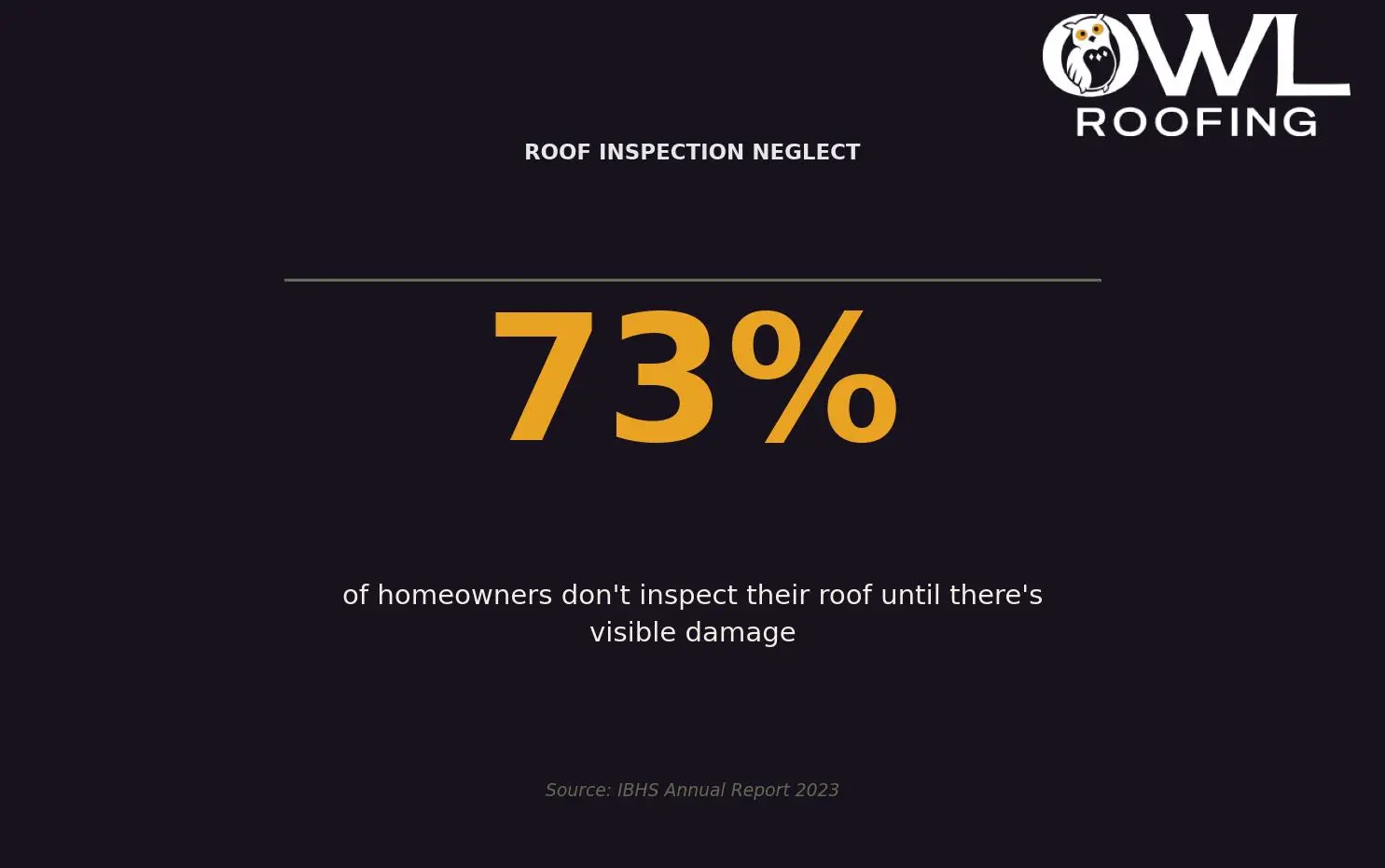
Here’s a number that might keep you up at night: 73% of homeowners don’t inspect their roof until water’s already dripping through the ceiling. In Minneapolis, where we get everything from ice dams to hailstorms to that weird week in April where it’s 70 degrees then snows six inches—that’s a gamble you really don’t want to take.
If you’ve been wondering whether your roof has a few good years left or if you’re living on borrowed time, this guide breaks down everything you need to know about roof replacement in Minneapolis. We’ll cover the real costs (no vague estimates), the actual process from inspection to final nail, and the specific warning signs that tell you it’s time to stop patching and start replacing.
Why Your Roof Deserves More Attention Than It Gets
Here’s a stat that puts things in perspective: according to the National Roofing Contractors Association (NRCA), your roof makes up only 3% of your home’s construction costs but protects 97% of everything underneath it. That’s your furniture, your family photos, your kids’ rooms, your sanity during a February blizzard.
Yet most of us treat our roofs like that smoke detector battery we keep meaning to replace—out of sight, out of mind, until there’s a problem.
The feature of staying ahead of roof issues means you catch small problems before they become expensive emergencies. The advantage over the “wait and see” approach? You control the timeline and the budget, instead of scrambling to find a contractor during peak storm season when everyone’s booked solid. The benefit to you is simple: you sleep better during thunderstorms, your home stays dry, and you’re not writing a panic check for emergency repairs.
A planned roof replacement also does something a lot of homeowners don’t think about—it boosts your home’s energy efficiency. Old, worn roofs let conditioned air escape, which means your furnace works overtime in January and your AC struggles in August. A new roof with proper ventilation and modern materials can noticeably lower your utility bills. Plus, let’s be honest: a fresh roof makes your house look great, which matters whether you’re staying put or thinking about selling someday.
Understanding the Roof Replacement Process
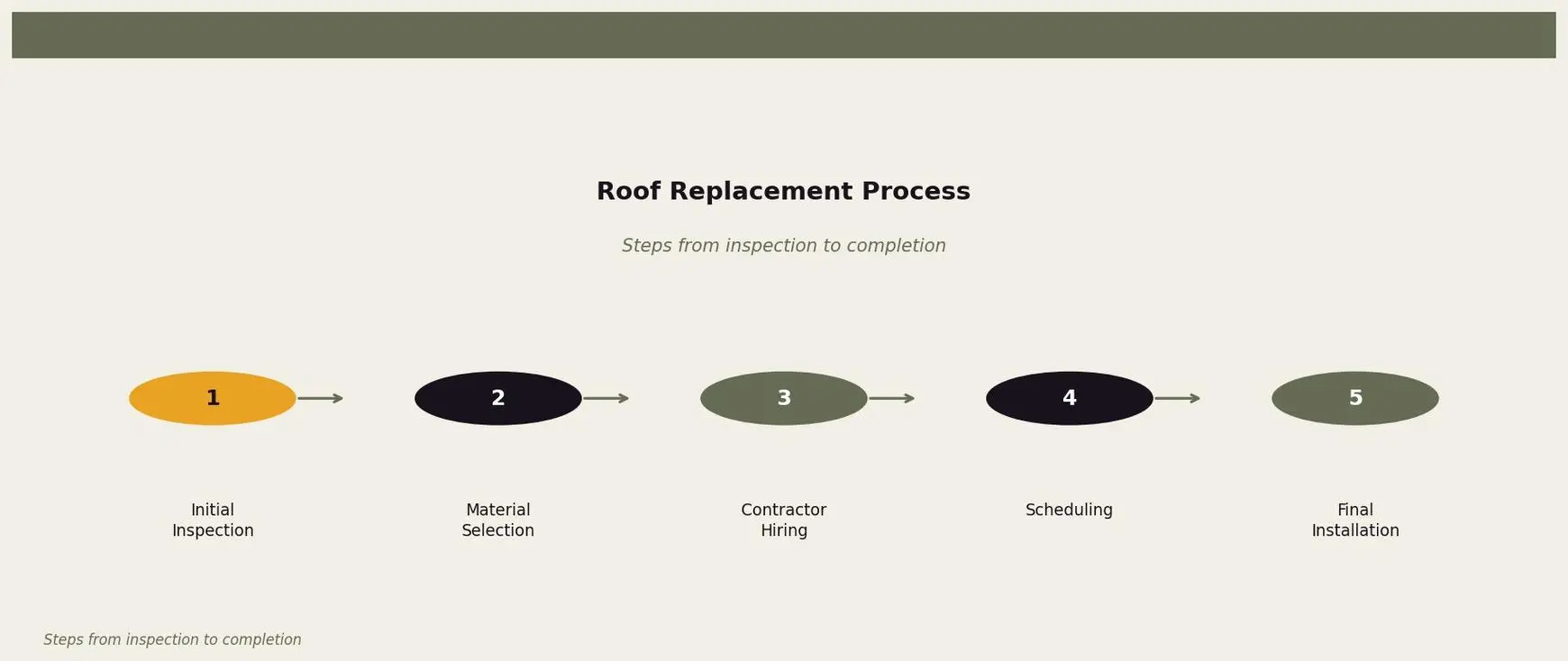
Roof replacement sounds overwhelming until you break it down into steps. Here’s what actually happens when you decide to replace your roof in Minneapolis.
Step 1: Inspection and Assessment
Everything starts with getting eyes on your roof—and not just a quick glance from the driveway. A proper inspection means someone gets up there and checks the shingles, flashing, vents, gutters, and the overall structure.
Remember that 73% stat from the Insurance Institute for Business & Home Safety (IBHS)? Most homeowners wait until they see water stains on the ceiling or missing shingles in the yard. By then, the damage has often spread beyond the roof itself—into the decking, insulation, even the walls.
The feature of a professional inspection is a trained eye catching what you’d miss. The advantage? Problems get identified early, when fixes are smaller and cheaper. The benefit to you: you get an honest assessment of whether you need a full replacement, a repair, or if you’ve got several good years left. No guessing, no surprises.
During an inspection, a good roofer will check for:
- Shingle condition (curling, cracking, granule loss, missing pieces)
- Flashing integrity around chimneys, vents, and skylights
- Signs of water damage or rot in the decking
- Ventilation issues that could cause ice dams or premature aging
- Gutter condition and drainage patterns
Step 2: Choosing Your Materials
Once you know you need a Minneapolis roof replacement, the next decision is what goes on top of your house. This isn’t just about color—your material choice affects how long your roof lasts, how it handles Minnesota weather, and what you’ll pay upfront and long-term.
Asphalt shingles are the most popular choice for Twin Cities homes, and for good reason. According to the Asphalt Roofing Manufacturers Association, quality asphalt shingles last 20-30 years. They’re affordable, come in tons of colors and styles, and hold up well against our freeze-thaw cycles when properly installed.
The feature of asphalt shingles is their balance of durability and cost-effectiveness. The advantage over premium materials? Lower upfront investment while still getting solid protection. The benefit: you get a reliable roof without overextending your budget.
But asphalt isn’t your only option:
- Metal roofing: Lasts 40-70 years, handles heavy snow loads beautifully, and sheds ice like a champ. Higher upfront cost, but you may never need another roof.
- Architectural shingles: A step up from basic three-tab asphalt, with better durability and a more dimensional look. Often adds 5-10 years to lifespan.
- Slate or tile: Premium options that can last 75+ years. Gorgeous, but expensive and requires a roof structure that can handle the weight.
Step 3: Finding the Right Contractor
This is where a lot of homeowners get burned—literally and figuratively. After every major storm, “roofers” from out of state flood the Twin Cities, knock on doors, and offer too-good-to-be-true deals. Then they disappear before the first leak shows up.
The feature of working with established local contractors is accountability. The advantage? They know Minneapolis building codes, understand our specific weather challenges, and they’re still around when you call with questions two years later. The benefit: quality workmanship backed by people who actually live here and stake their reputation on every job.
When vetting contractors, look for:
- Minnesota contractor’s license and proper insurance
- Physical local address (not just a PO box)
- References from neighbors or verifiable local reviews
- Willingness to provide a detailed written estimate
- Clear communication about timeline and process
Step 4: The Actual Replacement
Once materials are ordered and weather cooperates, the work typically takes 1-3 days for most residential roofs. Here’s what happens:
- Tear-off: The old shingles and underlayment come off. This is loud, messy, and necessary—you want to inspect that decking.
- Deck inspection and repair: Any rotted or damaged decking gets replaced. This is critical—you can’t put a good roof on a bad foundation.
- Underlayment and ice barrier: Especially important in Minneapolis, ice and water shield along the eaves prevents ice dam damage.
- Shingle installation: Starting from the bottom up, with proper overlap and nailing patterns.
- Flashing and ventilation: Critical details that prevent leaks around penetrations and keep your attic breathing properly.
- Cleanup: Magnetic sweeps for nails, debris removal, and a final inspection.
What Does a New Roof Actually Cost in Minneapolis?
The Real Numbers
Let’s talk money, because vague estimates don’t help anyone. For a typical Minneapolis home, you can expect to pay between $7,000 and $12,000 for a quality roof replacement in Minneapolis using asphalt shingles.
That’s a real range based on actual market conditions—not a lowball estimate designed to get a foot in the door, and not a padded number that includes every possible upgrade.
Here’s the good news: according to the National Association of Realtors, roof replacement recoups about 68% of its cost in increased home value nationally. In the Midwest, that number climbs to around 70%, and in the Minneapolis metro specifically, homeowners often see even higher returns—up to 75%—because buyers here know what bad roofs lead to.
The feature of a new roof is obvious—better protection. The advantage in terms of home value? It’s one of the best ROI home improvements you can make. The benefit: whether you’re selling next year or staying for twenty more, your investment pays dividends.
What Makes Your Roof Cost More (or Less)
That $7,000-$12,000 range can shift based on several factors specific to your home:
- Roof size: Measured in “squares” (100 square feet each). A 20-square roof costs more than a 15-square roof. Simple math.
- Pitch/steepness: Steeper roofs require more safety equipment and take longer. They also look great and shed snow well, so there’s a trade-off.
- Complexity: Multiple valleys, dormers, skylights, and chimneys mean more flashing work and detail cuts. A simple ranch costs less than a Victorian.
- Accessibility: Can the crew easily get materials to your roof? Tight lots, landscaping, or multi-story homes can add labor time.
- Decking condition: If there’s rot or damage underneath, replacing decking adds material and labor costs. Better to know upfront.
- Material choice: Upgrading from three-tab to architectural shingles might add $1,000-2,000. Going to metal? Expect to roughly double the budget.
- Tear-off layers: If your roof has two layers of old shingles (the maximum allowed by code), removal takes longer.
Minneapolis Weather: Why Local Experience Matters
There’s a reason we keep emphasizing local contractors and weather-appropriate materials. Minneapolis doesn’t just get bad weather—we get everything.
Those freeze-thaw cycles are brutal on roofs. Water seeps into tiny cracks, freezes, expands, and makes those cracks bigger. Repeat that 50 times between November and March, and a small issue becomes a big problem. Ice dams form when heat escapes through poorly ventilated roofs, melting snow that refreezes at the eaves and backs up under shingles.
Summer isn’t exactly gentle either. Intense UV exposure and heat can cause shingles to dry out and crack. Hailstorms roll through every year, sometimes multiple times, leaving behind dented and damaged roofs that may not show obvious problems until months later.
The IBHS specifically recommends impact-resistant and weather-resistant materials for regions like ours. The feature of these upgraded materials is better durability against Minnesota’s weather extremes. The advantage? Fewer repairs, longer lifespan, and better insurance rates (many carriers offer discounts for impact-resistant shingles). The benefit: your roof handles whatever the sky throws at it, year after year.
Signs It’s Time to Stop Repairing and Start Replacing
Repairs make sense when issues are isolated. But at a certain point, patching becomes throwing money at a losing battle. Here’s how to know when you’ve crossed that line:
- Age: If your asphalt roof is 20+ years old, it’s living on borrowed time regardless of how it looks from the ground.
- Widespread shingle damage: A few missing shingles after a storm is a repair. Missing shingles across multiple areas? That’s a pattern.
- Granule loss: Those little gravel-like bits in your gutters? They’re the protective coating on your shingles. Heavy loss means the shingles are failing.
- Curling or buckling: Shingles should lie flat. When edges curl up or the middle buckles, the material has broken down.
- Daylight in the attic: If you can see light through your roof boards, water can get through too.
- Repeated leaks: One leak in one spot might be a simple fix. Leaks appearing in multiple locations means systemic failure.
- Sagging areas: This indicates structural damage to the decking—a serious issue that won’t be fixed with new shingles alone.
- Rising energy bills: Sudden increases in heating or cooling costs can indicate your roof is no longer insulating properly.
Your Action Plan: Getting Started
If you’re thinking about reroofing in Minneapolis, here’s a practical path forward:
1. Get an inspection. Don’t guess. Have a professional look at your roof and give you an honest assessment of its condition and remaining lifespan.
2. Research contractors. Ask neighbors who they’ve used. Check reviews. Verify licenses and insurance. Get at least three detailed quotes.
3. Understand the quotes. Cheap isn’t always better. Compare what’s included—material quality, warranty terms, cleanup, and timeline. A quote that’s $2,000 lower but uses inferior materials isn’t actually saving you money.
4. Consider timing. Late spring through early fall offers the best installation conditions in Minneapolis. Booking during slower seasons (late winter, early spring) sometimes means better availability and pricing.
5. Plan for the day(s). Roof replacement is noisy. Warn the neighbors, make arrangements for pets, and know that parking may be limited while materials and dumpsters are in your driveway.
Protect What Matters Most
Your roof isn’t just shingles and nails—it’s the barrier between your family and everything Minnesota weather can throw at you. Understanding when replacement makes sense, what it actually costs, and how to find contractors who do it right puts you in control of one of the most important investments you’ll make in your home.
The homeowners who fare best aren’t the ones who got lucky with weather—they’re the ones who planned ahead, asked the right questions, and worked with people they could trust.
Ready to Talk About Your Roof?
At Owl Roofing, we’ve seen every type of roof problem Minneapolis throws at homeowners—from ice dam disasters to hail damage to roofs that were just plain tired after 25 years of protecting a family. We’re based right here in Shoreview and serve the entire Twin Cities metro, which means we’re neighbors, not some out-of-state crew passing through.
Tim, Bea, Noah, and Anya built this company on straightforward work and honest conversations. We’ll inspect your roof, tell you exactly what’s going on, and give you real options—whether that’s a repair that buys you more time or a replacement that sets you up for the next few decades. No pressure, no storm-chaser tactics.
Give us a call at 651-977-6027 or visit owlroofing.com/ to schedule your inspection. We’d love to help you figure out the best path forward for your home.
Protect Your Nest.
📍 Owl Roofing Serves the Entire Twin Cities Metro
Andover · Anoka · Apple Valley · Arden Hills · Big Lake · Blaine · Bloomington · Brooklyn Center · Brooklyn Park · Burnsville · Champlin · Chanhassen · Chaska · Columbia Heights · Coon Rapids · Cottage Grove · Crystal · deephaven · Delano · Eagan · East Bethel · Eden Prairie · Excelsior · Farmington · Forest Lake · Fridley · Golden Valley · Ham Lake · Hastings · Hopkins · Hugo · Inver Grove Heights · Lake Elmo · Lakeville · Lino Lakes · Mahtomedi · Maplewood · Mendota Heights · Minneapolis · Minnetrista · Mound · Mounds View · New Brighton · New Hope · North Oaks · North St. Paul · Oak Grove · Oakdale · Plymouth · Prior Lake · Ramsey · Richfield · Robbinsdale · Rosemount · Roseville · Saint Paul · Savage · Shakopee · Shoreview · South St. Paul · St. Louis Park · St. Michael · St. Paul · Stillwater · Vadnais Heights · Victoria · Waconia · wayzata · West St. Paul · White Bear Lake · woodbury
Licensed Minnesota roofing contractor · Free inspections · 10-year workmanship warranty · Get a free estimate →
