


Cedar Shake Roofing Minneapolis Pros Cons and Maintenance Guide
 16min Read
 Posted 2.06.2026

Your Cedar Shake Roof Is Trying to Tell You Something
That gorgeous cedar shake roof that sold you on your Minneapolis home? It’s probably aged about 15 years in the last five winters. Minnesota’s freeze-thaw cycles are brutal on wood roofing—and if you’ve noticed curling shakes, dark streaks, or shingles that look more gray than golden, your roof isn’t just “weathering gracefully.” It’s waving a white flag.
- Lawn swept 3x with magnets
- Storm restoration specialists
- We actually answer: (651) 977-6027
 5.0 · 90+ reviews
 Accredited
Owl is the local family-owned roofer that actually cares.
250+ Twin Cities families have trusted us with their homes. Book a free inspection and see why.
★★★★★“We couldn’t be happier with how everything turned out. From the beginning to the end, the whole experience was great.”
Rob Larson, Local Homeowner + Owl Customer
A real person calls you back, usually within the hour.
Here’s what keeps most Twin Cities homeowners up at night: the uncertainty. Is that discoloration just patina, or is it rot? Will the roof make it through another February? And if it needs work, are you looking at a quick fix or a full replacement? The anxiety of not knowing—combined with the very real threat of leaks, ice dams, and expensive emergency repairs—can make you dread every snowfall instead of enjoying it from your living room with a cup of coffee.
What Life Looks Like With a Cedar Roof That’s Actually Working
Now picture something different. Your cedar shake roof has been properly maintained (or freshly installed), and it’s doing exactly what it’s supposed to do. The rich, warm tones of natural wood make your home stand out on the block—not in a flashy way, but in that “they clearly care about their house” way. The neighbors notice. Potential buyers would notice, too.
But it’s not just about looks. A healthy cedar shake roof is a workhorse. You’re not stressing about the next polar vortex because you know your roof can handle it. The natural insulating properties of cedar are actually keeping your heating bills lower than your neighbors with standard asphalt shingles. And when spring storms roll through? You’re watching from the window, not running to check for drips in the attic.
That’s the difference between a cedar roof that’s been neglected and one that’s been cared for. Same material, completely different experience.
Getting From Here to There: Your Cedar Shake Game Plan
The gap between “roof anxiety” and “roof confidence” isn’t as wide as you might think. It comes down to understanding what you’re working with, knowing the trade-offs, and having a maintenance plan that actually makes sense for Minneapolis weather. Let’s break it all down so you can make a smart decision—whether you’re maintaining an existing cedar roof or considering one for the first time.
Why Your Roofing Choice Matters More Than You Think
Your roof isn’t just the thing that keeps rain out. It’s a massive chunk of your home’s value, your energy efficiency, and yes, your curb appeal. According to the National Roofing Contractors Association (NRCA), roofing can account for up to 40% of a home’s exterior costs. That’s not a line item you want to get wrong.
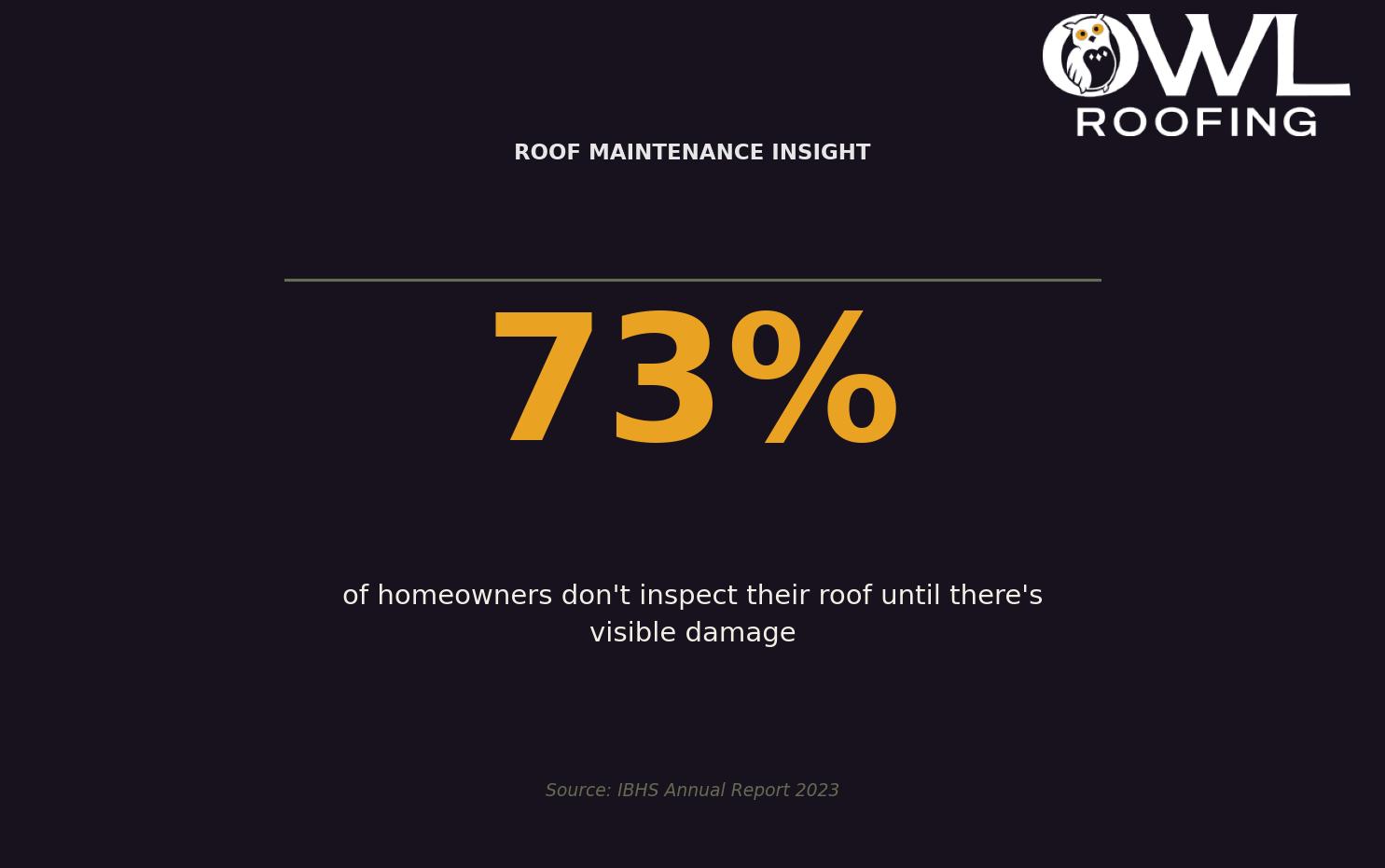
And here’s a stat that might surprise you: the Insurance Institute for Business & Home Safety (IBHS) found that well-maintained roofs can reduce insurance claims by up to 30%. Translation? Taking care of your cedar shake roof isn’t just about avoiding headaches—it can literally save you money on insurance and prevent the kind of damage that turns a $500 repair into a $15,000 nightmare.
Cedar shake roofing, specifically, sits in an interesting spot. It’s not the cheapest option, but it’s not the most expensive either. It offers benefits you can’t get from other materials, but it also demands more attention. Understanding these trade-offs is key to making a choice you won’t regret in ten years.
The Real Pros and Cons of Cedar Shake Roofing in Minneapolis
Let’s skip the marketing fluff and talk honestly about what cedar shake roofing actually delivers—and where it falls short.
The Genuine Advantages
- Unmatched Natural Beauty: There’s no synthetic material that truly replicates the look of real cedar. The grain patterns, the way it weathers to a silvery gray (if you let it), the warmth it adds to your home’s appearance—it’s the real deal. In established Twin Cities neighborhoods where character matters, cedar shake fits right in.
- Serious Insulating Power: Cedar has natural thermal resistance built into its cellular structure. In practical terms? Your attic stays cooler in summer and warmer in winter. During those January stretches when the high temperature doesn’t break zero, that insulation is earning its keep every single day.
- Impressive Longevity (When Maintained): The NRCA reports that properly maintained cedar shake roofs can last up to 30 years. Some last even longer. That’s nearly double the lifespan of standard asphalt shingles, which makes the higher upfront cost look a lot more reasonable when you do the math.
- Environmental Friendliness: Cedar is biodegradable, renewable, and requires less energy to produce than manufactured roofing materials. If sustainability matters to you, cedar shake is one of the greener choices available.
The Honest Drawbacks
- Maintenance Isn’t Optional: This is the big one. Cedar shake roofs in Minneapolis need regular attention—cleaning debris, treating for moss and mold, checking for damaged shakes, and reapplying protective treatments. Ignore maintenance for a few years, and you’ll watch your roof’s lifespan drop dramatically. It’s not high-maintenance like a sports car, but it’s definitely not “set it and forget it” either.
- Higher Upfront Investment: Cedar shake installation typically costs more than asphalt shingles—sometimes significantly more. The materials are pricier, and the installation requires more skill and time. However, when you factor in the longer lifespan and energy savings, the cost-per-year often balances out.
- Fire Concerns (With a Caveat): Untreated cedar can be more susceptible to fire than some other roofing materials. However—and this is important—modern fire-retardant treatments are highly effective and widely available. Many municipalities, including areas in the Twin Cities, require these treatments. Treated cedar shake meets building codes and provides reasonable fire resistance.
- Weather Vulnerability: Minnesota’s extreme temperature swings, heavy snow loads, and ice dam potential can accelerate wear on cedar shakes. This doesn’t mean cedar is a bad choice here—it means you need to factor in our climate when planning maintenance.
How Cedar Shake Stacks Up Against the Alternatives
Choosing a roofing material always involves trade-offs. Here’s how cedar shake compares to the other popular options in Minneapolis.
Cedar Shake vs. Asphalt Shingles
Asphalt shingles dominate the American roofing market, and there’s a reason: they’re affordable and they work. According to the National Association of Realtors (NAR), asphalt shingles typically last 15-20 years. Cedar shake, with proper maintenance, can last up to 30 years—that’s potentially an extra decade of not dealing with roof replacement.
The upfront cost difference is real, though. If you’re planning to sell your home in five years, asphalt probably makes more financial sense. But if you’re staying put and you value the aesthetic and insulating benefits of cedar, the longer lifespan and energy savings can justify the investment.
Cedar Shake vs. Metal Roofing
Metal roofing has become increasingly popular in Minnesota, and for good reason. Metal roofs can last 50 years or more, they shed snow beautifully, and they’re virtually maintenance-free. For pure durability and low maintenance, metal wins.
But here’s the thing: metal looks like metal. If you have a craftsman bungalow, a Tudor revival, or really any home where natural materials are part of the charm, metal can look out of place. Cedar shake offers something metal simply can’t—authentic, natural beauty that complements traditional architecture.
There’s also the noise factor. Metal roofs can be loud during heavy rain or hail. Some homeowners find it charming; others find it drives them crazy. Cedar shake absorbs sound rather than amplifying it.
Minneapolis Weather: What It Means for Your Cedar Roof
Let’s talk specifically about why the Twin Cities presents unique challenges—and opportunities—for cedar shake roofing.
According to the U.S. Census Bureau, Minnesota averages about 54 inches of snow per year. In a heavy winter, we can see much more than that. All that snow sitting on your roof, melting during the day, and refreezing at night creates the perfect conditions for ice dams—and ice dams can damage any roof, including cedar shake.
The freeze-thaw cycle is particularly hard on wood. Water seeps into small cracks, freezes, expands, and gradually breaks down the wood fibers. Over a Minnesota winter, this can happen dozens of times. It’s why cedar shake roofs here need more attention than the same roof would need in, say, California.
On the flip side, cedar’s natural insulation is a genuine asset in our climate. The R-value (thermal resistance) of cedar is significantly higher than asphalt. During those brutal cold snaps when your furnace is running overtime, cedar shake is helping keep that expensive heat inside your home.
The bottom line: cedar shake roofing works beautifully in Minneapolis, but it demands respect for our climate. Annual inspections, prompt repairs, and regular maintenance aren’t luxuries—they’re requirements.
Your Action Plan for Cedar Shake Success
Whether you’re installing a new cedar shake roof or maintaining an existing one, here’s how to do it right in the Twin Cities:
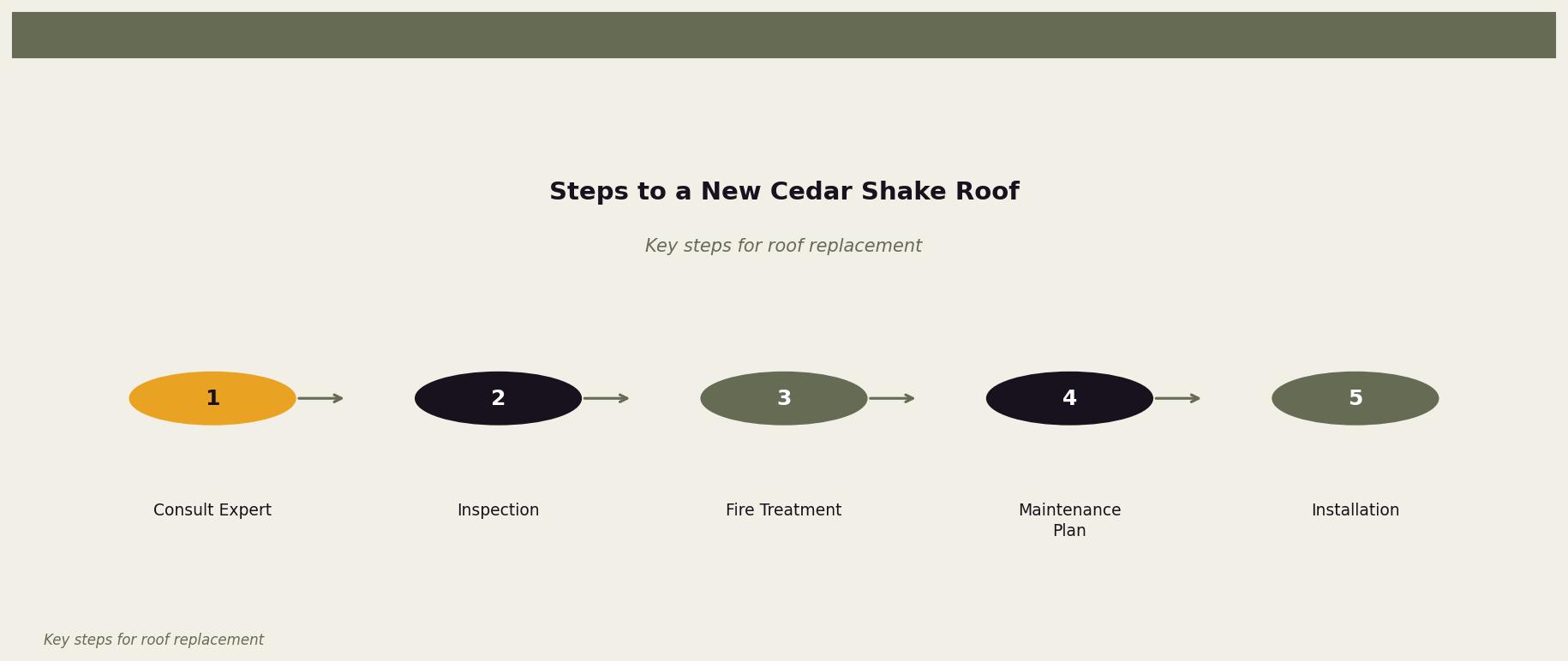
- Work With Someone Who Knows Cedar (and Minnesota): Cedar shake installation and maintenance isn’t the same as working with asphalt shingles. You need a roofer who understands the material and has experience with our specific climate challenges. Ask about their cedar shake experience specifically—how many they’ve installed, how they handle ice dam prevention, what maintenance they recommend.
- Get a Thorough Inspection: Before making any decisions, know exactly what you’re working with. A quality inspection should assess the condition of individual shakes, check for moss or rot, evaluate the underlayment, and identify any ventilation issues that could be shortening your roof’s life.
- Discuss Fire-Retardant Treatments: Modern fire treatments are effective and often required by code. Make sure your roofer uses quality treatments and understands the reapplication schedule.
- Commit to Regular Maintenance: Plan for annual inspections (fall is ideal, before winter hits), periodic cleaning to remove debris and moss, and prompt repairs when shakes crack or curl. A little attention each year prevents expensive problems down the road.
- Address Ventilation and Ice Dams: Proper attic ventilation reduces ice dam formation and helps your cedar shake roof last longer. If you’ve had ice dam issues in the past, address the underlying ventilation problem—don’t just treat the symptoms.
The Path Forward: Making Cedar Shake Work for Your Home
Cedar shake roofing is a commitment. It’s not for everyone, and that’s okay. If you want the lowest possible maintenance and don’t care much about aesthetics, asphalt or metal might serve you better.
But if you love the look of natural wood, appreciate a material that gets more character with age, and you’re willing to invest in proper care, cedar shake can be absolutely worth it. The combination of beauty, insulation, longevity, and environmental friendliness is hard to match with any other material.
The key is going in with realistic expectations. Know the maintenance requirements. Understand the costs. Work with people who know what they’re doing. And then enjoy your roof—because a well-maintained cedar shake roof is genuinely something to enjoy, not just tolerate.
What Minneapolis Homeowners Actually Paid in 2026
Price guides are planning numbers. Here’s what real Minneapolis jobs came in at. In 2026 we signed nine roof-only replacements in Minneapolis, meaning roof work with no siding or gutters in the contract. The median signed price was $18,643, and the middle half landed between about $16,600 and $20,600.
Each dot is one Minneapolis roof-only replacement at its signed contract price, 2026. Insurance jobs are left out.
Your number depends on roof size, pitch, how much decking needs replacing, and which shingle you pick.
Minneapolis’s Storm Record: 26 Damaging Storm Days Since 2011
Any roofer can claim local experience. Here’s what Minneapolis weather has actually thrown at roofs. HailTrace, the storm-mapping service roofers and insurance adjusters rely on, has recorded 26 days since 2011 when hail of 0.75 inch or larger, or winds of 60 mph or more, crossed central Minneapolis. 22 of those were hail days.
Each bar is one year at central Minneapolis (ZIP 55418). Source: HailTrace event history, pulled November 2026.
The biggest hail: 2.5 inches on August 11, 2023
The largest hail HailTrace has recorded over central Minneapolis since 2011 was 2.5 inches on August 11, 2023. The next largest was 2 inches on May 10, 2011. Wind matters too: seven of these storm days brought gusts of 60 mph or more, topping out at 80 mph on August 26, 2024.
Storm days at central Minneapolis since 2024:
- April 17, 2026: 1-inch hail
- August 8, 2025: 1-inch hail
- July 28, 2025: 73 mph winds
- July 27, 2025: 1.5-inch hail and 71 mph winds
- June 28, 2025: 73 mph winds
- August 26, 2024: 80 mph winds
- July 13, 2024: 0.75-inch hail and 65 mph winds
- July 10, 2024: 0.75-inch hail
If your home was standing for any of these storms and nobody has looked at the roof, book a free inspection. We’ll document what we find with photos either way.
When Minneapolis Homeowners Call
Minneapolis requests to Owl peaked in August 2026 with 63. August and September together brought 110 of our 256 Minneapolis requests, 43% of the year in two months.
Minneapolis inspection and quote requests to Owl Roofing by month, March to October 2026.
After a big storm, every roofer’s schedule fills up at once. If your roof is aging or you suspect storm damage, getting an inspection on the calendar early means a calmer decision and better install dates.
Ready to Talk About Your Roof?
We’re Owl Roofing—Tim, Bea, Noah, and Anya—and we’re based right here in Shoreview. We’ve worked on cedar shake roofs throughout the Twin Cities, from historic Minneapolis neighborhoods to newer construction in the suburbs. We’ve seen what Minnesota winters do to wood roofing, and we know what it takes to make cedar shake last.
If you’re weighing your options or worried about an existing cedar roof, we’re happy to take a look and give you an honest assessment. No pressure, no scare tactics—just straight talk from neighbors who happen to know roofing. Give us a call at 651-977-6027 or visit owlroofing.com/ to get started. We serve all of the Twin Cities, and we’d love to help you figure out the right path forward for your home.
Protect Your Nest.
📍 Owl Roofing Serves the Entire Twin Cities Metro
Andover · Anoka · Apple Valley · Arden Hills · Big Lake · Blaine · Bloomington · Brooklyn Center · Brooklyn Park · Burnsville · Champlin · Chanhassen · Chaska · Columbia Heights · Coon Rapids · Cottage Grove · Crystal · deephaven · Delano · Eagan · East Bethel · Eden Prairie · Excelsior · Farmington · Forest Lake · Fridley · Golden Valley · Ham Lake · Hastings · Hopkins · Hugo · Inver Grove Heights · Lake Elmo · Lakeville · Lino Lakes · Mahtomedi · Maplewood · Mendota Heights · Minneapolis · Minnetrista · Mound · Mounds View · New Brighton · New Hope · North Oaks · North St. Paul · Oak Grove · Oakdale · Plymouth · Prior Lake · Ramsey · Richfield · Robbinsdale · Rosemount · Roseville · Saint Paul · Savage · Shakopee · Shoreview · South St. Paul · St. Louis Park · St. Michael · St. Paul · Stillwater · Vadnais Heights · Victoria · Waconia · wayzata · West St. Paul · White Bear Lake · woodbury
Licensed Minnesota roofing contractor · Free inspections · 10-year workmanship warranty · Get a free estimate →
Where These Numbers Come From
- Owl Roofing job records: Minneapolis, MN projects in our CRM for the 2026 season. Prices are signed contract values for roof-only replacements, excluding insurance jobs. We don’t share addresses or customer details.
- HailTrace: storm event history for central Minneapolis (ZIP 55418), 2011 to 2026, counting hail of 0.75 inch or larger and winds of 60 mph or more. Pulled November 2026.
- Photos: Owl Roofing project photos from Minneapolis-area jobs.
