




Residential Roofing Minneapolis Services Materials and What Homeowners Should Know
 12min Read
 Posted 2.01.2026
Residential Roofing Minneapolis: What Homeowners Should Know
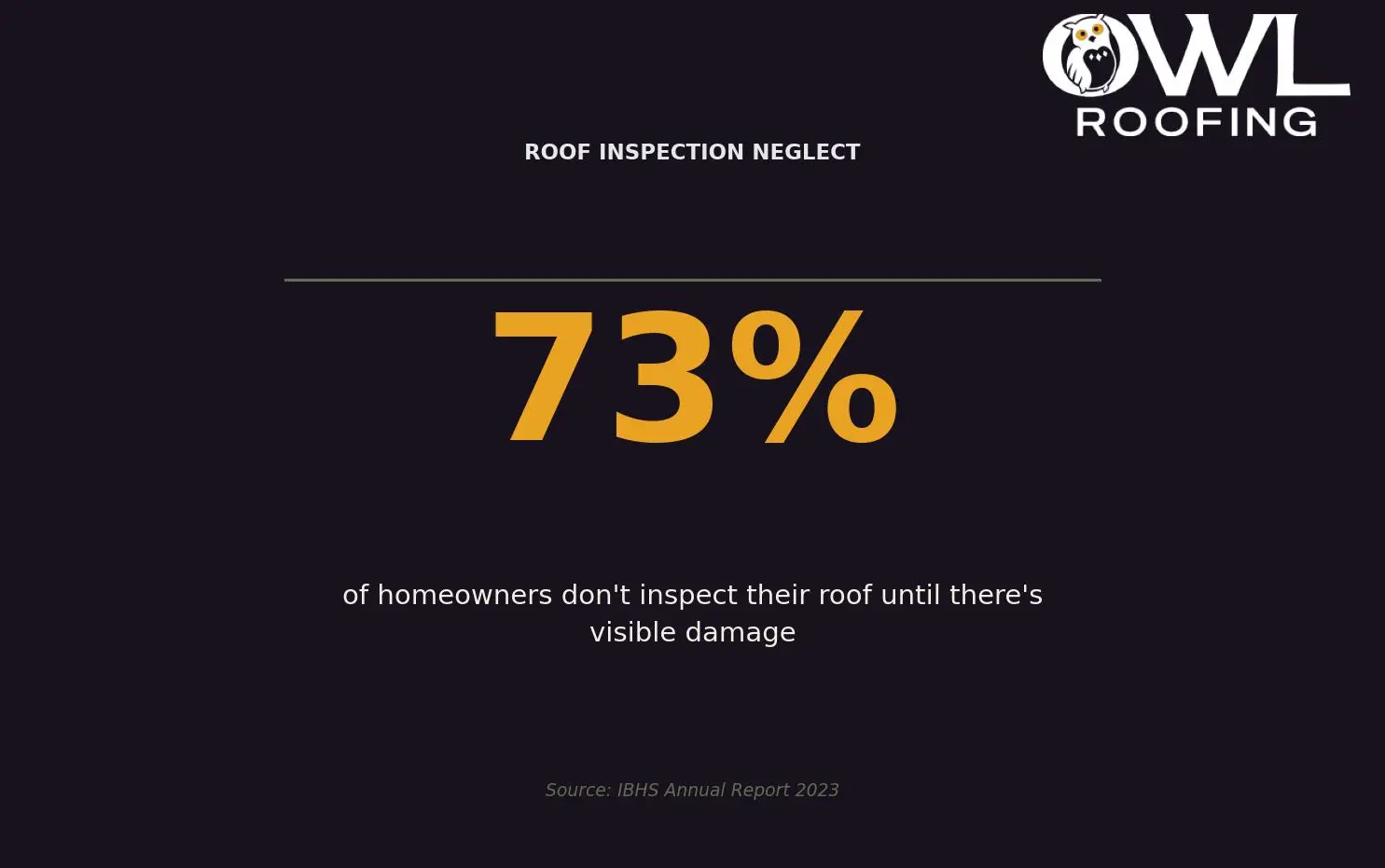
Here’s a number that should make every Twin Cities homeowner pause: 73% of us don’t look at our roof until water is dripping onto the kitchen floor. That’s according to the Insurance Institute for Business & Home Safety (IBHS), and if you’ve ever dealt with a leak at 2 AM during a February ice storm, you know exactly how that story ends—stress, scrambling, and a repair bill that makes your stomach drop.
Minneapolis roofs don’t have it easy. We ask them to handle -20°F nights, 90°F summer days, hail the size of golf balls, and enough snow to bury a compact car. And most of the time, they do their job quietly. Until they don’t. The problem isn’t usually dramatic—it starts small. A few missing shingles. Some ice buildup in the gutters. A tiny soft spot you can’t see from the ground. But left alone? That tiny problem becomes a very expensive one.
Let’s talk about what actually matters when it comes to residential roofing in Minneapolis—the materials, the costs, the local challenges, and what you can do right now to avoid becoming part of that 73% statistic.
The Real Cost of Ignoring Your Roof
We get it—your roof isn’t exactly exciting. It’s up there, out of sight, and unless something goes wrong, you probably don’t think about it much. That’s human nature. But here’s where ignoring it gets expensive.
The National Roofing Contractors Association (NRCA) points to extreme weather as one of the leading causes of roof damage nationwide. And in Minneapolis? We’ve got extreme weather in spades. The average winter temperature here drops to 11°F, which means your roof spends months dealing with snow load, ice dams, and the constant freeze-thaw cycle that slowly breaks down even the toughest materials.
When your roof starts failing, it doesn’t just leak. A compromised roof loses its ability to insulate your home, which means your furnace works overtime all winter. You’ll see it in your energy bills before you see it in your ceiling. And if moisture gets into your attic or walls? Now you’re looking at mold remediation, structural repairs, and costs that dwarf what a simple inspection would have caught.
One Minneapolis homeowner we know put off a roof inspection for three years. “It looked fine from the driveway,” she said. By the time she noticed a water stain in her upstairs bedroom, the damage had spread through two layers of insulation and into the ceiling joists. What could have been a $400 repair turned into a $12,000 project. That’s the amplified cost of waiting.
Roofing Materials: What Actually Works in Minnesota
Asphalt Shingles: The Workhorse
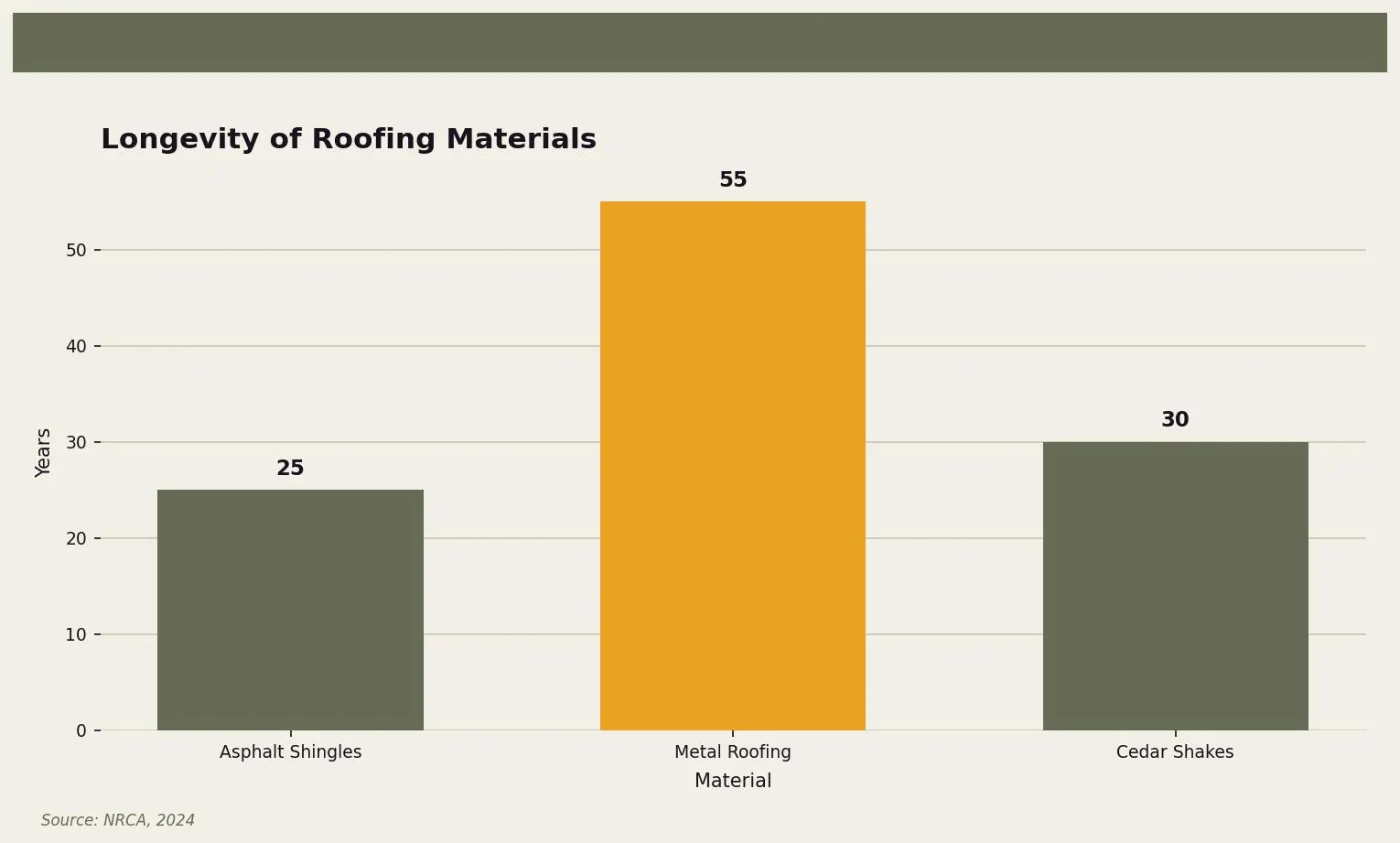
There’s a reason you see asphalt shingles on most homes in the Twin Cities—they work, and they won’t drain your bank account. The NRCA reports that asphalt shingles can last 20-30 years with proper maintenance, which is solid performance for the price.
Modern architectural shingles have come a long way from the flat, basic three-tab style your parents might remember. They’re thicker, more wind-resistant, and actually look good. For most Minneapolis homeowners, asphalt is the sweet spot between durability and budget. Just know that “20-30 years” assumes you’re maintaining them—cleaning debris, replacing damaged shingles, and keeping those gutters clear.
Metal Roofing: The Long Game
If you’re planning to stay in your home for decades (or you’re just tired of thinking about your roof), metal deserves a look. Metal roofs typically last 40-70 years—we’re talking a roof that might outlive your mortgage, your car, and possibly your interest in yard work.
In Minnesota, metal has another advantage: snow slides right off. No more worrying about ice dams or heavy snow load cracking your shingles. Yes, the upfront cost is higher—sometimes significantly so. But the National Association of Realtors (NAR) found that a new metal roof can increase a home’s resale value by up to 6%. If you’re doing the math on a $400,000 home, that’s a $24,000 bump in value. Suddenly the investment looks different.
The knock on metal? Some people don’t love the look, though modern options mimic traditional shingles pretty convincingly. And yes, you’ll hear rain more clearly. Some homeowners find it cozy. Others find it annoying. Worth considering before you commit.
Cedar Shakes: Beautiful but High-Maintenance
Cedar shakes give your home that classic, rustic look that photographs beautifully and makes neighbors jealous. They also provide excellent natural insulation, which matters during a Minnesota winter. But here’s the catch: cedar demands attention.
These shingles are prone to mold, mildew, and insect damage if you don’t stay on top of maintenance. You’ll need to treat them regularly, and they’re more vulnerable to fire than other materials (something to consider if you’re in a wooded area). They’re gorgeous, but they’re a commitment. If you travel a lot or prefer a “set it and forget it” approach to home maintenance, cedar might not be your best match.
The Money Breakdown: What to Expect
Let’s get specific about costs, because “it depends” isn’t helpful when you’re trying to budget.
For a typical Minneapolis home (around 2,000 square feet of roof area), here’s what you’re looking at:
- Asphalt shingles: $8,000–$15,000 installed, depending on the quality of materials and complexity of your roof
- Metal roofing: $15,000–$30,000+ installed, with standing seam options at the higher end
- Cedar shakes: $14,000–$25,000 installed, plus ongoing maintenance costs
These ranges vary based on your roof’s pitch, accessibility, whether you need tear-off of old materials, and the contractor you choose. But they give you a realistic starting point for conversations.
Here’s the thing about cost: the cheapest option upfront isn’t always the cheapest option over time. If you install budget asphalt shingles and they fail in 15 years instead of 25, you’ve paid for two roofs in the time you could have paid for one quality installation. Think about your timeline. How long do you plan to stay in this home? What’s your tolerance for maintenance? These questions matter more than the sticker price.
Twin Cities Weather: Why Your Roof Works Harder Here
Minneapolis isn’t just cold—it’s the temperature swings that really test your roof. We can go from 20°F to 45°F in a single day during shoulder seasons, and that freeze-thaw cycle is murder on roofing materials.
When water gets into tiny cracks, freezes, and expands, it makes those cracks bigger. Then it thaws, seeps deeper, and freezes again. Repeat this dozens of times per season, and you’ve got shingles cracking, flashing pulling away, and gaps opening up that weren’t there in the fall. This is why so many Minneapolis roofs develop problems that homes in milder climates never see.
Ice Dams: Minnesota’s Signature Roof Problem
If you’ve lived here more than a winter or two, you’ve probably seen ice dams—those thick ridges of ice that form at the edge of roofs, sometimes with dramatic icicles hanging off. They look kind of pretty until you realize what they’re doing to your home.
Ice dams form when heat escapes from your attic, melting snow on the upper part of your roof. That water runs down toward the colder eaves, where it refreezes into a dam. More meltwater backs up behind the dam, pools under your shingles, and finds its way into your home. The IBHS specifically flags ice dams as a major concern for Minnesota homeowners.
The fix isn’t on your roof—it’s in your attic. Proper insulation and ventilation keep your roof deck cold and even, so snow melts slowly and drains normally instead of creating dams. If you’re getting ice dams every winter, that’s a sign your attic needs attention, not just your roof.
Your Action Plan: What to Do Now
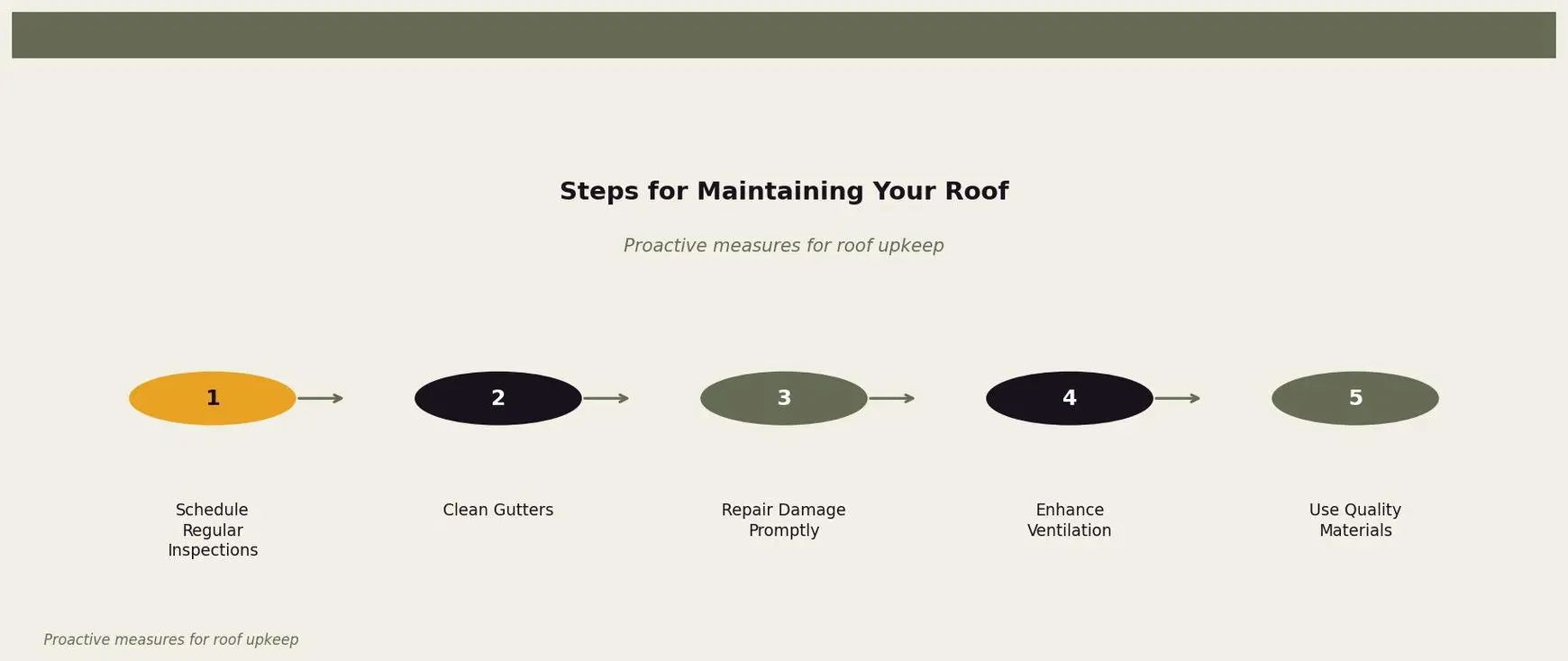
Being proactive about your roof isn’t complicated. It just takes a little attention at the right times. Here’s your practical checklist:
1. Schedule a Professional Inspection
If your roof is over 10 years old and you haven’t had it inspected recently, that’s step one. A good inspector will check your shingles, flashing, gutters, vents, and attic ventilation. They’ll catch small problems before they become big ones. The NRCA recommends inspections twice a year—once in spring and once in fall.
2. Don’t Skip the Post-Storm Check
After any major storm—hail, high winds, heavy snow—take a look. You don’t need to climb up there. Just walk around your house and look for missing shingles, damaged gutters, or debris on the roof. If something looks off, call a professional before the next storm makes it worse.
3. Keep Your Gutters Clean
Clogged gutters cause water to back up under your shingles and along your fascia. In winter, that backed-up water freezes and contributes to ice dams. Clean them out in spring and fall, or install gutter guards if you’re tired of the chore.
4. Address Damage Immediately
See a missing shingle? Notice a small leak? Don’t wait. Roof damage doesn’t heal itself—it gets worse. A $200 repair today can save you thousands next year.
5. Invest in Proper Ventilation
If you’re getting ice dams, if your attic feels like a sauna in summer, or if you’re seeing moisture or mold up there, your ventilation needs work. This might mean adding ridge vents, soffit vents, or improving insulation. It’s not glamorous, but it extends your roof’s life significantly.
Choosing Quality Materials: It Matters More Than You Think
When it’s time for a new roof, you’ll face a lot of choices. The temptation is to go with the lowest bid, but remember—you’re not just buying shingles. You’re buying 20+ years of protection for everything you own.
Ask potential contractors about the specific products they use. What’s the warranty? What’s the manufacturer’s reputation? A roof is only as good as its weakest component, so cheap underlayment or flashing can undermine even premium shingles.
And don’t overlook workmanship. The best materials in the world won’t perform if they’re installed incorrectly. Look for contractors with solid local reputations, proper licensing, and crews who actually work for them—not subcontractors who showed up last week.
Ready to Protect Your Home?
If you’ve made it this far, you’re already ahead of most homeowners. You know what your roof is up against, you understand your options, and you’ve got a plan. That puts you firmly outside that 73% who wait until there’s water dripping onto the couch.
At Owl Roofing, we've seen what Minnesota weather does to roofs—the ice dams, the wind damage, the slow deterioration that sneaks up on you. We're a family-owned company right here in Shoreview, serving neighbors across the Twin Cities. No franchises, no storm chasers who disappear after the check clears. Just local folks who'll look at your roof, tell you exactly what it needs, and get it done right. If you'd like an honest assessment—or you've just got questions—give us a call at 651-977-6027 or visit owlroofing.com/. We're happy to help, whether you need us this week or three years from now. Protect Your Nest.
📍 Owl Roofing Serves the Entire Twin Cities Metro
Andover · Anoka · Apple Valley · Arden Hills · Big Lake · Blaine · Bloomington · Brooklyn Center · Brooklyn Park · Burnsville · Champlin · Chanhassen · Chaska · Columbia Heights · Coon Rapids · Cottage Grove · Crystal · deephaven · Delano · Eagan · East Bethel · Eden Prairie · Excelsior · Farmington · Forest Lake · Fridley · Golden Valley · Ham Lake · Hastings · Hopkins · Hugo · Inver Grove Heights · Lake Elmo · Lakeville · Lino Lakes · Mahtomedi · Maplewood · Mendota Heights · Minneapolis · Minnetrista · Mound · Mounds View · New Brighton · New Hope · North Oaks · North St. Paul · Oak Grove · Oakdale · Plymouth · Prior Lake · Ramsey · Richfield · Robbinsdale · Rosemount · Roseville · Saint Paul · Savage · Shakopee · Shoreview · South St. Paul · St. Louis Park · St. Michael · St. Paul · Stillwater · Vadnais Heights · Victoria · Waconia · wayzata · West St. Paul · White Bear Lake · woodbury
Licensed Minnesota roofing contractor · Free inspections · 10-year workmanship warranty · Get a free estimate →
