Best Roofing Company Minneapolis Real Criteria to Find Top Rated Roofers
 14min Read
 Posted 2.08.2026
Finding the Best Roofing Company in Minneapolis: Real Criteria for Twin Cities Homeowners
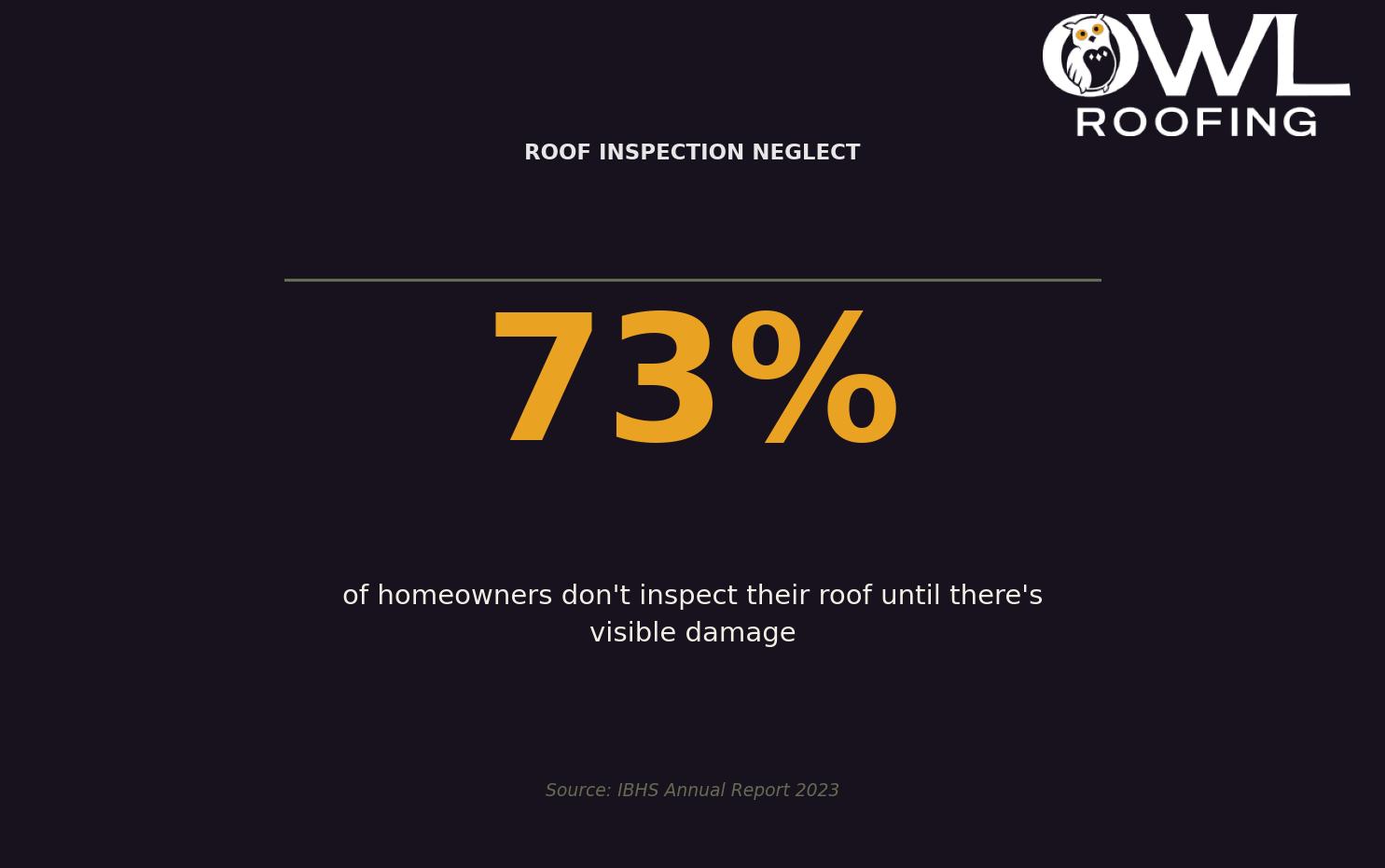
Here’s a stat that should make you nervous: 73% of homeowners don’t look at their roof until something’s already wrong. In Minneapolis, where we get everything from polar vortex dumps to summer hailstorms, that’s like ignoring your smoke detector until you smell smoke. The good news? Finding the best roofing company in Minneapolis doesn’t require a contractor’s license or a weekend of research. You just need to know what actually matters—and what’s just marketing fluff.
We’re going to break down the real criteria that separate top-rated roofers from the guys who’ll take your deposit and disappear after the first snowfall. No vague “find someone reputable” advice here. Just concrete things to look for, questions to ask, and red flags to avoid—so you can get your roof handled and move on with your life.
Why Your Choice of Roofer Matters More in Minnesota
Let’s be honest: roofing in Arizona is a different sport than roofing in the Twin Cities. Our climate is genuinely brutal on homes. We swing from -20°F in January to 95°F in July. That temperature whiplash—the freeze-thaw cycles that happen dozens of times each winter—puts stress on roofing materials that most of the country never experiences.
Here’s what’s at stake with a bad roofing job:
- Leaks that start small and get expensive fast. Water finds every gap, every poorly sealed flashing, every lifted shingle. By the time you notice the ceiling stain, you might have mold in your attic.
- Energy bills that creep up. A roof that’s not properly ventilated or insulated makes your furnace work overtime. You’re literally heating the sky.
- Structural damage. Ice dams don’t just look bad—they force water under your shingles and into your roof deck. Do that enough times, and you’re replacing plywood, not just shingles.
The Insurance Institute for Business & Home Safety (IBHS) found that proper roof maintenance can extend your roof’s life by up to 50%. That’s not a typo. A 20-year roof becomes a 30-year roof with the right installation and care. The opposite is also true: a roof installed by someone who doesn’t know Minnesota conditions might fail in half its expected lifespan.
According to Census Bureau data, 21% of Minnesota homes experienced roof damage in the past year due to severe weather. One in five. That means if you’re standing on your block looking at your neighbors’ houses, statistically at least one of them dealt with roof damage recently. Some of those homeowners called a great roofer. Some of them… didn’t. The difference in their experience—and their final bill—was probably significant.
The Real Criteria: What Actually Makes a Top-Rated Roofer
Forget the generic advice about “checking reviews.” Here’s what genuinely separates the best roofing company in Minneapolis from the mediocre ones—broken down by what they offer, why it matters, and what you actually get out of it.
Proper Licensing and Insurance (Yes, This Is Non-Negotiable)
The feature: A legitimate roofing company carries current licensing, general liability insurance, and workers’ compensation coverage. They can show you proof without hesitation.
The advantage: This protects you legally and financially. If an uninsured worker falls off your roof, guess whose homeowner’s insurance gets the claim? Yours. If an unlicensed contractor does substandard work, you have almost no recourse.
The benefit to you: Peace of mind that you’re not exposed to liability, and confidence that if something goes wrong, there’s a legitimate business standing behind the work. You can actually find them if you need to.
How to verify: Ask for certificate of insurance directly. Call their insurance company to confirm it’s current. Check the Minnesota Department of Labor and Industry’s contractor registration. This takes 15 minutes and could save you thousands.
Industry Certifications That Actually Mean Something
The feature: Look for roofers with certifications from organizations like the National Roofing Contractors Association (NRCA) or manufacturer certifications from GAF, CertainTeed, or Owens Corning.
The advantage: These certifications require ongoing training, adherence to installation standards, and often background checks. A certified roofer has proven they know current best practices—not just “the way we’ve always done it.”
The benefit to you: Better installation quality, access to extended manufacturer warranties (some only available through certified installers), and confidence that your roofer stays current on materials and techniques. When shingle technology changes or new underlayment products hit the market, certified roofers learn about them first.
Red flag: Any roofer who dismisses certifications as “just paperwork” or “not necessary” is telling you something about their commitment to quality. Listen to them.
Genuine Local Experience (Not Just a Local Phone Number)
The feature: A roofing company that’s been operating in the Twin Cities for years, with a physical address you can visit and a track record you can verify.
The advantage: They’ve seen everything Minnesota weather can throw at a roof. They know which materials hold up best here. They understand ice dam prevention, proper attic ventilation for our climate, and how to work around our short construction season. They’re also not going to disappear after a big storm—they’ll still be here next year when you need them.
The benefit to you: Solutions that actually work for your specific situation, not generic recommendations from someone who learned roofing in Texas. Plus, when you call with a question in two years, they’ll answer. They live here too. Their reputation is on the line every day.
Watch out for: “Storm chasers”—out-of-state crews that flood into Minnesota after major hail events, knock on every door in the neighborhood, do fast work, and leave before anyone notices the problems. They’ll be in Oklahoma by the time your flashing starts leaking.
Quality Materials (With Specifics, Not Vague Promises)
The feature: Top-rated roofers in Minneapolis use materials from reputable manufacturers and can tell you exactly what they’re installing—brand, product line, warranty tier, and why it’s appropriate for your home.
The advantage: Not all shingles are created equal. A premium architectural shingle handles Minnesota’s UV exposure and temperature swings better than a basic three-tab. Metal roofing—increasingly popular here—requires proper installation to avoid issues with thermal expansion. Your roofer should know these details cold.
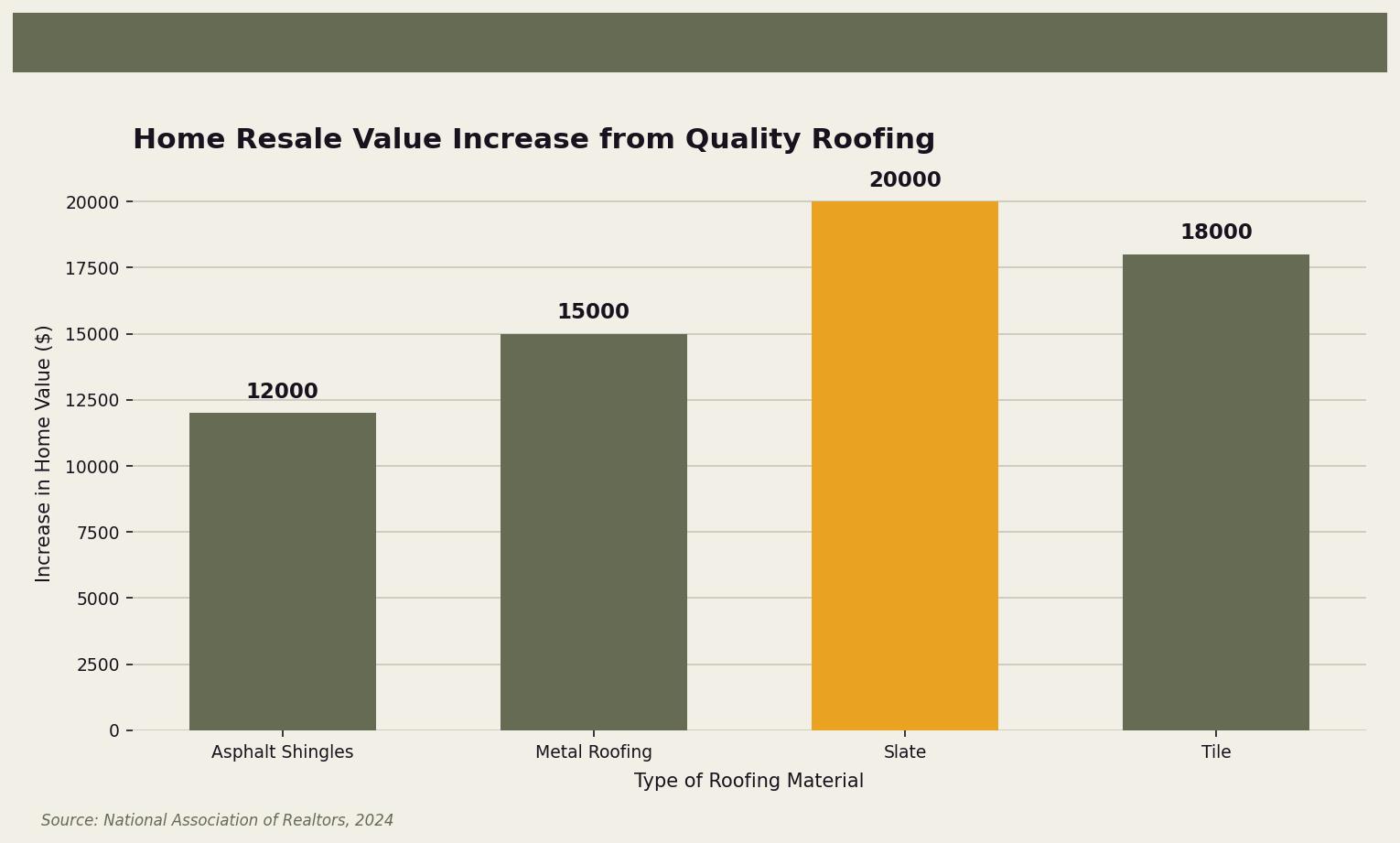
The benefit to you: According to the National Association of Realtors, high-quality roofing materials can increase a home’s resale value by an average of $12,000. But more immediately, you get a roof that actually lasts as long as it’s supposed to, looks good doing it, and doesn’t require repairs every few years.
Ask this: “What specific products are you recommending for my roof, and why?” If they can’t answer in detail, that’s concerning.
Comprehensive Warranties (Read the Fine Print)
The feature: The best roofing contractors offer warranties on both materials (from the manufacturer) and workmanship (from the contractor). These should be clearly explained in writing before any work begins.
The advantage: A manufacturer warranty covers defects in the shingles or materials themselves. A workmanship warranty covers installation errors. You need both. Some roofers skip the workmanship warranty or offer something so limited it’s essentially meaningless.
The benefit to you: If your roof develops a problem in year three, you’re not paying out of pocket to fix someone else’s mistake. You have recourse. You can call the company, point to the warranty, and get it handled. That’s the whole point of hiring professionals instead of doing it yourself.
Get this in writing: What exactly is covered? For how long? What’s excluded? What do you need to do to maintain the warranty (annual inspections, for example)? A good roofer will walk you through this without making you feel like you’re being difficult.
Twin Cities-Specific Considerations
Some roofing concerns are universal. Others are distinctly Minnesota. Here’s what a recommended roofer in Minneapolis should know inside and out:
Ice Dam Prevention
Ice dams form when heat escapes through your roof, melts snow, and the water refreezes at the eaves. They’re incredibly common here and incredibly damaging. A knowledgeable roofer will talk to you about:
- Proper attic insulation to keep heat inside your living space, not warming your roof deck
- Adequate ventilation so cold air circulates under the roof and keeps the surface temperature consistent
- Ice and water shield membrane along the eaves and in valleys—this is code in Minnesota, but the quality and extent of installation varies
If a roofer doesn’t bring up ice dams during your consultation, they either don’t know Minnesota roofing or they’re not paying attention. Either way, that’s a problem.
Ventilation That Works for Our Climate
Minnesota homes need balanced attic ventilation—intake vents at the soffits, exhaust vents at the ridge or near the peak. This isn’t optional. Poor ventilation causes moisture buildup in winter (hello, mold) and overheating in summer (hello, premature shingle failure).
A good Minneapolis roofer will assess your current ventilation and recommend improvements if needed. Sometimes that’s as simple as adding soffit vents. Sometimes it requires more work. But they should be talking about it.
Material Recommendations for Our Weather
Not every roofing material performs equally here. Your roofer should be able to explain:
- Why certain shingle lines handle freeze-thaw better than others
- The pros and cons of metal roofing in Minnesota (spoiler: it’s great for shedding snow, but installation matters enormously)
- What underlayment products work best for our moisture levels
- Why a “good deal” on materials rated for a milder climate isn’t actually a good deal
Your Action Plan: Finding the Best Roofer Without Losing Your Mind
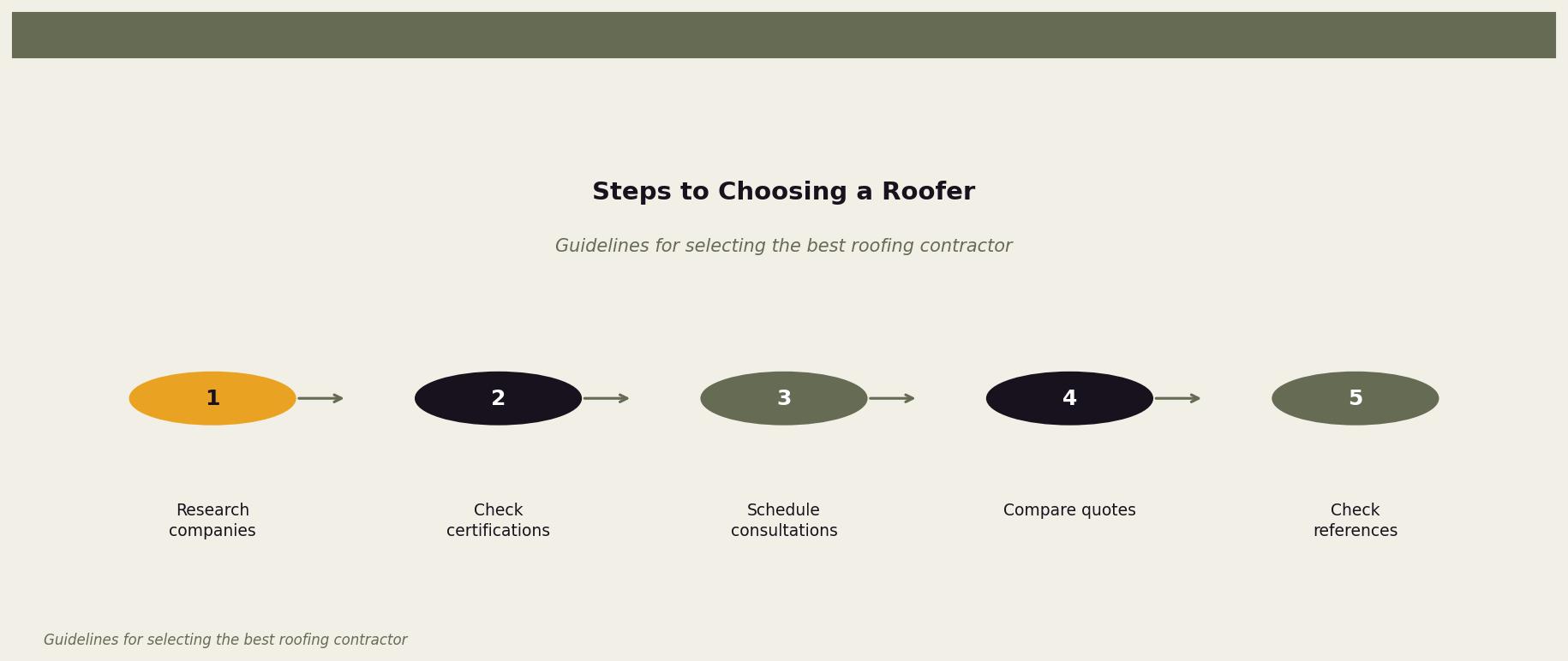
Here’s a straightforward process that won’t eat your whole weekend:
Step 1: Start with three candidates. Ask neighbors who’ve had roof work done recently. Check Google reviews, but read them—look for specifics, not just star ratings. Nextdoor can be useful here too. You want local recommendations from people who’ve actually worked with these companies.
Step 2: Verify the basics before you call. Check licensing, insurance, and any certifications online. This eliminates fly-by-night operations immediately.
Step 3: Schedule consultations. A reputable roofer will come to your home, look at your actual roof, and give you a detailed estimate. Be wary of anyone who quotes over the phone without seeing the job. Roofing isn’t one-size-fits-all.
Step 4: Compare apples to apples. Make sure each estimate specifies the same scope of work, similar materials, and comparable warranties. The cheapest bid often leaves out things the more expensive bids include—like proper flashing replacement or adequate ventilation work.
Step 5: Ask for references and actually call them. This feels awkward, but it takes five minutes. Ask the reference: Did the project stay on budget? On time? Were there any issues, and how did the company handle them? Would you hire them again?
Step 6: Trust your gut on communication. How quickly did they respond? Did they answer your questions clearly? Did you feel pressured or informed? The company you choose will be at your house for several days. You want to work with people who communicate well.
Red Flags That Should Send You Running
While you’re evaluating roofers, watch for these warning signs:
- High-pressure sales tactics. “This price is only good today” is a classic. Legitimate roofers don’t need to pressure you. They have plenty of work.
- Asking for large deposits upfront. A reasonable deposit is normal. Half the project cost before materials arrive is not.
- No physical address or just a P.O. box. You want a company you can find if something goes wrong.
- Cash-only deals or “discounts” for avoiding paperwork. This usually means they’re avoiding taxes, insurance, or both. That’s your liability.
- Unwillingness to provide references or proof of insurance. Any legitimate roofer will have both readily available. If they hesitate, walk away.
- Vague estimates. “Roof replacement, approximately $15,000” isn’t an estimate. You need line items: materials, labor, permits, cleanup, warranty details.
The Bottom Line on Finding the Best Roofing Company in Minneapolis
Choosing a roofer isn’t exciting. Nobody wakes up eager to compare roofing estimates. But the decision matters—probably more than most home improvement choices you’ll make. A good roof protects everything underneath it. A bad roof creates problems that cascade through your entire house.
The best roofing company in Minneapolis isn’t necessarily the cheapest or the one with the slickest website. It’s the one that shows up with proper credentials, communicates clearly, understands Minnesota’s specific challenges, uses quality materials, stands behind their work, and treats you like a neighbor—not a transaction.
Do your homework upfront. Ask the right questions. Verify the important stuff. Then hire someone you trust and let them do their job. Your roof—and your peace of mind—will thank you.
Need a Roofer You Can Actually Trust?
If you're looking for a roofing company that checks all these boxes, we'd love to talk. Owl Roofing is family-owned by Tim & Bea Brown and Noah & Anya Bergland—we're based right here in Shoreview and serve homeowners throughout the Twin Cities. We've spent over 15 years combined working on Minnesota roofs, which means we've seen every type of weather damage, material failure, and "creative" previous repair job you can imagine. We look at your roof, tell you exactly what it needs, and get it done right. No pressure, no chasing us down for answers, no surprises on the invoice. Just honest work from neighbors who'll still be here when you need us. Give us a call at 651-977-6027 or visit owlroofing.com/ to schedule a free inspection. Protect Your Nest.
📍 Owl Roofing Serves the Entire Twin Cities Metro
Andover · Anoka · Apple Valley · Arden Hills · Big Lake · Blaine · Bloomington · Brooklyn Center · Brooklyn Park · Burnsville · Champlin · Chanhassen · Chaska · Columbia Heights · Coon Rapids · Cottage Grove · Crystal · deephaven · Delano · Eagan · East Bethel · Eden Prairie · Excelsior · Farmington · Forest Lake · Fridley · Golden Valley · Ham Lake · Hastings · Hopkins · Hugo · Inver Grove Heights · Lake Elmo · Lakeville · Lino Lakes · Mahtomedi · Maplewood · Mendota Heights · Minneapolis · Minnetrista · Mound · Mounds View · New Brighton · New Hope · North Oaks · North St. Paul · Oak Grove · Oakdale · Plymouth · Prior Lake · Ramsey · Richfield · Robbinsdale · Rosemount · Roseville · Saint Paul · Savage · Shakopee · Shoreview · South St. Paul · St. Louis Park · St. Michael · St. Paul · Stillwater · Vadnais Heights · Victoria · Waconia · wayzata · West St. Paul · White Bear Lake · woodbury
Licensed Minnesota roofing contractor · Free inspections · 10-year workmanship warranty · Get a free estimate →

Recent Articles
Explore The Blog