Roof Cricket: What It Is, Why It Matters, and Why Minnesota Homes Depend on It
 7min Read
 Posted 1.05.2026
If you’ve ever noticed a small, peaked structure installed behind a chimney, you’ve seen a roof cricket at work. A roof cricket is one of those details that most homeowners never think about—until it fails. In Minnesota’s harsh climate, where snow, ice, and water are constant stressors, a roof cricket can be the difference between a dry, protected home and chronic leaks that quietly damage framing, insulation, and ceilings.
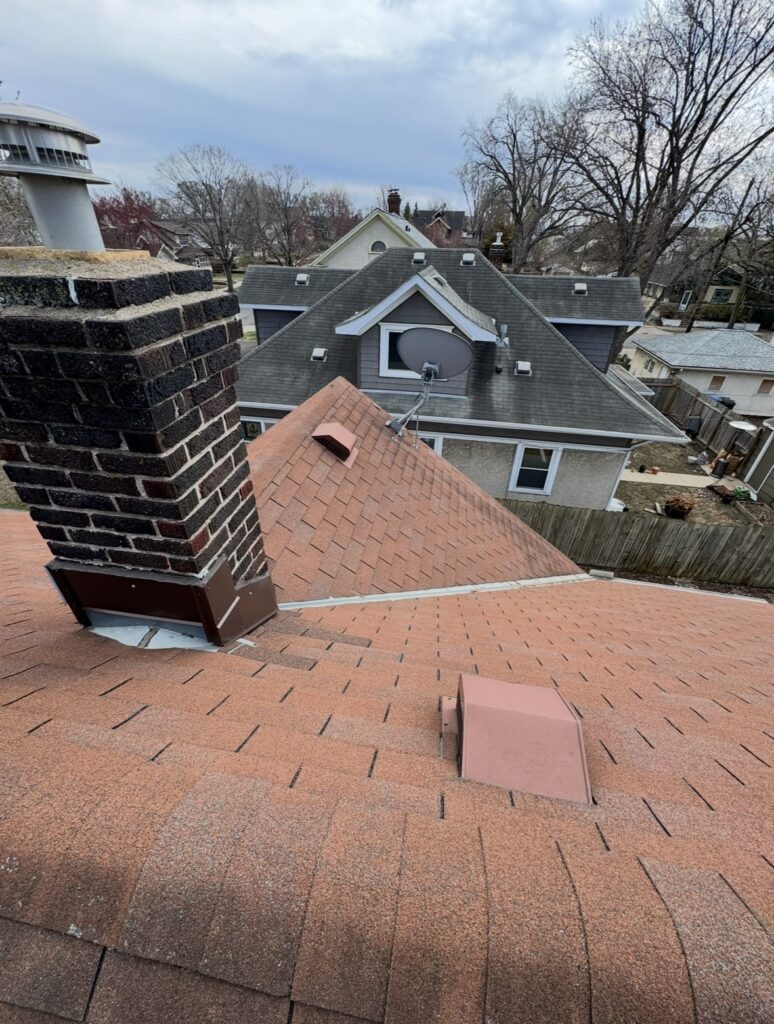
At Owl Roofing, we believe homeowners deserve to understand why these details matter. A roof cricket isn’t a sales add-on or a technical upsell—it’s a protective measure that honors your home and protects your nest. When installed correctly, a roof cricket quietly diverts water and snow away from vulnerable areas, preserving both your roof system and your peace of mind.
What Is a Roof Cricket?
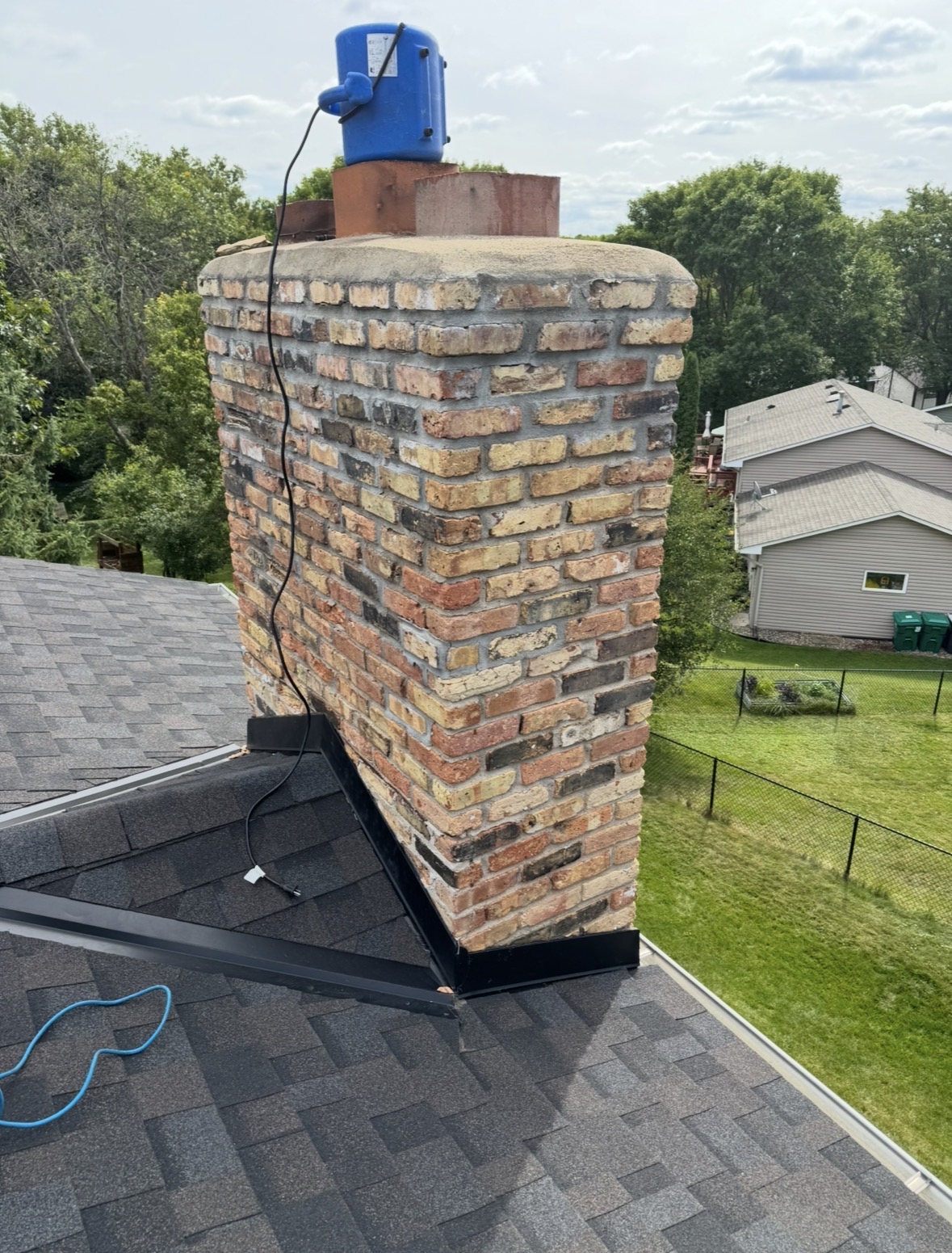
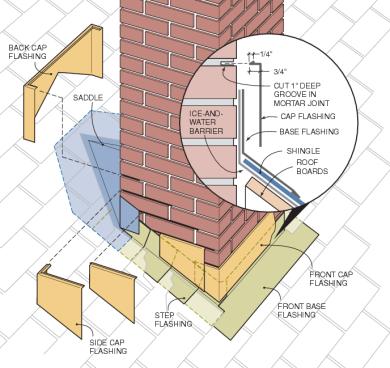
A roof cricket (also called a roof saddle) is a raised, triangular structure installed on the upslope side of a chimney or large roof penetration. Its sole job is to redirect water, snow, and debris around that obstruction instead of allowing it to pool behind it. Without a roof cricket, water naturally slows down behind a chimney, increasing the risk of leaks, ice dams, and premature roof failure.
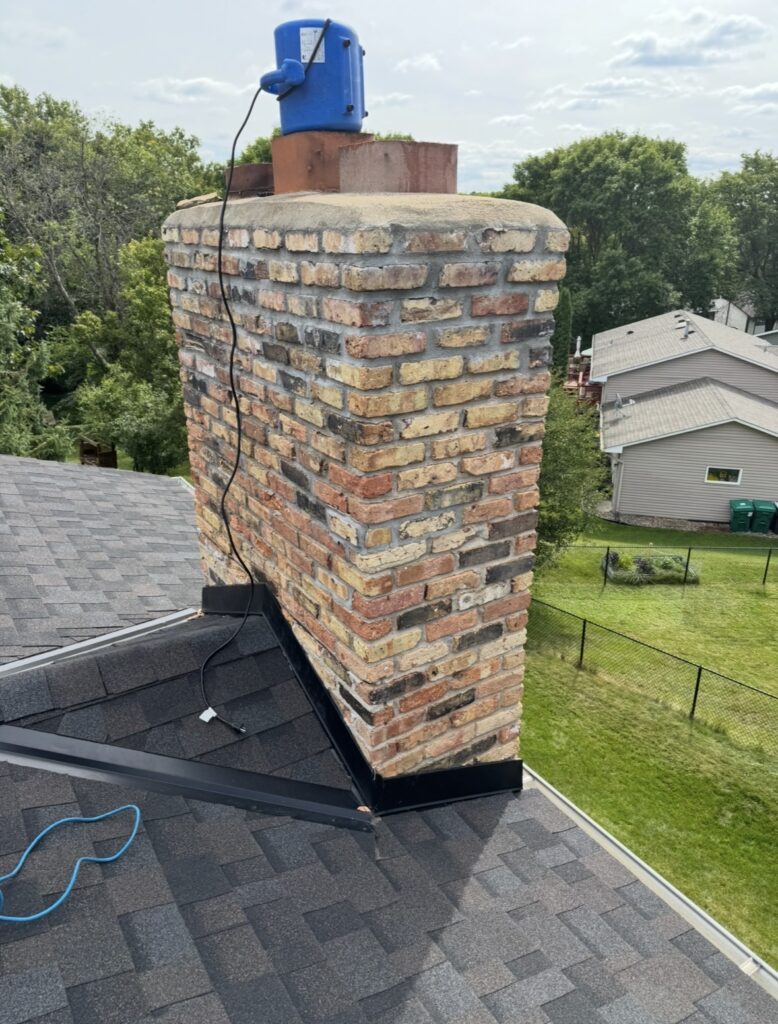
Think of a roof cricket as a traffic director for water. Instead of letting moisture pile up in one high-risk spot, it gently guides it down the roof and into the drainage system where it belongs. In Minnesota, where freeze–thaw cycles are relentless, that guidance is critical. Check out our friends at Fine Homebuilding for a great tutorial of the making of a roof cricket.
Why Roof Crickets Matter in Minnesota’s Climate
A properly built roof cricket is especially important in cold-weather regions like the Twin Cities. Snow accumulation behind chimneys is common, and when that snow melts during the day and refreezes at night, it creates pressure points in flashing and shingles. Over time, those pressure points become entry points for water.
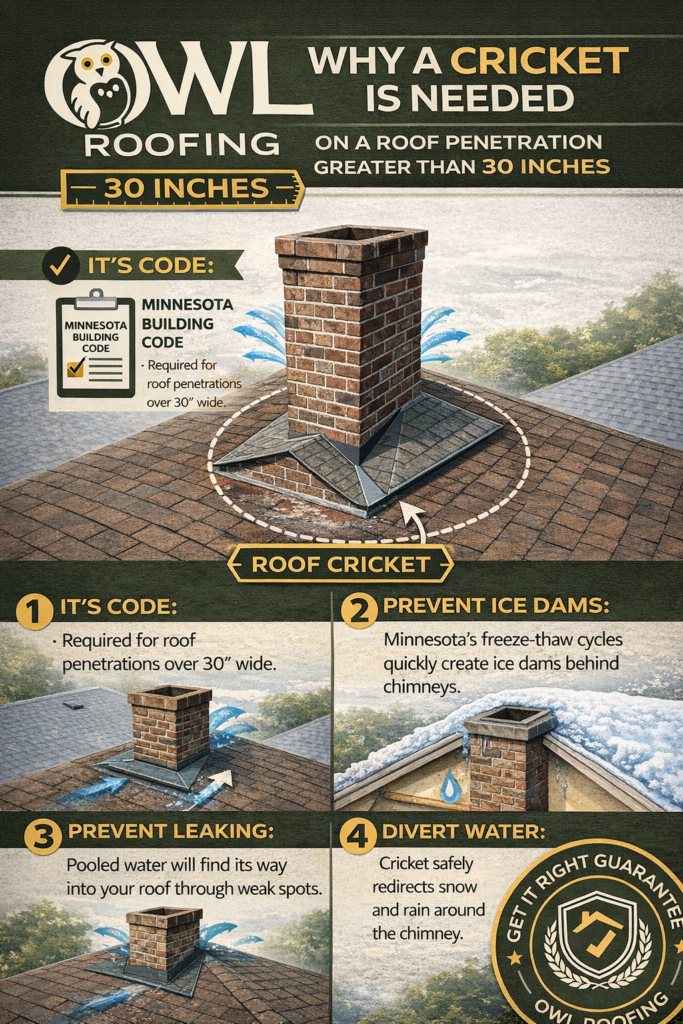
Minnesota homes face:
- Heavy snow loads
- Rapid spring melt cycles
- Ice dam formation
- Wind-driven rain
A roof cricket reduces all of these risks by eliminating standing water. That’s not optional protection—it’s responsible construction.
Minnesota Building Code Requirements for Roof Crickets
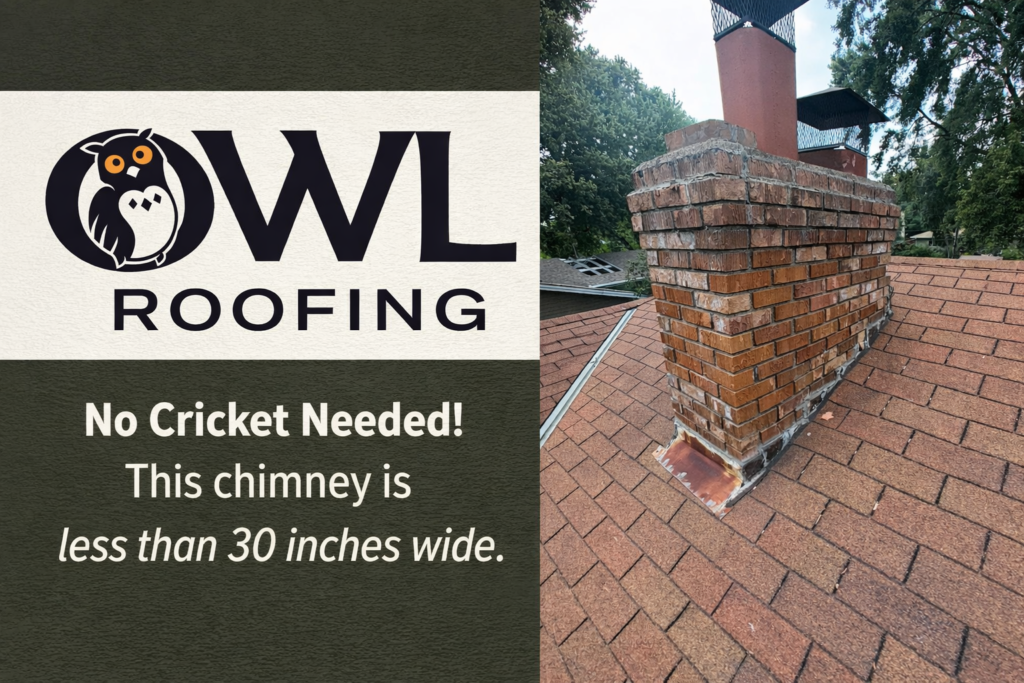
Here’s where clarity matters. According to the Minnesota Building Code, a roof cricket (or saddle) is required on the ridge side of chimneys or roof penetrations that are over 30 inches wide, measured perpendicular to the roof slope. These crickets must be covered in sheet metal or the same roofing material as the rest of the roof to properly divert water and snow.
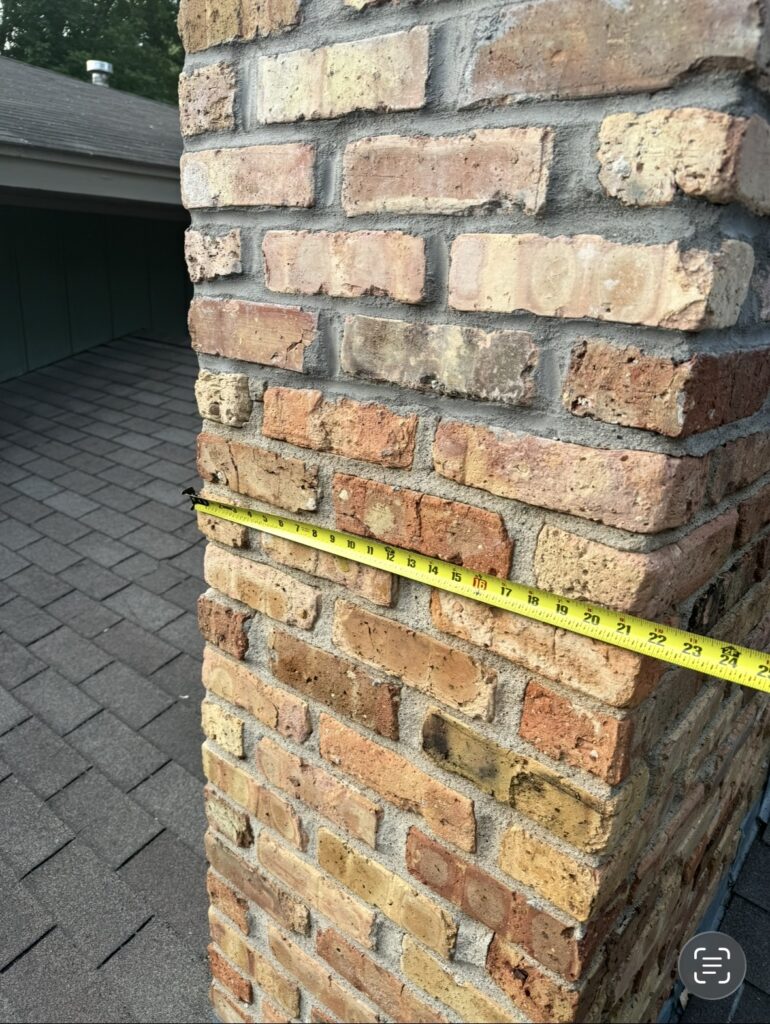
This code requirement exists for a reason. The state understands that wider chimneys create larger water collection zones, increasing the likelihood of leaks.
There are exceptions—most notably with skylights, which have specific flashing systems designed differently. Still, local jurisdictions may interpret code slightly differently, so it’s always wise to confirm requirements with experienced Minnesota roofing professionals who work in your city every day.
The Core Function of a Roof Cricket
At its core, the roof cricket serves one essential function: water diversion. But the downstream benefits go much further.
A properly installed roof cricket:
- Prevents water pooling behind chimneys
- Reduces ice dam formation
- Protects flashing from constant saturation
- Extends the life of shingles and underlayment
- Lowers the risk of interior leaks and mold
Without a cricket, water will always choose the path of least resistance—and that path is often straight into your home.
Why Most Roof Leaks Around Chimneys Happen
In our experience, many chimney leaks aren’t caused by old shingles—they’re caused by missing or poorly built cricket systems. Some contractors skip them to save time. Others build them incorrectly, with improper slope or flashing integration.
A roof cricket must:
- Match the roof pitch correctly
- Be framed solidly
- Include continuous, properly layered flashing
- Be sealed without relying on caulk as a “solution”
How Owl Roofing Approaches Roof Crickets Differently
At Owl Roofing, we treat every roof cricket as a critical system, not a checkbox. We don’t install them because code says so—we install them because they protect families, ceilings, and long-term home value.
What sets us apart:
- We inspect chimney width and water flow first
- We build crickets to match roof geometry, not generic templates
- We over-communicate what we’re doing and why
- We prioritize repair over replacement whenever possible
Homeowners across the Minneapolis–St. Paul metropolitan area choose Owl Roofing because we slow down, explain clearly, and do the job the right way—even when it’s harder.
Roof Crickets on Complex Roof Systems
Not every home has a simple gable roof. Valleys, dormers, and multiple roof lines increase the importance of a well-designed cricket. On complex roofs, water doesn’t just move downward—it moves sideways, diagonally, and unpredictably.
In these situations, we often recommended installation even when it’s not strictly required by code. That recommendation isn’t about upselling—it’s about preventing future damage that would cost far more than doing it right upfront.
Materials Used in Roof Crickets
A quality cricket is typically finished with:
- Custom-bent sheet metal (most durable)
- Shingles matching the existing roof
- Ice and water shield beneath all layers
The goal is seamless integration.
Protecting Your Nest Starts with the Details
A roof cricket may never be something you show off to friends, but it plays a quiet, powerful role in protecting your home. In Minnesota, where weather tests every seam and joint, these details matter.
Owl Roofing exists to bring clarity, calm, and competence back into an industry known for noise and pressure. If you’re unsure whether your chimney has a proper cricket—or if it was installed correctly—we’re always happy to take a look, explain what we see, and guide you honestly.
Because protecting your nest starts at the top, and wisdom lives in the details.
📍 Owl Roofing Serves the Entire Twin Cities Metro
Andover · Anoka · Apple Valley · Arden Hills · Big Lake · Blaine · Bloomington · Brooklyn Center · Brooklyn Park · Burnsville · Champlin · Chanhassen · Chaska · Columbia Heights · Coon Rapids · Cottage Grove · Crystal · deephaven · Delano · Eagan · East Bethel · Eden Prairie · Excelsior · Farmington · Forest Lake · Fridley · Golden Valley · Ham Lake · Hastings · Hopkins · Hugo · Inver Grove Heights · Lake Elmo · Lakeville · Lino Lakes · Mahtomedi · Maplewood · Mendota Heights · Minneapolis · Minnetrista · Mound · Mounds View · New Brighton · New Hope · North Oaks · North St. Paul · Oak Grove · Oakdale · Plymouth · Prior Lake · Ramsey · Richfield · Robbinsdale · Rosemount · Roseville · Saint Paul · Savage · Shakopee · Shoreview · South St. Paul · St. Louis Park · St. Michael · St. Paul · Stillwater · Vadnais Heights · Victoria · Waconia · wayzata · West St. Paul · White Bear Lake · woodbury
Licensed Minnesota roofing contractor · Free inspections · 10-year workmanship warranty · Get a free estimate →

Recent Articles
Explore The Blog