


Can You Install New Shingles Over Old Ones
 12min Read
 Posted 1.05.2026
Can You Install New Shingles Over Old Ones?
Here’s a question that lands in our inbox every single week: “Can I just put new shingles on top of my old ones?” We get it. You’re staring at a roof that’s seen better days, and the idea of ripping everything off sounds expensive, messy, and exhausting. A roofing overlay—slapping new shingles over the old—seems like the obvious shortcut. Cheaper. Faster. Done.
But here’s what nobody tells you until it’s too late: that “shortcut” can turn into the most expensive decision you make for your home. Hidden rot spreading unchecked. Ice dams forming because your ventilation is compromised. A roof that fails years before it should—right in the middle of a Minnesota winter. The money you saved upfront? Gone, and then some.
The good news: sometimes an overlay actually makes sense. The trick is knowing when it works and when it’s a trap. Let’s break down everything you need to know so you can make a decision you won’t regret when the next polar vortex rolls through.
Why This Decision Matters More Than You Think
Your roof isn’t just shingles on plywood. It’s the entire system keeping your family dry, warm, and safe. Get this decision wrong, and you’re not just dealing with a cosmetic problem—you’re looking at cascading damage that affects your entire home.
According to the National Roofing Contractors Association (NRCA), about 85% of roofs are replaced due to wear and tear. Here’s what’s interesting: a significant portion of these could have lasted longer with proper maintenance or the right reroofing approach. That means homeowners are paying for full replacements that might have been avoided—or they’re choosing overlays when they really needed a tear-off, and ending up paying twice.
For us in the Twin Cities, the stakes are even higher. Our freeze-thaw cycles are brutal on roofing materials. Water gets into tiny cracks, freezes, expands, and turns small problems into big ones. Fast. A roof that might hold up fine in Texas for 30 years can fail in half that time here if it’s not done right.
Ignore the warning signs, and here’s what’s waiting for you: leaks that damage your ceilings and walls. Insulation that gets wet and loses effectiveness, driving up your heating bills. Mold growing in your attic. And in worst cases, structural damage to the roof deck itself. None of these problems get cheaper by waiting.
The Basics of Roofing Overlay
What Exactly Is a Roofing Overlay?
Let’s keep this simple. A roofing overlay means installing new shingles directly on top of your existing ones. No tear-off. No hauling away old materials. The new layer goes right over the old.
The appeal is obvious: less labor, less time, less mess, and a lower bill at the end. For a straightforward job, you might save a full day of work and avoid the chaos of a tear-off crew filling dumpsters in your driveway.
But here’s the catch—and it’s a big one. The International Building Code limits you to two layers of roofing, maximum. If you’ve already got two layers up there, overlay isn’t even an option. And even if you’re at one layer, adding another isn’t automatically smart. That second layer adds weight your structure may not be designed to handle, especially when Minnesota snow piles on top.
The Real Pros and Cons of Layering Shingles
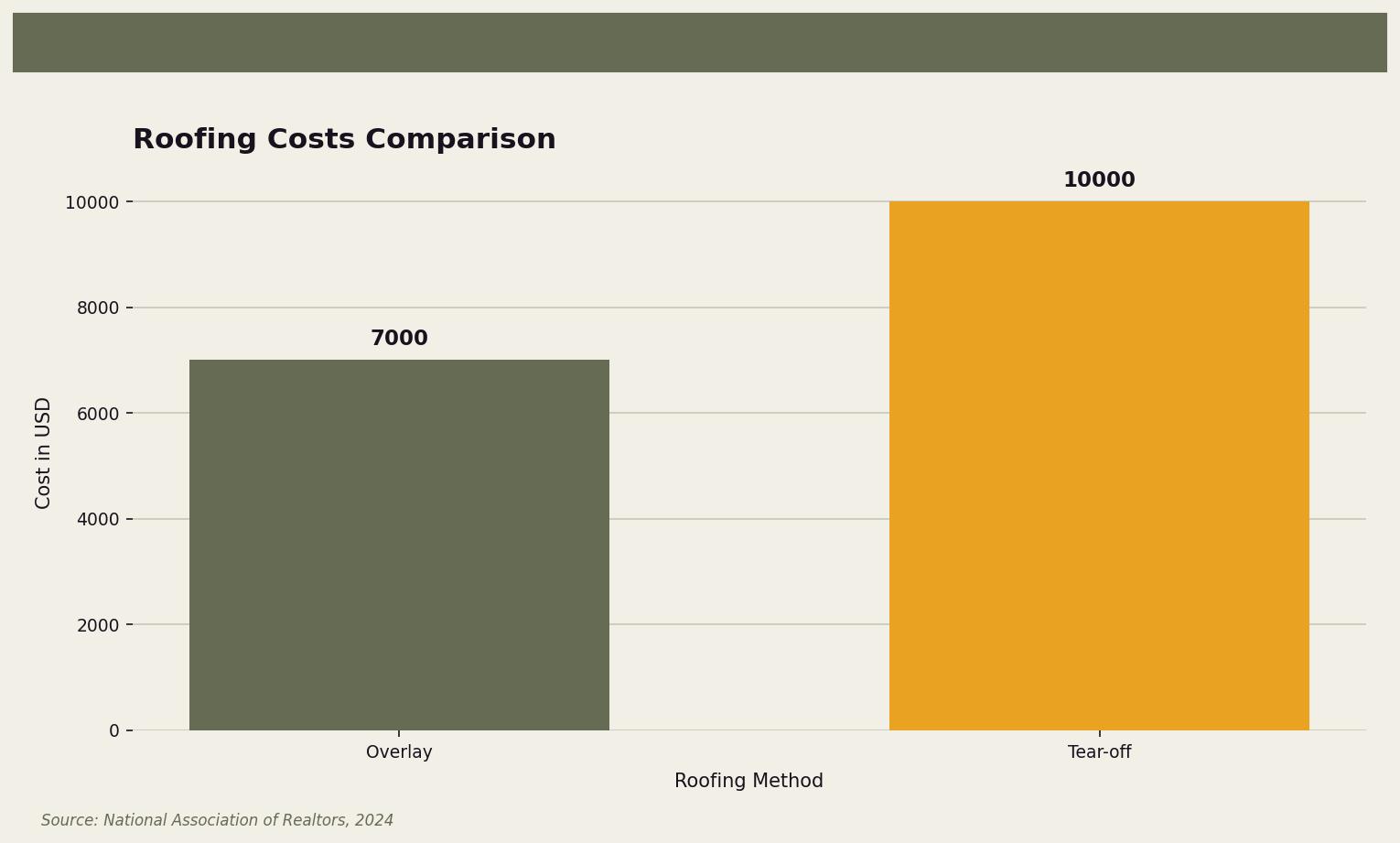
The upside: Cost savings are real. According to the National Association of Realtors (NAR), an overlay typically costs about 25% less than a complete tear-off. On a typical Twin Cities home, that could mean saving $2,500 to $3,500. That’s not nothing.
You also get a faster project. Less disruption to your daily life. And if your existing shingles are in decent shape, you’re essentially getting double the protection—at least in theory.
The downside: That 25% savings can evaporate fast if there are hidden problems. An overlay covers up whatever’s underneath. Rot? Hidden. Water damage? Buried. Failing flashing? Out of sight, getting worse by the day.
Think of it like painting over water stains on your ceiling without fixing the leak. Sure, it looks better for a while. But the problem hasn’t gone anywhere—it’s just hiding, growing, waiting to surprise you with a much bigger repair bill.
The extra weight is another real concern. Asphalt shingles typically weigh 2 to 4 pounds per square foot. Double that, then add a heavy Minnesota snowfall, and you’re putting serious stress on your roof structure. Most homes can handle it, but not all—and finding out yours can’t is an expensive lesson.
There’s also the warranty issue. Many shingle manufacturers offer reduced warranties—or no warranty at all—for overlay installations. That 30-year shingle might only be guaranteed for 15 years when installed over an existing layer. Read the fine print before assuming you’re covered.
Reroof vs. Tear-Off: When Each One Makes Sense
When You Really Need a Complete Tear-Off
Some situations don’t leave room for debate. A tear-off is the right call when:
- Your existing shingles are severely damaged. Curling, cracking, missing granules, or visible holes mean the current layer isn’t providing a solid foundation for anything new.
- You already have two layers. Building code doesn’t give you a choice here. That old roof has to come off.
- There are signs of structural issues. Sagging areas, soft spots when you walk on the roof, or visible damage to the decking underneath all require inspection and repair that’s impossible with an overlay.
- You’ve had persistent leaks. Water has been getting in somewhere, and covering it up won’t stop it. A tear-off lets you find and fix the actual source.
- Your roof is approaching 20+ years old. Even if it looks okay from the ground, the underlayment and decking may be deteriorating. A tear-off lets you see exactly what you’re working with.
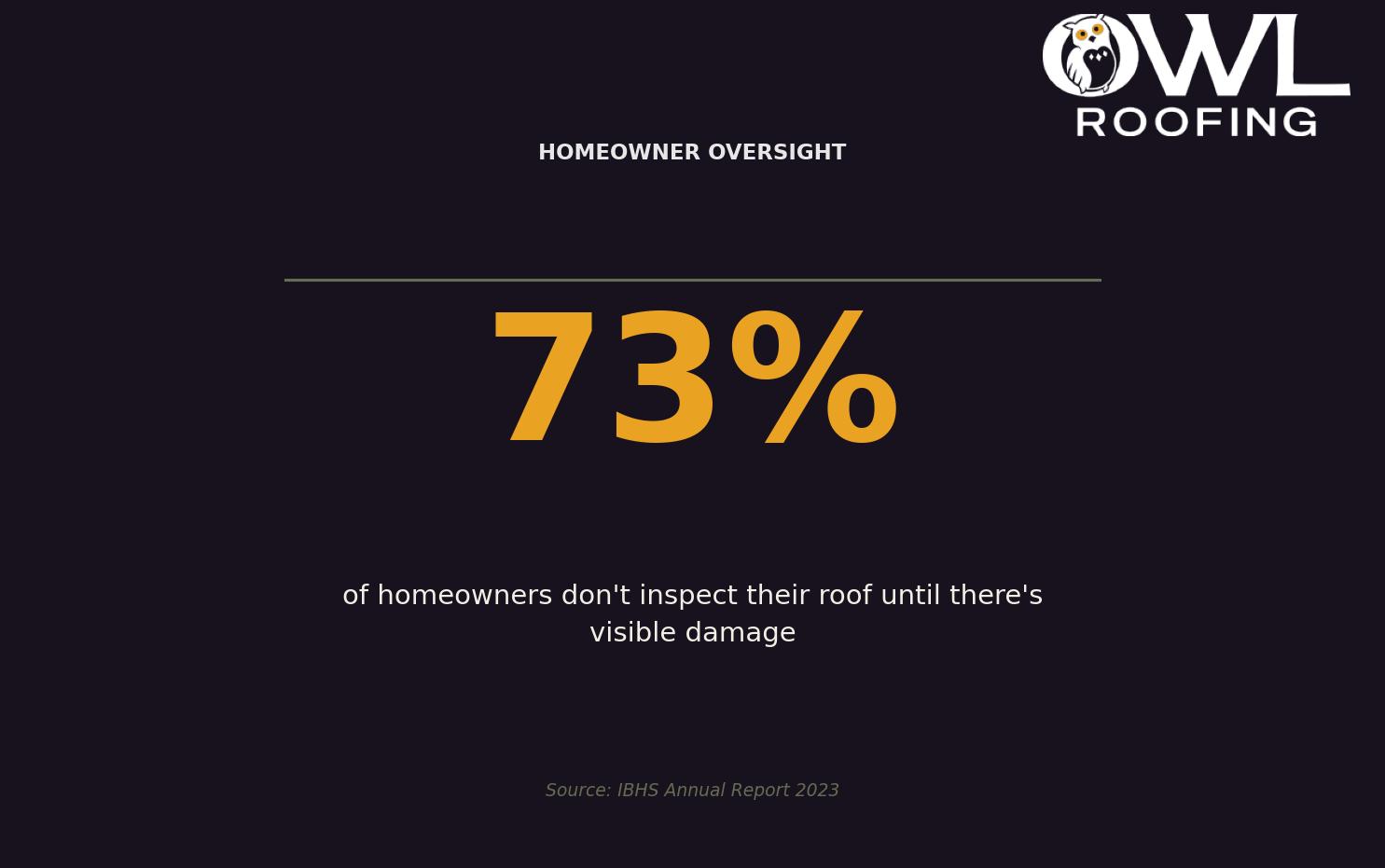
Here’s a sobering stat from the Insurance Institute for Business & Home Safety (IBHS): 73% of homeowners don’t inspect their roof until there’s visible damage. By then, problems that could have been caught early have often spread. A tear-off is sometimes the only way to truly assess what’s happening up there.
When an Overlay Actually Makes Sense
Overlays aren’t always a bad idea. They can be a smart, cost-effective choice when the conditions are right:
- Your existing shingles are in relatively good shape. Flat, intact, with good adhesion to the deck. No curling, minimal granule loss, and no visible damage.
- You only have one layer currently. This keeps you within code and limits the additional weight.
- The roof deck is solid. A professional inspection confirms there’s no rot, water damage, or structural concerns underneath.
- Ventilation and flashing are in good condition. These critical components need to function properly, and an overlay shouldn’t compromise them.
- You’re planning to sell in the next 10-15 years. If you don’t need 30 years of life out of this roof, the cost savings of an overlay might make financial sense.
The key word in all of this? Professional inspection. You can’t assess most of these factors from the ground with binoculars. You need someone who knows what they’re looking at to get on the roof and give you an honest evaluation.
Special Considerations for Minnesota Homeowners
Living in the Twin Cities means your roof deals with conditions most of the country never sees. This changes the overlay calculation significantly.
The freeze-thaw factor: Our winters aren’t just cold—they’re constantly cycling between freezing and thawing. Water gets into tiny gaps, freezes, expands, and creates bigger gaps. Repeat this hundreds of times per winter, and small problems become big problems fast. An overlay can trap moisture between layers, accelerating this damage where you can’t see it.
Ice dams: The Minnesota Department of Commerce emphasizes that proper ventilation and insulation are critical for preventing ice dams. When warm air from your home melts snow on the roof, that water runs down and refreezes at the cold eaves, creating dams that force water back up under your shingles. An overlay can interfere with ventilation, making ice dams more likely—and more damaging.
Snow load: We get heavy, wet snow here. The kind that sticks around for months. Adding a second layer of shingles means your roof is carrying extra weight all winter long. For most structures, this is fine. But for older homes or those with marginal framing, it’s a real concern worth evaluating.
Temperature swings: Going from -20°F to 40°F in a week (which happens here regularly) causes materials to expand and contract repeatedly. Shingles layered over shingles don’t always move together, which can accelerate wear and create entry points for water.
None of this means overlays never work in Minnesota. They can. But the margin for error is smaller here than in milder climates. Getting it wrong has bigger consequences.
What to Do Next
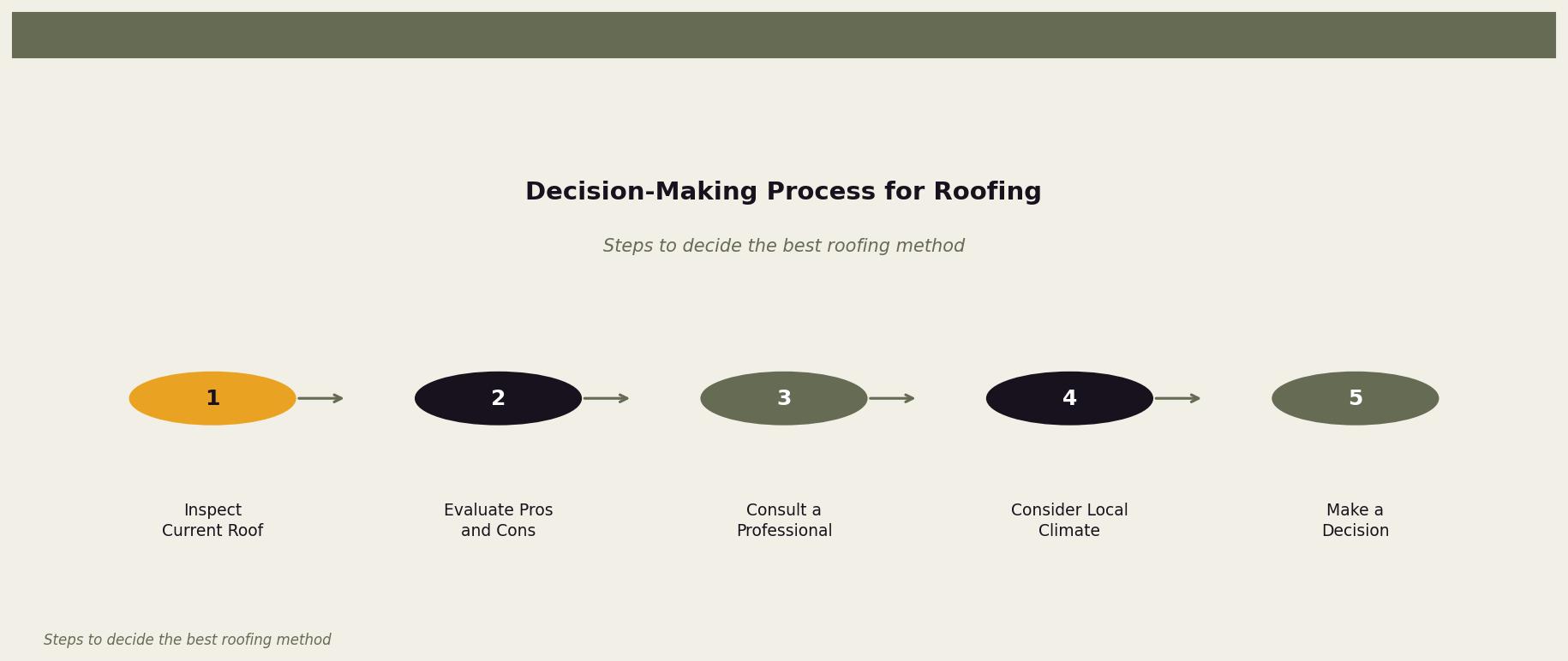
If you’re weighing your options, here’s the smart approach:
Step one: Get a real inspection. Not a “free estimate” from someone trying to sell you something. An honest assessment from an experienced roofer who’ll tell you what’s actually going on up there—even if it’s not what you want to hear.
Step two: Ask the right questions. How many layers do you currently have? What’s the condition of the decking? Are there any signs of water damage or rot? Is the ventilation adequate? A good roofer will show you exactly what they found and explain your options clearly.
Step three: Think long-term. That 25% savings on an overlay looks great today. But if it means replacing your roof again in 12 years instead of 25, you haven’t saved anything—you’ve spent more. Factor in the full lifespan when comparing costs.
Step four: Get specifics in writing. Whatever you decide, make sure you understand exactly what’s included, what warranty you’re getting, and what happens if problems emerge later. Vague promises aren’t worth much when water’s dripping through your ceiling.
The right choice depends entirely on your specific situation. There’s no universal answer. But with good information and honest guidance, you can make a decision that protects your home and your budget for decades to come.
Ready for Straight Answers About Your Roof?
At Owl Roofing, we've climbed on hundreds of Twin Cities roofs—old ones, new ones, overlays that should never have happened, and plenty that were done right. We know exactly what Minnesota weather does to roofing materials, and we'll tell you honestly whether an overlay makes sense for your home or whether you'd be throwing money at a problem that needs a different solution. We're your neighbors here in Shoreview, not a franchise or a storm-chasing crew that'll disappear after the check clears. Give us a call at 651-977-6027 or visit owlroofing.com/ to schedule an inspection. We'll look at your roof, tell you exactly what it needs, and help you make a decision you can feel good about for years to come. Protect Your Nest.
📍 Owl Roofing Serves the Entire Twin Cities Metro
Andover · Anoka · Apple Valley · Arden Hills · Big Lake · Blaine · Bloomington · Brooklyn Center · Brooklyn Park · Burnsville · Champlin · Chanhassen · Chaska · Columbia Heights · Coon Rapids · Cottage Grove · Crystal · deephaven · Delano · Eagan · East Bethel · Eden Prairie · Excelsior · Farmington · Forest Lake · Fridley · Golden Valley · Ham Lake · Hastings · Hopkins · Hugo · Inver Grove Heights · Lake Elmo · Lakeville · Lino Lakes · Mahtomedi · Maplewood · Mendota Heights · Minneapolis · Minnetrista · Mound · Mounds View · New Brighton · New Hope · North Oaks · North St. Paul · Oak Grove · Oakdale · Plymouth · Prior Lake · Ramsey · Richfield · Robbinsdale · Rosemount · Roseville · Saint Paul · Savage · Shakopee · Shoreview · South St. Paul · St. Louis Park · St. Michael · St. Paul · Stillwater · Vadnais Heights · Victoria · Waconia · wayzata · West St. Paul · White Bear Lake · woodbury
Licensed Minnesota roofing contractor · Free inspections · 10-year workmanship warranty · Get a free estimate →
