




Can You Stay Home During Roof Replacement
 11min Read
 Posted 1.24.2026
Can You Stay Home During Roof Replacement?
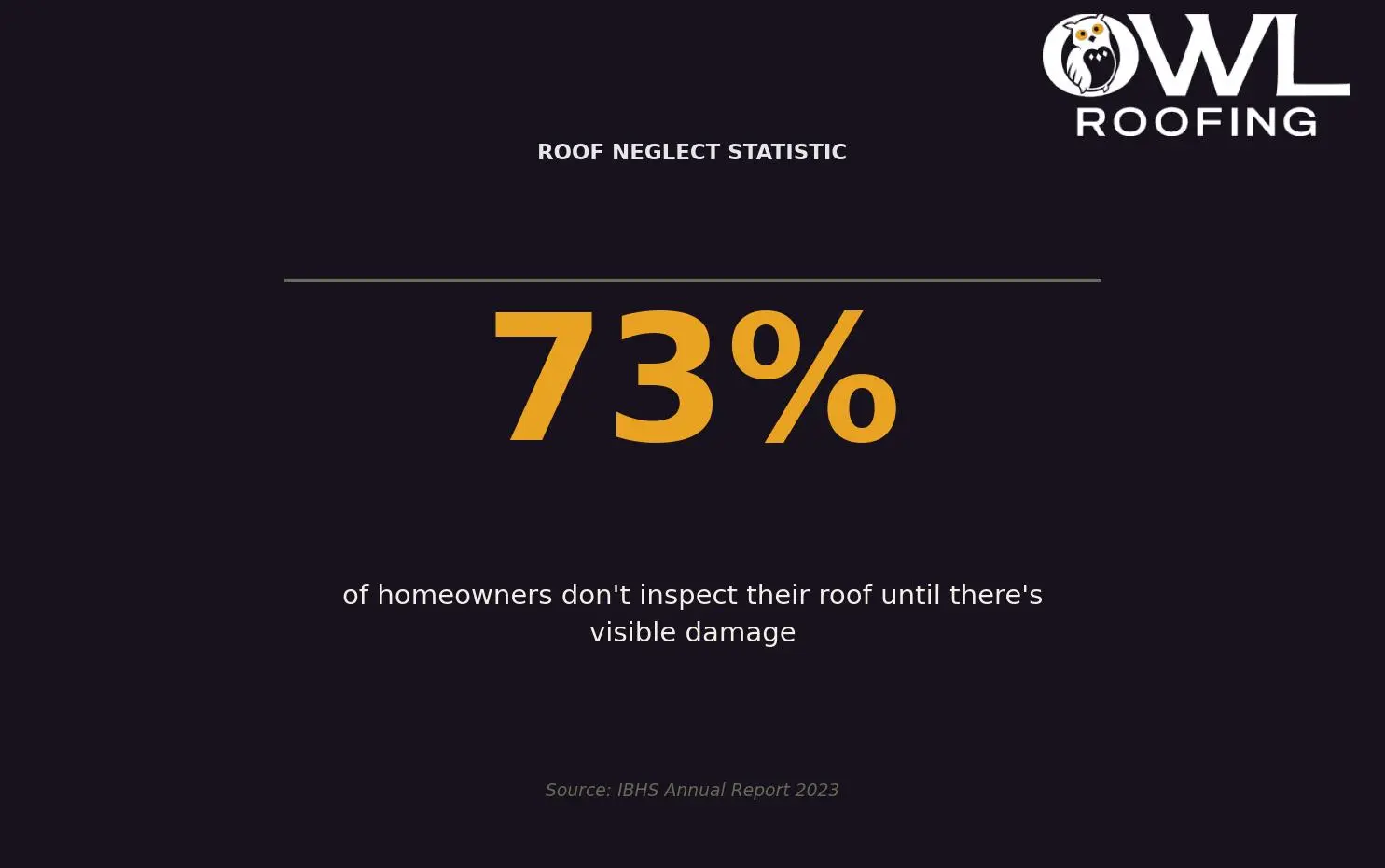
Yes, you can absolutely stay home during a roof replacement—and about 73% of homeowners do exactly that. But here’s what nobody tells you upfront: it’s going to sound like a percussion ensemble practicing directly above your head for several days straight. If you’re picturing yourself calmly sipping coffee while crews work overhead, let’s recalibrate those expectations right now.
The real question isn’t whether you *can* stay—it’s whether you *should*, and what you need to do to make it bearable if you decide to stick around. For Twin Cities homeowners juggling work-from-home schedules, kids, pets, and Minnesota’s wildcard weather, this decision deserves more than a shrug and a “we’ll figure it out.”
The Honest Truth About Noise Levels
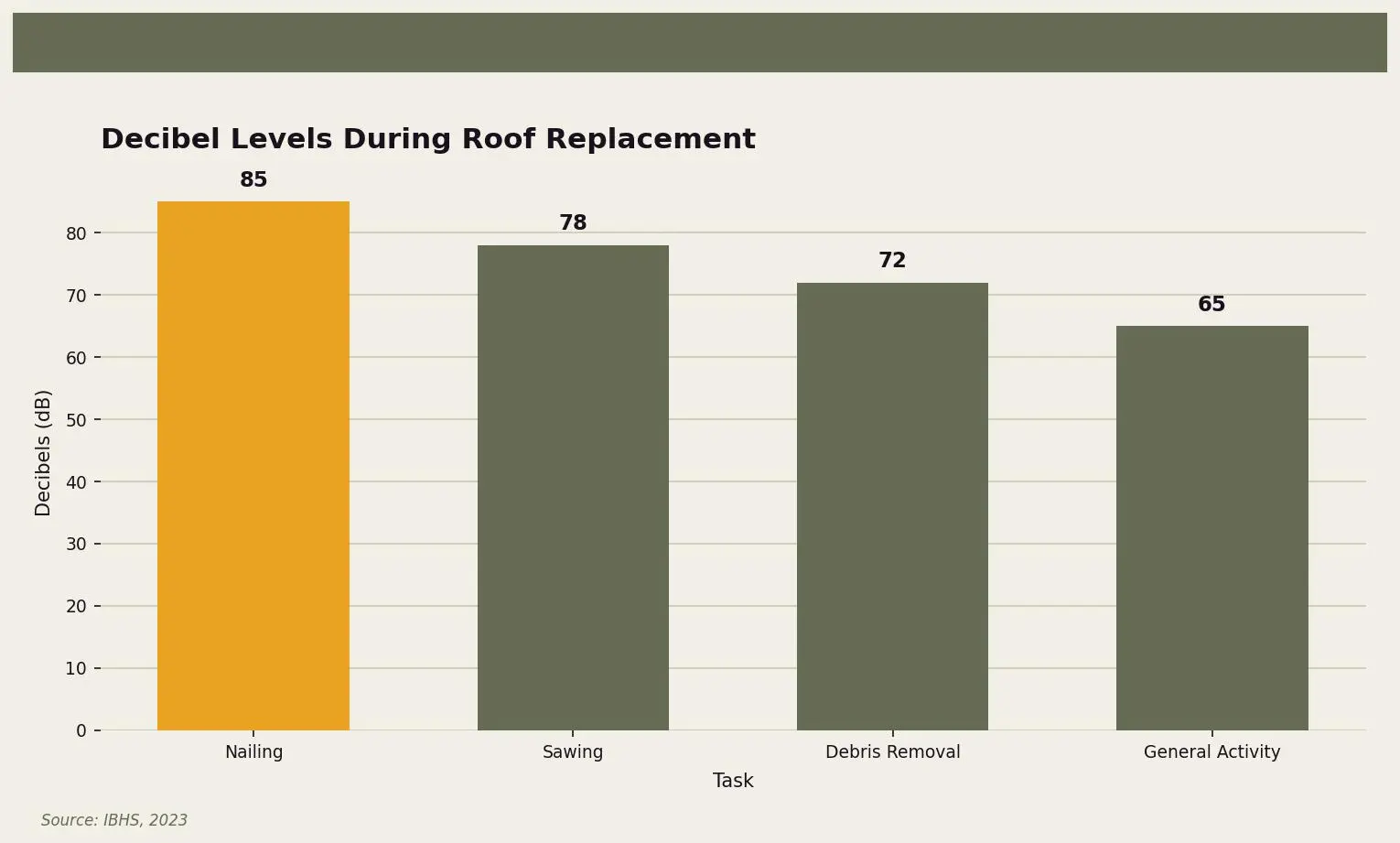
Let’s start with the elephant in the room: roof noise inside your house during replacement is intense. We’re talking up to 85 decibels during peak nailing—that’s lawnmower-loud, sustained for hours. The Insurance Institute for Business & Home Safety (IBHS) has measured these levels, and they’re not exaggerating.
Here’s what different tasks sound like from inside your home:
- Nailing (the loudest): 85 decibels—imagine someone running a lawnmower in your attic
- Sawing and cutting: 78 decibels—comparable to a vacuum cleaner that never stops
- Debris removal: 72 decibels—old shingles sliding into a dumpster creates a rumbling thunder effect
- General activity: 65 decibels—the “quiet” moments still sound like heavy footsteps everywhere
If you work from home and take video calls, this matters. A lot. Your noise-canceling headphones will earn their keep, but they won’t perform miracles. Planning important meetings or focus work for after-hours or off-site is the smarter play.
What Actually Happens During Roof Replacement
Understanding the process helps you plan your days better. Roof replacement isn’t one continuous wall of noise—it has phases, and some are louder than others.
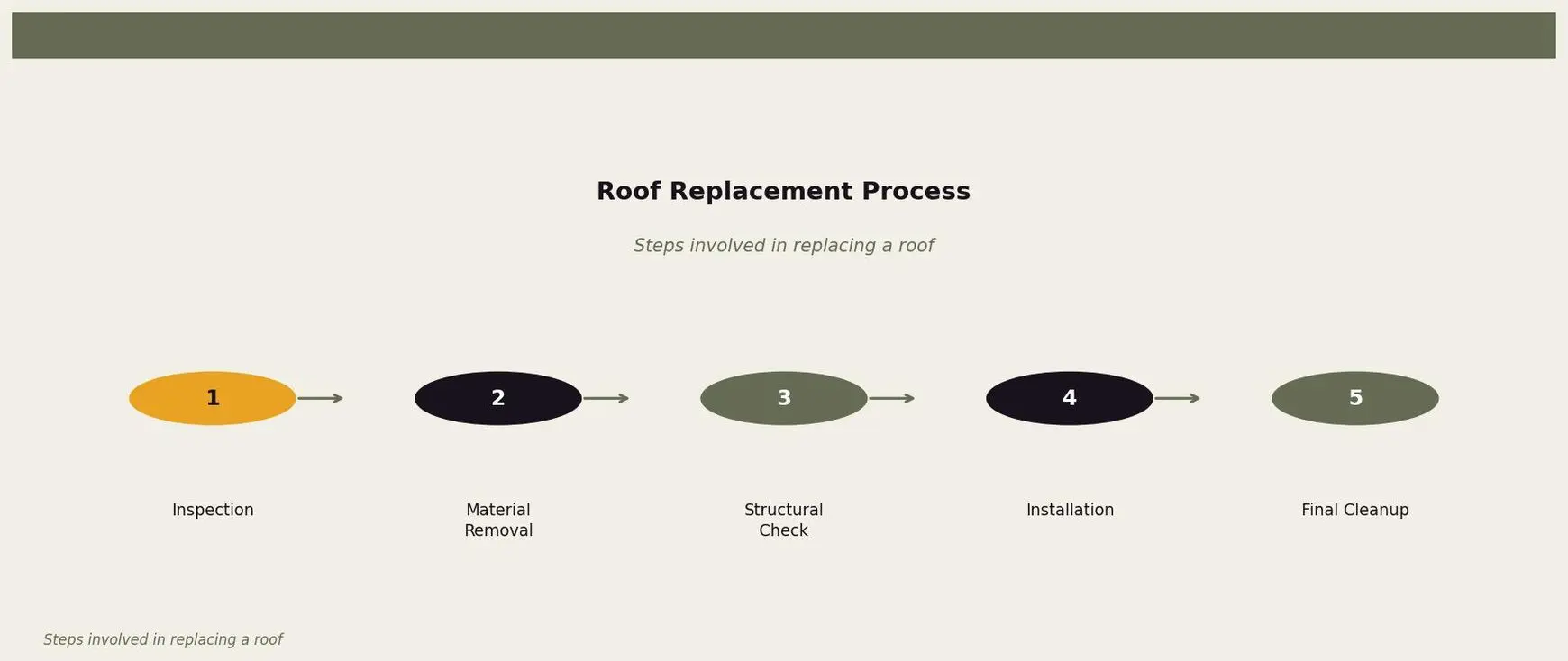
The Five Stages (and What Each Sounds Like)
Stage 1: Inspection and Setup (Day 1 morning)
Relatively quiet. Crews assess the roof, set up safety equipment, and position the dumpster. This is your window to grab coffee in peace.
Stage 2: Material Removal (Day 1, possibly Day 2)
This is when things get loud. Old shingles, underlayment, and damaged decking come off. Expect scraping, tearing, and the thunderous cascade of debris sliding into the dumpster. Vibrations travel through the whole house.
Stage 3: Structural Check
A brief quieter period while crews inspect the deck for rot or damage. If repairs are needed, add some sawing and hammering to the mix.
Stage 4: Installation
The longest and loudest phase. Underlayment goes down, then shingles—row by row, nail by nail. Pneumatic nail guns fire in rapid bursts. This is the 85-decibel zone, and it lasts the longest.
Stage 5: Final Cleanup
The home stretch. Crews remove debris, run magnetic sweepers to catch stray nails, and do final inspections. Noise drops significantly, and you can finally unclench your jaw.
For an average Twin Cities home (roughly 1,500–2,500 square feet of roof), the whole process typically takes 2–4 days. Larger homes, complex roof lines, or unexpected repairs can stretch that to a week.
Safety Considerations You Can’t Ignore
Staying home is generally safe, but “generally” does the heavy lifting in that sentence. There are real hazards to manage.
Debris and Dust
Old roofing materials kick up dust, and some of it finds its way inside—through vents, attic access points, and gaps you didn’t know existed. The Occupational Safety and Health Administration (OSHA) requires contractors to follow safety protocols, but your house isn’t a sealed environment.
If anyone in your household has asthma, allergies, or other respiratory conditions, this dust can trigger symptoms. Consider:
- Running air purifiers in main living areas during the project
- Keeping windows closed (yes, even if it’s finally nice outside)
- Covering furniture and electronics in rooms directly below the work zone
The Fall Zone
Debris falls. Sometimes it’s controlled, sometimes it bounces. The perimeter of your house becomes a hard-hat zone. Crews will mark off areas, but you need to enforce this with kids and pets. That means:
- No playing in the yard during active work
- Keep dogs inside or in a secure area away from the house
- Use a different entrance if your main door is in the drop zone
Nails Everywhere
Roofing nails are small, sharp, and surprisingly good at hiding in grass. Reputable contractors run magnetic sweepers multiple times, but strays happen. Check your yard carefully before letting kids or pets roam barefoot after the project wraps.
Staying vs. Leaving: An Honest Comparison
When Staying Home Makes Sense
According to a 2023 National Association of Realtors (NAR) survey, 73% of homeowners prefer to stay home during roof replacement. The main reasons:
- You can monitor progress: See what’s happening, ask questions in real-time, and catch issues early
- Direct contractor communication: Quick decisions about unexpected repairs don’t require phone tag
- Cost savings: No hotel bills or eating out for every meal
- Pet logistics: Many pets are less stressed in their own environment, even with noise, than being relocated
- Security: Someone’s home to keep an eye on things
If you have a flexible schedule, high noise tolerance, and no major health concerns—staying is totally doable.
When Leaving Is the Smarter Call
Sometimes, the hassle of staying outweighs the benefits. Consider leaving if:
- You work from home with heavy meeting schedules: Client calls and 85-decibel nail guns don’t mix
- You have infants or toddlers: Nap schedules and roof demolition are natural enemies
- Health sensitivities: Respiratory conditions, severe migraines, or sensory processing issues can make staying miserable
- You have anxious pets: Some dogs and cats cope fine; others panic. You know your animals
- The project is extensive: A simple re-shingle is different from a full tear-off with structural repairs
If you do leave, you don’t necessarily need to relocate for the entire project. The loudest days are usually the first two (tear-off and early installation). After that, noise levels drop noticeably.
Twin Cities-Specific Factors
Minnesota weather adds wrinkles to every roofing project. The U.S. Census Bureau reports Minnesota averages 54 inches of snow annually, and our freeze-thaw cycles are legendary for creating roofing problems—and scheduling headaches.
Weather Delays Are Normal
Roofing can’t happen in rain, and some materials won’t seal properly below certain temperatures. A project scheduled for three days might stretch to five if a spring storm rolls through or temperatures drop unexpectedly. If you’re planning to leave, build buffer days into your hotel reservation.
Timing Your Project
The sweet spots for Twin Cities roof replacement are late spring (May–June) and early fall (September–October). Summer works too, but crews are in highest demand and scheduling is tighter. Winter? Emergency repairs happen, but full replacements are rare and require special cold-weather techniques.
The Importance of Local Contractors
Contractors who actually live and work in the Twin Cities understand these rhythms. They know that “partly cloudy” in Minnesota can turn into a thunderstorm in an hour. They’ve dealt with ice dams, wind-driven rain, and hail damage unique to our region. That local knowledge matters when your project hits weather snags—they know how to adapt and communicate realistic timelines.
Your Stay-at-Home Survival Plan
Decided to ride it out? Here’s how to make it manageable:
Before Work Starts
- Create a quiet zone: Pick the room farthest from the main work area. Basement spaces often work well—extra insulation from the noise
- Protect your stuff: Vibrations can knock items off shelves. Secure wall art, collectibles, and anything fragile
- Cover the attic access: Dust will try to sneak in. Seal it with plastic sheeting and tape
- Stock up: Snacks, coffee, and anything you’d normally run out for. Minimize trips through the work zone
- Communicate with your contractor: Get the daily schedule, know which areas to avoid, and establish how you’ll handle questions
During the Project
- Noise-canceling headphones: Worth every penny. The good ones block a surprising amount
- Plan escapes: Schedule errands, gym time, or coffee shop work sessions during the loudest hours (usually mid-morning through early afternoon)
- Check on pets frequently: Even calm animals can get stressed. Keep them in interior rooms away from the noise
- Stay hydrated and fed: Stress plus noise equals forgetting to take care of yourself
After Completion
- Walk the yard thoroughly: Check for stray nails before anyone goes barefoot
- Inspect gutters and landscaping: Make sure debris didn’t clog or damage anything
- Document everything: Take photos of the completed roof for your records and insurance
The Bottom Line
Staying home during roof replacement is completely doable—millions of homeowners do it every year. But it requires realistic expectations and a little planning. The noise is real, the dust is real, and so is the disruption to your normal routine. Go in with eyes open, prepare your space, and you’ll get through it fine.
The payoff? A solid roof over your head that’ll protect your home through Minnesota’s worst weather for the next 20+ years. That’s worth a few noisy days.
Ready to Talk Roofing?
If you’re a Twin Cities homeowner thinking about roof replacement, we’d love to help. At Owl Roofing, we’re a family-owned company based right here in Shoreview—Tim and Bea Brown, Noah and Anya Bergland, and our crew. We’ve handled hundreds of local roofs and know exactly what Minnesota weather does to them.
We’ll walk you through the whole process, give you a clear timeline, and answer every question—including whether staying home makes sense for your specific situation. No pressure, no storm-chaser tactics. Just honest advice from neighbors who’ve been doing this for over 15 years combined.
Give us a call at 651-977-6027 or visit owlroofing.com/ to schedule a free inspection. We’ll tell you exactly what your roof needs—nothing more, nothing less.
Protect Your Nest.
📍 Owl Roofing Serves the Entire Twin Cities Metro
Andover · Anoka · Apple Valley · Arden Hills · Big Lake · Blaine · Bloomington · Brooklyn Center · Brooklyn Park · Burnsville · Champlin · Chanhassen · Chaska · Columbia Heights · Coon Rapids · Cottage Grove · Crystal · deephaven · Delano · Eagan · East Bethel · Eden Prairie · Excelsior · Farmington · Forest Lake · Fridley · Golden Valley · Ham Lake · Hastings · Hopkins · Hugo · Inver Grove Heights · Lake Elmo · Lakeville · Lino Lakes · Mahtomedi · Maplewood · Mendota Heights · Minneapolis · Minnetrista · Mound · Mounds View · New Brighton · New Hope · North Oaks · North St. Paul · Oak Grove · Oakdale · Plymouth · Prior Lake · Ramsey · Richfield · Robbinsdale · Rosemount · Roseville · Saint Paul · Savage · Shakopee · Shoreview · South St. Paul · St. Louis Park · St. Michael · St. Paul · Stillwater · Vadnais Heights · Victoria · Waconia · wayzata · West St. Paul · White Bear Lake · woodbury
Licensed Minnesota roofing contractor · Free inspections · 10-year workmanship warranty · Get a free estimate →
