


Do Insurance Companies Pay for Upgrades on Roofs
 11min Read
 Posted 12.04.2025
Do Insurance Companies Pay for Upgrades on Roofs?
Here’s a question that could save you $10,000 or cost you that much: does your insurance actually cover roof upgrades? Most Twin Cities homeowners assume the answer is a flat “no” — and they’re leaving money on the table. The truth is more nuanced, more interesting, and potentially a lot more useful than you might think.
We’re going to break down exactly when insurance will pay for upgrades, when it won’t, and the specific coverage you need to check for in your policy right now. Because if a hailstorm rolls through Shoreview next summer (and let’s be honest, it probably will), you’ll want to know this stuff before you’re standing in your driveway looking up at dented shingles.
Why This Actually Matters (More Than You Think)
Your roof isn’t just shingles and plywood. It’s the thing standing between your family and Minnesota’s full repertoire of weather chaos — blizzards, ice dams, 70-mph winds, and hail the size of golf balls. According to the Insurance Information Institute, Minnesota consistently ranks among the top states for hail damage claims. We’re not exactly surprised. Anyone who’s lived here through a July storm knows the drill.
Here’s what makes this conversation urgent: the difference between understanding your coverage and not understanding it can be thousands of dollars. We’re talking $8,000, $12,000, sometimes more — coming straight out of your pocket when it could have been covered.
And there’s a specific type of coverage that most homeowners either don’t have or don’t know they have. It’s called ordinance or law coverage (also known as code upgrade coverage), and it’s the key to getting insurance to help pay for roof improvements. More on that in a minute.
Understanding Insurance Coverage for Roof Upgrades
The Basics: What Standard Policies Actually Cover
Let’s start with what you probably already have. Most homeowners’ insurance policies cover roof damage caused by what the industry calls “covered perils” — storms, hail, fallen trees, fire, that kind of thing. If a branch crashes through your roof during a thunderstorm, your insurance should cover repairs or replacement.
But here’s where it gets tricky: “repairs or replacement” typically means putting things back the way they were. Same materials. Same design. Same everything. Your insurer isn’t in the business of giving you a better roof than you had before — at least not without the right coverage in place.
So if you had basic 3-tab shingles and you’re hoping the insurance check will cover an upgrade to impact-resistant architectural shingles? Standard coverage usually won’t get you there.
Unless you have the magic words in your policy: ordinance or law coverage.
Code Upgrade and Ordinance Law Coverage: The Game-Changer
This is where things get interesting. Ordinance or law coverage is a specific provision that pays for the extra costs of bringing your roof (or entire home) up to current building codes. And here’s the thing — building codes change. A lot.
According to the National Roofing Contractors Association (NRCA), when your roof needs replacement after covered damage, you might be legally required to meet updated codes that didn’t exist when your home was built. New ventilation requirements. Different underlayment standards. Ice and water shield in specific areas. These aren’t optional upgrades — they’re mandatory. And they cost money.
With ordinance or law coverage, your insurance helps cover those mandatory improvements. Without it? You’re paying the difference yourself.
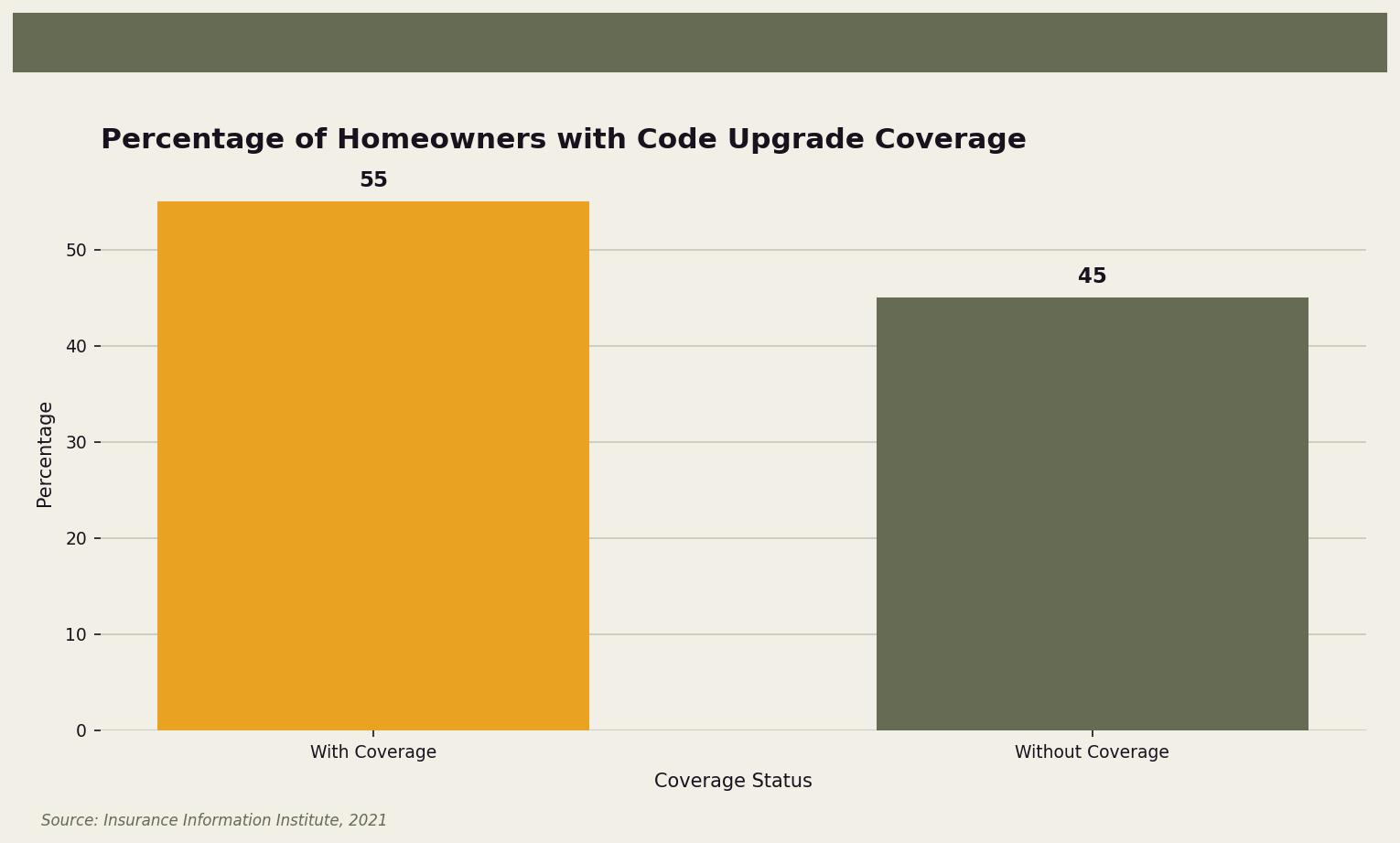
Here’s the concerning part: a 2021 study by the Insurance Information Institute found that only about 55% of homeowners have this coverage. That means nearly half of all homeowners are exposed to potentially significant out-of-pocket costs when their roof needs major work.
The Insurance Institute for Business & Home Safety (IBHS) has been beating this drum for years, emphasizing that code upgrade coverage is increasingly important as building standards continue to evolve. They’re right. And if you haven’t checked your policy lately, now’s the time.
What Insurance Companies Typically Will (and Won’t) Cover
When They’ll Help Pay for Upgrades
Let’s get specific. Insurance may cover upgrade costs when:
- Your roof is damaged by a covered peril (hail, wind, fire, fallen debris) AND you have ordinance or law coverage. The damage triggers the claim; the code requirements trigger the upgrade coverage.
- Local building codes require improvements as a condition of the repair. If Shoreview or your local municipality mandates specific materials or methods that exceed what you originally had, ordinance coverage can help.
- You’re required to replace more than you originally planned. Some codes require that if you replace more than a certain percentage of your roof, you have to bring the whole thing up to current standards. That’s expensive — and it’s exactly what this coverage is designed for.
According to the National Association of Realtors (NAR), impact-resistant shingles can reduce the likelihood of damage by up to 30%. Some insurers actually offer premium discounts for these materials. So in certain cases, upgrading to better materials could lower your future insurance costs — a nice bonus if your policy helps cover the initial upgrade.
When They Won’t Pay
Let’s be equally clear about the limits. Insurance won’t cover roof upgrades when:
- There’s no covered damage. If you just want a nicer roof — better curb appeal, higher resale value, personal preference — that’s on you. Insurance isn’t a home improvement fund.
- The damage is from wear and tear or neglect. Roofs age. Shingles curl. Flashing fails. Normal deterioration isn’t covered. Insurers call this “maintenance,” and it’s your responsibility.
- You don’t have ordinance or law coverage. Without it, you’ll only get reimbursed for like-kind replacement — even if code requires something more.
- The upgrades exceed code requirements. If codes say you need 30-year architectural shingles but you want 50-year premium shakes? You’re covering the difference.
The key takeaway: insurance is about restoring what you had and meeting current legal requirements. It’s not about giving you something better just because you want it. The “upgrade” part only kicks in when codes demand it and you have the right coverage.
Specific Considerations for Minnesota Homeowners

Living in the Twin Cities means your roof faces challenges that homeowners in milder climates don’t deal with. Our freeze-thaw cycles are brutal. Water seeps into tiny cracks, freezes, expands, and does real damage over time. Ice dams form at roof edges and force water under shingles. Heavy snow loads stress the structure.
All of this means Minnesota roofs often need replacement sooner — and when they do, they need to meet codes designed for our specific climate challenges.
Here’s a stat that should get your attention: according to the U.S. Census Bureau, nearly 70% of homes in Minnesota are over 30 years old. Think about what that means. A roof installed in 1995 was built to 1995 codes. Since then, requirements for ventilation, ice protection, underlayment, and materials have all evolved. When that roof finally needs replacement, bringing it up to current standards could add substantial costs.
In Shoreview and throughout the Twin Cities metro, local ordinances may require:
- Ice and water shield extending further up the roof edge
- Specific ventilation ratios for attic spaces
- Higher wind ratings for shingles
- Particular flashing methods around penetrations
None of these are optional if you’re doing a major roof replacement. And if your insurance doesn’t include ordinance coverage, you’re paying for every single one of these requirements yourself.
Action Plan: What to Do Right Now
Don’t wait until you’re filing a claim to figure this out. Here’s your step-by-step approach:
Step 1: Pull out your insurance policy and look for ordinance or law coverage. It might be listed as “building code coverage” or “code upgrade endorsement.” If you can’t find it or don’t understand what you’re reading, call your agent. That’s literally their job.
Step 2: If you don’t have it, ask about adding it. This coverage is usually inexpensive — often just a few dollars per month. For the protection it provides, it’s a no-brainer for Minnesota homeowners.
Step 3: Get a professional roof inspection. Not because you’re paranoid, but because knowledge is power. Understanding your roof’s current condition helps you plan ahead. You’ll know if damage is accumulating, if you’re approaching end-of-life on your shingles, and what potential code compliance issues might arise.
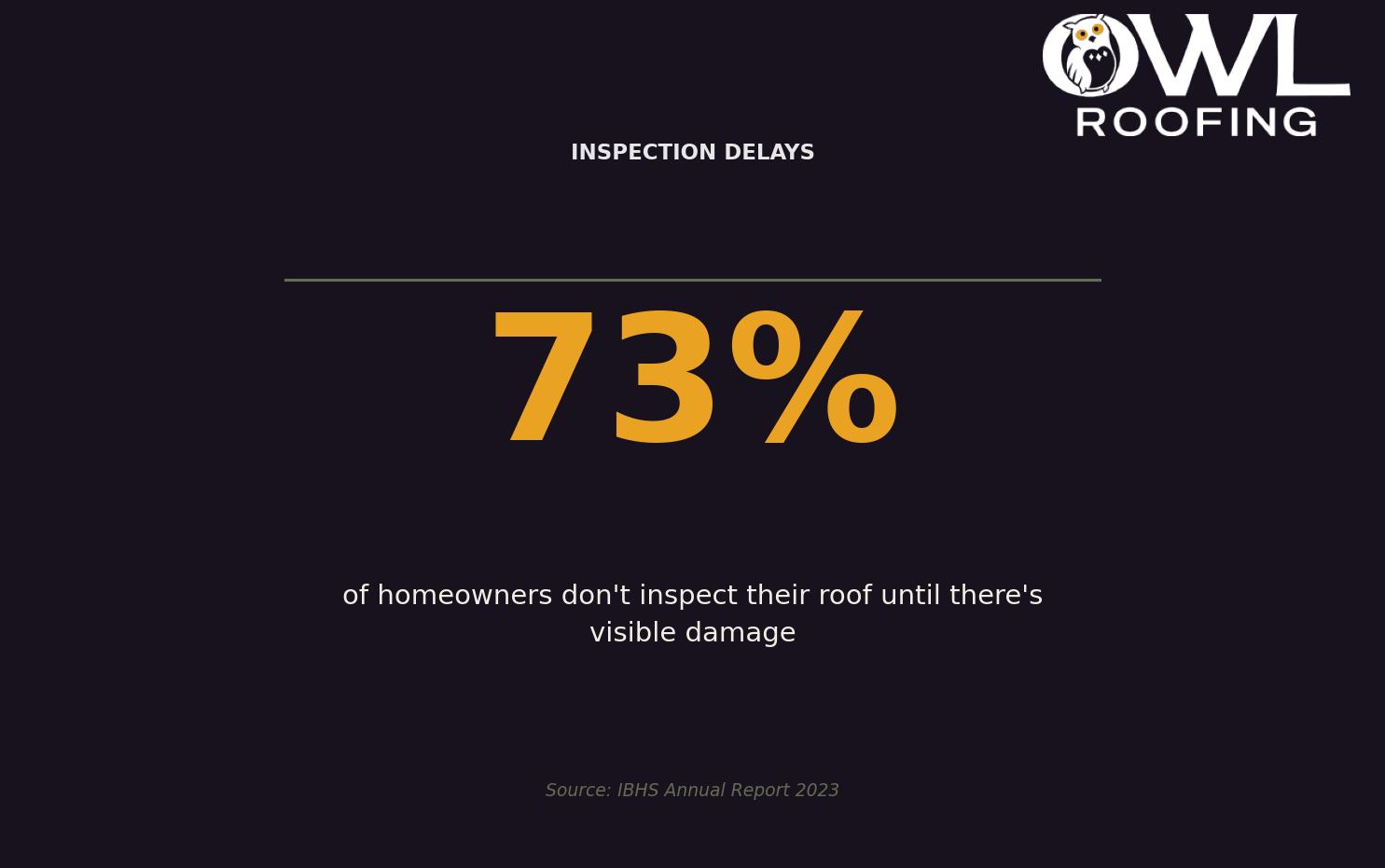
Here’s a sobering statistic: the IBHS reports that 73% of homeowners delay roof inspections until there’s visible damage. By then, you’re reactive instead of proactive. You’ve got less time to research, less leverage to negotiate, and more stress all around.
Step 4: Document everything. Take photos of your current roof while it’s in good shape. Keep records of any repairs or maintenance. If you ever need to file a claim, having a clear “before” picture makes the “after” assessment much smoother.
Step 5: Build a relationship with a local roofer before you need one urgently. When a storm hits, everyone’s calling at once. The homeowners who already have a trusted contractor in their contacts get taken care of first.
The Bottom Line on Insurance and Roof Upgrades
So, do insurance companies pay for roof upgrades? The honest answer: sometimes yes, sometimes no, and it depends entirely on your specific coverage and circumstances.
Here’s the short version:
- Standard policies cover damage repair with like-kind materials
- Ordinance or law coverage pays for code-required upgrades when you have covered damage
- Voluntary upgrades without damage aren’t covered
- About 45% of homeowners don’t have the coverage they need
The smart move is checking your policy now, adding ordinance coverage if you don’t have it, and getting your roof inspected while the weather’s cooperative. Future you will be grateful.
Ready to Protect Your Nest?
If you're in Shoreview or anywhere in the Twin Cities and want to know exactly what's happening with your roof, give us a call. At Owl Roofing, we've helped hundreds of local homeowners navigate insurance claims, code requirements, and the whole "what does my roof actually need?" question. We'll look at your roof, tell you honestly what we see, and help you understand your options — including what insurance might cover and what it won't. No pressure, no scare tactics, just neighbors helping neighbors make good decisions about their homes. Reach out at 651-977-6027 or visit owlroofing.com/ to schedule an inspection. Protect Your Nest.
📍 Owl Roofing Serves the Entire Twin Cities Metro
Andover · Anoka · Apple Valley · Arden Hills · Big Lake · Blaine · Bloomington · Brooklyn Center · Brooklyn Park · Burnsville · Champlin · Chanhassen · Chaska · Columbia Heights · Coon Rapids · Cottage Grove · Crystal · deephaven · Delano · Eagan · East Bethel · Eden Prairie · Excelsior · Farmington · Forest Lake · Fridley · Golden Valley · Ham Lake · Hastings · Hopkins · Hugo · Inver Grove Heights · Lake Elmo · Lakeville · Lino Lakes · Mahtomedi · Maplewood · Mendota Heights · Minneapolis · Minnetrista · Mound · Mounds View · New Brighton · New Hope · North Oaks · North St. Paul · Oak Grove · Oakdale · Plymouth · Prior Lake · Ramsey · Richfield · Robbinsdale · Rosemount · Roseville · Saint Paul · Savage · Shakopee · Shoreview · South St. Paul · St. Louis Park · St. Michael · St. Paul · Stillwater · Vadnais Heights · Victoria · Waconia · wayzata · West St. Paul · White Bear Lake · woodbury
Licensed Minnesota roofing contractor · Free inspections · 10-year workmanship warranty · Get a free estimate →
