


How Long Your Home Is Exposed During Roof Replacement
 11min Read
 Posted 1.23.2026
How Long Your Home is Exposed During Roof Replacement
Here’s a thought that keeps Twin Cities homeowners up at night: right now, a crew is ripping shingles off your roof. Bare wood. Open sky. And you just watched a dark cloud roll in from the west. How long until your living room ceiling becomes an indoor waterfall?
Good news: probably never. But that fear? Totally valid. Let’s talk about what actually happens when your roof comes off—how long your home sits exposed, what protects it during the process, and why a good crew makes all the difference between “no big deal” and “where’s that bucket?”
Why Home Exposure During Roofing Matters More Than You Think
Your roof isn’t just shingles. It’s the one thing standing between your family and everything Minnesota throws at you—and we throw a lot. Hail. Sideways rain. That weird March snow that shows up right after you put away your shovels.
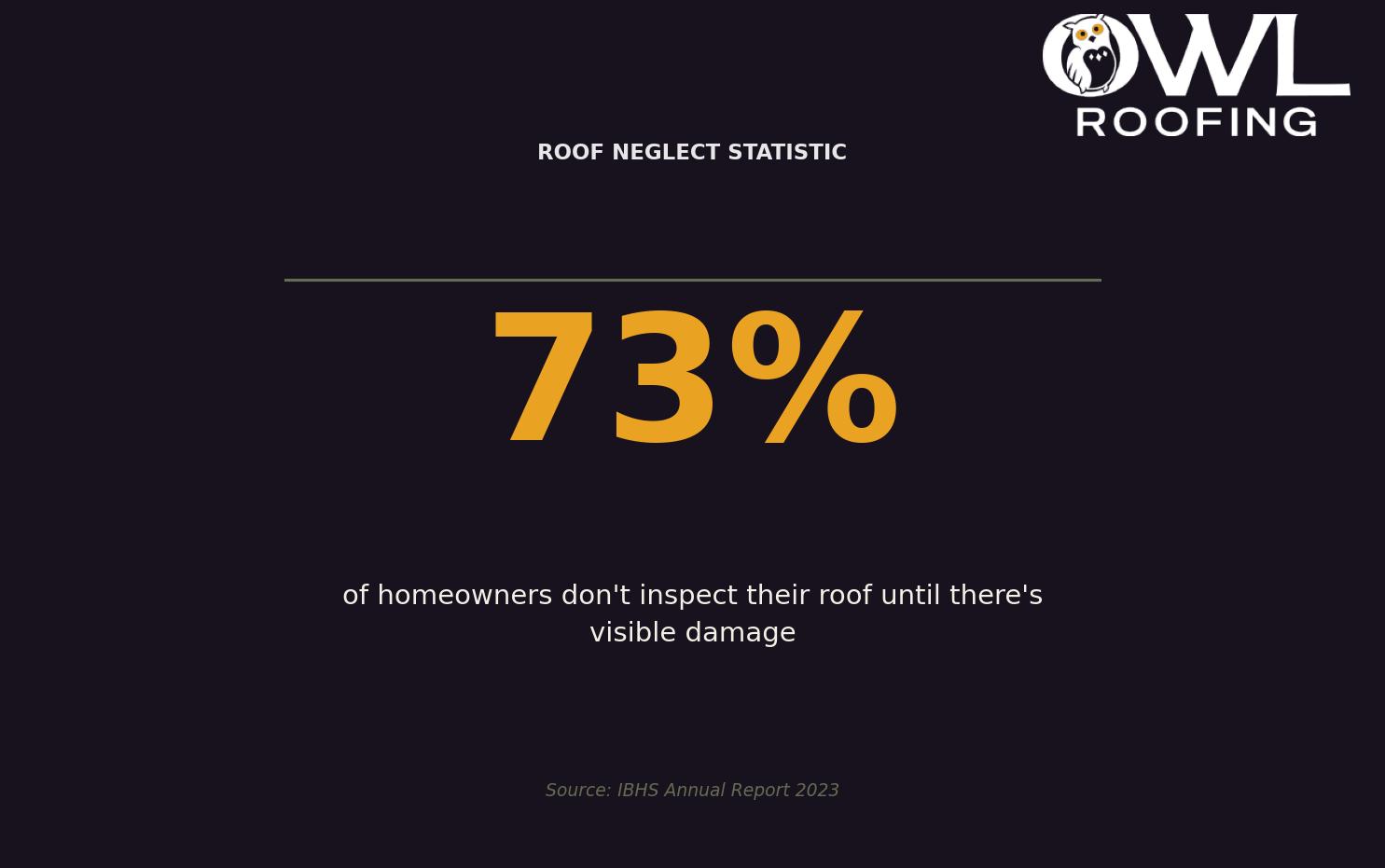
Here’s a stat that might surprise you: according to the Insurance Institute for Business & Home Safety (IBHS), 73% of homeowners don’t inspect their roof until there’s visible damage. That means most people don’t think about their roof’s vulnerability until water’s already dripping through the ceiling.
But during a replacement? You’re suddenly very aware of that vulnerability. The old roof is gone. The decking is exposed. And every cloud in the sky looks personal.
Understanding the actual timeline—not the worst-case-scenario your brain invents at 2 AM—helps you make smarter decisions. When should you schedule? What questions should you ask your contractor? How do you know if they’re cutting corners or playing it safe?
Let’s break it down.
Understanding Home Exposure During Roofing: What Actually Happens
The Roof Replacement Process, Step by Step
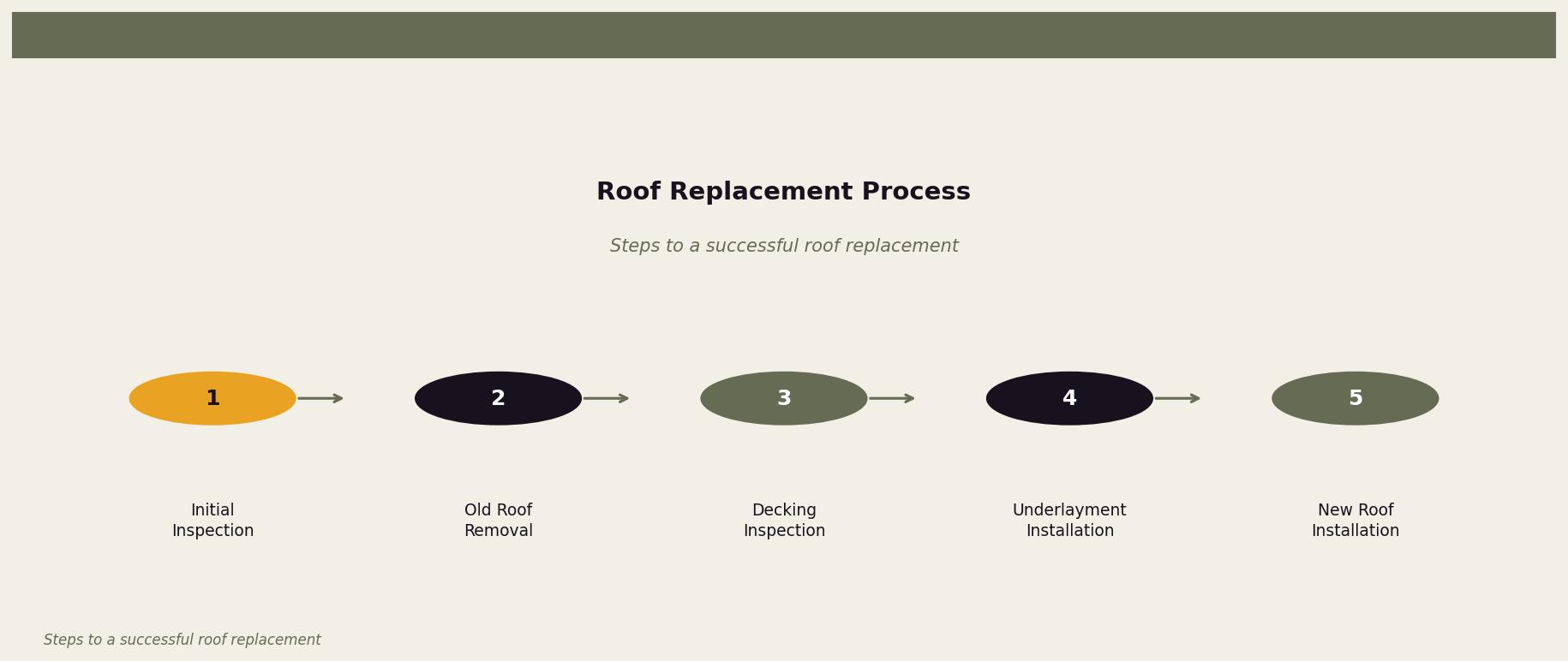
A roof replacement isn’t one big dramatic reveal. It’s a carefully sequenced process—and that sequence is designed to minimize how long your home sits exposed.
Here’s the typical flow:
- Initial inspection: Before anything comes off, a good crew checks the existing roof, identifies trouble spots, and plans the day’s work.
- Old roof removal: Shingles, underlayment, and sometimes damaged decking come off. This is the “bare bones” moment.
- Decking inspection and repair: With everything stripped, the crew checks the wood underneath. Soft spots, rot, or damage get fixed now.
- Underlayment installation: This is the critical protective layer. Modern synthetic underlayment goes down fast and creates a water-resistant barrier—even if shingles aren’t on yet.
- New roof installation: Shingles, flashing, vents, ridge caps. The finished product.
The National Roofing Contractors Association (NRCA) emphasizes that professional crews prioritize speed during removal and underlayment installation specifically to reduce exposure time. It’s not about rushing the job—it’s about smart sequencing.
How Long is Your Roof Actually Open?
Here’s what most homeowners don’t realize: the truly “exposed” window is measured in hours, not days.
For a typical single-family home in Shoreview or anywhere in the Twin Cities, the roof decking might be fully exposed for 2-4 hours. That’s it. A skilled crew strips a section, inspects it, and gets underlayment down before moving to the next area. They’re not peeling the entire roof at once and leaving it bare while they break for lunch.
Most residential roof replacements complete in a single day—sometimes two for larger or more complex homes. The actual exposed decking time is a fraction of that.
The key word here is “skilled.” A crew that’s done this hundreds of times in Minnesota weather knows exactly how to stage the work. They’re watching the sky. They’re working in sections. They’ve got tarps ready if things go sideways.
Weather Exposure: The Real Risks (And How Pros Handle Them)
Minnesota Weather Doesn’t Play Nice
Let’s be honest: scheduling anything outdoors in Minnesota requires optimism and a backup plan. The National Association of Realtors (NAR) reports that weather-related delays are among the most common concerns during roof replacements—and that’s nationally. Here in the Twin Cities, we’ve got bonus challenges.
That freeze-thaw cycle? It’s brutal on roofing materials. Temperatures swing 40 degrees in a day. Morning frost turns to afternoon puddles. Ice forms in places you didn’t know ice could form.
But experienced local contractors have seen it all. They don’t just check the forecast—they check the hourly predictions, the radar, the “feels like” temperature. They know that a 30% chance of rain at 3 PM means “let’s get underlayment down by 2:30, just in case.”
What Happens If Weather Hits Mid-Project?
Rain during a roof replacement isn’t ideal, but it’s also not the disaster you’re picturing. Here’s why:
- Underlayment is your safety net. Once it’s down, your home has a water-resistant barrier. It’s not permanent roofing, but it’ll handle a rainstorm without letting water into your attic.
- Tarps exist for a reason. Any decent crew carries heavy-duty tarps and knows how to deploy them fast. If the sky opens up, they’re covering exposed sections within minutes.
- Decking can handle some moisture. OSB and plywood aren’t destroyed by brief water contact. They need to dry before shingles go on, but a passing shower isn’t a catastrophe.
The real risk isn’t a surprise rain shower. It’s hiring a crew that doesn’t plan for one.
Comparing Exposed Decking Time by Season
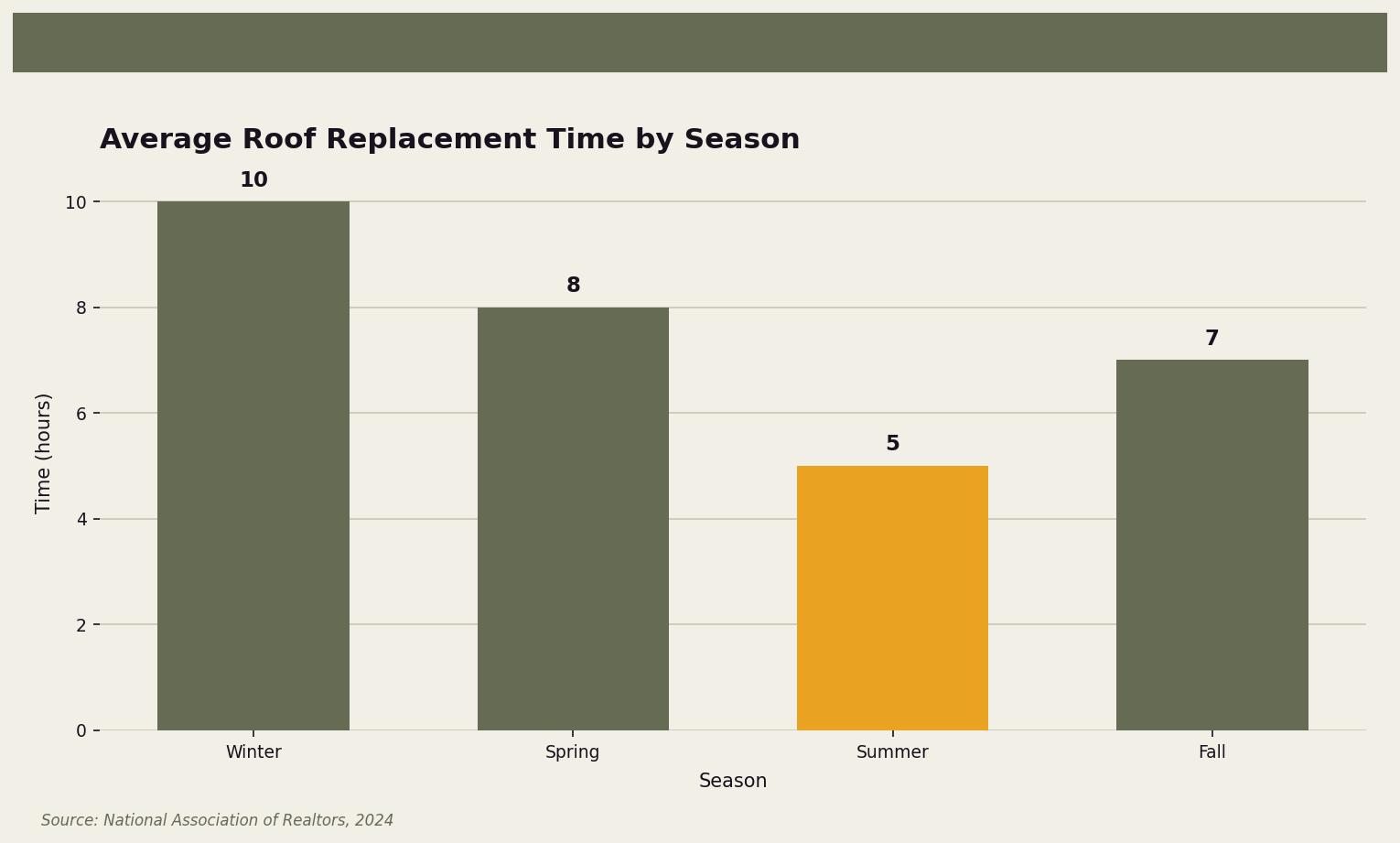
When you schedule your replacement matters. Here’s how the seasons stack up for home exposure during roofing:
Summer (the sweet spot): Longer daylight hours mean more work time. Weather is more predictable. Materials lay flat and seal properly in the warmth. According to the Census Bureau, summer sees the highest number of roof replacements nationally—and there’s a reason. Average replacement time: around 5 hours for the exposed phase.
Fall (solid second choice): Still good working conditions, though days get shorter. Temperature swings can affect material handling. Watch for early-season rain. Average exposed time: around 7 hours.
Spring (workable but tricky): Rain is more frequent. Temperature fluctuations are common. But it’s often when storm damage from winter gets addressed. Average exposed time: around 8 hours.
Winter (emergency only): Snow, ice, and cold temperatures make everything harder. Materials don’t seal properly below certain temperatures. Crews work slower for safety. Average exposed time: around 10 hours—and that’s if conditions even allow work. Most contractors won’t schedule non-emergency replacements in winter.
Twin Cities-Specific Considerations
Living in Shoreview, Roseville, Maplewood, or anywhere in the metro means dealing with climate quirks that contractors from other regions might not understand.
The freeze-thaw factor: When temperatures hover around 32°F—which happens constantly in spring and fall—water gets into tiny cracks, freezes, expands, and makes those cracks bigger. An exposed roof in these conditions needs extra attention. Local crews know to work quickly and ensure proper sealing.
Lake effect and microclimates: Weather in Woodbury isn’t always weather in Plymouth. The Twin Cities metro has enough geographic variation that conditions can change across a 20-minute drive. Local contractors track hyperlocal forecasts, not just “Minneapolis weather.”
Storm season realities: Summer thunderstorms roll in fast. Hail happens. A crew that’s worked hundreds of Twin Cities roofs knows the rhythm of our weather patterns. They’re not caught off guard by a 4 PM storm—they’re watching for it all day.
Material considerations: Some roofing products perform better in our climate than others. Shingles rated for high wind and impact resistance matter here. And proper installation in temperature-appropriate conditions ensures those materials actually perform as rated.
Questions to Ask Before Your Roof Comes Off
Want to minimize your home’s exposure time? Ask your contractor these questions before work starts:
- “What’s your plan if weather changes mid-project?” You want specific answers, not “we’ll figure it out.” Tarps? Work sequencing? At what point do you stop and cover?
- “How do you stage the removal?” Good crews work in sections, getting underlayment down quickly. Bad crews strip everything and then start installing.
- “How long will my decking actually be exposed?” They should give you a real answer based on your roof’s size and complexity—not a vague “depends.”
- “What’s your weather cutoff?” When is it too windy, too cold, or too likely to rain? Professional crews have clear thresholds, not “we’ll play it by ear.”
- “Can I see your insurance certificate?” If something goes wrong with your exposed roof, you need to know they’re covered. No certificate? No contract.
What You Can Do to Prepare
Your contractor handles the heavy lifting, but you can help minimize risk:
- Schedule strategically. If you have flexibility, aim for summer or early fall. Avoid scheduling during weeks when weather forecasts show prolonged rain chances.
- Clear the attic. Move anything valuable or water-sensitive away from the area directly under the roof. Just in case.
- Ask about start time. Crews that start early in the day have more buffer time before afternoon storms roll in.
- Know the communication plan. Who calls you if weather forces a delay? How do they secure your home overnight if the job can’t finish in one day?
- Trust the process. Once you’ve hired a reputable crew, let them do their thing. They’ve done this more times than you’ve thought about your roof.
Protect Your Nest with Owl Roofing
We’re Tim, Bea, Noah, and Anya—Owl Roofing. We live here in Shoreview, and we’ve replaced roofs across the Twin Cities for over 15 years combined. We’re not a franchise, and we’re definitely not storm chasers who disappear after cashing your check.
We’ve handled every kind of weather surprise Minnesota can throw at a roof replacement. We know how to minimize your home’s exposure time, and we plan for the “what ifs” before they become problems. When you work with neighbors, you get people who actually answer the phone and show up when they say they will.
Got questions about your roof? Wondering if it’s time for a replacement? Give us a call at 651-977-6027 or visit owlroofing.com/. We’ll take a look, tell you exactly what we see, and give you a straight answer—no pressure, no runaround.
Protect Your Nest.
📍 Owl Roofing Serves the Entire Twin Cities Metro
Andover · Anoka · Apple Valley · Arden Hills · Big Lake · Blaine · Bloomington · Brooklyn Center · Brooklyn Park · Burnsville · Champlin · Chanhassen · Chaska · Columbia Heights · Coon Rapids · Cottage Grove · Crystal · deephaven · Delano · Eagan · East Bethel · Eden Prairie · Excelsior · Farmington · Forest Lake · Fridley · Golden Valley · Ham Lake · Hastings · Hopkins · Hugo · Inver Grove Heights · Lake Elmo · Lakeville · Lino Lakes · Mahtomedi · Maplewood · Mendota Heights · Minneapolis · Minnetrista · Mound · Mounds View · New Brighton · New Hope · North Oaks · North St. Paul · Oak Grove · Oakdale · Plymouth · Prior Lake · Ramsey · Richfield · Robbinsdale · Rosemount · Roseville · Saint Paul · Savage · Shakopee · Shoreview · South St. Paul · St. Louis Park · St. Michael · St. Paul · Stillwater · Vadnais Heights · Victoria · Waconia · wayzata · West St. Paul · White Bear Lake · woodbury
Licensed Minnesota roofing contractor · Free inspections · 10-year workmanship warranty · Get a free estimate →
