


Best Roofing Material for Hot Climates Pros and Cons
 13min Read
 Posted 10.12.2025
Finding the Best Roofing Material for Hot Climates
Your air conditioner has been running nonstop for three days, and your July energy bill just hit $400. Sound familiar? Here in the Twin Cities, we don’t talk about hot weather the way Phoenix does—but when a 95-degree stretch hits, plenty of Minnesota homes turn into ovens. And often, the culprit is right above your head.
The truth is, most roofs in our area were chosen for winter performance. Snow load, ice dams, freeze-thaw cycles—those are the headliners. But as summers get hotter (and they are—Minneapolis has seen a 2.4°F increase in average summer temperatures since the 1970s), that dark asphalt roof that seemed fine is now soaking up heat like a cast-iron skillet. Your attic hits 150°F. Your AC works overtime. Your wallet takes the hit.
So here’s the situation: you need a roof that can handle Minnesota’s brutal winters AND keep your home comfortable during increasingly intense summers. That’s the task. Let’s walk through your best options, the real pros and cons of each, and how to make a smart choice for your specific home.
Why Your Roof Material Matters More Than You Think
Your roof isn’t just a hat for your house—it’s your first line of defense against whatever the sky throws at you. And in a hot climate (or a hot summer), that means managing a LOT of solar energy.
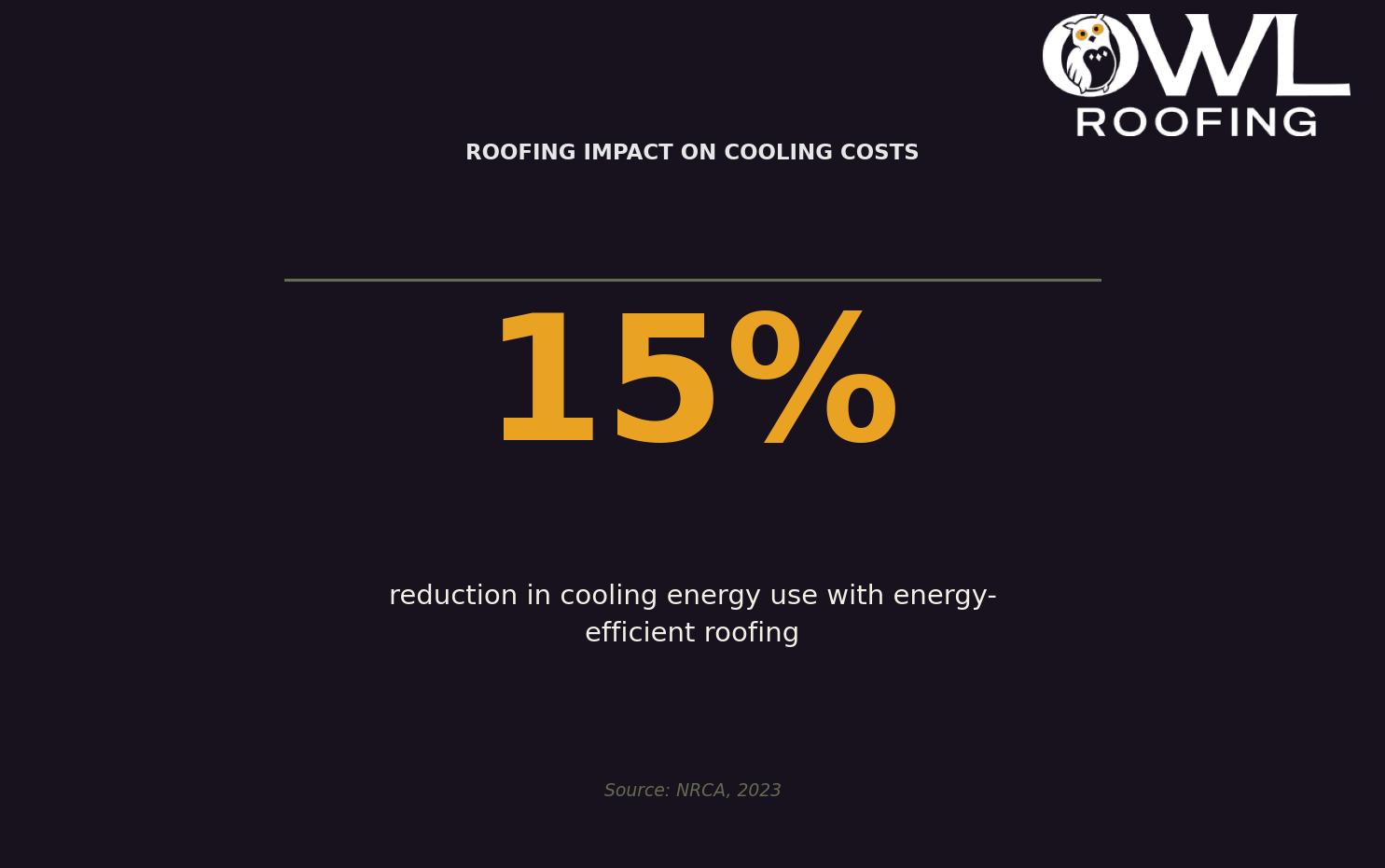
Here’s the deal: a dark-colored roof on a sunny July day can reach surface temperatures of 150-170°F. That heat doesn’t just stay on the shingles. It radiates into your attic, seeps through your insulation, and forces your cooling system to work harder. According to the National Roofing Contractors Association (NRCA), energy-efficient roofing can lower cooling energy use by up to 15% (NRCA, 2023). That’s not pocket change—on a $300 summer electric bill, you’re looking at $45 back in your pocket every month.
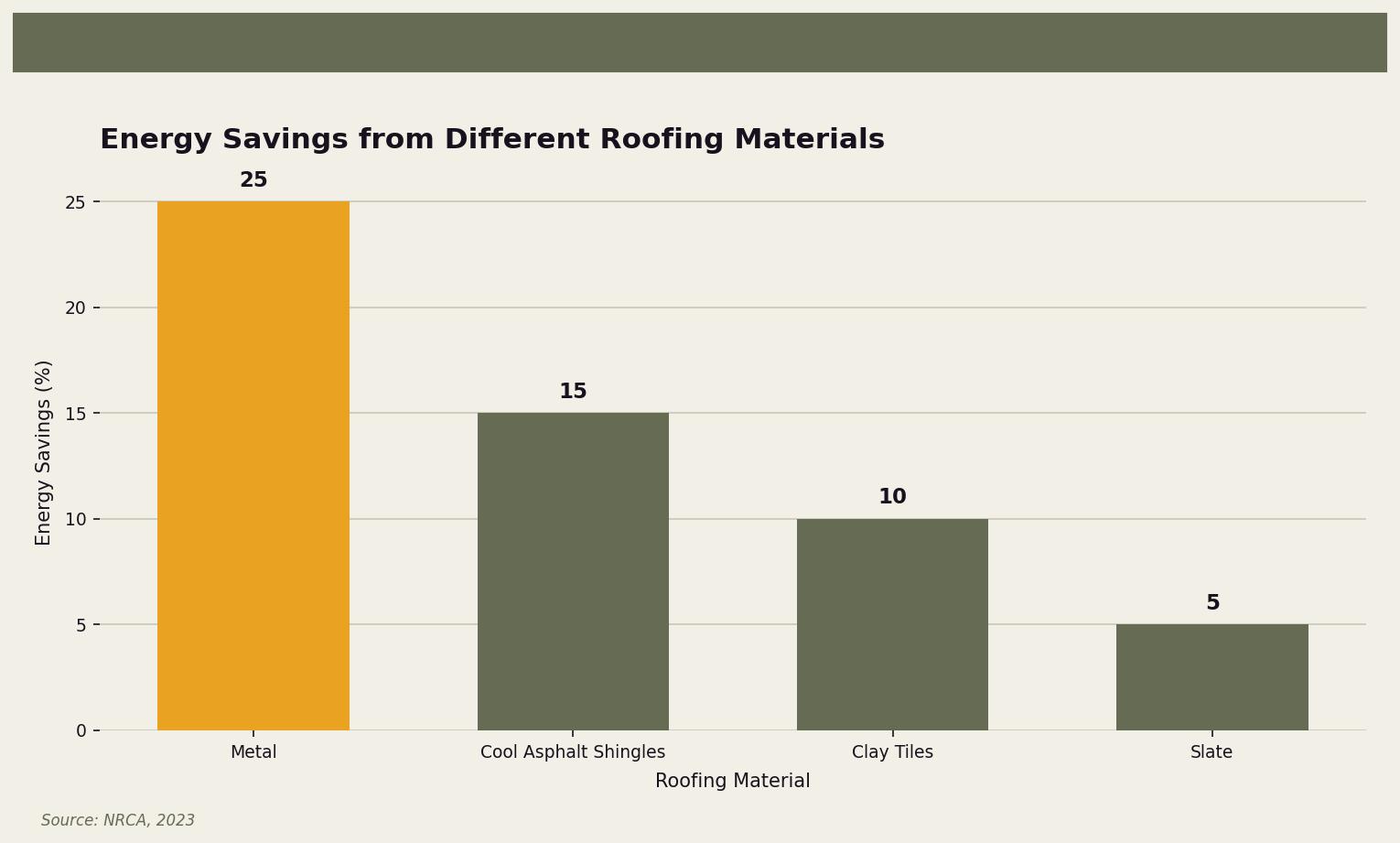
The Insurance Institute for Business & Home Safety (IBHS) goes even further, noting that certain metal roofs can reduce energy costs by 10-25% compared to traditional dark asphalt. When you’re running AC for four months straight, those percentages add up fast.
But here’s where it gets tricky for Twin Cities homeowners: we can’t just optimize for summer. We need roofing that handles the freeze-thaw cycle, potential ice dams, heavy snow loads, and temperature swings that can go from -20°F to 90°F within the same year. That narrows our options—but there are still some excellent choices.
The Best Roofing Materials for Hot Climates (That Also Work in Minnesota)
Metal Roofing: The All-Around Champion
If you’ve driven through newer neighborhoods in Shoreview, Roseville, or White Bear Lake lately, you’ve probably noticed more metal roofs popping up. There’s a good reason for that.
The Pros:
- Exceptional heat reflection. Metal roofs reflect solar radiant heat rather than absorbing it. The IBHS reports energy cost reductions of 10-25%—the highest of any common roofing material.
- Durability that makes sense. A quality metal roof lasts 40-70 years. Compare that to 15-20 years for standard asphalt shingles, and you’re looking at potentially one roof for the rest of your time in the home.
- Handles Minnesota winters like a pro. Snow slides off easily (reducing ice dam risk), and metal expands and contracts with temperature changes without cracking or breaking.
- Fire resistant. Metal roofs are Class A fire-rated, the highest classification available.
- Environmentally friendly. Most metal roofing contains 25-95% recycled content and is 100% recyclable at end of life.
The Cons:
- Higher upfront cost. You’ll pay $8-14 per square foot installed, compared to $3.50-5.50 for standard asphalt. That’s real money—on a 2,000 square foot roof, you’re looking at $16,000-28,000 versus $7,000-11,000.
- Noise during rain and hail. This is the complaint we hear most. Modern metal roofs with proper underlayment and attic insulation are much quieter than the barn roofs of your grandparents’ era, but they’re still louder than asphalt during a downpour.
- Can dent from large hail. Most metal roofs handle normal hail fine, but those baseball-sized stones can leave marks. The good news? Dents are usually cosmetic and don’t affect performance.
- Not every contractor installs them well. Metal roofing requires specific expertise. A bad installation leads to leaks, noise issues, and premature failure.
Bottom line: If you’re planning to stay in your home long-term and can handle the upfront investment, metal roofing is hard to beat for combined hot-weather performance and Minnesota durability.
Cool Roof Asphalt Shingles: The Budget-Friendly Upgrade
Here’s something many homeowners don’t realize: not all asphalt shingles are created equal. “Cool roof” shingles are specifically engineered with reflective granules that bounce back more sunlight than traditional shingles.
The Pros:
- Dramatic temperature reduction. The U.S. Department of Energy reports that cool roof shingles can reduce roof surface temperatures by up to 50 degrees Fahrenheit. That’s the difference between a 160°F roof and a 110°F roof—a massive reduction in heat transfer to your attic.
- Familiar installation process. Any qualified roofer knows how to install asphalt shingles. No specialized training required.
- Lower cost than metal or tile. Cool roof shingles typically run $4-6 per square foot installed—only slightly more than standard shingles.
- Variety of colors and styles. You’re not limited to white or silver. Cool roof technology works with various colors, though lighter shades perform better.
The Cons:
- Shorter lifespan. Even premium asphalt shingles typically last 20-30 years—about half the lifespan of metal. In Minnesota’s harsh climate, you might see the lower end of that range.
- Less energy savings than metal. While cool roof shingles outperform traditional asphalt, they don’t reflect heat as effectively as metal or tile.
- Still vulnerable to wind and hail. Asphalt shingles can blow off in high winds and crack or lose granules from hail damage.
Bottom line: Cool roof shingles are an excellent choice if you need a roof replacement now and want better heat performance without a major budget increase. They’re a smart upgrade from standard asphalt that most Twin Cities homes currently have.
Clay and Concrete Tiles: The Long-Game Option
Walk through any high-end development in Edina or Wayzata, and you’ll spot clay and concrete tile roofs. They’re beautiful, they last forever, and they handle heat exceptionally well. But are they right for your home?
The Pros:
- Incredible durability. The National Association of Realtors (NAR) notes that clay and concrete tiles can last up to 50 years—some historic tile roofs in Europe have lasted centuries.
- Natural thermal resistance. The density of tile creates thermal mass that slows heat transfer. Plus, the curved shape of many tiles creates an air gap that provides additional insulation.
- Low maintenance. Tiles don’t rot, rust, or get eaten by insects. Once installed properly, they need very little attention.
- Fire resistant. Like metal, tile roofs are Class A fire-rated.
The Cons:
- Heavy. Really heavy. Tile roofs weigh 600-1,100 pounds per 100 square feet, compared to 200-350 pounds for asphalt. Many Minnesota homes weren’t built to handle that load. You may need structural reinforcement before installation—adding significant cost.
- Expensive upfront. Tile roofing typically costs $10-18 per square foot installed. Add structural upgrades, and you could be looking at $25,000-50,000 for an average home.
- Can crack in freeze-thaw cycles. This is the big concern for Minnesota. Lower-quality tiles or improper installation can lead to cracking when water gets in and freezes. You need high-quality tiles rated for cold climates and an experienced installer.
- Harder to repair. If a tile breaks, matching it can be difficult, especially years later when styles have changed.
Bottom line: Tile roofing makes sense for high-end homes where aesthetics matter and the structure can support the weight. For most Twin Cities homes, the cost and structural concerns make it less practical than metal or cool roof shingles.
Slate Roofing: The Heirloom Choice
Slate is the Rolls-Royce of roofing materials. If you’ve admired the grand old homes along Summit Avenue in St. Paul, you’ve seen slate in action.
The Pros:
- Unmatched longevity. Quality slate roofs last 75-100 years. Some have lasted 200+ years. You’re not just buying a roof—you’re buying a legacy.
- Natural thermal properties. Slate’s density provides excellent heat resistance and thermal mass, keeping homes cooler in summer.
- Stunning aesthetics. Nothing looks quite like real slate. It adds significant curb appeal and resale value.
- Zero combustibility. Slate is literally rock. It doesn’t burn.
The Cons:
- Extremely expensive. Slate roofing runs $15-30 per square foot installed—potentially $30,000-60,000+ for an average home.
- Very heavy. Like tile, slate requires structural support that many homes don’t have.
- Fragile when walked on. Slate can crack under foot traffic, making repairs and maintenance tricky.
- Few qualified installers. Slate roofing is a specialized craft. Finding someone who does it well in the Twin Cities takes effort.
Bottom line: Slate is for historic restoration or luxury new construction where budget isn’t the primary concern. For most homeowners, it’s beautiful but impractical.
The Minnesota Factor: Balancing Summer and Winter
Here’s what makes roofing decisions tricky in the Twin Cities: we don’t just need the best roofing material for hot climates. We need a material that also handles everything else Minnesota throws at us.
The IBHS emphasizes that Minnesota’s freeze-thaw cycle is particularly brutal on roofing materials. Water gets into small cracks, freezes, expands, and makes those cracks bigger. Repeat this hundreds of times per winter, and inferior materials fail fast.
What does this mean for your decision?
- Metal roofing handles freeze-thaw beautifully. It expands and contracts as a single system without cracking.
- Quality asphalt shingles (including cool roof varieties) are designed for this cycle, though they’ll still wear faster than in milder climates.
- Tile and slate need careful material selection. Not all tiles are rated for cold climates—cheap clay tiles will crack within a few Minnesota winters.
Also consider snow load. Minnesota building codes require roofs to handle 42 pounds per square foot of ground snow load (varies by county). All the materials we’ve discussed meet this requirement when installed correctly, but heavier materials like tile and slate leave less margin for error.
Making Your Decision: A Practical Approach

So what’s the action plan? Here’s how to move from “my roof is making my house hot” to “I’ve got a roof I’m confident in.”
Step 1: Assess what you’ve got. How old is your current roof? What condition is it in? If you’re within 5 years of needing replacement anyway, it makes sense to factor heat performance into your next roof. If your current roof is relatively new and in good shape, other improvements (attic insulation, radiant barriers, ventilation) might be more cost-effective.
Step 2: Be honest about your budget and timeline. Metal roofing saves more money long-term, but the upfront cost is real. If you’re planning to sell in 5 years, cool roof shingles might be the smarter investment. If this is your forever home, metal’s longevity makes more sense.
Step 3: Check your home’s structure. Before falling in love with tile or slate, find out if your home can support the weight. A structural engineer can assess this for a few hundred dollars—money well spent before committing to a $40,000 roof that requires $15,000 in structural work.
Step 4: Talk to local experts. National statistics are helpful, but your roof exists in Minnesota, not a laboratory. Local roofers see how different materials actually perform in our climate, on our homes, year after year. That firsthand knowledge is invaluable.
Step 5: Get multiple opinions and quotes. Don’t just compare prices—compare expertise. Ask contractors what materials they recommend and why. Ask about their experience with your preferred material. Ask for references from similar projects.
The Result: A Cooler, More Efficient Home
When you choose the right roofing material for both hot weather and Minnesota’s full range of conditions, here’s what you get:
- Lower energy bills—potentially hundreds of dollars per year in AC savings
- A more comfortable home, with fewer hot spots and temperature swings
- Less strain on your HVAC system, extending its lifespan
- Better resale value (energy efficiency sells)
- Peace of mind knowing your roof can handle whatever comes next
Whether you choose metal for maximum performance, cool roof shingles for budget-friendly improvement, or tile for lasting beauty, you’re making an investment in your home’s comfort and efficiency for decades to come.
Ready to Explore Your Options?
If you’ve been noticing that summer heat creeping into your home—or you’re simply due for a roof replacement and want to make a smart choice—we’d love to help you think it through. At Owl Roofing, we’ve seen every type of roofing material perform (and sometimes fail) through Minnesota’s unique climate challenges. We’re a family-owned company right here in Shoreview, serving neighbors throughout the Twin Cities for over 15 years combined experience.
We'll take a look at your roof, talk through your goals and budget, and give you straight answers about what makes sense for your specific home. No pressure, no sales pitch—just honest guidance from people who live here too. Give us a call at 651-977-6027 or visit owlroofing.com/ to schedule a conversation. Protect Your Nest.
📍 Owl Roofing Serves the Entire Twin Cities Metro
Andover · Anoka · Apple Valley · Arden Hills · Big Lake · Blaine · Bloomington · Brooklyn Center · Brooklyn Park · Burnsville · Champlin · Chanhassen · Chaska · Columbia Heights · Coon Rapids · Cottage Grove · Crystal · deephaven · Delano · Eagan · East Bethel · Eden Prairie · Excelsior · Farmington · Forest Lake · Fridley · Golden Valley · Ham Lake · Hastings · Hopkins · Hugo · Inver Grove Heights · Lake Elmo · Lakeville · Lino Lakes · Mahtomedi · Maplewood · Mendota Heights · Minneapolis · Minnetrista · Mound · Mounds View · New Brighton · New Hope · North Oaks · North St. Paul · Oak Grove · Oakdale · Plymouth · Prior Lake · Ramsey · Richfield · Robbinsdale · Rosemount · Roseville · Saint Paul · Savage · Shakopee · Shoreview · South St. Paul · St. Louis Park · St. Michael · St. Paul · Stillwater · Vadnais Heights · Victoria · Waconia · wayzata · West St. Paul · White Bear Lake · woodbury
Licensed Minnesota roofing contractor · Free inspections · 10-year workmanship warranty · Get a free estimate →
- Lawn swept 3x with magnets
- Storm restoration specialists
- We actually answer: (651) 977-6027
 5.0 · 90+ reviews
 Accredited
Owl is the local family-owned roofer that actually cares.
250+ Twin Cities families have trusted us with their homes. Book a free inspection and see why.
★★★★★“We couldn’t be happier with how everything turned out. From the beginning to the end, the whole experience was great.”
Rob Larson, Local Homeowner + Owl Customer
A real person calls you back, usually within the hour.
