


Roof Maintenance Checklist What Actually Matters
 11min Read
 Posted 12.25.2025
Roof Maintenance Checklist: What Actually Matters
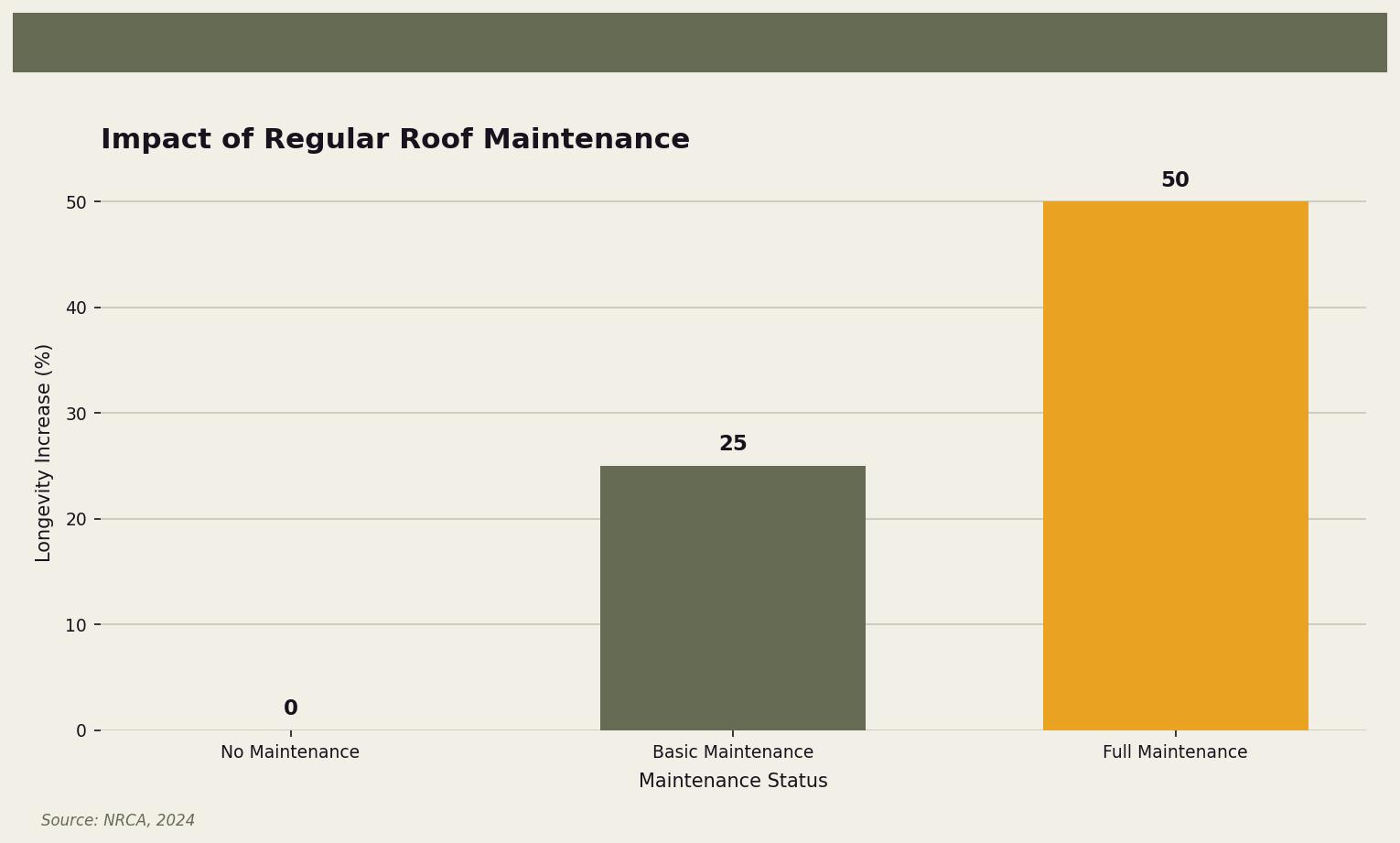
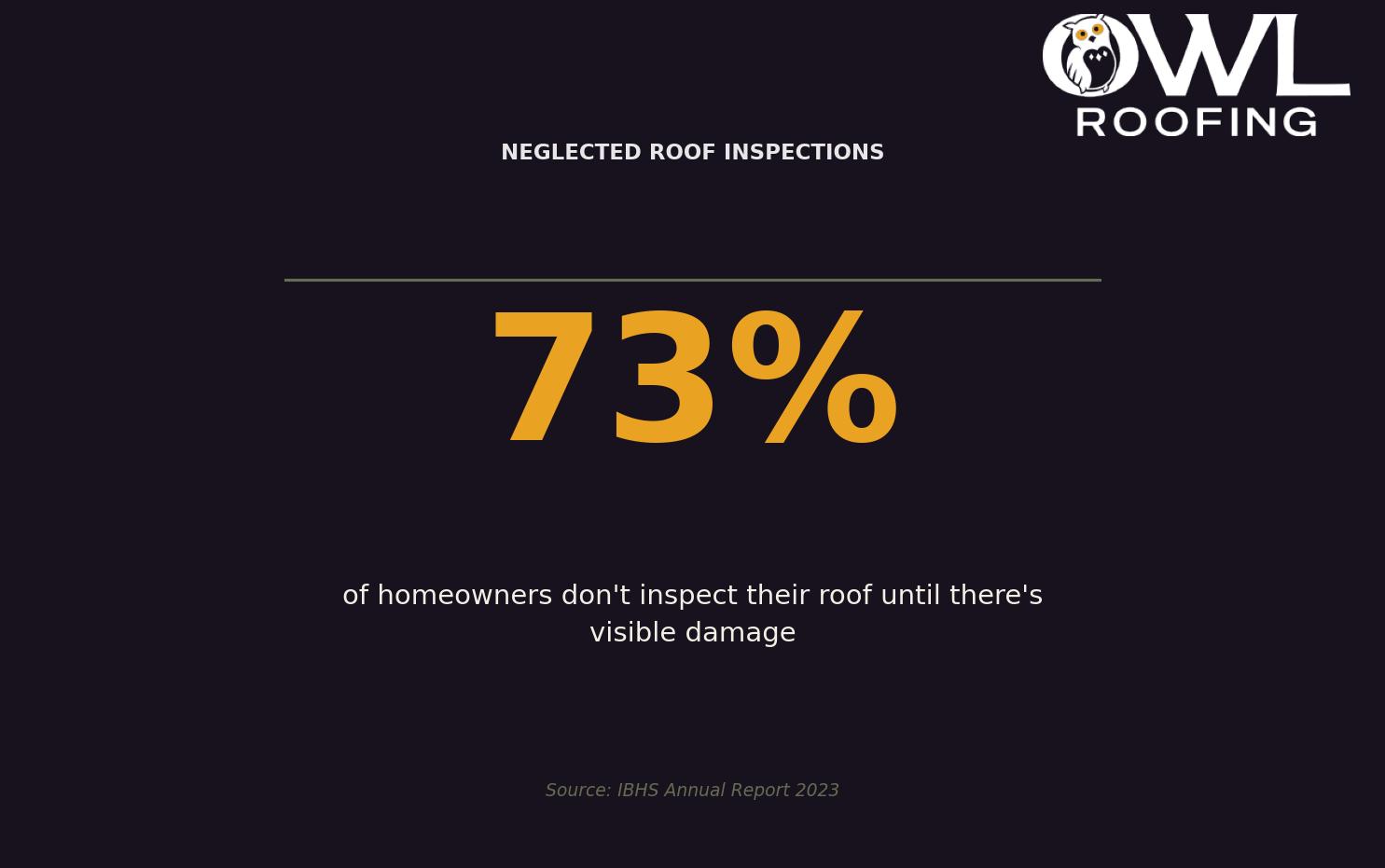
Here’s the thing most Twin Cities homeowners don’t realize until it’s too late: a well-maintained roof can last up to 50% longer than a neglected one. That’s not marketing fluff—that’s data from the Insurance Institute for Business & Home Safety (IBHS). And yet, 73% of homeowners never inspect their roof until something’s already visibly wrong. By then? You’re not doing maintenance. You’re doing damage control.
If you’re reading this, you’re already ahead of most people. Let’s keep that momentum going with a roof maintenance checklist that actually makes sense for Minnesota homes—no filler, no scare tactics, just the stuff that genuinely protects your house (and your wallet).
The Bottom Line: Why Roof Maintenance Isn’t Optional Here
Minnesota isn’t gentle on roofs. We get an average of 54 inches of snow annually, according to the Minnesota Department of Natural Resources. Add in ice dams, summer hail storms, and the constant freeze-thaw cycle that turns tiny cracks into big problems, and you’ve got a climate that stress-tests every shingle, seal, and flashing joint on your home.
Skip maintenance, and here’s what happens: the National Roofing Contractors Association (NRCA) reports that roof failures due to poor maintenance rank among the top reasons for homeowner insurance claims. Those claims don’t just cost money upfront—they can spike your premiums for years. On the flip side, the National Association of Realtors (NAR) found that a well-maintained roof can recoup over 70% of its cost at resale. In a market like the Twin Cities, where buyers are savvy about weather-related wear, that’s real money.
So yes, roof maintenance matters. But not everything matters equally. Let’s focus on what actually moves the needle.
Your Annual Roof Inspection Checklist: The Non-Negotiables
You don’t need to climb on your roof with a clipboard every weekend. But you do need a system—a once-a-year deep look, plus a few seasonal check-ins. Here’s what that looks like in practice.
Start From the Ground
Grab a pair of binoculars and walk the perimeter of your house. You’re looking for the obvious stuff:
- Missing or damaged shingles — Gaps, curling edges, or shingles that look darker than their neighbors (a sign of moisture absorption)
- Sagging areas — Any dip or wave in your roofline is a red flag for structural issues
- Vegetation growth — Moss and algae aren’t just ugly; they trap moisture against your roof and accelerate decay
- Debris buildup — Leaves, branches, and pine needles piled in valleys or against chimneys create moisture traps
This ground-level scan takes ten minutes and catches problems before they become emergencies. Do it every spring and fall at minimum.
Check Your Attic
This is where a lot of homeowners skip ahead, and it’s a mistake. Your attic tells you things the outside of your roof can’t. Look for:
- Water stains on rafters or insulation — Brown rings or discoloration mean water has found a way in
- Mold or mildew smell — Even if you don’t see damage, that musty odor means excess moisture
- Daylight through the roof boards — If you can see light, water can get through too
- Proper ventilation — Check that soffit vents and ridge vents aren’t blocked by insulation or debris
Attic issues often show up months before exterior damage becomes visible. Catching them early can save you thousands.
Gutters and Downspouts: The Unsung Heroes
Clogged gutters are one of the most common (and preventable) causes of roof damage. When water can’t drain properly, it backs up under shingles, seeps into fascia boards, and in winter, contributes to ice dams. The NRCA recommends cleaning gutters at least twice a year—once in late spring after the pollen and seed pods fall, and again in late fall after the leaves drop.
While you’re at it, make sure downspouts direct water at least three feet away from your foundation. A splash block or extension costs a few bucks and prevents basement flooding and foundation erosion.
Regular Roof Maintenance Tasks: What to Do (and When)
Beyond the annual inspection, there are maintenance tasks that keep small problems from becoming big ones. Here’s your practical roof care list, organized by priority.
Trim Overhanging Branches
Trees add curb appeal, but branches that scrape against your roof during windstorms act like sandpaper on shingles. They also drop leaves and needles that clog gutters and trap moisture. Keep branches trimmed back at least six feet from your roofline. If you’ve got a mature oak or maple overhanging your roof, consider having a certified arborist assess whether it poses a long-term risk.
Inspect and Repair Flashing
Flashing is the metal (usually aluminum or galvanized steel) that seals the joints around chimneys, vents, skylights, and where roof planes meet. According to the IBHS, nearly 90% of roof leaks occur at these junctures. That’s not because flashing fails easily—it’s because it’s often installed incorrectly or deteriorates before the surrounding shingles.
Check flashing for:
- Rust or corrosion
- Lifted or separated edges
- Cracked or missing caulk/sealant
- Gaps where flashing meets the roof surface
If you spot issues, get them fixed promptly. A $200 flashing repair beats a $2,000 water damage claim every time.
Remove Debris After Storms
After any significant storm—wind, hail, heavy rain—do a quick visual check. Look for fallen branches, displaced shingles, or debris that’s landed in valleys and gutters. The sooner you clear it, the less chance moisture has to work its way under your roofing materials.
What to Check Based on Your Roof Material

Not all roofs age the same way. Here’s what to watch for based on what’s over your head.
Asphalt Shingles (Most Common in the Twin Cities)
Look for granule loss—those tiny pebbles that coat the shingle surface. Some granule loss is normal over time, but if you’re seeing bald patches or piles of granules in your gutters, your shingles are nearing the end of their effective life. Also watch for curling, cracking, or shingles that have lifted at the edges.
Metal Roofs
Metal is durable and handles Minnesota weather well, but it’s not maintenance-free. Check for rust spots, especially along seams and fastener points. Look for loose or missing screws and make sure rubber washers haven’t degraded. Metal roofs can also develop oil canning (waviness in flat panels)—it’s usually cosmetic, but significant warping can indicate installation issues.
Tile Roofs (Less Common, But We See Them)
Clay and concrete tiles are tough but brittle. Look for cracked, chipped, or slipped tiles. Walking on a tile roof can cause damage, so if you suspect problems, it’s worth calling a professional for an assessment rather than investigating yourself.
Flat or Low-Slope Roofs
Common on additions, garages, and some modern homes. Check for ponding water (standing water 48+ hours after rain), blisters or bubbles in the membrane, and any tears or punctures. Flat roofs are more vulnerable to pooling and drainage issues, so keeping drains clear is especially important.
Seasonal Considerations for Minnesota Roofs
Our climate demands a seasonal approach. Here’s how to think about roof care throughout the year.
Spring
After the last snow melts, do your most thorough inspection of the year. Winter is hard on roofs—look for any damage from ice, heavy snow loads, or freeze-thaw cycles. Clean gutters of winter debris and check for ice dam damage along eaves.
Summer
Address any repairs identified in spring before summer storms hit. Trim trees, clear gutters of pollen and seeds, and make sure attic ventilation is working properly. Poor ventilation in summer can bake shingles from below, shortening their lifespan.
Fall
Prepare for winter. Clean gutters again after leaves drop. Check that insulation is adequate and evenly distributed in your attic. Verify that heating cables (if you use them) are in working order. This is your last chance to fix flashing or shingle issues before snow covers everything.
Winter
Monitor for ice dams—those ridges of ice that form along eaves. The University of Minnesota Extension advises maintaining a consistent attic temperature to prevent them. If your attic is warm from escaping house heat, snow melts on the roof, runs down to the colder eaves, and refreezes. That ice backs up under shingles and causes leaks. Proper insulation and ventilation are the long-term fix. In the short term, roof rakes can help you safely remove snow from eaves after heavy storms.
Your Action Plan: What to Do Next
Here’s the straightforward version of everything above:
- Schedule an annual professional inspection — Ideally in spring, after winter damage has occurred but before summer storms arrive
- Clean gutters twice a year — Late spring and late fall, minimum
- Do a ground-level visual check — Every season, and after any major storm
- Keep a maintenance log — Note what you checked, what you found, and when repairs were made. This documentation helps with insurance claims and resale
- Address small issues immediately — That missing shingle or lifted flashing edge won’t fix itself, and waiting only makes it worse
If DIY isn’t your thing (and honestly, for most people it shouldn’t be when it comes to roofs), hire a qualified local roofer who knows Minnesota conditions. The cost of regular maintenance is a fraction of what major repairs or early replacement will run you.
When It’s Time to Call in the Pros
Not everything on this checklist is a homeowner job. Call a professional if you notice:
- Multiple missing or damaged shingles
- Visible sagging in the roofline
- Active leaks or water stains that are spreading
- Flashing damage around chimneys or skylights
- Your roof is 15+ years old and hasn’t been professionally inspected recently
A qualified roofer can assess damage you might miss, spot early warning signs, and recommend whether repair or replacement makes more financial sense. In the Twin Cities, where our roofs work harder than most, that professional perspective is worth the investment.
Let’s Talk About Your Roof
At Owl Roofing, we’ve seen every type of roof issue Minnesota weather can throw at a home—from ice dam damage in Shoreview to hail-battered shingles across the metro. We’re a family-owned company (Tim and Bea Brown, Noah and Anya Bergland) with over 15 years of combined experience, and we’re your neighbors, not a franchise or a storm-chasing crew passing through.
If it’s been a while since your roof had a professional look, or you spotted something on this checklist that concerns you, give us a call at 651-977-6027 or visit owlroofing.com/. We’ll tell you exactly what your roof needs—no pressure, no runaround. Just honest advice from people who live here and stake our reputation on every job.
Protect Your Nest.
📍 Owl Roofing Serves the Entire Twin Cities Metro
Andover · Anoka · Apple Valley · Arden Hills · Big Lake · Blaine · Bloomington · Brooklyn Center · Brooklyn Park · Burnsville · Champlin · Chanhassen · Chaska · Columbia Heights · Coon Rapids · Cottage Grove · Crystal · deephaven · Delano · Eagan · East Bethel · Eden Prairie · Excelsior · Farmington · Forest Lake · Fridley · Golden Valley · Ham Lake · Hastings · Hopkins · Hugo · Inver Grove Heights · Lake Elmo · Lakeville · Lino Lakes · Mahtomedi · Maplewood · Mendota Heights · Minneapolis · Minnetrista · Mound · Mounds View · New Brighton · New Hope · North Oaks · North St. Paul · Oak Grove · Oakdale · Plymouth · Prior Lake · Ramsey · Richfield · Robbinsdale · Rosemount · Roseville · Saint Paul · Savage · Shakopee · Shoreview · South St. Paul · St. Louis Park · St. Michael · St. Paul · Stillwater · Vadnais Heights · Victoria · Waconia · wayzata · West St. Paul · White Bear Lake · woodbury
Licensed Minnesota roofing contractor · Free inspections · 10-year workmanship warranty · Get a free estimate →
