


Storm Damage Roof Repair Minneapolis Hail Wind and Insurance Claims Explained
 12min Read
 Posted 1.31.2026
Storm Damage Roof Repair Minneapolis: What Hail, Wind, and Your Insurance Company Won’t Tell You
That sinking feeling when you walk outside after a Minneapolis thunderstorm and find shingle pieces scattered across your lawn like confetti? Yeah, that’s not the celebration anyone signed up for. Every year, hail and wind storms cause roughly $10 billion in damages nationwide — and the Twin Cities takes more than its fair share of that hit. If you’re staring at a damaged roof right now (or dreading the next storm), here’s the good news: you don’t have to figure this out alone, and you definitely don’t have to get taken advantage of in the process.
This guide walks you through exactly what storm damage looks like, how to handle your insurance claim without losing your mind, and what actually needs to happen to protect your home for the long haul. Consider this your battle plan for when Mother Nature decides your roof looks like a good target.
Why Storm Damage Repair Can’t Wait (Especially in Minnesota)
Here’s the thing about roof damage in Minneapolis: it’s sneaky. That small crack or missing shingle from last Tuesday’s storm? By February, it could turn into a much bigger, much more expensive problem. Minnesota’s freeze-thaw cycles are brutal on compromised roofs. Water seeps into tiny openings, freezes, expands, and suddenly you’re dealing with interior water damage, mold, or worse — structural issues that insurance might not cover because you waited too long.
The Insurance Institute for Business & Home Safety (IBHS) data is clear: acting fast matters. And according to the National Association of Realtors (NAR), a well-maintained roof can recover up to 105% of its cost when you sell your home. Translation: taking care of storm damage now protects both your daily life and your investment.
But beyond the numbers, there’s a simpler truth. Your home is where your family sleeps, eats, and feels safe. A damaged roof puts all of that at risk. The stakes aren’t just financial — they’re personal.
Understanding What Storm Damage Actually Looks Like
Hail Damage: The Hidden Troublemaker
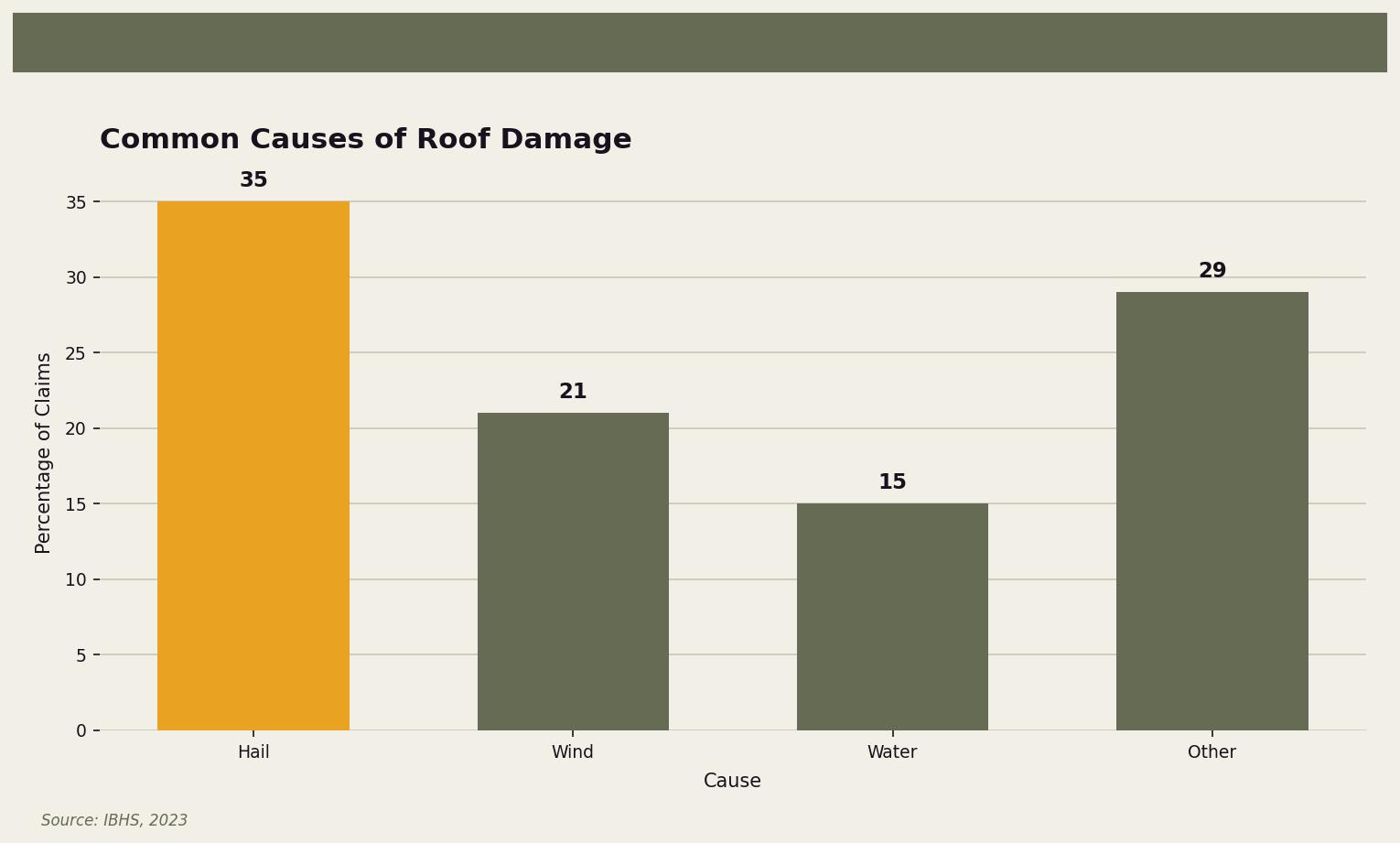
Minnesota consistently ranks among the top states for hail damage, and Minneapolis homeowners know exactly why. Those summer storms roll through fast and hit hard. But here’s what catches most people off guard: hail damage isn’t always obvious from the ground.
According to the National Roofing Contractors Association (NRCA), even pea-sized hailstones can compromise asphalt shingles. They create small dents or cracks that expose the underlayment beneath. Golf ball-sized hail? That can punch through shingles entirely, leaving your roof deck vulnerable to water infiltration.
What to look for after a hailstorm:
- Dented or bruised shingles — they might feel soft or spongy when pressed
- Granule loss — check your gutters and downspouts for black, sandy buildup
- Cracked or split shingles — sometimes visible, sometimes hidden under the surface
- Dents in metal flashing, vents, or gutters — a telltale sign of significant hail impact
- Random bare spots — where the protective granule layer has been knocked off
The tricky part? You might not see water damage inside your home for weeks or even months after the initial storm. By then, the problem has grown — and your claim window may have narrowed.
Wind Damage: More Than Missing Shingles
Wind damage accounts for 21% of all weather-related homeowner insurance claims, according to the IBHS. In Minneapolis, where gusts can exceed 50 mph during summer storms (and winter blizzards aren’t exactly gentle either), your roof takes a beating from multiple directions.
Strong winds don’t just rip shingles off — they also lift edges, break seals, and create entry points for water. Even if your shingles are still technically attached, they may be compromised in ways that aren’t visible from the street.
Signs of wind damage to watch for:
- Missing shingles — the obvious one, but worth stating
- Lifted or curled shingle edges — often found along roof edges and ridges
- Exposed underlayment or roof deck — anywhere shingles have blown off or shifted
- Debris impact marks — from branches, lawn furniture, or other objects that went airborne
- Damaged flashing around chimneys, vents, or skylights — these are vulnerable spots
Wind damage often concentrates on certain areas of your roof — corners, edges, and anywhere there’s a seam or transition. A professional inspector knows exactly where to look.
The Insurance Claim Process: What Actually Happens
Filing an insurance claim for roof damage feels intimidating. There’s paperwork, adjusters, estimates, and a whole lot of fine print. But roughly 6% of homeowners file a claim every year according to the Insurance Information Institute, with storm damage being a leading cause. You’re not alone in this, and the process is manageable when you know what to expect.
Step 1: Document Everything Before You Touch Anything
Before you call anyone, grab your phone and start taking photos. Lots of them. Get shots of:
- Damaged shingles, flashing, gutters, and vents
- Any debris on your roof or in your yard
- Interior damage (water stains, wet insulation, etc.)
- Wide shots that show the overall roof condition
- Close-ups that capture specific damage points
This documentation becomes your evidence. Insurance adjusters in Minneapolis see a lot of claims — especially after major storms — and thorough documentation helps your case stand out and move faster.
Step 2: Contact Your Insurance Company Promptly
Most policies have time limits for reporting damage. Don’t wait weeks to make the call. When you contact your insurer, have your policy number ready and be prepared to describe what happened and when. Stick to facts — what the storm was like, what damage you’ve observed, and what documentation you have.
Your insurance company will assign an adjuster to inspect your roof. In high-claim periods (like after a major Minneapolis hailstorm), this might take a few days or even longer. Be patient, but also be persistent about scheduling.
Step 3: Get a Professional Inspection (Before or Alongside the Adjuster Visit)
Here’s where many homeowners make a mistake: they rely solely on the insurance adjuster’s assessment. Adjusters are trained professionals, but they’re also representing the insurance company’s interests. Having your own inspection from a trusted local contractor gives you an independent assessment and ensures nothing gets missed.
A good contractor will walk your roof, document damage thoroughly, and provide an estimate that matches industry standards. If their findings differ significantly from the adjuster’s, you’ll have documentation to support a supplement request or appeal.
Step 4: Understand Your Estimate and What’s Covered
Insurance estimates can be confusing. They’ll list line items for materials, labor, and sometimes additional costs like permits or debris removal. Review this carefully. Common questions to ask:
- Does this cover full replacement of damaged areas, or just patching?
- Are upgraded materials covered if my current ones are outdated?
- What’s my deductible, and how does it apply?
- Is there coverage for temporary repairs to prevent further damage?
If something seems off or the estimate seems low, you have the right to ask questions and request a re-inspection.
Step 5: Choose Your Contractor Wisely
This is critical. After major storms in Minneapolis, contractors come out of the woodwork — literally. Some are reputable locals; others are “storm chasers” who follow severe weather from state to state, collect deposits, and disappear before finishing the job (or do subpar work that fails within a year).
Red flags to watch for:
- Out-of-state license plates and no local address
- High-pressure tactics or “today only” pricing
- Requests for full payment upfront before work begins
- No written contract or vague scope of work
- Offers to “cover your deductible” (this is insurance fraud, by the way)
Your best bet is a local contractor with roots in the community, verifiable references, and proper licensing and insurance. Someone who’ll still be around next year if you have questions or concerns.
Choosing the Right Repair Strategy for Minneapolis Weather
Once your claim is approved, it’s time to decide on materials and approach. The NRCA recommends using quality materials suited to your local climate — and in Minneapolis, that means thinking about more than just today’s repair.
Material Considerations for Twin Cities Roofs
Asphalt shingles remain the most popular choice for Minneapolis homes, and for good reason. They’re durable, cost-effective, and available in impact-resistant varieties that hold up better against hail. But not all asphalt shingles are created equal.
For storm-prone areas, consider:
- Impact-resistant shingles (Class 4 rated) — these are tested to withstand hail impact and may qualify you for insurance discounts
- Architectural shingles — thicker and more durable than basic 3-tab options
- Proper underlayment — the layer beneath your shingles matters, especially for ice dam prevention
- Quality flashing and sealants — these protect vulnerable transition points
The goal isn’t just to fix what’s broken. It’s to make your roof more resilient for the next storm — because in Minneapolis, there’s always a next storm.
The Freeze-Thaw Factor
Minnesota’s freeze-thaw cycles are particularly hard on compromised roofs. According to the National Association of Home Builders (NAHB), this cycle can turn minor damage into major problems quickly. Water enters small cracks, freezes overnight, expands, and widens those cracks. Repeat this dozens of times over a winter, and you’ve got serious deterioration.
This is why timing matters. Getting repairs done before winter hits — or at minimum, before deep freeze sets in — protects your home from exponential damage.
What Happens If You Wait Too Long
Let’s be real about the stakes here. Ignoring storm damage or putting off repairs doesn’t just mean cosmetic issues. It can lead to:
- Interior water damage — stained ceilings, damaged insulation, ruined belongings
- Mold growth — a health hazard that’s expensive to remediate
- Structural damage — rotting roof decking, compromised rafters, and worse
- Denied insurance claims — if damage worsens due to neglect, insurers may refuse coverage
- Decreased home value — roof condition is one of the first things inspectors check
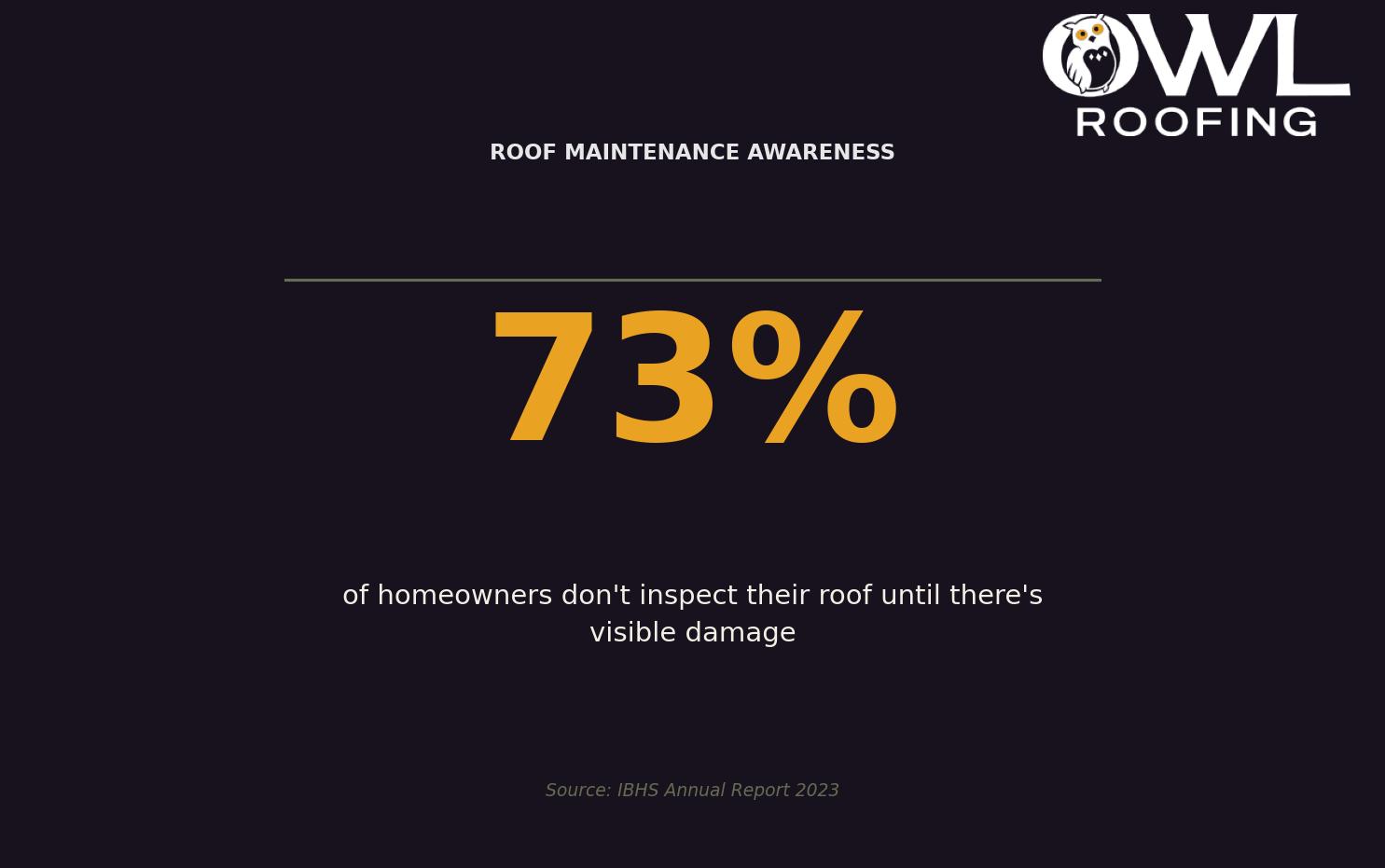
The IBHS data on this is clear: 73% of homeowners don’t inspect their roof until there’s visible damage. By then, the problem is usually bigger and more expensive than it needed to be. A quick inspection after every significant storm is the easiest prevention there is.
Your Action Plan: From Storm Damage to Peace of Mind
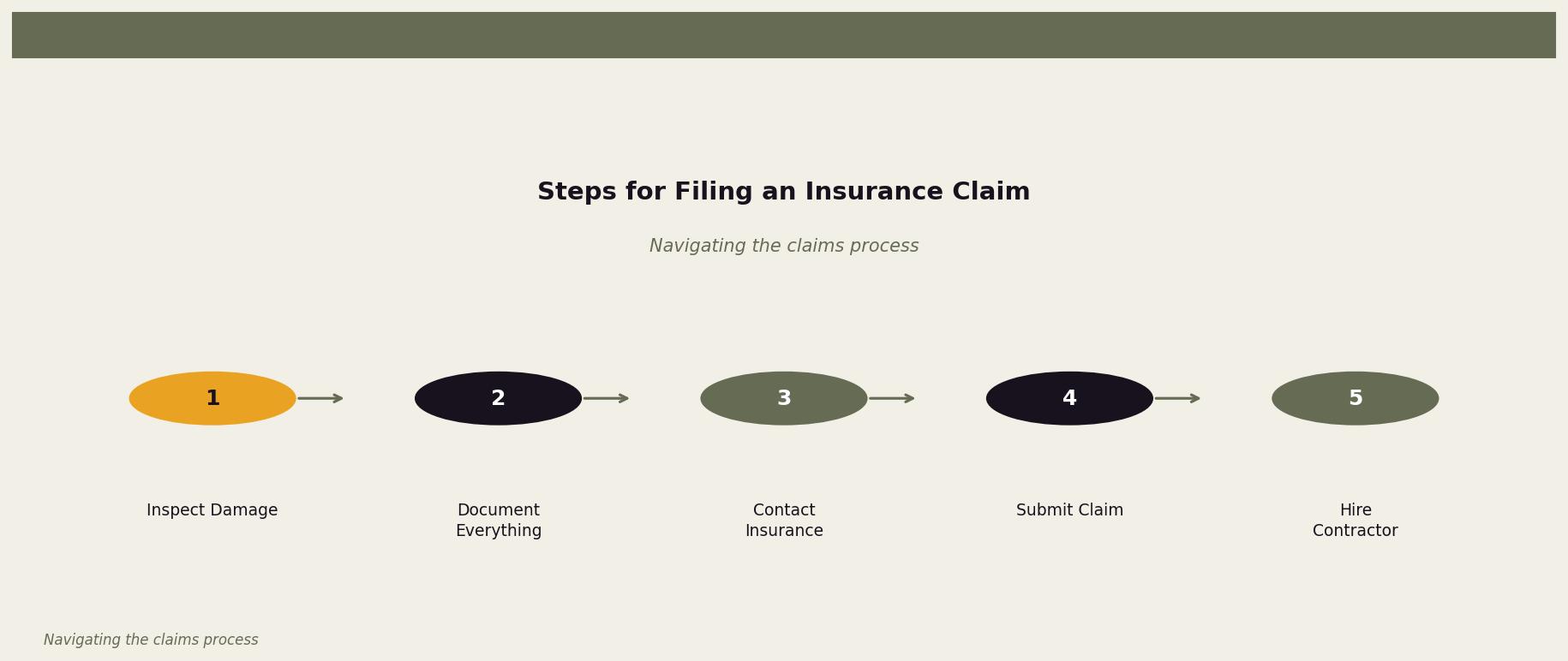
Here’s the step-by-step path forward:
- After any significant storm — do a visual check from the ground and document what you see
- If you spot potential damage — schedule a professional roof inspection
- If damage is confirmed — file your insurance claim promptly with thorough documentation
- When the adjuster visits — have your contractor’s assessment available for comparison
- Once your claim is approved — work with a trusted local contractor on materials and timeline
- After repairs are complete — keep all documentation for future reference and potential resale
This isn’t complicated. It just requires attention, action, and the right people in your corner.
Ready to Protect Your Roof? We’re Right Down the Road.
If you’re dealing with storm damage — or just want to know where your roof stands before the next big one rolls through — we’d be happy to take a look. Owl Roofing is family-owned and based right here in Shoreview. We serve homeowners across the Twin Cities, and we’ve seen every kind of hail hit, wind tear, and ice dam this Minnesota climate can throw at a roof.
We’ll inspect your roof, tell you exactly what we find, and give you a straightforward plan. No pressure, no runaround, no disappearing after the job’s done. Just neighbors helping neighbors keep their homes solid.
Give us a call at 651-977-6027 or visit owlroofing.com/ to schedule your inspection. We’ll take it from there.
Protect Your Nest.
📍 Owl Roofing Serves the Entire Twin Cities Metro
Andover · Anoka · Apple Valley · Arden Hills · Big Lake · Blaine · Bloomington · Brooklyn Center · Brooklyn Park · Burnsville · Champlin · Chanhassen · Chaska · Columbia Heights · Coon Rapids · Cottage Grove · Crystal · deephaven · Delano · Eagan · East Bethel · Eden Prairie · Excelsior · Farmington · Forest Lake · Fridley · Golden Valley · Ham Lake · Hastings · Hopkins · Hugo · Inver Grove Heights · Lake Elmo · Lakeville · Lino Lakes · Mahtomedi · Maplewood · Mendota Heights · Minneapolis · Minnetrista · Mound · Mounds View · New Brighton · New Hope · North Oaks · North St. Paul · Oak Grove · Oakdale · Plymouth · Prior Lake · Ramsey · Richfield · Robbinsdale · Rosemount · Roseville · Saint Paul · Savage · Shakopee · Shoreview · South St. Paul · St. Louis Park · St. Michael · St. Paul · Stillwater · Vadnais Heights · Victoria · Waconia · wayzata · West St. Paul · White Bear Lake · woodbury
Licensed Minnesota roofing contractor · Free inspections · 10-year workmanship warranty · Get a free estimate →
